
 EN
EN
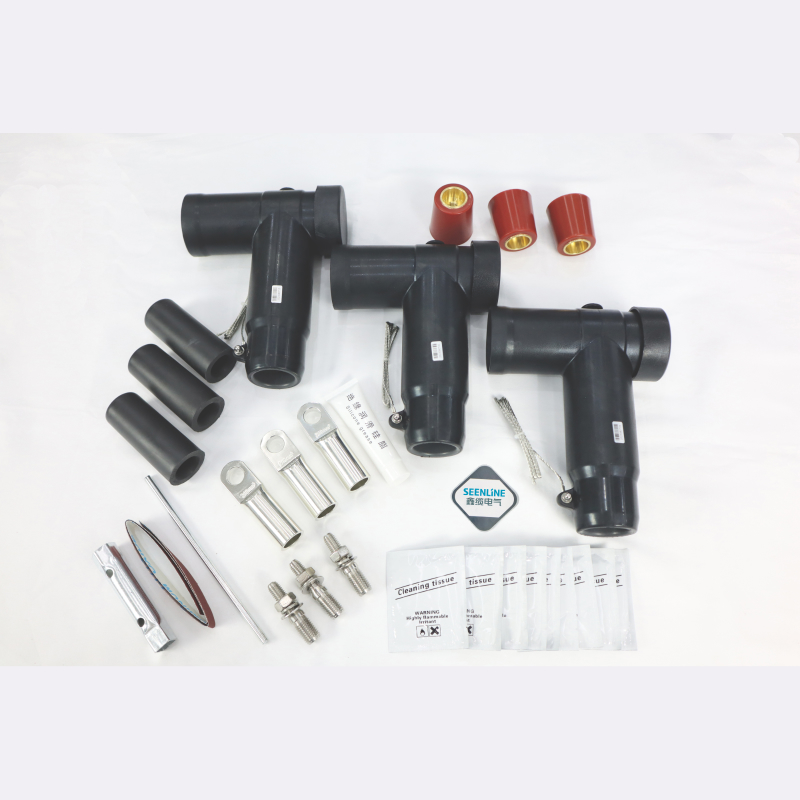
Maintaining and upgrading electrical systems presents ongoing challenges for facility managers, electrical contractors, and industrial operations. One of the most effective solutions to reduce downtime and labor complexity involves the strategic use of separable cable accessories. These innovative components are specifically designed to enable quick disconnection and reconnection of cable segments without requiring complete system shutdown or extensive rewiring. Understanding how separable cable accessories function and their practical advantages can significantly improve your maintenance workflows and reduce operational costs across electrical infrastructure projects.
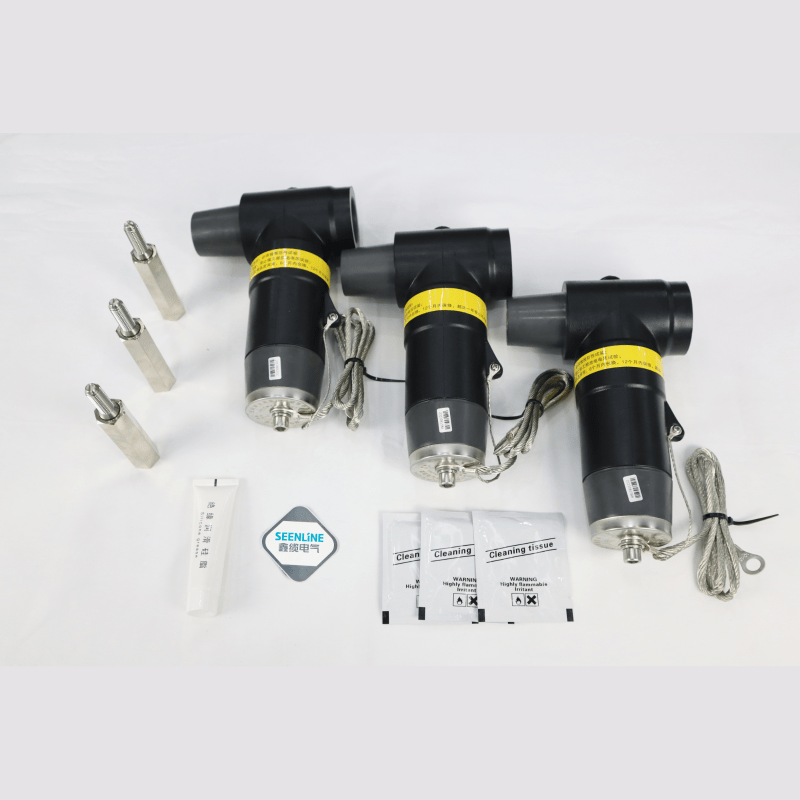
Separable cable accessories represent a fundamental shift in how electrical maintenance is approached in modern facilities. By providing reliable connection and disconnection points along cable runs, these accessories enable technicians to isolate problem areas, replace damaged sections, or upgrade cable capacity without affecting the entire electrical distribution system. This modular approach to cable management has proven invaluable across industries ranging from data centers and manufacturing plants to renewable energy installations and utility infrastructure projects.
Understanding Separable Cable Accessories and Their Core Function
What Are Separable Cable Accessories?
Separable cable accessories are specialized connectors engineered to provide secure, repeatable connection points between power cables and equipment or between cable segments themselves. Unlike traditional permanently bonded cable connections, separable cable accessories allow operators to establish and break electrical connections multiple times without degrading performance or safety characteristics. These accessories typically consist of matched plug and receptacle components that mate precisely to ensure minimal contact resistance, proper current distribution, and reliable grounding continuity across the connection interface.
The design of separable cable accessories incorporates features such as keyed mating surfaces to prevent incorrect installation, integrated safety shutters to guard live contacts, and standardized dimensional specifications that ensure compatibility across equipment from different manufacturers. Each separable cable accessories component undergoes rigorous testing to verify electrical performance, mechanical durability, and environmental stability under specified operating conditions. The insulation materials used in separable cable accessories are selected to withstand voltage stresses, moisture exposure, temperature cycling, and mechanical wear inherent in repeated connection cycles.
How Separable Cable Accessories Differ from Permanent Connections
Traditional cable terminations are typically soldered, crimped, or heat-shrunk permanently onto cable ends with the expectation that they remain in place throughout the cable's service life. This approach creates inflexibility and requires complete cable replacement when modifications are needed. Separable cable accessories eliminate this limitation by establishing connection points that can be deliberately disconnected by trained technicians whenever operational requirements change, without sacrificing electrical integrity or safety performance.
Key Maintenance Advantages of Separable Cable Accessories
Reducing Downtime and Labor Complexity
One of the most compelling operational benefits of using separable cable accessories is the dramatic reduction in system downtime required to perform maintenance or upgrades. When a problem occurs with a cable segment protected by separable cable accessories, technicians can disconnect the affected section quickly and restore power to the rest of the facility within minutes. This targeted approach contrasts sharply with traditional methods that often require shutting down entire distribution branches or even complete facility power supplies to address cable issues safely.
The labor savings associated with separable cable accessories extend beyond simple connection time. Technicians no longer need specialized equipment like high-pressure hydraulic crimpers, cable strippers, or specialized training in permanent termination methods. Installation of separable cable accessories typically requires only basic hand tools, reducing both labor cost and scheduling complexity. Maintenance crews can plan and execute cable repairs during regular working hours rather than scheduling emergency overnight interventions that command premium labor rates.
Enabling Modular System Design and Future-Proofing
Separable cable accessories facilitate a modular approach to electrical infrastructure design where individual cable runs can be replaced, relocated, or reconfigured without affecting adjacent circuits. This modularity proves especially valuable in facilities undergoing equipment upgrades, capacity expansions, or operational restructuring. Rather than re-running new cables through conduit systems or replacing entire cable trays, maintenance teams can simply disconnect existing separable cable accessories connections and establish new ones aligned with updated system requirements.
This modular capability also simplifies troubleshooting and diagnostic procedures. When electrical faults occur, technicians can use separable cable accessories disconnect points to systematically isolate cable segments, narrowing the problem source without requiring extensive rewiring or system redesign. The ability to temporarily remove and test cable sections off-line accelerates fault identification and reduces the time that facility operations remain compromised by electrical problems.
Practical Upgrade and Reconfiguration Applications
Cable Replacement and System Capacity Enhancement
Industrial facilities frequently encounter situations where existing cable capacity proves inadequate for new operational requirements or increased electrical loads. Rather than completely decommissioning old infrastructure, technicians can use separable cable accessories to disconnect the existing cable run and install higher-capacity cable using the same connection points. This approach preserves existing conduit systems, cable trays, and route planning while substantially improving system capacity and performance characteristics in a fraction of the time traditional methods would require.
Capacity upgrades using separable cable accessories also minimize installation disruption to ongoing facility operations. Instead of requiring full system shutdowns for extensive rewiring, facility managers can schedule cable replacement during predetermined maintenance windows with confidence that disconnection, replacement, and reconnection can be completed reliably within allotted timeframes. The standardized connection interfaces provided by separable cable accessories ensure that replacement cables mate perfectly with existing equipment connectors regardless of cable manufacturer or installation timeline differences.
Relocation and Reconfiguration in Evolving Facilities
Many manufacturing facilities, data centers, and process plants undergo periodic operational restructuring that requires relocating electrical service points or reorganizing power distribution paths. Rather than abandoning functional cables and installing completely new infrastructure, management can leverage separable cable accessories to disconnect cables from original locations and reestablish connections at new facility positions. This flexibility extends asset life, reduces capital expenditure on redundant cable infrastructure, and accelerates facility reconfiguration timelines substantially.
The reconnection reliability provided by separable cable accessories means that relocated cables perform identically to their original installation, with no degradation in electrical performance or safety characteristics. Technicians can disconnect, relocate, and reconnect separable cable accessories repeatedly throughout a facility's operational lifetime without requiring cable replacement or performance optimization procedures.
Technical Considerations and Best Practices
Environmental and Operational Suitability
Successful implementation of separable cable accessories requires careful evaluation of environmental conditions and operational demands within specific facility settings. Temperature extremes, moisture exposure, corrosive atmospheres, and mechanical stress all influence which separable cable accessories specifications prove suitable for particular applications. Facilities must select separable cable accessories rated for the full range of environmental conditions anticipated during installation and service periods, ensuring that mating surfaces, insulation materials, and mechanical components maintain performance standards across extreme operating scenarios.
Voltage rating, current capacity, and frequency characteristics of separable cable accessories must align precisely with the electrical system parameters they serve. Undersized separable cable accessories create dangerous hot spots and fire hazards, while oversized specifications waste capital and create installation challenges. Proper selection requires detailed analysis of system requirements, future expansion potential, and worst-case operational scenarios to ensure separable cable accessories specifications encompass all anticipated duty cycles.
Installation, Testing, and Maintenance Protocols
While separable cable accessories simplify connection procedures compared to permanent terminations, proper installation still demands trained technicians following manufacturer specifications precisely. Cable preparation, connector seating forces, safety shutter function, and grounding continuity verification all require attention during installation to ensure reliable performance throughout service life. Testing protocols must confirm that separable cable accessories connections establish proper electrical contact, withstand mechanical stress, and maintain insulation integrity before systems resume normal operation.
Ongoing maintenance of separable cable accessories includes periodic visual inspection for connector contamination, mechanical damage, or corrosion that could compromise connection reliability. Technicians should verify that safety shutters operate smoothly, that keyed mating surfaces show no signs of damage or misalignment, and that connector surfaces remain clean and free of oxidation or moisture accumulation. Regular maintenance protocols extend separable cable accessories service life and prevent connection failures that could disrupt facility operations.
FAQ
What specific voltage ratings are available for separable cable accessories?
Separable cable accessories are manufactured across a comprehensive range of voltage ratings spanning from low-voltage applications at 1 kilovolt through medium-voltage systems exceeding 35 kilovolts and into high-voltage utility applications. Selection depends on the specific electrical system requirements, with each voltage rating featuring distinct insulation designs, contact geometries, and mechanical specifications optimized for safe performance at rated voltages. Manufacturers typically provide detailed specifications for separable cable accessories across standard voltage classifications to ensure facility managers can identify products appropriate for their particular applications.
Can separable cable accessories be disconnected and reconnected without affecting electrical performance?
Yes, separable cable accessories are specifically engineered to provide repeatable connection and disconnection cycles throughout their service life without degrading electrical performance or safety characteristics. The standardized mating surfaces, precise dimensional tolerances, and contact pressure specifications of separable cable accessories ensure that connection resistance, current distribution, and grounding continuity remain consistent across repeated connection cycles. Manufacturers typically verify that separable cable accessories perform reliably through hundreds or thousands of intended disconnection and reconnection operations before approving products for commercial deployment.
How do separable cable accessories improve safety compared to traditional permanent cable terminations?
Separable cable accessories enhance safety by incorporating integrated safety shutters that automatically guard live contacts when connectors are in the disconnected state, preventing accidental electrical contact during maintenance procedures. The keyed mating surfaces prevent incorrect installation orientation that could create reversed polarity or unsafe connection configurations. Additionally, separable cable accessories enable systematic troubleshooting and component isolation without requiring extensive rewiring or temporary workarounds that introduce safety risks, making them preferable to permanent terminations in many industrial maintenance applications.