
 EN
EN
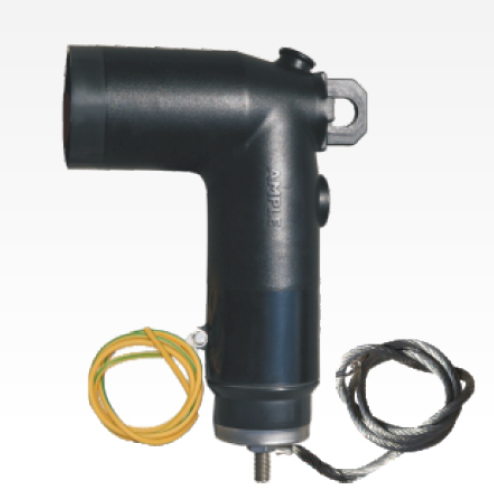
Separable cable accessories standards represent a critical foundation for electrical safety, system reliability, and international market access. Understanding which standards your separable cable accessories standards must meet is essential for manufacturers, distributors, and end users who depend on these components for power distribution systems. The regulatory landscape surrounding separable cable accessories standards continues to evolve, driven by technological advancement and growing emphasis on worker safety and equipment longevity.
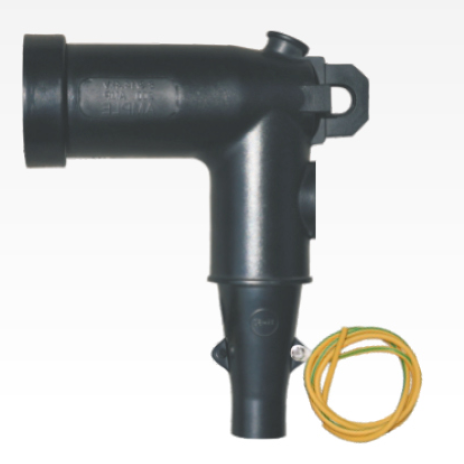
The compliance requirements for separable cable accessories standards span multiple dimensions, including electrical performance, mechanical durability, environmental resistance, and fire safety characteristics. Different regions and applications impose distinct specifications that separable cable accessories standards must satisfy. This comprehensive guide explores the primary standards, testing protocols, and practical compliance considerations that define the modern separable cable accessories standards landscape.
Primary International Standards for Separable Cable Accessories
IEC Standards and Global Recognition
The International Electrotechnical Commission establishes the most widely recognized framework for separable cable accessories standards globally. IEC 61076 series standards specifically address connector systems and separable cable accessories standards used in electrical power distribution. These standards define electrical safety limits, temperature rise tolerances, and contact resistance specifications that separate cable accessories standards compliant products must achieve. IEC standards for separable cable accessories standards ensure that products perform consistently across different manufacturers and installation environments.
IEC 61076-2-109 focuses specifically on industrial connector systems and represents a key reference point for separable cable accessories standards compliance verification. This standard requires comprehensive testing of separable cable accessories standards rated equipment under normal operating conditions and fault scenarios. The testing protocols outlined in separable cable accessories standards ensure that connectors maintain electrical continuity and do not create hazardous temperature conditions during normal use or under specified transient conditions.
Regional Standards and Regulatory Requirements
Different geographical markets impose specific regulatory frameworks for separable cable accessories standards compliance. The European Union mandates that separable cable accessories standards must align with CE marking requirements and Low Voltage Directive specifications. North American markets often reference IEEE and UL standards that define separable cable accessories standards performance parameters distinct from IEC frameworks. Understanding these regional variations in separable cable accessories standards ensures that products meet local regulatory requirements and market expectations.
Chinese standards GB/T standards have emerged as significant regulatory instruments for separable cable accessories standards in Asian markets. These standards define separable cable accessories standards performance criteria, testing methodologies, and safety requirements tailored to regional applications. Manufacturers seeking market access across multiple regions must ensure that their separable cable accessories standards compliance documentation satisfies both international and regional regulatory bodies.
Essential Compliance Testing Requirements
Electrical Performance Testing
Separable cable accessories standards require rigorous electrical testing to verify that products maintain safe operating parameters under rated load conditions. Contact resistance testing ensures that separable cable accessories standards compliant connectors exhibit minimal resistance that could generate excessive heat. Temperature rise testing measures how much heat develops at connection points when carrying rated current, and separable cable accessories standards specify maximum permissible temperature increases to prevent thermal damage to surrounding materials.
Dielectric strength testing validates that separable cable accessories standards products can withstand specified overvoltage conditions without electrical breakdown. Insulation resistance measurements confirm that separable cable accessories standards components maintain adequate electrical isolation between conductive parts. These electrical performance tests form the foundation of separable cable accessories standards verification and must be documented with test reports that demonstrate compliance.
Mechanical and Environmental Durability
Separable cable accessories standards encompass mechanical robustness requirements that ensure products withstand repeated connection cycles and physical stress. Insertion and withdrawal cycle testing validates that separable cable accessories standards products maintain electrical and mechanical integrity after hundreds of connection operations. Mechanical pull force testing confirms that separable cable accessories standards connectors provide secure mechanical locking mechanisms that prevent accidental separation.
Environmental resistance testing addresses how separable cable accessories standards products perform under moisture, temperature extremes, and corrosive conditions. Salt spray testing and humidity chamber exposure verify that separable cable accessories standards materials resist corrosion over extended periods. Thermal cycling tests ensure that separable cable accessories standards components maintain dimensional stability and electrical function across temperature ranges specified for their intended applications. These environmental durability requirements in separable cable accessories standards prevent premature failure in challenging field conditions.
Documentation and Certification Pathways
Technical Documentation Requirements
Manufacturers must maintain comprehensive technical documentation to demonstrate that separable cable accessories standards compliance has been achieved. Separable cable accessories standards compliance files should include design specifications, material certifications, test reports, and traceability records for manufactured units. Technical datasheets must clearly state which separable cable accessories standards versions the products satisfy and provide performance data that supports compliance claims.
Quality assurance protocols ensure that separable cable accessories standards compliance is maintained across production batches. Statistical process control and periodic retest procedures validate that manufacturing processes consistently produce separable cable accessories standards compliant products. Documentation systems that track separable cable accessories standards compliance verification activities provide audit trails for regulatory inspections and customer verification requests.
Third-Party Certification and Market Recognition
Independent certification bodies provide formal verification that separable cable accessories standards requirements have been satisfied through comprehensive testing programs. Certification marks such as CE marking, UL listing, or CSA approval signal that separable cable accessories standards compliance has been independently verified. Many industrial customers require separable cable accessories standards certified products because certification demonstrates that products have undergone rigorous independent testing protocols. Obtaining formal separable cable accessories standards certification often accelerates market acceptance and supports competitive positioning in regulated industries.
Maintaining separable cable accessories standards certification requires ongoing compliance verification and adherence to current standard versions. When standards organizations publish updates to separable cable accessories standards specifications, manufacturers must transition products to comply with revised requirements within specified timelines. Proactive engagement with standards development organizations helps manufacturers understand emerging separable cable accessories standards revisions before they become mandatory compliance requirements.
FAQ
What are the most critical separable cable accessories standards?
IEC 61076 series standards represent the most universally recognized separable cable accessories standards for global markets. These standards address electrical safety, mechanical durability, and performance requirements that protect users and ensure reliable power distribution. Regional standards including UL, IEEE, and GB/T also define important separable cable accessories standards compliance requirements for specific geographical markets and applications.
How frequently do separable cable accessories standards requirements change?
Standards organizations typically update separable cable accessories standards every five to seven years to reflect technological advancement and safety experience. Manufacturers should monitor standards development activities to anticipate upcoming changes to separable cable accessories standards requirements. Regulatory agencies typically provide transition periods allowing manufacturers to update products before new separable cable accessories standards become mandatory.
Can products comply with multiple separable cable accessories standards simultaneously?
Yes, many products are designed to comply with multiple separable cable accessories standards frameworks simultaneously through careful engineering and comprehensive testing protocols. Meeting different regional separable cable accessories standards often requires testing to the most stringent requirements across all applicable standards. This multisstandard compliance approach enables manufacturers to serve global markets with single product designs that meet diverse separable cable accessories standards requirements.