iunctura cavi submārīnī
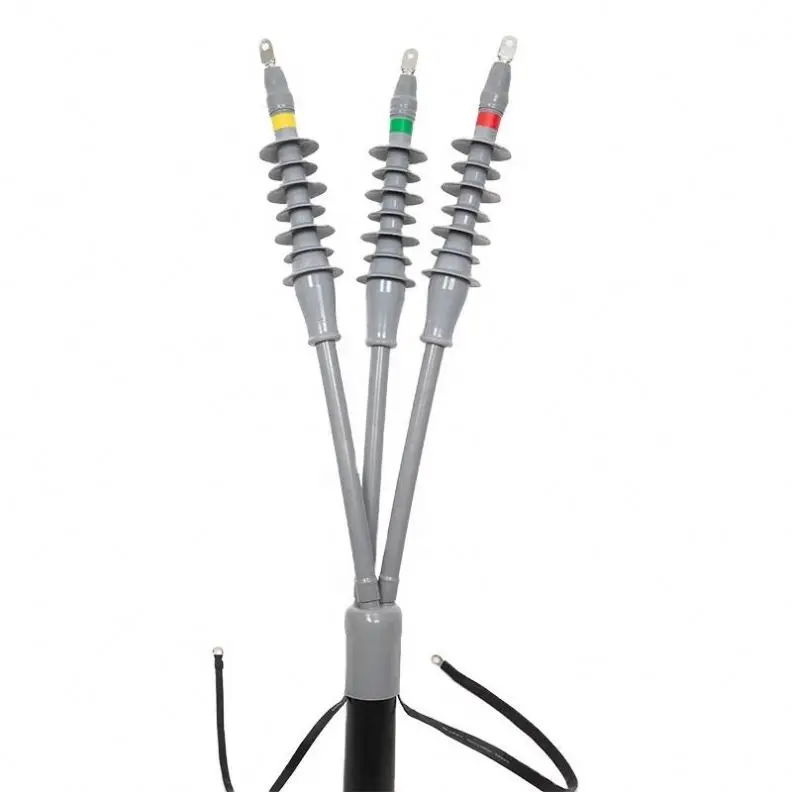
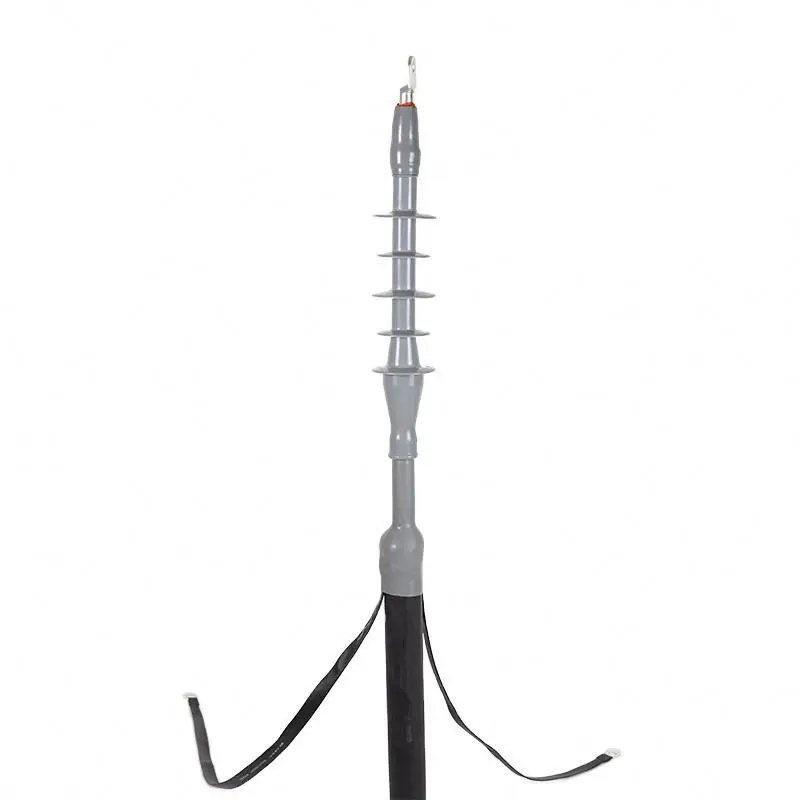
A submarine cable joint represents a critical connection point in underwater telecommunications infrastructure, designed to seamlessly link two submarine cable segments together while maintaining optimal signal transmission. The submarine cable joint serves as the backbone of global data connectivity, enabling reliable communication across continents and oceans. This essential component features advanced engineering that ensures water-tight integrity and electrical conductivity under extreme deep-sea conditions, including crushing pressures and corrosive marine environments. The submarine cable joint typically incorporates multiple protective layers, including steel wire armoring, copper sheathing, and specialized polymers that work together to safeguard the delicate fiber optic strands within. Modern submarine cable joints employ sophisticated jointing technologies that minimize signal loss and reflection, preserving data transmission quality across thousands of kilometers. These joints are manufactured to exacting international standards, ensuring compatibility with various cable types and specifications. The submarine cable joint undergoes rigorous testing protocols before deployment, including pressure testing, electrical continuity verification, and mechanical strength assessment. Applications for the submarine cable joint span telecommunications, internet infrastructure, financial networks, and international data centers. The design of each submarine cable joint accounts for thermal expansion, mechanical stress, and potential repair scenarios. Advanced manufacturing processes ensure that submarine cable joint installation occurs with precision, requiring specialized equipment and trained technicians. These connections have become indispensable for modern society, facilitating international communication, streaming services, cloud computing, and global commerce. The reliability and durability of submarine cable joints directly impact the stability of worldwide digital networks.

 EN