
 EN
EN
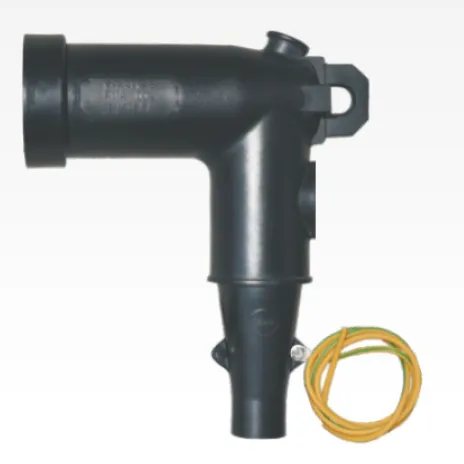
Mifumo ya umeme ya viwandani inahitaji suluhisho bora za usimamizi wa joto ili kudumisha utendaji bora katika mazingira ya changamoto. Kuchagua vifaa vya kabeli ya joto ni muhimu sana kuhakikisha utendaji bora, kuzuia uvimbe wa vifaa, na kudumisha uhai wa mfumo katika maombi yote yanayotumika. Vifaa hivi vya kipekee vinatumika pamoja na mita za kujaza joto ili kupatia udhibiti wa joto, ulinzi, na uwezo wa kufuatilia ambavyo ni muhimu sana kwa mashirika ya viwandani, mabara ya umeme, na mafunzo ya biashara.
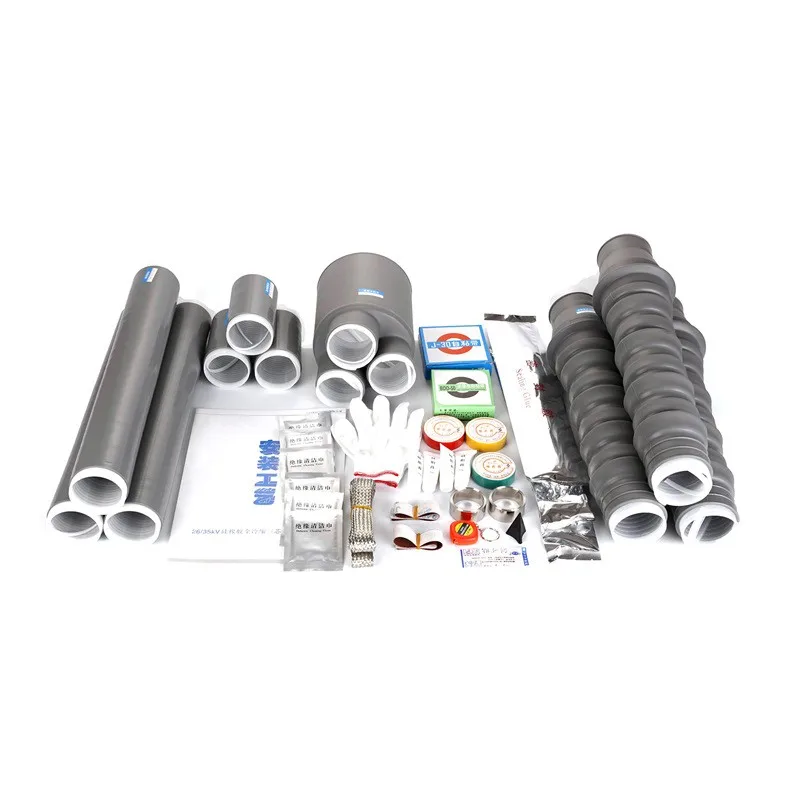
Ugumu wa mfumo wa umeme wa viwandani vya kisasa unahitaji kuzingatia makini wakati wa kuchagua vitambaa vya kujilisha joto. Wahandisi na wafanyikazi wa mahali lazima wapangilie mambo mengi ikiwemo hali ya mazingira, mahitaji ya umeme, vizingiti vya uwekaji, na mahitaji ya usimamizi wa muda mrefu. Kuelewa aina mbalimbali za vitambaa vya kujilisha joto vilivyopo na matumizi yao maalum husaidia kuhakikisha utendaji bora wa mfumo wakati huo huo ukidhoofisha gharama za uendeshaji na hatari za kukatishwa kwa muda.
Kuelewa Mikundi ya Vitambaa vya Kujilisha Joto
Vifungo na Vipengele vya Kuunganisha
Kukamilisha kwa usahihi wa mikanda ya kujaza hutoa mahitaji ya vifaa vya kipekee ambavyo huvunja muunganisho salama ya umeme wakati wa kudumisha uaminifu wa mfumo. Vifaa vya kuunganisha nguvu vinatoa muunganisho muhimu kati ya mikanda ya kujaza na chanzo cha nguvu, ikijumuisha vipengele kama vile kufunga unyevu, kuzuia kuvimba kwa muda mrefu, na kufunga kwa usahihi wa umeme. Vifaa hivi vinahitaji kutolewa kulingana na maelezo ya mkondo, mahitaji ya utenshoni, na hali za mazingira ili kuhakikisha utendaji bora kwa muda mrefu.
Vifaa vya kufunga mwisho vinawakilisha aina nyingine muhimu ya vifaa vya kabeli ya joto ambavyo huzuia kuingia kwa unyevu na kudumisha utambulisho wa mkondo. Vifaa vya kufunga mwisho vya ubora wa juu hutumia vitu vya kisasa na miundo ya kisasa ili kutoa ulinzi wa kuhakikishwa dhidi ya mazingira ya viwanda vya magumu. Mchakato wa kuchagua unahusisha kufanana na maelezo ya ufunguzi na aina za mikondo wakati wa kuzingatia mambo kama vile ratiba ya joto, upinzani wa kemikali, na urahisi wa kufanya uwekaji.
Vifaa vya kujumlisha vinawezesha marekebisho ya eneo na mabadiliko ya mfumo bila kuhitaji kubadilisha mionzi yote. Vifaa hivi vinafaa kutoa uendelezaji wa umeme wakati huo huo wakiyachukua vipengele vya kulinda vya mionzi ya kujaza joto. Vifaa vya kujumlisha vya daraja la wataalam hujumuisha vipengele vyote vitakavyotumika kujenga mishakio itakayotimiza viwango vya sekta na mahitaji ya usalama.
Vifaa vya Udhibiti na Ufuatiliaji
Vipengele vya udhibiti wa joto vinatumika kama ubongo wa mifumo ya mionzi ya kujaza joto, ikitoa udhibiti wa kina juu ya pato la joto kulingana na mahitaji ya kazi. Vipengele vya kisasa vinaonyesha vipengele vya juu ikiwa ni pamoja na vituo vya kuziweka kwa programu, kazi za alama, na uwezo wa mawasiliano ambao unawezesha uunganishwaji na mifumo ya usimamizi wa maeneo. Kuchagua vipengele vya udhibiti vinavyofaa huhitaji uelewa wa vipengele vya mzigo wa mfumo, mahitaji ya usahihi wa udhibiti, na uwezo unaotaka wa ufuatiliaji.
Vifaa vya kufuatilia vinatoa maelezo muhimu ya utendaji wa mfumo na afya yake. Vifaa vya kujisikia joto, vifaa vya kufuatilia mapungufu ya ardhi, na vifaa vya kujisikia sasa vinashirikiana ili kuhakikisha uendeshaji salama wakati hutoa data kwa miradi ya usambazaji wa mapambano. Hivi vifaa vya kabeli ya joto vinapaswa kuwa yanafanana na volti za mfumo na hali za mazingira wakati huvutia uhakika na uaminifu uliohitajika kwa matumizi ya viwanda.
Vifaa vya usalama ikiwemo vituo vya kupasua umbo la mapungufu ya ardhi na mfumo wa ulinzi wa joto hutoa ulinzi muhimu dhidi ya hatari za umeme na uvunjaji wa vifaa. Vifaa hivi vinapaswa kuchaguliwa kwa ukubwa unaofaa na kusawazishwa kwa usahihi ili kujibu kwa njia ya sahihi katika hali za mapungufu wakati hupunguza alama zisizo sahihi ambazo zinaweza kuharibu uendeshaji.
Majina ya Mazingira kwa Matumizi ya Viwanda
Uwezekano wa Kupoteza Chembe na Uchaguzi wa Vitu
Mazingira ya viindustri mara nyingi huwafikia vifaa vya kuchanganya kwa kutumia kabeli za joto na kemikali zenye nguvu, mazingira yenye uharibifu, na hali za pH zenye kipimo cha juu sana. Uchaguzi wa vitu huwa muhimu sana kuhakikisha kuwa vifaa hivi vya kudumu kwa muda mrefu na kuzuia uvimbo wa mapema. Vitu vya fluoropolymer vina uwezo mzuri wa kujitetea dhidi ya kemikali kwa matumizi ya kushinda kwa kiasi kikubwa, wakati vitu vya thermoplastic vya kawaida vinaweza kutosha kwa mazingira ambayo haitahitaji uwezo mkubwa.
Uwezekano wa kufanana kati ya vitu vya vifaa na kemikali maalum zilizopo katika kila matumizi lazima utambulike kwa makini. Ramani za uwezo wa kujitetea dhidi ya kemikali na maelekezo ya watazamishi hutupa msaada kwa uchaguzi wa vitu, lakini uzoefu wa kazi na majaribio yanaweza kuwa muhimu kwa matumizi ya kipekee. Kuelewa mchanganyiko kati ya vitu mbalimbali husaidia kuzuia uvimbo wa galvanic na matatizo mengine ya kufanana ambayo yanaweza kuharibu utendaji wa mfumo.
Vifungo na vitu vya kufunga vinahitaji makini maalum katika mazingira ya kemikali. Vifungo vya kauti za kawaida vinaweza kuharibika haraka wakati wa kuwasilishwa na kemikali fulani, wakati ya kubadilisha elastomers kama Viton au EPDM hutoa uwezo bora wa kupambana na familia fulani za kemikali. Uchaguzi wa vitu vya kufunga vinavyofaa huathiri moja kwa moja ufanisi wa vifaa vya kabeli ya joto katika kudumisha utambulisho wa mfumo.
Kipimo cha Joto na Mzunguko wa Joto
Mifumo ya nguvu ya viwandani mara nyingi hupitia mabadiliko makubwa ya joto ambayo yanaweza kusababisha mashaka kwenye vitu vya kujaza kamba ya joto kupitia athari za mzunguko wa joto. Kuelewa vipimo vya joto vya hali ya kawaida pamoja na mazingira ya joto ya kinyume husaidia kuhakikisha uchaguzi wa vitu vyenye ufanisi. Vifungo vinapaswa kuwa na kipimo cha juu ya joto la kufanya kazi wakati wanavyodumisha ufanisi wote katika kipimo cha joto kilichotarajwa.
Mabadiliko ya kujengwa na kupungua kwa joto yanaweza kutengeneza mgawo wa kisasa kwenye maelezo na mafungo. Vifaa vya ziada vinahitaji kusaidia mabadiliko haya bila kuharibu uaminifu wa umeme au wa kisasa. Maelezo ya uunganisho wenye uwezo wa kubadilika na vifungo vya kujengwa vinaweza kuwa muhimu kwa matumizi yenye mabadiliko makubwa ya joto au ambapo kujengwa kwa joto kinaweza kutengeneza mgawo mwingi sana kwenye sehemu za mfumo.
Uwajibikaji wa utendaji chini ya joto la chini huwa muhimu sana kwa mafunzo ya nje na matumizi ya mahali pa kuhifadhi baridi. Vifaa vingi vya umeme vinavyotumika kwa kawaida vinaacha uwezo wa kubadilika na vinaweza kuwa vimechanganyika chini ya joto la chini, ikasababisha uhakika wa kushindwa wakati wa kushughulikia au wakati wa mabadiliko ya joto. Yanayotumiwa katika hali ya baridi vifaa vya kabeli ya joto hutumia vitu maalum na maelezo ya kufanya kazi ili kudumisha utendaji katika hali za baridi sana.
Mahitaji ya Uunganishaji wa Mfumo wa Nishati
U совместимости ya Voltage na Usalama wa Umeme
Ukubaliana wa sahihi wa voltage ya kifaa cha kujaza joto kuhakikisha uendeshaji salama na kufuata kanuni za umeme. Vifungu vinapaswa kuwa na uwezo wa kushughulikia voltage ya mfumo kwa muda mrefu na kuzingatia mizani ya usalama ya kutosha ili kusubiri mabadiliko ya voltage na hali za muda mrefu. Kuelewa tofauti kati ya voltage ya mstari-kwa-mstari na voltage ya mstari-kwa-ardhi husaidia kuhakikisha kuchaguliwa kwa usahihi wa vifungu kwa mfumo wa mistari mitatu.
Ukubaliana wa uchafuzi kati ya vifungu mbalimbali vya mfumo huzuia uvunjaji wa umeme na kuhakikisha uendeshaji wa kudumu. Vifungu vya kifaa cha kujaza joto vinapaswa kutoa umbizo wa umeme na umbizo wa kuchukua kwa kutosha kwa voltage ya kufanya kazi wakati huohuo wakiendelea kujitenga kwa ukubwa mdogo unaofaa kwa uwekaji wa viwanda. Uwekaji salama wa kushirikiana na kushirikiana kwa vifungu vyote vya mfumo hujenga mazingira ya umeme ya salama na kusaidia uendeshaji wa kisahihi wa vifaa vya ulinzi.
Ulinzi dhidi ya mafuta ya umeme umekuwa muhimu zaidi katika mfumo wa umeme wa viwanda. Ya kisasa vifaa vya kabeli ya joto jumuisha vipengele vya ubunifu ambavyo vya kuzungumzia uwezekano wa kutoa kwa umeme (arc fault) wakati mwingine hupatikana uwezekano wa kudetect na kuzuia kutoa kwa umeme (arc fault) kwa uaminifu. Kuelewa mahitaji ya ulinzi dhidi ya kutoa kwa umeme (arc fault) husaidia kuhakikisha kuwa imefuata viwajibiko vya usalama vya sasa na kupunguza hatari ya moto katika mashirika ya viwandani.
U управление ya Uzito na Usambazaji wa Nishati
U управление wa kushikilia kwa njia ya kutosha unahitaji kufanya maamuzi ya makini kuhusu vipengele vya usambazaji wa nishati na uwezo wa mfumo. Viambatanishi vya kamba za joto vinapaswa kuweza kushikilia mikondo ya uzito yanayotarajiwa wakati mwingine hupatikana ulinzi na kazi za udhibiti zinazofaa. Kuelewa tofauti ya uzito na sababu za ombi husaidia kuboresha ubunifu wa mfumo na kuepuka kuchagua viambatanishi vya usambazaji vya ukubwa mkubwa sana.
Mazingatio ya ubora wa nishati inajumuisha yaliyomo katika harmoniki, sababu ya nishati (power factor), na athari za udhibiti wa tawi la umeme (voltage regulation). Baadhi ya mifumo ya kamba za joto inaweza kusababisha harmoniki au nishati isiyo ya kufanya kazi (reactive power) ambayo inahitaji kurekebishwa au kufiltrika. Uchaguzi wa kifaa cha kisasa vifaa vya kabeli ya joto inajumuisha kuelewa madhara ya ubora wa nguvu hizi na kujumuisha hatua za kupunguza madhara yanayotakiwa.
Mazoezi ya nguvu ya dharura huwa muhimu kwa matumizi muhimu ambapo joto linapaswa kuendelea wakati wa kupungua kwa umeme. Mifumo ya nguvu ya msaada inahitaji vifaa vya kujumuisha vinavyoweza kufanya kazi kutoka kwa chanzo cha nguvu kingine wakati wanavyohifadhi kazi za kulinda na udhibiti wa mfumo. Mifumo ya betri ya msaada kwa mzunguko wa udhibiti huzuia kufanya kazi ya kufuatilia na kulinda bila kupungua hata wakati nguvu ya joto haiwezi kupatikana.
Mambo ya Kuzingatia Kuhusu Kuweka na Kudumisha
Uwiano na Mahitaji ya Huduma
Uwepo wa urahisi wa kufanyika kwa usanidi huathiri sana kuchaguliwa kwa vifaa vya kamba ya joto, hasa katika matumizi ya kuboresha ambapo nafasi inaweza kuwa ya kutosha. Mifumo ya ukubwa mdogo na ujenzi wa kipande unawezesha usanidi katika nafasi ndogo bila kuharibu utendaji kamili. Kuelewa vizingilio vya usanidi mapema katika mchakato wa udhamini husaidia kuepuka mabadiliko ya gharama juu na mchezo wakati wa ujenzi.
Uwazi wa huduma huathiri gharama za matumizi ya muda mrefu na uaminifu wa mfumo. Vifaa vya ziada vinapaswa kupangwa mahali ambapo vinaweza kufikiwa kwa urahisi kwa ajili ya ukaguzi, majaribio, na ubadilishaji bila kuharibu sehemu nyingine za mfumo. Alama wazi na ushahidi wa kuandikia husaidia uendeshaji wa matumizi kwa urahisi na kupunguza hatari ya makosa wakati wa shughuli za huduma.
Mahitaji ya zana kwa ajili ya uwekaji na matumizi ya muda mrefu yanapaswa kuchukuliwa katika uchaguzi vifaa vya kabeli ya joto . Zana maalum zinaweza hitajika kwa baadhi ya uwekaji, na upatikanaji wa zana hizi unaweza kuathiri mizani ya mradi na gharama. Zana za kawaida na njia za kuunganisha zinapunguza ufanisi wa kazi na kusaidia uwekaji na matumizi ya muda mrefu kwa urahisi zaidi.
Ushahidi na Usimamizi wa Utekelezaji
Ukumbuzi wa sahihi wa chaguzi za vitambaa vya kujisaidia kwa mifumo ya kujaza joto na uwekaji wake unasaidia usimamizi wa kudumu na juhudi za kufuata sheria. Maelezo ya kina, rasmisahi ya uwekaji, na rekodi za majaribio hutengeneza msingi wa miradi ya usimamizi wa kudumu na kufuata sheria. Kuelewa mahitaji ya ukumbuzi husaidia kuhakikisha kwamba taarifa zote za lazima zimepandwa wakati wa uwekaji.
Kufuata sheria inahitaji makini kwa kusimama kwa makadirio na sheria yanayotumika. Sheria za umeme, sheria za moto, na viwango vya sekta maalum vinaweza kuathiri uwekaji wa mifumo ya kujaza joto. Kuchagua vitambaa vya kujisaidia vinavyokidhi au kuzidhani mahitaji yanayotumika hukadhi kufuata sheria na kuepuka mabadiliko ya ghali baadaye katika mradi.
Miradi ya kuhakikisha ubora husaidia kuhakikisha utendaji wa kudumu wa vifaa vya kabeli ya joto kwa mafunzo mengi. Kriteria ya kuchagua yanayotumika kwa pamoja, orodha ya wauzaji walioidhinishwa, na taratibu za inspeksheni zinamsaidia mfumo kuendelea kufanya kazi vizuri wakati hupunguza gharama za ununuzi na usanidi. Uchunguzi mara kwa mara na kuboresha programu hizi husaidia kuhakikisha kwamba bado zinatumika kwa teknolojia na viwajibikaji vya sasa.
Uboreshaji wa Gharama na Uchunguzi wa Mwisho wa Maisha
Gharama Ya Awali Versus Thamani Kwa Muda Mrefu
Kufanya mgawanyo wa gharama za awali dhidi ya utendaji wa muda mrefu unahitaji uchunguzi wa makini wa jumla ya gharama ya ubunifu kwa ajili ya vitambaa vya kuchanganya kwa kamba ya joto. Ingawa vitu vya kisasa vinaweza kuwa na gharama za awali kubwa zaidi, uaminifu wao wa juu na uwezekano wa kusimama kwa muda mrefu mara nyingi hupeleka kwenye gharama chini ya jumla katika muda wote wa maisha ya mfumo. Kuelewa uhusiano kati ya uwekezaji wa awali na gharama za uendeshaji unaofanyika kila siku husaidia kuboresha uchumi wa mfumo.
Gharama za usimamizi zinaathiri kiuchumi cha jumla cha mfumo, hasa kwa vifaa vilivyopangwa katika eneo la mbali au ambalo linahitaji juhudi nyingi za kufikia. Vifaa vya ziada ambavyo vinahitaji usimamizi mara kwa mara au yanayopatikana na muda mfupi wa huduma vinaweza kusababisha gharama jumla za juu hata kama bei ya awali ni chini. Kufanya tathmini ya mahitaji ya usimamizi na kupanga wakati wa usimamizi husaidia kutambua suluhisho bora zaidi kwa kila matumizi.
Majibu ya ufanisi wa nishati huwa muhimu kwa mifumo inayoshughulikia kila wakati. Ingawa vifaa vya kabeli ya joto hailipati moja kwa moja nishati kubwa, athari yake kwenye ufanisi wa mfumo inaweza kuathiri gharama za uendeshaji kwa muda mrefu. Vitawala vya ufanisi, usimbaji mzuri wa usalama, na uboreshaji wa muundo wa mfumo unahusisha uokoa wa jumla wa nishati na kupunguza athari kwenye mazingira.
Ukaguzi wa Hatari na Uchambuzi wa Uaminifu
Uanalisis wa hatari unasaidia kuhesabu gharama zinazoweza kutokana na mapungufu ya mfumo na kusaidia maamuzi yenye taarifa kuhusu uchaguzi wa sehemu na mahitaji ya upanuzi. Matumizi muhimu ya mifumo inaweza kusaidia matumizi ya sehemu za bei juu au mifumo ya upanuzi ili kupunguza hatari ya mapungufu ya gharama au matajiri ya usalama. Kuelewa njia za mapungufu na matokeo yao inawezesha mbinu za kupunguza hatari kwa namna ya kutosha.
Data ya uaminifu kutoka kwa watengenezaji na uzoefu wa uwanjani hutoa mchango muhimu kwa ajili ya uchambuzi wa mzunguko wa maisha na mipango ya matengenezo. Muda wa wastani kati ya takwimu za hitilafu, uchambuzi wa hali ya hitilafu, na taarifa za udhamini husaidia kutabiri mahitaji ya utendaji wa mfumo na matengenezo. Taarifa hii inasaidia uteuzi wa vipengele na uundaji wa programu ya matengenezo.
Strategia ya vitu vya mabadiliko huathiri gharama za awali na upatikanaji wa kudumu wa vitu vya mabadiliko. Kuhifadhi vitu muhimu vifaa vya kabeli ya joto inapunguza hatari ya kusimama kwa muda, lakini inaongeza gharama za hisa. Kuelewa muda wa kuleta, hatari ya kuwa bila faida, na mifumo ya kuharibika husaidia kuboresha hisa ya sehemu za kubadilisha wakati huo huo hakikisho kwamba sehemu muhimu zitakuwa zinapatikana.
Teknolojia Mpya na Mikondo ya Jaa
Ufuatiliaji wa Akili na Uunganishaji wa Internet ya Vitu
Teknolojia ya Internet ya Vitu inabadilisha uwezo wa kufuatilia na kuagiza mfumo wa mitambo ya joto. Viambatanishi vya akili vinavyo na visensori vilivyopakwa ndani na uwezo wa kumzamaza vunapato data ya wakati halisi kuhusu utendaji wa mfumo, ikisaidia usafi wa kuzingatia mapambano na uendeshaji ulioboleweshwa. Mifumo hiyo ya juu inaweza kupata matatizo yanayotengeneza kabla ya kusababisha kuharibika, kumpunguza gharama za usafi na kuboresha uaminifu wa mfumo.
Teknolojia za mawasiliano bila waya hufuta hitaji la waya nyingi za udhibiti katika matumizi mengi. Vifaa vya kujisimulia na vifaa vya udhibiti vilivyopakwa kwa betri vinaweza kupatikana kwa uwezo wa kujisimulia mahali ambapo mfumo wa waya unaweza kuwa isiyo ya kufaa au ghali sana. Kuelewa uwezo na mapungufu ya teknolojia za mawasiliano bila waya husaidia kutambua uwezekano wa kutumika kwa mafunzo maalum.
Mfumo wa kujisimulia ulimwengu unaweza kusimamia kwa kituo cha mfumo wa kamba za joto zilizopo katika vituo mbalimbali. Mifumo hii inatoa uchambuzi wa kina, uchambuzi wa mwenendo, na uwezo wa kurekodi ambao unasaidia uamuzi bora zaidi na ufanisi wa utendaji. Uunganisho na mfumo wa usimamizi wa vituo uliopo unaunda uelewano kamili juu ya utendaji wa mfumo wa majengo na mifumo ya kazi.
Vifaa vya Juu na Uzalishaji
Maendeleo ya vitu vipya yanavyotarajiwa yanazidisha uwezo na matumizi ya vifaa vya kabeli ya joto polymers za kisasa zinatoa uwezo bora zaidi wa kupinga kemikali, uwezo wa kubeba joto, na sifa za kimwili kuliko vitu vya kawaida. Kuelewa maendeleo haya husaidia kutambua fursa za kuboresha utendaji wa mfumo na kuongeza uwezekano wa matumizi yake.
Mbinu za uzalishaji wa ongezeko (additive manufacturing) zinawezesha ubunifu wa viambatanishi vya kipekee kwa matumizi ya kipekee. Uchapishaji wa 3D wa mikumbi, mishale, na sehemu nyingine huzasaidia kujenga mifano ya haraka na uzalishaji wa wingi mdogo wa vitu vya kipekee. Uwezo huu unasaidia suluhisho la kibunifu kwa uvamizi wa changamoto wakati huo hupunguza muda na gharama za maendeleo.
Matumizi ya teknolojia ya nanosayansi katika vitu vya kuvunja umeme na usimamizi wa joto yanaweza kuleta uboreshaji wa utendaji na uaminifu. Ingawa bado ni ya kwanza, teknolojia hizi zinaweza kusaidia maendeleo makubwa ya vifaa vya kabeli ya joto uwezo na ufanisi. Kuwa na taarifa juu ya maendeleo haya husaidia kutambua fursa za kesho kwa uboreshaji wa mfumo.
Maswali Yanayoulizwa Mara kwa Mara
Sababu zipi zinapaswa kuchambuliwa wakati wa kuchagua viambatanishi vya kabeli ya joto kwa mafunzo ya nje ya nyumba
Mafunzo ya nje ya nyumba yanahitaji viambatanishi vya kabeli ya joto na ratiba za mazingira yanayofaa kwa vitu kama vile joto kali sana, ubavu wa maji, na uvumbuzi wa UV. Kuzingatia mambo muhimu ni ratiba ya IP kwa ulinzi dhidi ya ubavu wa maji, ratiba ya joto kwa vitu kama vile joto kali sana na baridi sana, vitu vilivyotengwa dhidi ya UV kwa uruhusi wa mwanga wa jua moja kwa moja, na maendeleo ya kuzuia uvunjaji kwa mazingira ya bahari au ya viwanda. Pia, uwezo wa kubadilisha joto kwa mara nyingi na uwezo wa kuzuia mgando wa upepo unaweza kuwa muhimu kulingana na mazingira maalum ya mafunzo.
Nijisemeje jinsi ya kufanya utambuzi wa ratiba sahihi ya volt kwa viambatanishi vya kabeli ya joto katika matumizi yangu
Uchaguzi wa ukadiriaji wa volteji unapaswa kutegemea volteji ya juu zaidi ya uendeshaji wa mfumo yenye pembezoni mwa usalama unaofaa. Kwa mifumo ya awamu tatu, fikiria volteji za mstari hadi mstari na mstari hadi ardhini, na uchague vifaa vilivyokadiriwa kwa thamani ya juu zaidi. Jumuisha kuzingatia mabadiliko ya volteji na mawimbi ya kubadili ambayo yanaweza kuzidi volteji za kawaida za uendeshaji. Wasiliana na misimbo ya umeme na mapendekezo ya mtengenezaji kwa mambo maalum ya usalama na mahitaji ya usakinishaji yanayotumika kwa volteji ya mfumo wako na matumizi yake.
Udhibiti gani unahitajika kawaida kwa vitambaa vya kabeli za joto katika mazingira ya viwanda
Udhibiti wa kawaida unapaswa kujumuisha ukaguzi wa macho ya muunganisho yote na makabati kwa alama za uvimbe, udharuru, au muunganisho ulioshindwa. Uchunguzi wa umeme, ikiwemo upimaji wa uwezo wa kuzuia umeme na ukaguzi wa kushindwa kwa mchoro wa ardhi, unasaidia kutambua matatizo yanayotengeneza. Ufafanuzi wa kipimo cha joto na uthibitisho wa vifaa vya kujisikia vinahakikisha uendeshaji wa mfumo unaofanya kazi kwa usahihi. Kufuta paneli za udhibiti na ubadilishaji wa filta za hewa katika makabati yanayopatikana na hewa huweka hali ya kutosha ya kuponya. Kurekodi shughuli zote za udhibiti husaidia kuchunguza mwenendo na miradi ya udhibiti unaofanywa kabla ya matatizo kuwakilishwa.
Je, viambishi vya kabeli za joto vinaweza kugeuzwa kwa mfumo wa joto uliopo?
Vifaa vingi vya kuchanganya kwa mafuta ya joto vinaweza kufanywa upya kwenye mfumo uliopo, ingawa ni muhimu sana kuthibitisha uwezekano wa kufanya hivyo. Mambo muhimu yanayotarajiwa kujumuisha: uwezekano wa kueleweka kwa umeme na mifumo ya kuchanganya na mawasiliano ya umeme, uwezekano wa kueleweka kwa kimwili kwa nafasi iliyopo na mpangilio wa kufunga, na uwezekano wa kueleweka kwa mazingira ya eneo la kufanywa kazi. Uunganisho wa mfumo wa udhibiti unaweza kutahitaji vifaa vya kuingiliana zaidi au mabadiliko ya programu. Tathmini ya taaluma ya hali ya mfumo uliopo inasaidia kuhakikisha kuwa kufanywa upya kwa mfumo huo kinafanikiwa na kuboresha utendaji kwa namna bora zaidi.
Orodha ya Maudhui
- Kuelewa Mikundi ya Vitambaa vya Kujilisha Joto
- Majina ya Mazingira kwa Matumizi ya Viwanda
- Mahitaji ya Uunganishaji wa Mfumo wa Nishati
- Mambo ya Kuzingatia Kuhusu Kuweka na Kudumisha
- Uboreshaji wa Gharama na Uchunguzi wa Mwisho wa Maisha
- Teknolojia Mpya na Mikondo ya Jaa
-
Maswali Yanayoulizwa Mara kwa Mara
- Sababu zipi zinapaswa kuchambuliwa wakati wa kuchagua viambatanishi vya kabeli ya joto kwa mafunzo ya nje ya nyumba
- Nijisemeje jinsi ya kufanya utambuzi wa ratiba sahihi ya volt kwa viambatanishi vya kabeli ya joto katika matumizi yangu
- Udhibiti gani unahitajika kawaida kwa vitambaa vya kabeli za joto katika mazingira ya viwanda
- Je, viambishi vya kabeli za joto vinaweza kugeuzwa kwa mfumo wa joto uliopo?