
 EN
EN
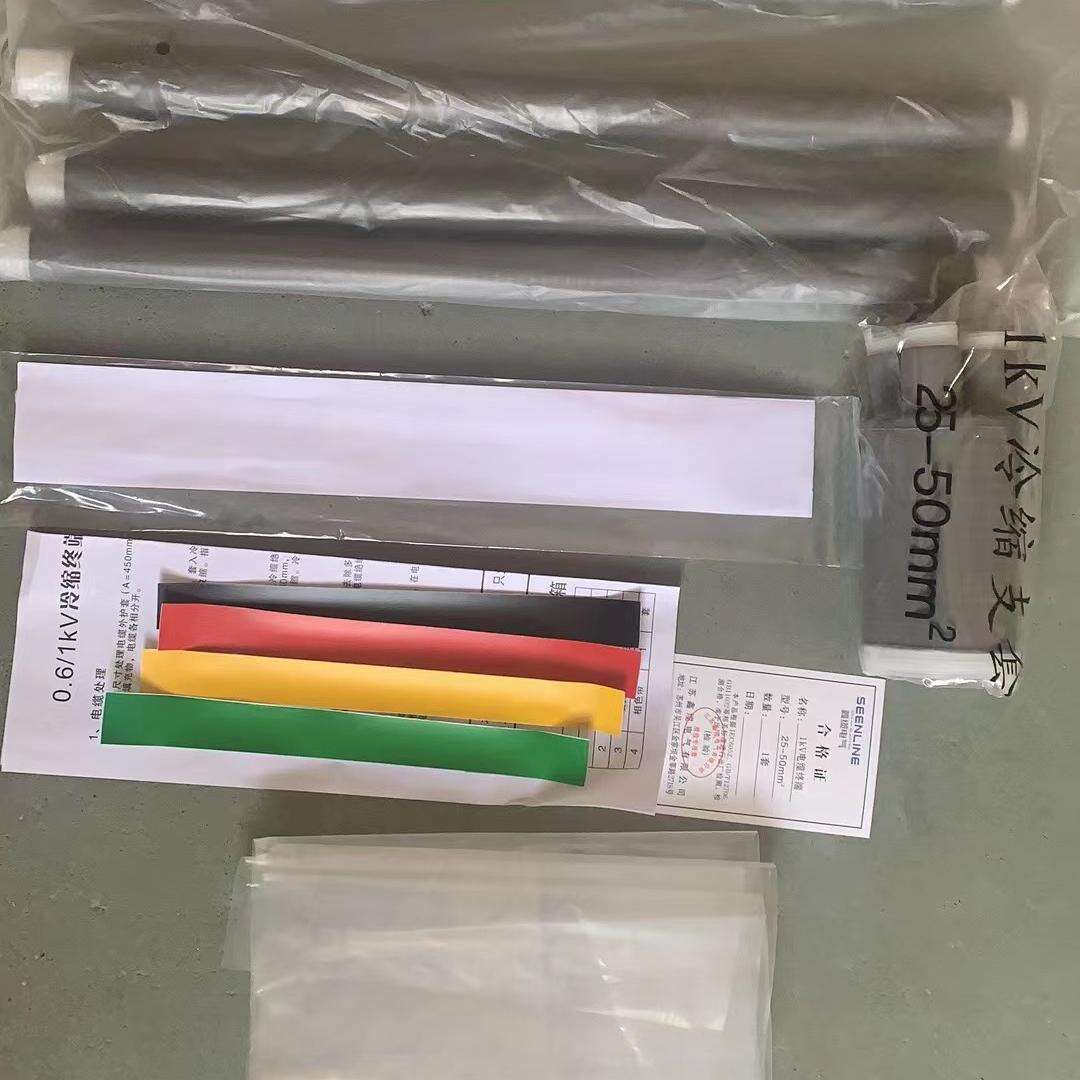
Electrical infrastructure maintenance represents one of the most significant ongoing expenses for utility companies, industrial facilities, and commercial enterprises worldwide. As energy demands continue to rise and grid systems become increasingly complex, facility managers are constantly seeking innovative solutions to reduce operational costs while maintaining system reliability. Among the most promising developments in this field are cold cable accessories, which offer substantial long-term maintenance savings compared to traditional heat-shrinkable alternatives. These advanced components utilize elastomeric materials and mechanical installation methods that eliminate the need for specialized heating equipment, skilled technicians, and extensive downtime during installation and repairs.
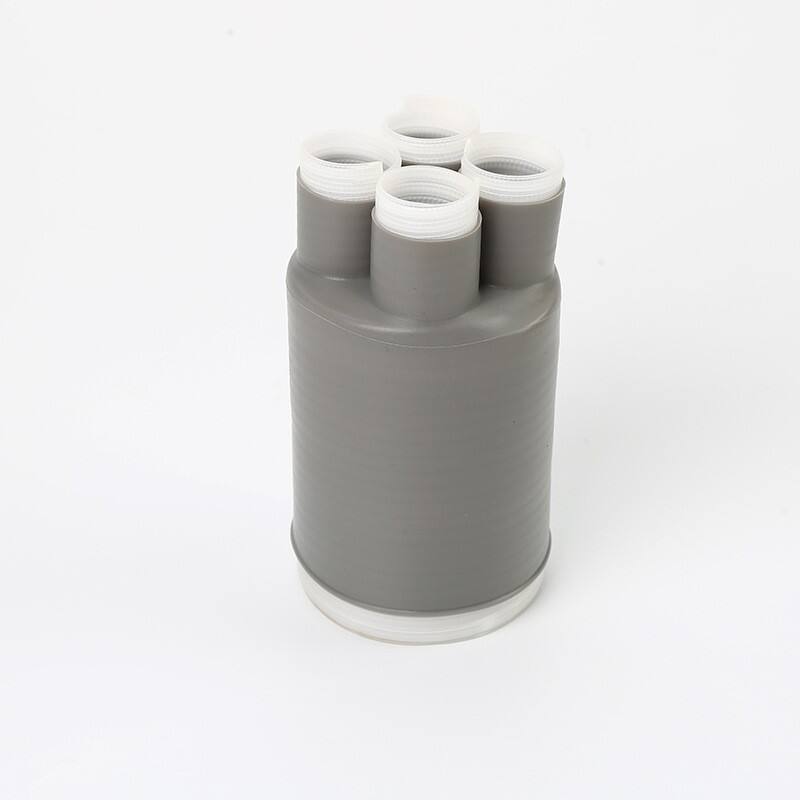
The economic impact of maintenance strategies in electrical systems extends far beyond immediate repair costs, encompassing factors such as system downtime, labor requirements, inventory management, and equipment longevity. Traditional cable accessories often require specialized installation procedures, ongoing monitoring, and periodic replacement due to material degradation over time. In contrast, modern cold-applied solutions provide enhanced durability and simplified maintenance protocols that significantly reduce total cost of ownership throughout the system lifecycle.
Understanding the financial implications of different cable accessory technologies requires a comprehensive analysis of both direct and indirect costs associated with installation, operation, and maintenance activities. This evaluation must consider factors such as material costs, labor requirements, system reliability, environmental conditions, and long-term performance characteristics that influence overall economic viability.
Understanding Cold Cable Technology
Material Composition and Design Principles
Cold cable accessories utilize advanced elastomeric compounds and silicone rubber materials engineered to provide superior electrical insulation and mechanical protection without requiring heat activation during installation. These materials maintain their flexible properties across a wide temperature range, ensuring consistent performance in various environmental conditions. The molecular structure of these polymers provides excellent resistance to ultraviolet radiation, ozone exposure, and chemical contamination that commonly cause degradation in traditional cable accessories.
The design philosophy behind cold-applied technology focuses on simplicity and reliability, incorporating pre-stretched components that contract uniformly around cable conductors to create secure, weatherproof seals. This approach eliminates potential installation errors associated with heat application timing, temperature control, and cooling procedures that can compromise system integrity when not executed properly.
Installation Methodology and Equipment Requirements
The installation process for cold cable accessories requires minimal specialized equipment compared to heat-shrinkable alternatives, typically involving only basic hand tools and measurement devices. Technicians can complete installations without flame torches, heat guns, or electrical heating elements, significantly reducing safety risks and equipment costs. This simplified approach also eliminates the need for power sources in remote locations, making cold accessories particularly valuable for underground installations and rural distribution systems.
Installation procedures follow standardized protocols that minimize variation between different technicians, reducing the likelihood of human error and ensuring consistent quality across multiple projects. The elimination of heating requirements also removes timing constraints associated with thermal cycles, allowing installers greater flexibility in work scheduling and project management.
Direct Cost Analysis
Material and Component Pricing
While initial procurement costs for cold cable accessories may appear higher than conventional heat-shrinkable products, comprehensive cost analysis reveals significant long-term savings through reduced auxiliary equipment requirements and simplified inventory management. The elimination of heating equipment, fuel supplies, and related consumables creates immediate operational savings that accumulate substantially over time.
Material costs for cold accessories remain relatively stable due to their simplified manufacturing processes and reduced dependency on energy-intensive production methods. This stability provides predictable budgeting advantages for large-scale projects and long-term maintenance planning, allowing facility managers to accurately forecast expenses and optimize procurement strategies.
Labor and Installation Expenses
Labor costs associated with cold cable accessory installation typically represent 30-40% savings compared to heat-shrinkable alternatives, primarily due to reduced installation time and simplified skill requirements. Technicians can complete cold installations without extensive specialized training, reducing certification costs and expanding the available workforce for maintenance activities. The elimination of heating procedures also reduces installation time by an average of 25-35%, allowing maintenance teams to complete more work within standard shift schedules.
Safety improvements inherent in cold installation methods reduce insurance costs and liability exposure while eliminating expenses related to flame permits, fire watch personnel, and specialized safety equipment. These factors contribute to substantial indirect labor savings that compound over time as maintenance programs expand and evolve.
Operational Benefits and Maintenance Reduction
System Reliability and Performance Characteristics
Cold cable accessories demonstrate superior long-term reliability compared to traditional alternatives, with failure rates typically 50-60% lower over extended operational periods. This enhanced reliability stems from the elimination of thermal stress concentrations that commonly develop at heat-shrink interfaces, reducing the likelihood of premature failure and associated emergency repair costs. The uniform stress distribution achieved through cold installation methods also minimizes mechanical fatigue in cable conductors and surrounding components.
Environmental resistance properties of cold accessories provide consistent performance across diverse operating conditions, reducing the need for specialized products tailored to specific climate zones or contamination levels. This versatility simplifies inventory management and reduces procurement complexity while ensuring optimal system performance regardless of installation location.
Preventive Maintenance Requirements
Preventive maintenance schedules for systems utilizing cold cable accessories typically require 40-50% fewer inspection intervals compared to heat-shrinkable installations, due to the enhanced stability and durability of elastomeric materials. Visual inspections can identify potential issues more easily with cold accessories, as material degradation patterns are more predictable and detectable through routine monitoring procedures.
The elimination of thermal cycling effects in cold accessories reduces stress concentration development and extends component service life significantly beyond traditional alternatives. This longevity translates to reduced replacement frequency and lower lifecycle maintenance costs, while improving overall system availability and reducing unplanned downtime events.
Long-term Economic Impact
Lifecycle Cost Modeling
Comprehensive lifecycle cost analysis demonstrates that cold cable accessories typically provide 25-40% total cost savings over 20-year operational periods, despite potentially higher initial procurement costs. These savings result from reduced maintenance frequency, simplified repair procedures, and extended component service life that minimizes replacement requirements. Economic modeling must account for inflation effects, labor cost escalation, and evolving maintenance practices that may influence long-term financial projections.
Net present value calculations consistently favor cold accessory implementations when discount rates reflect realistic capital costs and operational risk factors. The predictable maintenance schedule associated with cold accessories also provides valuable cash flow advantages for capital planning and budget allocation processes.
Return on Investment Considerations
Return on investment for cold cable accessory implementations typically achieves breakeven within 3-5 years through accumulated maintenance savings and reduced downtime costs. Facilities with high reliability requirements or challenging environmental conditions often realize even faster payback periods due to the enhanced performance characteristics of cold technology.
Investment analysis should consider factors such as avoided costs for specialized equipment, reduced training requirements, and improved safety performance that contribute to overall economic benefits beyond direct maintenance savings. These intangible benefits often represent significant value creation that traditional cost accounting methods may underestimate.
Industry Applications and Case Studies
Utility Infrastructure Applications
Electric utility companies have documented substantial maintenance cost reductions following widespread adoption of cold cable accessories in distribution networks, particularly in underground systems where installation access is limited and repair costs are elevated. Major utilities report average maintenance cost reductions of 35-45% over five-year periods following cold accessory implementation programs.
Rural electrification projects demonstrate particular benefit from cold technology due to the elimination of specialized equipment transportation requirements and reduced dependence on highly skilled technician availability. These advantages make cold accessories especially valuable for utilities serving remote communities or operating in challenging geographic conditions.
Industrial and Commercial Implementations
Manufacturing facilities and commercial complexes utilizing cold cable accessories report improved maintenance scheduling flexibility and reduced emergency repair frequency compared to traditional systems. The predictable performance characteristics of cold accessories enable more effective preventive maintenance programs and reduce the likelihood of production disruptions caused by electrical system failures.
Data centers and critical facility applications benefit significantly from the enhanced reliability and simplified maintenance procedures associated with cold accessories, as system downtime costs in these environments can exceed thousands of dollars per minute. The improved Mean Time Between Failures achieved with cold technology provides substantial operational value in mission-critical applications.
FAQ
How much can facilities typically save on maintenance costs using cold cable accessories
Facilities implementing cold cable accessories typically achieve maintenance cost savings of 25-40% over traditional heat-shrinkable systems during 20-year operational periods. These savings result from reduced labor requirements, simplified installation procedures, extended component service life, and decreased failure rates. Actual savings may vary based on installation environment, system complexity, and existing maintenance practices.
What factors should be considered when evaluating cold cable accessory investments
Key evaluation factors include initial procurement costs, installation labor requirements, long-term reliability expectations, environmental operating conditions, maintenance workforce capabilities, and system criticality levels. Comprehensive lifecycle cost analysis should account for both direct expenses and indirect benefits such as improved safety, reduced downtime, and enhanced maintenance scheduling flexibility.
Are cold cable accessories suitable for all electrical system applications
Cold cable accessories are suitable for most medium and low voltage applications, particularly in underground distribution systems, industrial facilities, and commercial installations. However, specific application suitability depends on voltage levels, environmental conditions, mechanical stress requirements, and existing system configurations. Consultation with qualified electrical engineers is recommended for critical or specialized applications.
How do environmental conditions affect cold cable accessory performance and maintenance costs
Cold cable accessories demonstrate excellent performance across diverse environmental conditions, including temperature extremes, high humidity, chemical exposure, and UV radiation. Their superior environmental resistance typically reduces maintenance requirements compared to traditional accessories, particularly in challenging conditions such as coastal environments, industrial facilities, or underground installations where moisture and contamination are concerns.
Table of Contents
- Understanding Cold Cable Technology
- Direct Cost Analysis
- Operational Benefits and Maintenance Reduction
- Long-term Economic Impact
- Industry Applications and Case Studies
-
FAQ
- How much can facilities typically save on maintenance costs using cold cable accessories
- What factors should be considered when evaluating cold cable accessory investments
- Are cold cable accessories suitable for all electrical system applications
- How do environmental conditions affect cold cable accessory performance and maintenance costs