
 EN
EN
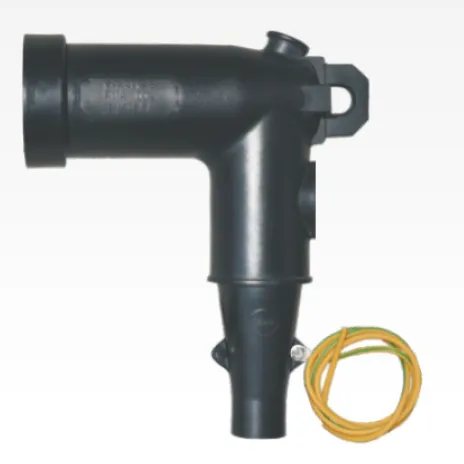
Underground power networks represent the backbone of modern electrical infrastructure, requiring specialized components that can withstand harsh subterranean conditions while maintaining optimal performance. The selection of appropriate cold cable accessories plays a crucial role in ensuring reliable power transmission and distribution across these complex systems. These specialized components must deliver consistent electrical performance in challenging environments where temperature fluctuations, moisture exposure, and physical stress create demanding operational conditions. Understanding the critical factors involved in choosing the right accessories can significantly impact network reliability, maintenance costs, and overall system longevity.
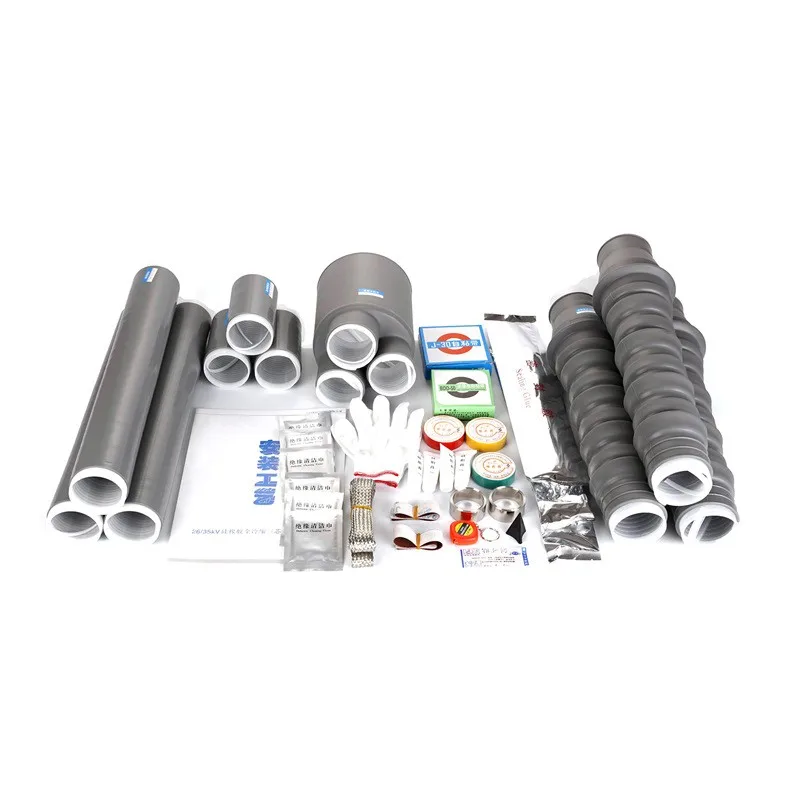
Understanding Cold Shrink Technology in Underground Applications
Fundamentals of Cold Shrink Cable Systems
Cold shrink technology represents a revolutionary advancement in cable accessory design, eliminating the need for heat application during installation. This innovative approach utilizes pre-expanded silicone rubber components that contract naturally when support cores are removed, creating secure, weatherproof seals around cable connections. The technology offers significant advantages in underground installations where space constraints and environmental conditions often make traditional heat shrink methods impractical or potentially dangerous.
The core principle behind cold cable accessories lies in their molecular structure, which allows the silicone rubber to maintain elasticity across extreme temperature ranges. This characteristic proves essential in underground environments where seasonal temperature variations can cause significant expansion and contraction in cable systems. The pre-stressed nature of these materials ensures consistent pressure application, creating reliable electrical and environmental seals that maintain their integrity throughout the accessory's operational lifespan.
Performance Characteristics in Subterranean Environments
Underground installations present unique challenges that cold cable accessories are specifically designed to address. The constant exposure to moisture, varying soil conditions, and potential chemical contamination requires accessories with superior environmental resistance. Cold shrink technology excels in these conditions due to its inherent moisture resistance and chemical stability, providing long-term protection against degradation that commonly affects other cable accessory types.
Temperature stability represents another critical performance factor in underground applications. Cold cable accessories maintain their electrical and mechanical properties across temperature ranges typically encountered in buried installations, from freezing winter conditions to elevated summer temperatures. This thermal stability ensures consistent dielectric strength and prevents the thermal cycling failures that can plague less resilient accessory technologies in demanding underground environments.
Technical Specifications and Voltage Requirements
Voltage Rating Considerations for Underground Networks
Selecting appropriate voltage ratings for cold cable accessories requires careful consideration of both nominal operating voltages and potential overvoltage conditions. Underground power networks typically operate at medium to high voltage levels, ranging from 15kV to 35kV in distribution applications, with transmission systems extending to much higher voltages. The selected accessories must not only handle normal operating conditions but also withstand lightning-induced surges, switching transients, and other overvoltage phenomena that commonly occur in electrical networks.
Proper voltage rating selection involves understanding the relationship between cable system voltage, insulation coordination principles, and safety margins required for reliable operation. Cold cable accessories must provide adequate dielectric strength while maintaining compact dimensions suitable for underground vault installations. The dielectric properties of silicone rubber used in these accessories offer excellent electrical performance, but proper sizing and specification remain critical for ensuring long-term reliability and preventing costly failures.
Insulation and Dielectric Performance Standards
The insulation performance of cold cable accessories directly impacts their suitability for underground applications. Key parameters include dielectric strength, dissipation factor, and tracking resistance, all of which must meet or exceed industry standards for the intended voltage class. Silicone rubber insulation systems typically demonstrate superior performance compared to alternative materials, particularly in contaminated environments where surface tracking can lead to progressive insulation failure.
Dielectric strength testing protocols for cold cable accessories typically involve both dry and wet testing conditions to simulate real-world operating environments. The accessories must maintain their insulation properties when exposed to moisture, demonstrating the robust performance required for underground installations. Understanding these performance characteristics helps engineers select accessories that will provide reliable service throughout their intended operational lifespan.
Installation Environment and Compatibility Factors
Underground Vault and Manhole Considerations
Underground electrical installations often occur in confined spaces with limited accessibility, making the selection of appropriate cold cable accessories critical for successful project completion. Vault and manhole environments present unique challenges including restricted working space, potential flooding, and limited ventilation that can affect both installation procedures and long-term accessory performance. The compact design and installation simplicity of cold shrink accessories make them particularly well-suited for these challenging environments.
Space optimization becomes crucial when selecting cold cable accessories for underground installations. Traditional methods may require additional clearances for tooling and heat application, while cold shrink technology eliminates these requirements. This advantage proves especially valuable in retrofit applications where existing infrastructure limits available space for new installations or modifications. The ability to complete installations quickly and efficiently in confined spaces reduces project costs and minimizes system downtime.
Cable System Integration and Compatibility
Successful integration of cold cable accessories requires careful consideration of cable construction, conductor materials, and insulation systems. Different cable types, including XLPE, EPR, and paper-insulated cables, may require specific accessory configurations to ensure proper electrical and mechanical performance. The flexibility of cold shrink technology allows for accommodation of various cable constructions while maintaining standardized installation procedures.
Conductor compatibility represents another critical factor in accessory selection. Aluminum and copper conductors require different connection methods and materials to prevent galvanic corrosion and ensure reliable electrical contact. Cold cable accessories incorporate compatible connector systems and stress control materials that work effectively with different conductor types, providing versatile solutions for diverse underground network requirements. Proper material selection prevents long-term degradation and maintains system reliability throughout the accessory's service life.
Environmental Protection and Durability Requirements
Moisture and Chemical Resistance Properties
Underground environments expose cold cable accessories to various moisture conditions, from occasional condensation to complete submersion during flooding events. The silicone rubber materials used in quality accessories provide excellent moisture resistance, preventing water ingress that could lead to electrical failures or corrosion of internal components. This moisture protection proves essential for maintaining reliable operation in challenging underground conditions where traditional sealing methods may prove inadequate.
Chemical resistance capabilities of cold cable accessories become particularly important in industrial areas where soil contamination or groundwater pollution may expose underground installations to corrosive substances. High-quality silicone rubber formulations resist degradation from oils, acids, and other chemical contaminants commonly encountered in urban and industrial environments. This chemical stability ensures that accessories maintain their protective properties throughout their operational lifespan, even when exposed to aggressive environmental conditions.
Thermal Cycling and Mechanical Stress Management
Temperature variations in underground installations create mechanical stresses that can compromise the integrity of cable accessories over time. Cold cable accessories must accommodate thermal expansion and contraction of both the cable system and surrounding infrastructure while maintaining secure electrical connections and environmental seals. The elastic properties of silicone rubber allow these accessories to flex with thermal movements, preventing stress concentrations that could lead to premature failure.
Mechanical stress management extends beyond thermal considerations to include handling during installation, earth movement, and potential impacts from maintenance activities. Quality cold cable accessories incorporate stress relief features and robust construction that can withstand the mechanical demands of underground service. The pre-stressed nature of cold shrink materials provides consistent pressure application that maintains performance even under varying mechanical loads, ensuring reliable long-term operation in demanding underground environments.
Selection Criteria and Performance Optimization
Electrical Performance Verification Methods
Verifying the electrical performance of cold cable accessories requires comprehensive testing protocols that evaluate both initial performance and long-term reliability characteristics. Standard test procedures include impulse voltage testing, power frequency testing, and partial discharge measurements that confirm the accessories meet specified electrical requirements. These tests simulate the electrical stresses encountered in actual service conditions, providing confidence in the selected accessories' ability to perform reliably in underground applications.
Long-term performance verification involves accelerated aging tests that expose cold cable accessories to elevated temperatures, moisture, and electrical stress to predict service life expectations. These tests help identify potential failure modes and validate the accessories' ability to maintain performance throughout their intended operational period. Understanding these test results enables informed selection decisions that balance initial costs with long-term reliability requirements for underground power network applications.
Cost-Benefit Analysis and Lifecycle Considerations
Evaluating cold cable accessories requires consideration of both initial procurement costs and long-term operational expenses including maintenance, replacement, and system downtime costs. While premium accessories may command higher initial prices, their superior reliability and extended service life often result in lower total cost of ownership over the system's operational lifespan. This economic analysis becomes particularly important for critical underground networks where failures can result in significant outage costs and service disruptions.
Lifecycle cost analysis should incorporate factors such as installation labor requirements, maintenance accessibility, and expected service life when comparing different cold cable accessories options. The simplified installation procedures associated with cold shrink technology can result in significant labor cost savings, particularly in confined underground spaces where traditional installation methods may be time-consuming and complex. These factors often justify the selection of premium cold cable accessories based on overall economic benefits rather than initial cost considerations alone.
Installation Best Practices and Quality Assurance
Preparation and Installation Procedures
Proper installation of cold cable accessories begins with thorough preparation of cable ends and connection hardware to ensure optimal electrical and mechanical performance. Surface preparation requirements include cleaning, deburring, and dimensional verification to ensure compatibility with the selected accessories. The quality of preparation work directly impacts the reliability and longevity of the installed accessories, making careful attention to these details essential for successful underground installations.
Installation procedures for cold cable accessories emphasize simplicity and repeatability, reducing the potential for installation errors that could compromise system performance. The elimination of heat requirements and specialized tooling makes these accessories particularly suitable for underground environments where working conditions may be challenging. Standardized installation procedures help ensure consistent quality while reducing training requirements and installation time compared to more complex accessory technologies.
Quality Control and Testing Protocols
Post-installation testing of cold cable accessories provides verification that installations meet specified performance requirements and helps identify any installation defects before system energization. Standard testing protocols include insulation resistance measurements, high-voltage testing, and visual inspections that confirm proper installation and performance characteristics. These tests provide confidence in system reliability and help prevent costly failures after network commissioning.
Documentation and quality assurance procedures ensure that cold cable accessories installations maintain traceability and compliance with applicable standards and specifications. Proper documentation includes material certifications, test results, and installation records that provide valuable information for future maintenance and troubleshooting activities. This comprehensive approach to quality assurance helps maximize the reliability and service life of underground power network installations while minimizing long-term maintenance requirements.
FAQ
What are the main advantages of cold cable accessories over heat shrink alternatives in underground applications
Cold cable accessories offer several significant advantages over heat shrink alternatives in underground installations. They eliminate the need for heat sources and specialized tooling, making installation safer and more practical in confined spaces. The pre-expanded silicone rubber construction provides superior environmental resistance and maintains consistent performance across extreme temperature ranges commonly encountered in underground environments. Additionally, cold shrink technology reduces installation time and complexity while providing excellent long-term reliability in challenging subterranean conditions.
How do I determine the correct voltage rating for cold cable accessories in my underground network
Determining the correct voltage rating requires consideration of both the nominal system voltage and potential overvoltage conditions. The accessories must be rated for at least the maximum system voltage, with additional safety margins to handle lightning surges, switching transients, and other abnormal conditions. Consult applicable electrical codes and standards for your region, and consider factors such as insulation coordination requirements and system grounding methods. It's advisable to work with qualified engineers to ensure proper voltage rating selection for critical underground power network applications.
What environmental factors should I consider when selecting cold cable accessories for underground use
Key environmental factors include temperature extremes, moisture exposure, soil chemistry, and potential contamination from industrial activities. Underground installations may experience seasonal temperature variations, periodic flooding, and exposure to corrosive substances in soil or groundwater. Cold cable accessories should demonstrate appropriate resistance to these conditions through material selection and design features. Consider the specific environmental conditions at your installation site and select accessories with performance characteristics that exceed the expected environmental stresses to ensure reliable long-term operation.
How often should cold cable accessories be inspected or maintained in underground power networks
Cold cable accessories typically require minimal maintenance due to their robust construction and environmental resistance. However, periodic inspections should be conducted as part of regular network maintenance programs, particularly after extreme weather events or ground disturbances. Visual inspections can identify any physical damage or displacement, while electrical testing may be warranted if system performance issues are detected. The specific inspection frequency should be based on system criticality, environmental conditions, and manufacturer recommendations, typically ranging from annual visual inspections to comprehensive electrical testing every 5-10 years depending on application requirements.
Table of Contents
- Understanding Cold Shrink Technology in Underground Applications
- Technical Specifications and Voltage Requirements
- Installation Environment and Compatibility Factors
- Environmental Protection and Durability Requirements
- Selection Criteria and Performance Optimization
- Installation Best Practices and Quality Assurance
-
FAQ
- What are the main advantages of cold cable accessories over heat shrink alternatives in underground applications
- How do I determine the correct voltage rating for cold cable accessories in my underground network
- What environmental factors should I consider when selecting cold cable accessories for underground use
- How often should cold cable accessories be inspected or maintained in underground power networks