
 EN
EN
Integrating electrical infrastructure across international borders presents significant technical challenges, particularly when dealing with cable systems compatibility between American and European standards. The voltage, frequency, connector design, and insulation requirements differ substantially between these two regions, making proper compatibility assessment essential before any installation or upgrade project. Understanding these differences and implementing the right solutions ensures safe operation, regulatory compliance, and long-term system reliability.
Whether you are expanding manufacturing operations internationally, upgrading power distribution networks, or retrofitting existing installations, achieving cable systems compatibility requires detailed technical knowledge and careful planning. This guide explores the fundamental differences between American and European electrical standards, the practical steps for verifying cable systems compatibility, and the solutions that enable seamless integration across regions.
Understanding Voltage and Frequency Differences
American Electrical Standards
American power systems operate at 120/240 volts in residential applications and 277/480 volts in industrial environments, with a standard frequency of 60 Hz. These standards have been in place for over a century and are governed by the National Electrical Code (NEC) and American National Standards Institute (ANSI) specifications. Industrial facilities across the United States rely on these voltage levels and frequencies for all their electrical equipment and cable systems compatibility must align with these parameters. Cable systems compatibility in American facilities means ensuring that conductors, insulators, and connectors are rated specifically for these voltage and frequency ranges.
European Electrical Standards
European countries predominantly use 230/400 volts in industrial and commercial applications, with a standard frequency of 50 Hz. This system is defined by International Electrotechnical Commission (IEC) standards and varies slightly across European nations, though most follow the IEC framework closely. The lower frequency in European systems affects cable systems compatibility because it influences electromagnetic behavior, heat generation, and dielectric properties of insulation materials. Achieving cable systems compatibility between regions means accounting for these frequency differences in cable design and selection.
Connector and Mechanical Design Requirements
Physical Connector Incompatibility
American and European standards employ fundamentally different connector designs that prevent direct physical mating, which serves as a safety feature preventing unsafe connections. American connectors typically use NEMA standards, featuring threaded designs and specific pin configurations that differ from IEC-based European connectors. This mechanical incompatibility ensures that cable systems compatibility is maintained by preventing accidental mismatches between systems designed for different operating parameters. Proper cable systems compatibility assessment must include detailed connector type verification before any integration attempt.
Insulation and Safety Requirements
European cables, particularly high-voltage applications, often feature enhanced silicone insulation designed for specific European safety standards and environmental conditions. American cable systems compatibility standards emphasize different insulation materials and thickness specifications, optimizing for North American environmental and operational factors. When establishing cable systems compatibility across regions, insulation material compatibility becomes critical because improper insulation can lead to safety failures, regulatory violations, and equipment damage. Both systems employ robust safety standards, but the specific requirements differ enough that cable systems compatibility requires careful material selection and testing.
Implementation Steps for Ensuring Compatibility
Comprehensive System Assessment
The foundation of achieving cable systems compatibility lies in conducting a thorough assessment of your existing infrastructure and integration requirements. This assessment must document all voltage levels, frequencies, current capacities, environmental conditions, and regulatory requirements for both the American and European systems involved. Detailed cable systems compatibility documentation ensures that engineers can identify potential conflict points and design appropriate solutions before installation begins. This step prevents costly retrofits and safety issues that arise from inadequate planning.
Selecting Compatible Equipment and Solutions
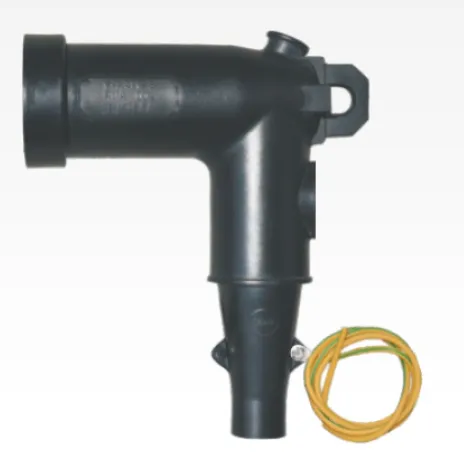
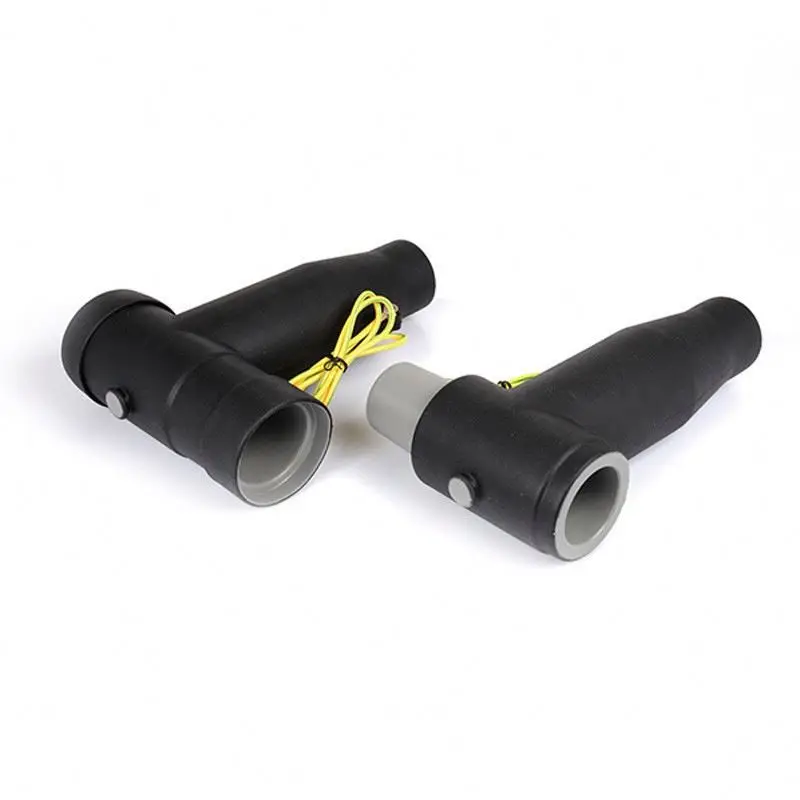
Once your assessment identifies cable systems compatibility requirements, selecting appropriate transitional equipment becomes essential. Step-down or step-up transformers can bridge voltage differences, while frequency converters can address the 50 Hz to 60 Hz variation between regions. For high-voltage applications requiring European specifications, such as systems rated for 10 kV operation with enhanced rear connector designs and silicone insulation, specialized cables with proper cable systems compatibility ratings ensure safe integration. Consulting with experienced electrical engineers familiar with both American and European standards strengthens your cable systems compatibility strategy.
Testing and Certification
After implementing cable systems compatibility solutions, comprehensive testing validates that the integrated system meets all applicable safety and performance standards. Cable systems compatibility testing includes insulation resistance measurements, voltage withstand tests, temperature cycling, and functional load tests under real operational conditions. Certification from accredited testing laboratories provides documentation that cable systems compatibility meets both American and European regulatory requirements. This documentation becomes critical for compliance verification, insurance purposes, and future troubleshooting if system issues arise.
FAQ
What are the main differences affecting cable systems compatibility between regions?
The primary differences affecting cable systems compatibility include voltage levels (120/240V or 277/480V in America versus 230/400V in Europe), frequency standards (60 Hz in America versus 50 Hz in Europe), connector designs (NEMA versus IEC standards), insulation specifications, and safety code requirements. These variations necessitate different cable ratings, materials, and installation practices. Cable systems compatibility cannot be achieved by simply connecting American cables to European systems without proper intermediate equipment and testing, as doing so risks equipment failure, safety hazards, and regulatory violations.
Can I directly connect American cables to European equipment?
Direct connection of American cables to European equipment is not recommended and typically unsafe due to cable systems compatibility issues. The physical connectors are incompatible by design, and even if mechanical connections could be forced, the electrical parameters would create unsafe operating conditions. Cable systems compatibility requires using appropriate transformers, converters, or specially designed transition cables that meet both standards. Professional electrical engineers should oversee any cross-regional integration to ensure cable systems compatibility and regulatory compliance.
How long does the cable systems compatibility verification process typically take?
The timeline for cable systems compatibility verification depends on system complexity, ranging from days for simple applications to several weeks for complex industrial installations. Initial assessment and documentation typically require 3 to 7 days, solution design and equipment procurement take 1 to 2 weeks, installation and testing may take another 1 to 3 weeks depending on system scope. For cable systems compatibility across multiple systems or facilities, the entire process can extend to 2 to 3 months. Planning adequate time for cable systems compatibility ensures thorough testing and reduces the risk of operational disruptions.