
 EN
EN
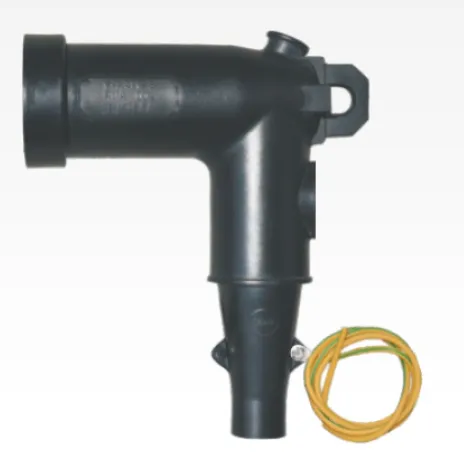
Heat shrink tubing represents one of the most practical and cost-effective solutions for protecting cables, wires, and electrical connections in industrial and consumer applications. When properly applied, heat shrink tubing provides a durable protective layer that shields conductors from environmental hazards, mechanical stress, and operational wear. Understanding what heat shrink tubing is and how it works to protect cables is essential for anyone involved in electrical assembly, maintenance, or repair work. Heat shrink tubing has become an industry standard because it offers reliable, consistent performance across diverse environments and applications.
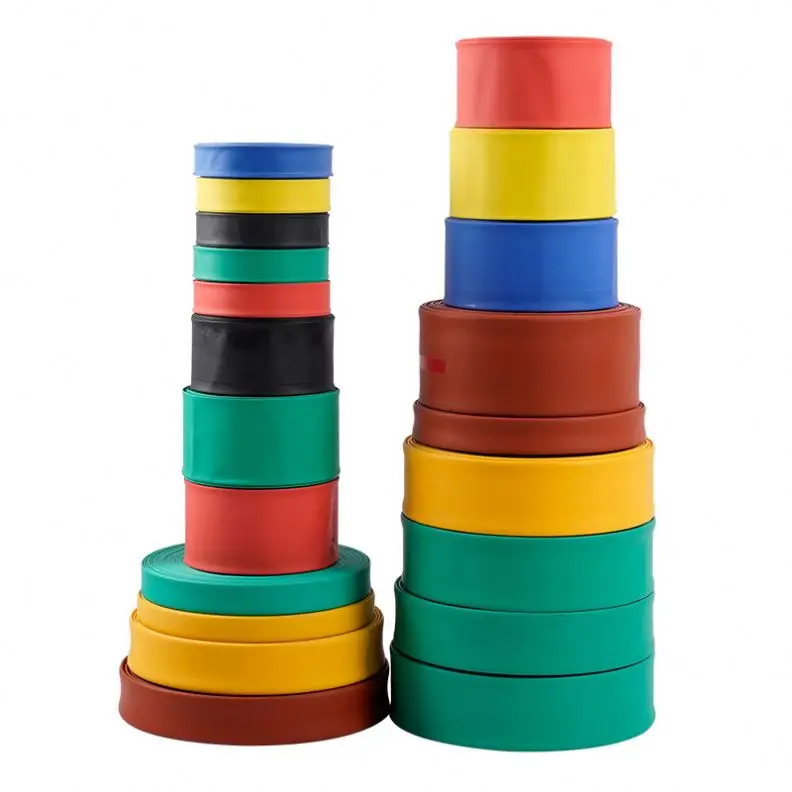
The fundamental principle behind heat shrink tubing lies in its material composition and thermal properties. Heat shrink tubing is manufactured from cross-linked polymer materials, typically polyolefin or fluoropolymer compounds, which have been specially engineered to shrink when exposed to heat. This shrinking action creates a tight, conforming fit around cables and connectors, forming a protective seal that prevents moisture infiltration, protects against chemical exposure, and strengthens mechanical integrity. Whether you are working in telecommunications, automotive, aerospace, or general electrical maintenance, heat shrink tubing provides affordable protection that extends cable lifespan and improves system reliability.
Understanding Heat Shrink Tubing Composition and Materials
Core Material Properties of Heat Shrink Tubing
Heat shrink tubing is produced from materials specifically chosen for their thermal memory characteristics. The most common formulation uses polyolefin, a polymer that is heated during manufacturing and then mechanically expanded to a larger diameter. During this expansion process, the molecular structure becomes aligned and stressed, essentially programming the material to return to its original smaller diameter when heat is reapplied. This thermal memory is the defining characteristic that makes heat shrink tubing function. Different grades of heat shrink tubing offer varying shrink ratios, typically ranging from 2:1 to 4:1, meaning the tubing can shrink to one-half or one-quarter of its expanded diameter when heated.
Selection of Heat Shrink Tubing for Different Applications
When selecting heat shrink tubing for your specific application, material composition becomes critical. Standard polyolefin heat shrink tubing works well for general electrical protection and indoor applications where moderate temperatures are involved. For applications requiring higher temperature resistance, such as automotive engine compartments or industrial heat-exposed environments, specialized heat shrink tubing formulations with higher shrink temperatures are necessary. Fluoropolymer-based heat shrink tubing offers superior chemical resistance and operates reliably at elevated temperatures exceeding 200 degrees Celsius. Additionally, adhesive-lined heat shrink tubing combines protective shrinking action with sealant properties, making it ideal when waterproofing and moisture barrier performance are essential requirements. Understanding these material options ensures you select heat shrink tubing that meets both the thermal and environmental demands of your specific cable protection scenario.
How Heat Shrink Tubing Works to Protect Cables
The Shrinking Mechanism and Thermal Activation
The protective mechanism of heat shrink tubing begins with proper application technique. First, you select heat shrink tubing with an expanded diameter slightly larger than the cable or connector it will cover. Next, you slide the expanded tubing over the cable section requiring protection. When heat is applied using a heat gun, infrared source, or thermal bath, the tubing begins its programmed shrinking process. As the material cools after heating, it conforms tightly to the underlying cable contours, creating a continuous protective barrier. This tight fit achieved by heat shrink tubing eliminates air pockets and ensures complete coverage. The shrinking action also increases material density, enhancing the protective barrier's mechanical strength and environmental resistance. Proper heating of heat shrink tubing requires sufficient temperature to trigger shrinkage without damaging underlying insulation or conductor materials.
Protection Mechanisms and Cable Security
Heat shrink tubing protects cables through multiple interconnected mechanisms working simultaneously. The physical barrier created by heat shrink tubing shields internal conductors from direct contact with moisture, oils, chemicals, and abrasive materials that degrade insulation performance. This moisture barrier is particularly important in marine, outdoor, and industrial environments where humidity and chemical exposure represent constant threats to cable integrity. Heat shrink tubing also provides mechanical protection by absorbing impact forces and preventing sharp objects from penetrating to underlying wires. The tight conforming fit ensures that cable joints remain mechanically stable, reducing stress concentrations that could lead to wire breakage or connection failure. Furthermore, heat shrink tubing color coding enables quick visual identification of circuits, voltage levels, or cable functions, improving maintenance efficiency and reducing installation errors. The cumulative protective effect of heat shrink tubing significantly extends cable service life while reducing maintenance costs and system downtime.
Industrial Applications and Installation Best Practices
Common Industrial and Electrical Applications
Heat shrink tubing finds essential use across virtually every industrial sector and electrical application domain. In telecommunications infrastructure, heat shrink tubing protects fiber optic connectors and copper cable terminations from environmental contamination and mechanical damage. Automotive manufacturers depend on heat shrink tubing to seal connector joints and protect wiring harnesses from engine compartment heat, oil exposure, and vibration stress. Aerospace applications require specialized aerospace-grade heat shrink tubing that meets stringent flammability and outgassing standards while maintaining protection in extreme temperature variations. Power distribution systems utilize heat shrink tubing for phase separation and insulation enhancement at connection points. Medical device manufacturers employ heat shrink tubing for sterilizable cable protection that maintains electrical safety during repeated decontamination cycles. Understanding the specific requirements of your industry helps ensure you select heat shrink tubing products that deliver appropriate protection levels for your operational environment.
Proper Installation Techniques for Heat Shrink Tubing
Successful heat shrink tubing application requires following established best practices to ensure optimal protection performance. Always select heat shrink tubing with sufficient length to cover the entire region requiring protection, plus adequate overlap onto each adjoining insulation section. Cut heat shrink tubing using sharp scissors or specialized cutting tools to prevent fraying that compromises the finished appearance. Slide the unexpanded heat shrink tubing onto the cable before making connections, since installation after connections are complete becomes significantly more difficult. When applying heat, use consistent heat gun movement to ensure uniform heating across the entire heat shrink tubing length, avoiding concentrated heat that could cause material degradation or localized thin spots. Optimal heating temperature depends on the specific heat shrink tubing material formulation, but most standard polyolefin products require temperatures between 80 and 120 degrees Celsius. Allow adequate cooling time after heating to ensure the heat shrink tubing fully sets and achieves maximum shrink force and material density. Improper installation technique, such as excessive heat or insufficient coverage, can compromise the protective benefits that heat shrink tubing is designed to provide.
FAQ
What temperature should I use when applying heat shrink tubing?
The appropriate temperature for heat shrink tubing application depends on the specific material formulation. Standard polyolefin heat shrink tubing typically shrinks effectively at temperatures between 80 and 120 degrees Celsius, while premium heat shrink tubing varieties may require temperatures up to 200 degrees Celsius or higher. Always consult the manufacturer's specifications for your particular heat shrink tubing product before applying heat. Using temperature settings below the recommended range results in incomplete shrinkage, leaving gaps that reduce protection effectiveness. Conversely, excessive temperature can damage the heat shrink tubing material or harm underlying cable insulation. A quality heat gun with adjustable temperature settings allows precise control for consistent, reliable heat shrink tubing application across different products and scenarios.
Can heat shrink tubing be used on live electrical connections?
No, heat shrink tubing should never be applied to live or energized electrical connections due to safety hazards. Always de-energize circuits completely before applying heat shrink tubing to any cable or connection. Applying heat to energized connections creates shock hazards, fire risks, and potential damage to the heat shrink tubing material from electrical arcing. Additionally, the heat source used to shrink the tubing could contact live conductors, creating dangerous conditions for the technician. Safety protocols require complete circuit de-energization and verification of zero voltage before any cable modification work, including heat shrink tubing installation. This fundamental safety practice protects both equipment integrity and worker safety during all cable protection and maintenance operations.
How long does heat shrink tubing last and when should it be replaced?
Quality heat shrink tubing can provide reliable protection for ten years or longer when properly installed and exposed to appropriate environmental conditions. However, lifespan depends significantly on the specific operating environment, material formulation, and ongoing cable usage patterns. Heat shrink tubing exposed to continuous UV radiation, extreme temperatures, or chemical environments may degrade more rapidly than tubing in controlled indoor settings. Regular visual inspection of heat shrink tubing remains essential for identifying signs of deterioration such as cracking, discoloration, or material separation from underlying cables. If heat shrink tubing appears damaged, discolored, or is no longer providing adequate contact with the cable, replacement should be performed to maintain protection effectiveness. Preventive replacement of aging heat shrink tubing before failure occurs helps avoid unexpected system downtime and maintains consistent cable protection throughout the equipment lifespan.