
 EN
EN
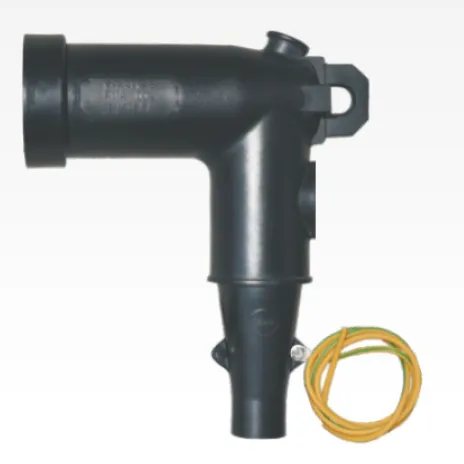
ការវិនិយោគលើហេដ្ឋារចនាសម្ប័នថាមពល គឺជាការចំណាយមូលនិធិយ៉ាងច្រើនសម្រាប់អង្គការផ្តល់សេវាថាមពល និងស្ថានភាពឧស្សាហកម្ម ដែលធ្វើឱ្យការពិចារណាលើថ្លៃដើមរយៈពេលវែងមានសារៈសំខាន់ប៉ុណ្ណោះសម្រាប់អ្នកសម្រេចចិត្ត។ គ្រឿងបន្លាស់កាប៊លត្រជាក់ បានក្លាយជាដំណោះស្រាយដែលផ្តល់នូវការផ្លាស់ប្តូរយ៉ាងធ្ងន់ធ្ងរក្នុងប្រព័ន្ធបែងចែកថាមពល ដែលផ្តល់នូវសក្ដានុពលយ៉ាងខ្លាំងក្នុងការកាត់បន្ថយថ្លៃដើមសម្រាប់ការថែទាំ ក្នុងអំឡុងពេលប្រើប្រាស់របស់វា។ គ្រឿងផ្សំច្នៃប្រឌិតទាំងនេះផ្តល់នូវភាពអាចទុកចិត្តបានកាន់តែប្រសើរ ដំណើរការដំឡើងដែលសាមញ្ញជាងមុន និងអាយុកាលប្រើប្រាស់ដែលវែងជាងមុន ប្រៀបធៀបទៅនឹងជម្រើសប្រពៃណី ដែលធ្វើឱ្យវាកាន់តែទាក់ទាញសម្រាប់អង្គការដែលស្វែងរកការបង្កើនប្រសិទ្ធិភាពនៃថ្លៃដើមសរុបរបស់ពួកគេ។
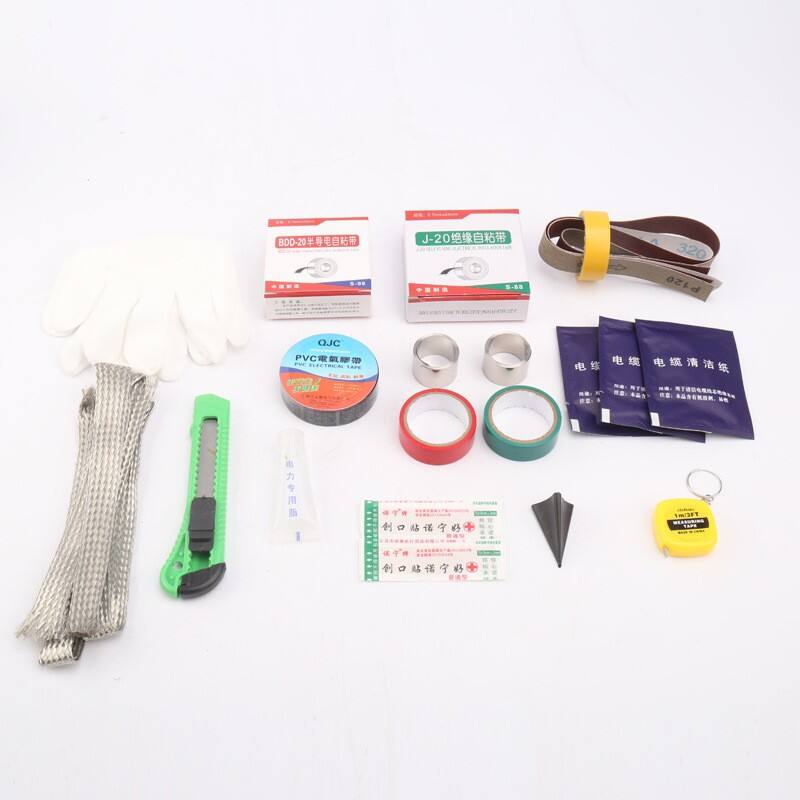
បណ្តាញអគ្គិសនីទំនើបកំពុងប្រឈមនឹងសម្ពាធកើនឡើងដើម្បីផ្តល់សមត្ថភាពដំណាំបន្តបន្ទាប់ ខណៈពេលដែលកាត់បន្ថយការរំខានដល់ការដំណាំ និងការជួសជុលឱ្យបានតិចប៉ុណ្ណោះ។ វិធីសាស្ត្របញ្ចប់ និងភ្ជាប់ខ្សែប្រពៃណីជាញឹកញាប់តម្រូវឱ្យមានជំនាញពិសេស ពេលវេលាសម្រាប់ការរៀបចំយ៉ាងទូទៅ និងការត្រួតពិនិត្យជាប្រចាំ ដើម្បីធានានូវសមត្ថភាពដំណាំបានល្អបំផុត។ ការវិវត្តន៍ទៅរកបច្ចេកវិទ្យាសង្ខេបតាមវិធីត្រជាក់ (Cold Shrinkable) បង្ហាញពីការផ្លាស់ប្តូរគំរូយ៉ាងសំខាន់ក្នុងការបង្កើត និងថែទាំការភ្ជាប់អគ្គិសនី ដែលផ្តល់នូវអត្ថប្រយោជន៍ដែលគួរឱ្យចាប់អារម្មណ៍ ហើយអាចបកប្រែបានជាក់ស្តែងជាការសន្សំប្រាក់បានច្រើនក្នុងរយៈពេលវែង។
ការយល់ដឹងអំពីបច្ចេកវិទ្យាគ្រឿងបន្លាស់ខ្សែកាប៊នៅសីតុណ្ហភាពទាប
គោលការណ៍រចនាមូលដ្ឋាន
គ្រឿងបរិក្ខារសម្រាប់ខ្សែអគ្គិសនីត្រជាក់ប្រើសារធាតុអេឡាស្ទូម៉ែរិកដែលត្រូវបានពង្រីកជាមុន ហើយដែលបង្ហាប់ចូលទៅលើខ្សែអគ្គិសនីដោយគ្មានការត្រូវការប្រភពកំដៅខាងក្រៅ ឬឧបករណ៍ស្មុគស្មាញ។ វិធីសាស្ត្រច្នេះគឺជាការច្នៃប្រឌិតថ្មី ដែលបានលុបបំបាត់ការប្រើប្រាស់ឧបករណ៍ផ្តល់កំដៅ ដូចជា កាំភ្លើងកំដៅ ឬភ្លើងភ្លឺ ឬឧបករណ៍ផ្តល់កំដៅពិសេស ដែលជាធម្មតាត្រូវបានប្រើសម្រាប់ផលិតផលដែលអាចបង្ហាប់បានដោយកំដៅ។ សារធាតុទាំងនេះត្រូវបានផលិតក្រោមលក្ខខណ្ឌរោងចក្រដែលគ្រប់គ្រងយ៉ាងតឹងរ៉ិង ហើយត្រូវបានពង្រីកទៅលើស្ករប៉ះដែលអាចដកចេញបាន ដើម្បីធានាបាននូវគុណភាព និងលក្ខណៈប្រតិបត្តិការដែលស្ថិតស្ថេរនៅលើគ្រប់ឯកតា។
សារធាតុអេឡាស្ទូម៉ែរិកដែលប្រើក្នុងគ្រឿងបរិក្ខារទាំងនេះ មានលក្ខណៈអគ្គិសនី និងយានេយ្យវិទ្យាដ៏ល្អឥតខ្ចះខ្ចាយ រួមទាំងសមត្ថភាពអ៊ីសូឡេស្យុនខ្ពស់ សមត្ថភាពទប់ទល់នឹងការប៉ះពាល់ពីបរិស្ថាន និងភាពអាចបត់ប៉ែនបានល្អឥតខ្ចះខ្ចាយនៅក្នុងជួរសីតុណ្ហភាពទូទាំង។ សារធាតុទាំងនេះរក្សាបាននូវស្ថេរភាពរបស់វា នៅក្រោមលក្ខខណ្ឌប្រតិបត្តិការដែលធ្ងន់ធ្ងរ ដែលផ្តល់នូវសមត្ថភាពអ៊ីសូឡេស្យុន និងការបិទបិតដែលអាចទុកចិត្តបាន ដែលជួយបង្កើនអាយុកាលប្រើប្រាស់ និងកាត់បន្ថយតម្រូវការថែទាំ។
គុណសម្បត្តិនៃការដំឡើង និងការសាមញ្ញភាព
ការដំឡើងគ្រឿងបន្លាស់ខ្សះសម្រាប់ខ្សែអគ្គិសនីត្រូវការការបណ្តុះបណ្តាលជំនាញពិសេសតិចណាស់ ហើយអាចធ្វើបានដោយប្រើឧបករណ៍ដៃមូលដ្ឋាន ដែលជាការកាត់បន្ថយយ៉ាងខ្លាំងនូវកម្រិតជំនាញដែលត្រូវការសម្រាប់បុគ្គលិកនៅតាមវាល។ ភាពងាយស្រួលនេះបណ្តាលមកពីការថយចុះថ្លៃការងារ ការថយចុះថ្លៃបណ្តុះបណ្តាល និងភាពរួមបញ្ចូលបានកាន់តែច្រើនក្នុងការប្រើប្រាស់កម្លាំងពលកម្ម។ ដំណាំដែលសាមញ្ញនេះក៏ជួយកាត់បន្ថយសក្ដានុពលនៃកំហុសរបស់មនុស្សផងដែរ ដែលជាកត្តាមួយដែលជាញឹកញាប់បណ្តាលឱ្យមានការបរាជ័យមុនពេលគ្រប់គ្រាន់ និងការជួសជុលបន្ទាប់មក។
សមត្ថភាពក្នុងការដំឡើងដែលមិនអាស្រ័យលើអាកាសធាតុ គឺជាអត្ថប្រយោជន៍សំខាន់មួយទៀត ព្រោះគ្រឿងបន្លាស់ខ្សះសម្រាប់ខ្សែអគ្គិសនីអាចដំឡើងបានក្នុងលក្ខខណ្ឌអាកាសធាតុអាក្រក់ ដោយគ្មានការប៉ះពាល់ដល់សមត្ថភាព ឬតម្រូវឱ្យមានការប្រ caution ពិសេស។ ភាពរួមបញ្ចូលបាននេះជួយកាត់បន្ថយការពន្យាពេលគម្រោង កាត់បន្ថយហានិភ័យដែលទាក់ទងនឹងអាកាសធាតុក្នុងការដំឡើង និងអនុញ្ញាតឱ្យក្រុមជួសជុលអាចឆ្លើយតបបានប្រសើរជាងមុនទៅនឹងការជួសជុលបន្ទាន់ ដោយមិនគិតពីលក្ខខណ្ឌបរិស្ថាន។
អត្ថប្រយោជន៍នៃភាពអាចទុកចិត្តបាន និងសមត្ថភាពប្រកបដោយស្ថេរភាពក្នុងរយៈពេលវែង
លក្ខណៈពិសេសនៃភាពធន់ទ្រាំបានកើនឡើង
លក្ខណៈគុណភាពសម្ភារៈដែលប្រសើរជាង គ្រឿងបន្លាស់ខ្សែត្រជាក់ ចូលរួមយ៉ាងសំខាន់ដល់អាយុកាលប្រើប្រាស់ដែលវែងឆ្ងាយ និងតម្រូវការថែទាំដែលថយចុះ។ ដំណាំផលិតកម្មដែលគ្រប់គ្រងដោយរោងចក្រធានាបាននូវគុណភាពសម្ភារៈដែលស្ថិតស្ថេរ ហើយប៉ុប៉ែតភាពប្រែប្រួលដែលជាទូទៅកើតឡើងជាមួយផលិតផលសំពាធក្តៅដែលអនុវត្តនៅវាល។ សារធាតុអេឡាស្ទូមេរីកដែលមានស្ថានភាពតានតឹងជាមុនផ្តល់នូវសម្ពាធទំនាញភ្លាមៗ និងអចិន្ត្រៃយ៍ ដែលបង្កើតបាននូវសំបកការពារ និងការតភ្ជាប់អគ្គិសនីដែលអាចទុកចិត្តបាន ហើយរក្សាបាននូវស្ថេរភាពរបស់វាដែលមានអាយុកាលប្រើប្រាស់រាប់ទសវត្សរ៍។
លក្ខណៈពិសេសនៃភាពធន់ទ្រាំចំពោះបរិស្ថានរបស់គ្រឿងបន្លាស់ខ្សែកាបត្រជាក់សម័យ លើសពីគ្រឿងបន្លាស់ប្រពៃណីជាច្រើន ជាពិសេសក្នុងការអនុវត្តដែលប្រឈមនឹងបញ្ហាប្រឈម ដូចជាការប៉ះទង្គិលទឹក ការប៉ះទង្គិលដោយសារសារធាតុគីមី ឬការផ្លាស់ប្តូរសីតុណ្ហភាពខ្លាំងៗ។ លក្ខណៈពិសេសនៃភាពធន់ទ្រាំបានកើនឡើងទាំងនេះបានបកប្រែដោយផ្ទាល់ទៅជាអត្រាប៉ះពាល់ដែលថយចុះ ប្រេកង់បាក់បែកដែលទាប និងចន្លោះពេលរវាងការត្រួតពិនិត្យ និងជំនួសដែលវែងឡើង។
ការបន្ថយតម្រូវការសិក្សាស្ទាបសាក និងការត្រួតពិនិត្យ
ភាពអាចទុកចិត្តបានដោយធម្មជាតិនៃគ្រឿងបរិក្ខារកាប៊លត្រជាក់ អនុញ្ញាតឱ្យអ្នកផ្តល់សេវាកម្មអគ្គិសនី និងអ្នកប្រើប្រាស់ឧស្សាហកម្ម អាចពន្យារពេលវេលានៃការត្រួតពិនិត្យ និងថយបន្ថយប្រេកង់នៃសកម្មភាពថែទាំបង្ការ។ គ្រឿងបរិក្ខារកាប៊លបែបប្រពៃណី ជាញឹកញាប់តម្រូវឱ្យមានការត្រួតពិនិត្យដោយភ្នែកជាប្រក្រតី ការសិក្សាដោយប្រើបច្ចេកទេសថតរូបដែលបង្ហាញពីកំដៅ និងការធ្វើតេស្តអគ្គិសនី ដើម្បីរកឃើញសញ្ញាដំបូងៗនៃការខូចខាត ឬការបរាជ័យ។ លក្ខណៈសម្បត្តិដែលមានប្រសិទ្ធភាពខ្ពស់របស់ផលិតផលដែលអាចបង្ហាប់ត្រជាក់បាន អនុញ្ញាតឱ្យអង្គការអនុវត្តយុទ្ធសាស្ត្រថែទាំដែលផ្អែកលើស្ថានភាព (condition-based maintenance) ជំន взៈយុទ្ធសាស្ត្រដែលផ្អែកលើពេលវេលា (time-based approaches) ដែលជួយបង្កើនប្រសិទ្ធភាពក្នុងការចែកចាយធនធាន និងថយបន្ថយការចូលរួមដែលមិនចាំបាច់។
សមត្ថភាពការត្រួតពិនិត្យដែលទាន់សម័យអាចបញ្ចូលបានយ៉ាងងាយស្រួលជាមួយគ្រឿងបរិក្ខារខ្សះសំពាធក្តៅ ដោយសារតែលក្ខណៈសម្បត្តិនៃសកម្មភាពរបស់វាមានស្ថេរភាព និងឥរិយាបថនៃការចាស់ទុះរបស់វាអាចទស្សន៍ទាយបាន។ ការបញ្ចូលនេះអនុញ្ញាតឱ្យអនុវត្តយុទ្ធសាស្ត្រគ្រប់គ្រងទ្រព្យសម្បត្តិដែលឆ្លាតវៃ ដែលជួយបន្ថែមទៀតដល់ការបង្កើនប្រសិទ្ធិភាពនៃការរៀបចំការថែទាំ និងការប្រើប្រាស់ធនធាន ដែលជួយបន្ថែមទៀតដល់ការកាត់បន្ថយថ្លៃដើមសរុប និងការកែលម្អភាពអាចទុកចិត្តបាននៃប្រព័ន្ធ។
ការវិភាគផលប៉ះពាល់សេដ្ឋកិច្ច
យន្តការកាត់បន្ថយថ្លៃដើមដោយផ្ទាល់
ប្រយោជន៍សេដ្ឋកិច្ចរបស់គ្រឿងបរិក្ខារខ្សះសំពាធក្តៅបង្ហាញចេញតាមរយៈយន្តការកាត់បន្ថយថ្លៃដើមដោយផ្ទាល់ចំនួនច្រើន ដែលកើនឡើងជាបន្តបន្ទាប់តាមពេលវេលា។ ការកាត់បន្ថយតម្រូវការពលកម្មក្នុងការដំឡើងជាទូទៅបណ្តាលឱ្យថ្លៃដើមក្នុងការដំឡើងទាបជាង ២០-៤០% បើធៀបទៅនឹងជម្រើសប្រពៃណី ហើយការលុបបំបាត់ឧបករណ៍កំដៅពិសេស បណ្តាលឱ្យថ្លៃដើមសម្រាប់ឧបករណ៍ថយចុះ និងធ្វើឱ្យការគ្រប់គ្រងសារពើភ័ណ្ឌសម្រាប់ការថែទាំមានភាពសាមញ្ញជាងមុន។ ការសន្សំសាច់ប្រាក់ភ្លាមៗទាំងនេះផ្តល់នូវការសងត្រឡប់វិនិយោគបន្ថែមយ៉ាងឆាប់រហ័ស លើគ្រឿងបរិក្ខារខ្សះសំពាធក្តៅដែលមានគុណភាពខ្ពស់។
លក្ខណៈពិសេសនៃអាយុកាលសេវាកម្មដែលបានយ៉ាងវែង អនុញ្ញាតឱ្យអង្គការអាចបែងចែកការវិនិយោគមូលធានាជាច្រើនឆ្នាំ ហើយកាត់បន្ថយប្រេកង់នៃការជំនួស។ ការរួមបញ្ចូលគ្នារវាងភាពធន់ទ្រាំខ្ពស់ និងតម្រូវការថែទាំដែលថយចុះ ជាញឹកញាប់បណ្តាលឱ្យការចំណាយសរុបក្នុងអំឡុងពេលអាយុកាលប្រើប្រាស់ទាំងមូលទាបជាង ៣០-៥០% បើធៀបនឹងជម្រើសប្រពៃណី នៅពេលវាយតម្លៃលើរយៈពេលប្រើប្រាស់ ២០-២៥ ឆ្នាំ។
ការសន្សំសំចៃថ្លៃដែលមិនផ្ទាល់ និងអត្ថប្រយោជន៍ប្រតិបត្តិការ
ការសន្សំសំចៃថ្លៃដែលមិនផ្ទាល់ ដែលកើតចេញពីគ្រឿងបន្លាស់កាប៊លត្រជាក់ ជាញឹកញាប់លើសពីការសន្សំសំចៃដែលផ្ទាល់ តាមរយៈការកើនឡើងនូវភាពអាចទុកចិត្តបាននៃប្រព័ន្ធ និងការថយចុះនូវប្រេកង់នៃការផ្អាកសេវាកម្ម។ ការផ្អាកសេវាកម្មមួយៗដែលបានជៀសវាង មិនត្រឹមតែកាត់បន្ថយថ្លៃដែលផ្ទាល់សម្រាប់ការជួសជុលបន្ទាន់ប៉ុណ្ណោះទេ ប៉ុន្តែថែមទាំងកាត់បន្ថយថ្លៃដែលមិនផ្ទាល់ដែលមានទំហំធំ ដែលកើតចេញពីការបាត់បង់ផលិតកម្ម ការបង់សំណងដល់អតិថិជន និងការគ្រប់គ្រងកិត្តិនាម។ ភាពអាចទុកចិត្តបានកាន់តែប្រសើរឡើងរបស់គ្រឿងបន្លាស់កាប៊លត្រជាក់ ចូលរួមដល់ការកើនឡើងនូវភាពអាចប្រើប្រាស់បាននៃប្រព័ន្ធ និងការថយចុះនូវហានិភ័យនៃការរំខានដល់អាជីវកម្ម។
នីតិវិធីថែទាំដែលសាមញ្ញជាងមុន និងការទាមទារជំនាញទាបជាងមុន អនុញ្ញាតឱ្យអង្គការប្រើប្រាស់កម្លាំងពលកម្មរបស់ខ្លួនបានប្រសើរប៉ុណ្ណោះ ហើយកាត់បន្ថយការពឹងផ្អែកលើអ្នកប្រើប្រាស់សេវាកម្មឯកទេស។ ភាពអាចបត់ប៉ែនបាននេះផ្តល់តម្លៃយ៉ាងច្រើនក្នុងស្ថានភាពបន្ទាន់ ហើយអនុញ្ញាតឱ្យក្រុមថែទាំខាងក្នុងអាចដោះស្រាយសកម្មភាពបានច្រើនប្រភេទជាងមុនដោយគ្មានការគាំទ្រពីខាងក្រៅ ដែលជាការកាត់បន្ថយថ្លៃដើមប្រតិបត្តិការ និងការកែលម្អពេលវេលាប្រតិបត្តិការ។
យុទ្សាសាស្ត្រអនុវត្តដើម្បីទទួលបានប្រយោជន៍ផ្នែកថ្លៃដើមអតិបរមា
ការជ្រើសរើសការអនុវត្តយុទ្ធសាស្ត្រ
ការបង្កើនអត្ថប្រយោជន៍ផ្នែកថ្លៃដើមរបស់គ្រឿងបន្លាស់ខ្សះសំរាប់ខ្សែកាបត្រូវការការជ្រើសរើសយ៉ាងយុទ្ធសាស្ត្រនូវការប្រើប្រាស់ដែលគុណសម្បត្តិរបស់ពួកគេផ្តល់នូវតម្លៃប្រសើរបំផុត។ ការប្រើប្រាស់សំខាន់ៗសម្រាប់បណ្តាញអគ្គិសនី ការដំឡើងនៅទីកន្លែងឆ្ងាយ និងទីកន្លែងដែលមានបរិស្ថានលំបាក គឺជាបេក្ខជនដែលគួរឱ្យចាប់អារម្មណ៍ជាងគេ ដែលភាពអាចទុកចិត្តបានកាន់តែខ្ពស់ និងការថែទាំតិចតួចជាងមុន គឺគ្រប់គ្រាន់សម្រាប់ធ្វើការវិនិយោគបន្ថែម។ ការវាយតម្លៃប្រព័ន្ធដែលមានស្រាប់ដោយប្រព័ន្ធបែបប្រក្រតី អាចកំណត់ឱ្យឃើញពីឱកាសដែលល្អបំផុតសម្រាប់ការជំនួស ដែលនឹងបង្កើនផលប៉ះពាល់នៃការវិនិយោគឱ្យបានច្រើនបំផុត។
គម្រោងសាងសង់ថ្មីផ្តល់នូវឱកាសល្អបំផុតសម្រាប់បញ្ចូលគ្រឿងបន្លាស់ខ្សះសំរាប់ខ្សែកាបតាំងពីដំណាក់កាលរចនាដំបូង ដែលអនុញ្ញាតឱ្យបង្កើនប្រសិទ្ធភាពនូវស្ថាបត្យកម្មប្រព័ន្ធទាំងមូល និងយុទ្ធសាស្ត្រថែទាំ។ ការអនុវត្តដំបូងនេះអនុញ្ញាតឱ្យអង្គការអភិវឌ្ឍជំនាញខាងក្នុង និងបង្កើតទំនាក់ទំនងជាមួយអ្នកផ្គត់ផ្គង់ដែលបានជ្រើសរើស ដែលជួយសម្រួលដល់ការអនុវត្តទូទាំងបណ្តាញរបស់ពួកគេតាមពេលវេលា។
វិធីសាស្ត្របង្កើនប្រសិទ្ធភាពថ្លៃដើមតាមវដ្តជីវិត
ការប្រើប្រាស់ប្រសិទ្ធភាពនៃការបង្កើនប្រសិទ្ធភាពថ្លៃដើមជាប់នឹងវដ្តជីវិត តម្រូវឱ្យមានវិធីសាស្ត្រវាយតម្លៃដែលទូទាំង ដែលគណនាបញ្ចូលគ្រប់កត្តាថ្លៃដើមដែលពាក់ព័ន្ធ រួមទាំងថ្លៃដើមសម្រាប់ការទិញដំបូង ការដំឡើង ការថែទាំ ការផ្លាស់ប្តូរ និងថ្លៃដើមសម្រាប់ការបោះចោលនៅចុងបញ្ចប់នៃវដ្តជីវិត។ ឧបករណ៍ និងគំរូវិភាគកម្រិតខ្ពស់អាចជួយកំណត់តម្លៃផលប្រយោជន៍ហិរញ្ញវត្ថុរយៈពេលវែងនៃគ្រឿងបន្លាស់កាប៊លត្រជាក់ និងគាំទ្រដំណាំសម្រាប់ការសម្រេចចិត្តវិនិយោគដែលពិចារណាលើថ្លៃដើមសរុបនៃការទិញ ជាជាងតែថ្លៃដើមសម្រាប់ការទិញដំបូងតែប៉ុណ្ណោះ។
ការបញ្ចូលជាមួយប្រព័ន្ធគ្រប់គ្រងទ្រព្យសម្បត្តិ អនុញ្ញាតឱ្យមានការតាមដានបន្តនូវសម្ថានភាពថ្លៃដើម និងការផ្ទៀងផ្ទាត់សន្មត់អំពីការសន្សំសំចៃដែលបានគណនាជាមុន ទាំងអស់នេះក្នុងអំឡុងពេលវដ្តប្រតិបត្តិការ។ វិធីសាស្ត្រផ្អែកលើទិន្នន័យនេះគាំទ្រការកែលម្អបន្តនូវយុទ្ធសាស្ត្រការអនុវត្ត ហើយជួយអង្គការកែលម្អគំរូការវាយតម្លៃផលប្រយោជន៍-ថ្លៃដើមរបស់ខ្លួនសម្រាប់ការសម្រេចចិត្តវិនិយោគនាពេលអនាគត ដែលទាក់ទងនឹងគ្រឿងបន្លាស់កាប៊លត្រជាក់ និងបច្ចេកវិទ្យាដែលទាក់ទង។
ការតាមដាន និងផ្ទៀងផ្ទាត់សម្ថានភាព
យុទ្ធសាស្ត្រសម្រាប់ការវាស់ និងការកត់ត្រា
ការអនុវត្តដោយជោគជ័យនៃគ្រឿងបរិក្ខារខ្សះសម្រាប់ខ្សែកាបត្រូវការយុទ្ធសាស្ត្រវាស់វែង និងឯកសារយ៉ាងរឹងមាំ ដើម្បីផ្ទៀងផ្ទាត់ការសន្មត់អំពីការសន្សំប្រាក់ និងគាំទ្រការចាប់ផ្តើមការកែលម្អបន្ត។ ប្រព័ន្ធការតាមដានដែលទូទៅគួរតែតាមដានសូចនាករសំខាន់ៗដូចជា ពេលវេលាដែលបានដំឡើង អត្រាបាក់បែក ចន្លោះពេលដែលត្រូវថែទាំ និងថ្លៃដើមសរុបក្នុងវដ្តជីវិត ធៀបនឹងជម្រើសដែលបានកំណត់ជាមូលដ្ឋាន។ ទិន្នន័យនេះផ្តល់ព័ត៌មានប្រតិកម្មដែលចាំបាច់សម្រាប់ការប៉ះពាល់បន្ត និងគាំទ្រការអភិវឌ្ឍន៍គម្រោងអាជីវកម្មសម្រាប់ការអនុវត្តបន្ថែម។
ការវាយតម្លៃប្រសិទ្ធភាពជាប្រចាំអនុញ្ញាតឱ្យអង្គការកំណត់ឱកាសសម្រាប់ការប៉ះពាល់បន្ថែម និងធានាថា គ្រឿងបរិក្ខារខ្សះសម្រាប់ខ្សែកាបនៅតែផ្តល់ប្រយោជន៍សេដ្ឋកិច្ចដែលបានរំពឹងទុក ក្នុងអំឡុងពេលសេវាកម្មរបស់វា។ ការវាយតម្លៃទាំងនេះគួររួមបញ្ចូលទាំងម៉ែត្រិកបរិមាណ និងមតិយោបល់គុណភាពពីបុគ្គលិកដែលទទួលបន្ទុកការដំឡើង និងថែទាំ ដើម្បីចាប់យកស្បែកទាំងមូលនៃប្រយោជន៍ និងកំណត់តំបន់ដែលអាចកែលម្អបាន។
ការកែលម្អ និងប៉ាន់ស្មារតាមរយៈការបន្ត
លក្ខណៈដែលកំពុងវិវត្តន៍នៃបច្ចេកវិទ្យាប៉ាក់ស៊ីនៃខ្សែអគ្គិសនីត្រជាក់ទាមទារឱ្យមានការវាយតម្លៃបន្តទៀតលើផលិតផល និងវិធីសាស្ត្រថ្មីៗ ដើម្បីរក្សាប្រសិទ្ធភាពសម្រាប់ការចំណាយ-ប្រយោជន៍ឱ្យបានល្អបំផុត។ ការទំនាក់ទំនងជាប្រចាំជាមួយអ្នកផ្គត់ផ្គង់ និងការវាយតម្លៃបច្ចេកវិទ្យាជាប្រចាំ ធានាថាអង្គការនៅតែទាន់សម័យជាមួយការអភិវឌ្ឍន៍ថ្មីៗបំផុត ហើយអាចទាញយកប្រយោជន៍ពីផលិតផល និងវិធីសាស្ត្រអនុវត្តដែលបានកែលម្អនៅពេលដែលវាក្លាយជាប្រក្រតី។
ការសហការគ្នាក្នុងឧស្សាហកម្ម និងការចែករំលែកចំណេះដឹង ផ្តល់នូវការយល់ដឹងដែលមានតម្លៃអំពីវិធីសាស្ត្រល្អបំផុត និងមេរៀនដែលបានរៀនបានពីអង្គការផ្សេងៗដែលកំពុងអនុវត្តប៉ាក់ស៊ីនៃខ្សែអគ្គិសនីត្រជាក់។ វិធីសាស្ត្រសហការទាំងនេះជំរុញឱ្យការប៉ាន់ស្មារកាន់តែឆាប់រហ័ស ហើយជួយកំណត់ស្តង់ដារឧស្សាហកម្ម ដែលផ្តល់ប្រយោជន៍ដល់អ្នកចូលរួមទាំងអស់ តាមរយៈការកែលម្អគុណភាពផលិតផល និងការកាត់បន្ថយថ្លៃដើម។
សំណួរញឹកញាប់
ប៉ាក់ស៊ីនៃខ្សែអគ្គិសនីត្រជាក់អាចកាត់បន្ថយថ្លៃដើមការថែទាំប្រចាំឆ្នាំបានប៉ុន្មាន?
គ្រឿងបរិក្ខារសម្រាប់ខ្សែអគ្គិសនីត្រជាក់តាមធម្មជាតិ ជាទូទៅធ្វើឱ្យថ្លៃដើមសម្រាប់ការថែទាំប្រចាំឆ្នាំថយចុះ ២៥–៤៥% បើធៀបទៅនឹងជម្រើសប្រពៃណី ដោយសារតែអាយុកាលសេវាកម្មវែងជាង ការត្រួតពិនិត្យតិចជាង និងអត្រាបរាជ័យទាបជាង។ ចំនួនសន្សំសាច់ប្រាក់ជាក់លាក់ អាស្រ័យលើលក្ខខ័ណ្ឌនៃការប្រើប្រាស់ កម្រិតសារៈសំខាន់របស់ប្រព័ន្ធ និងវិធីសាស្ត្រថែទាំដែលបានអនុវត្តជាមុន ប៉ុន្តែភាគច្រើននៃអង្គការទទួលបានការថយចុះថ្លៃដើមដែលអាចវាស់បានក្នុងរយៈពេល ២–៣ ឆ្នាំបន្ទាប់ពីការអនុវត្ត។
តើកត្តាអ្វីខ្លះដែលប៉ះពាល់ដល់ប្រសិទ្ធភាពថ្លៃដើមនៃគ្រឿងបរិក្ខារសម្រាប់ខ្សែអគ្គិសនីត្រជាក់តាមធម្មជាតិ?
កត្តាសំខាន់ៗដែលប៉ះពាល់ដល់ប្រសិទ្ធភាពថ្លៃដើម រួមមានលក្ខខ័ណ្ឌបរិស្ថាននៃការដំឡើង កម្រិតសារៈសំខាន់របស់ប្រព័ន្ធ តម្រូវការជំនាញរបស់ក្រុមថែទាំ និងអាយុកាលសេវាកម្មដែលរំពឹងទុក។ ការប្រើប្រាស់នៅក្នុងបរិស្ថានដែលមានសភាពអាក្រក់ ទីតាំងឆ្ងាយ ឬបណ្ដាញសំខាន់ៗ ជាទូទៅផ្តល់នូវសមាមាត្រប្រសិទ្ធភាពថ្លៃដើមខ្ពស់បំផុត ដោយសារតែការបន្ថយបញ្ហាក្នុងការចូលទៅថែទាំ និងផលប៉ះពាល់ដល់ថ្លៃដើមនៃការរាំងស្ទះ។
តើគ្រឿងបរិក្ខារសម្រាប់ខ្សែអគ្គិសនីត្រជាក់តាមធម្មជាតិប្រៀបធៀបនឹងជម្រើសប្រភេទ Heat Shrink យ៉ាងដូចម្តេចចំពោះថ្លៃដើមសរុប?
ទោះបីជាឧបករណ៍បន្ថែមសម្រាប់ខ្សែអគ្គិសនីប្រភេទត្រជាក់ (cold cable accessories) មានថ្លៃដើមដំបូងខ្ពស់ជាងជម្រើសប្រភេទ heat shrink ក៏ដោយ ក៏ថ្លៃសរុបក្នុងវដ្តជីវិតរបស់វាមានទំហំទាបជាង ២០-៤០% ដោយសារតែការដំឡើងសាមញ្ញ ការថែទាំតិច និងអាយុកាលប្រើប្រាស់វែង។ ចំណុចប៉ះគ្នាដែលធ្វើឱ្យគ្មានប្រាក់ចំណេញឬខាតបង់ (break-even point) ជាទូទៅកើតឡើងក្នុងរយៈពេល ៣-៥ ឆ្នាំ ហើយសាច់ប្រាក់ដែលសន្សំបានសរុបកើនឡើងយ៉ាងខ្លាំងក្នុងរយៈពេលវាយតម្លៃ ១៥-២០ ឆ្នាំ។
ត្រូវការការបណ្តុះបណ្តាលអ្វីខ្លះសម្រាប់ការដំឡើងឧបករណ៍បន្ថែមសម្រាប់ខ្សែអគ្គិសនីប្រភេទត្រជាក់
ឧបករណ៍បន្ថែមសម្រាប់ខ្សែអគ្គិសនីប្រភេទត្រជាក់ត្រូវការការបណ្តុះបណ្តាលឯកទេសតិចណាស់ ប្រៀបធៀបទៅនឹងជម្រើសប្រពៃណី ជាទូទៅគ្របដណ្តប់លើការបណ្តុះបណ្តាល ១-២ ថ្ងៃ ដែលផ្តោតលើដំណាំការដំឡើងជាមូលដ្ឋាន និងការអនុវត្តការធានាគុណភាព។ ការបណ្តុះបណ្តាលដែលសាមញ្ញនេះជួយកាត់បន្ថយថ្លៃដើមសម្រាប់ការអភិវឌ្ឍន៍កម្លាំងពលកម្ម ហើយអនុញ្ញាតឱ្យអង្គការថែទាំអាចប្រើប្រាស់បុគ្គលិកដែលមានសមត្ថភាពដំឡើងបានយ៉ាងទូទៅ។
ទំព័រ ដើម
- ការយល់ដឹងអំពីបច្ចេកវិទ្យាគ្រឿងបន្លាស់ខ្សែកាប៊នៅសីតុណ្ហភាពទាប
- អត្ថប្រយោជន៍នៃភាពអាចទុកចិត្តបាន និងសមត្ថភាពប្រកបដោយស្ថេរភាពក្នុងរយៈពេលវែង
- ការវិភាគផលប៉ះពាល់សេដ្ឋកិច្ច
- យុទ្សាសាស្ត្រអនុវត្តដើម្បីទទួលបានប្រយោជន៍ផ្នែកថ្លៃដើមអតិបរមា
- ការតាមដាន និងផ្ទៀងផ្ទាត់សម្ថានភាព
-
សំណួរញឹកញាប់
- ប៉ាក់ស៊ីនៃខ្សែអគ្គិសនីត្រជាក់អាចកាត់បន្ថយថ្លៃដើមការថែទាំប្រចាំឆ្នាំបានប៉ុន្មាន?
- តើកត្តាអ្វីខ្លះដែលប៉ះពាល់ដល់ប្រសិទ្ធភាពថ្លៃដើមនៃគ្រឿងបរិក្ខារសម្រាប់ខ្សែអគ្គិសនីត្រជាក់តាមធម្មជាតិ?
- តើគ្រឿងបរិក្ខារសម្រាប់ខ្សែអគ្គិសនីត្រជាក់តាមធម្មជាតិប្រៀបធៀបនឹងជម្រើសប្រភេទ Heat Shrink យ៉ាងដូចម្តេចចំពោះថ្លៃដើមសរុប?
- ត្រូវការការបណ្តុះបណ្តាលអ្វីខ្លះសម្រាប់ការដំឡើងឧបករណ៍បន្ថែមសម្រាប់ខ្សែអគ្គិសនីប្រភេទត្រជាក់