
 EN
EN
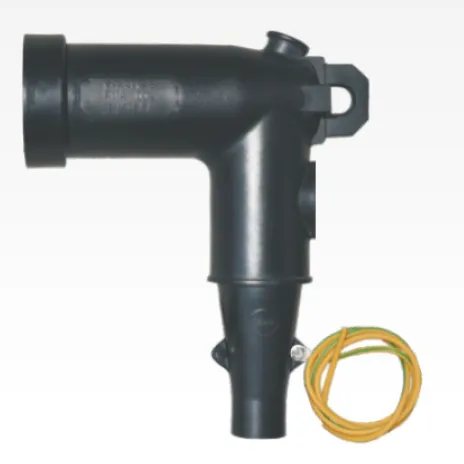
ឧស្សាហកម្មហេដ្ឋារចនាសម្រាប់អគ្គិសនីបន្តធ្វើការអភិវឌ្ឍន៍ជាបន្តបន្ទាប់ ដើម្បីឆ្លើយតបទៅនឹងតម្រូវការកើនឡើងសម្រាប់ភាពអាចទុកចិត្តបាន ប្រសិទ្ធភាព និងសុវត្ថិភាព។ ក្នុងចំណោមផ្នែកសំខាន់ៗដែលធានាការផ្ទេរថាមពលបានល្អបំផុត គ្រឿងបន្លាស់ខ្សែអគ្គិសនីប្រភេទត្រជាក់ (cold cable accessories) បានក្លាយជាដំណោះស្រាយដែលផ្លាស់ប្តូរល្បឿនការងារ ដែលបង្កើនប្រសិទ្ធភាពបណ្តាញយ៉ាងខ្លាំង។ គ្រឿងបន្លាស់ទំនើបទាំងនេះប្រើប្រាស់សម្ភារៈថ្មីៗ និងគោលការណ៍វិស្វកម្មដែលបានបង្កើតឡើងដើម្បីផ្តល់នូវការតភ្ជាប់អគ្គិសនីដែលប្រសើរជាងមុន ដោយគ្មានការប្រើកំដៅក្នុងដំណាក់កាលដំឡើងទេ។ ការយល់ដឹងអំពីបច្ចេកវិទ្យាដែលស្ថិតនៅពីក្រោយគ្រឿងបន្លាស់ខ្សែអគ្គិសនីប្រភេទត្រជាក់ ជួយឱ្យអ្នកជំនាញអគ្គិសនីអាចសម្រេចចិត្តបានដោយមានចំណេះដឹង ទាក់ទងនឹងការធ្វើអាប់ក្រេតសម្រាប់ហេដ្ឋារចនាសម្រាប់អគ្គិសនី និងយុទ្ធសាស្ត្រសម្រាប់ការថែទាំ។
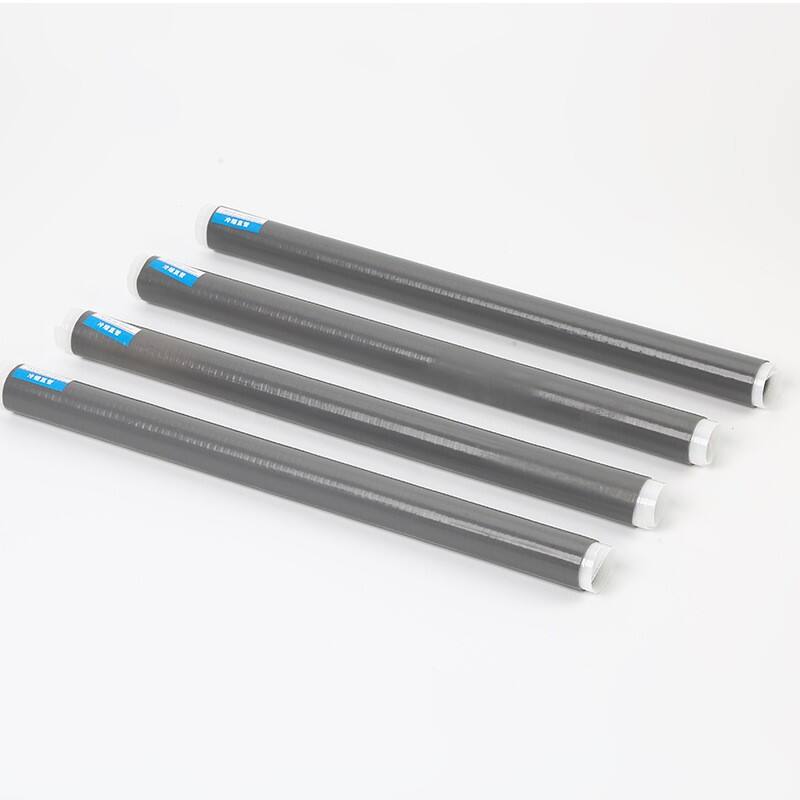
វិទ្យាសាស្ត្រសម្ភារៈទំនើបក្នុងគ្រឿងបន្លាស់ខ្សែអគ្គិសនីសម័យទំនើប
បច្ចេកវិទ្យាប៉ូលីម៉ែរស៊ីលីកុន
គ្រឿងបរិក្ខារសម្រាប់ខ្សែអគ្គិសនីត្រជាក់ទំនើបប្រើសារធាតុស៊ីលីកូន ដែលមានសមាសភាពកម្រិតខ្ពស់ ដែលផ្តល់នូវលក្ខណៈការពារអគ្គិសនីដ៏អស្ចារ្យ និងសមត្ថភាពទប់ទល់នឹងបរិស្ថាន។ សារធាតុទាំងនេះរក្សាបាននូវសមត្ថភាពដែលស្ថិតស្ថេរ នៅក្នុងជួរសីតុណ្ហភាពខ្លាំងៗ ចាប់ពីលក្ខខណ្ឌរដូវរងារដ៏ត្រជាក់ រហូតដល់កំដៅរដូវក្តៅដ៏ខ្លាំង។ រចនាសម្ព័ន្ធម៉ូលេគុលនៃស៊ីលីកូនផ្តល់នូវភាពអាចបត់បែនបានល្អបំផុត ដែលអនុញ្ញាតឱ្យគ្រឿងបរិក្ខារសម្រាប់ខ្សែអគ្គិសនីត្រជាក់អាចទប់ទល់នឹងការពង្រីកដោយសារសីតុណ្ហភាព និងសារធាតុផ្ទាល់ខ្លួនដែលបណ្តាលមកពីការប៉ះទង្គិច ដោយមិនប៉ះពាល់ដល់សុពលភាពអគ្គិសនីរបស់វា។
លក្ខណៈការពារទឹក (hydrophobic) របស់ស៊ីលីកូនធានាបាននូវសមត្ថភាពទប់ទល់នឹងសំណើមដ៏ល្អឥតខ្ចះខ្ចាយ ដែលជាការបង្ការការចូលទៅក្នុងរបស់ទឹក ដែលអាចបណ្តាលឱ្យមានការបរាជ័យអគ្គិសនី។ លក្ខណៈនេះធ្វើឱ្យគ្រឿងបរិក្ខារសម្រាប់ខ្សែអគ្គិសនីត្រជាក់មានតម្លៃជាពិសេសសម្រាប់ការដំឡើងនៅខាងក្រៅ ដែលការប៉ះទង្គិចជាមួយភ្លៀង ពពក និងសំណើម បង្កើតបាននូវបញ្ហាប្រចាំថ្ងៃ។ សារធាតុស៊ីលីកូនដែលមានកម្រិតខ្ពស់ក៏មានសមត្ថភាពទប់ទល់នឹងកាំរស្មីអ៊ុលទ្រាវាជីអេ (UV) អុកស៊ីសែន (ozone) និងសារធាតុគីមីដែលជាទូទៅមាននៅក្នុងបរិស្ថានឧស្សាហកម្មផងដែរ។
សារធាតុប៉ះទង្គិចអាចបញ្ជូនអគ្គិសនី
ផ្ទៃប៉ះគ្នារវាងខ្សែអគ្គិសនី និងគ្រឿងបរិក្ខារបន្ថែម គឺជាចំណុចសំខាន់ណាស់ ដែលត្រូវកាត់បន្ថយការតប៉ះទប់អគ្គិសនីឱ្យបានតិចបំផុត។ គ្រឿងបរិក្ខារបន្ថែមសម្រាប់ខ្សែអគ្គិសនីប្រភេទត្រជាក់ទំនើប ប្រើប្រាស់សារធាតុដែលមានលក្ខណៈចំហាយអគ្គិសនីជាពិសេស ដូចជា បណ្តាញសំពាធដែលមានសំបកប្រាក់ និងសារធាតុអេឡាស្ទូម៉ែរដែលមានលក្ខណៈចំហាយអគ្គិសនី។ សារធាតុទាំងនេះបង្កើតបាននូវផ្លូវចំហាយអគ្គិសនីដែលមានការតប៉ះទប់ទាប ដែលរក្សាបាននូវភាពបន្តអគ្គិសនី ខណៈពេលដែលទទួលយកការពង្រីក និងការបង្រួមដោយសារការផ្លាស់ប្តូរសីតុណ្ហភាព។
សារធាតុអេឡាស្ទូម៉ែរដែលមានលក្ខណៈចំហាយអគ្គិសនី ដែលប្រើក្នុងគ្រឿងបរិក្ខារបន្ថែមសម្រាប់ខ្សែអគ្គិសនីប្រភេទត្រជាក់ បានរួមបញ្ចូលគុណសម្បត្តិនៃភាពអាចបត់ប៉ែនបានរបស់កៅស៊ូ និងភាពចំហាយអគ្គិសនីរបស់លោហៈ ដើម្បីបង្កើតបាននូវផ្ទៃប៉ះគ្នាដែលនៅតែស្ថិតស្ថេរក្រោមឥទ្ធិពលនៃការផ្ទុះផ្នែកមេកានិក។ សារធាតុទាំងនេះបង្ការការបង្កើតបាននូវចន្លោះខ្យល់ ដែលអាចបណ្តាលឱ្យមានបាក់ស្ទើរ (corona discharge) ហើយចុងក្រាយបណ្តាលឱ្យមានការរលួយនៃស្រទាប់ការពារអគ្គិសនី។ លក្ខណៈស្វ័យប្រវេសន៍ (self-conforming) របស់សារធាតុទាំងនេះធានាបាននូវសម្ពាធប៉ះគ្នាដែលស្មើគ្នាទូទាំងផ្ទៃប៉ះគ្នា។
បច្ចេកវិទ្យានិងវិធីសាស្ត្រក្នុងការដំឡើង
ប្រព័ន្ធដំឡើងប៉ះទប់ត្រជាក់
បច្ចេកវិទ្យាការបង្រួមតាមសីតុណ្ហភាពទាប គឺជាការរីកចម្រើនយ៉ាងសំខាន់មួយក្នុងការដំឡើងគ្រឿងបន្លាស់កាប៊ល ដែលធ្វើឱ្យគ្មានតម្រូវការប្រើប្រាស់ឧបករណ៍ផ្តល់កំដៅ ឬភ្លើងឆេះក្នុងការអនុវត្តន៍នៅតាមវាល។ ប្រព័ន្ធទាំងនេះប្រើប្រាស់ប៉ាក់សារធាតុអេឡាស្ទូមេរីកដែលបានពង្រីកជាមុន ហើយនឹងបង្រួមចុះវិញនៅពេលដកស្រទាប់គ្រឹះចេញ ដែលបង្កើតបាននូវសំបកកាប៊លដែលជាប់តឹង និងការពារទឹកបានយ៉ាងល្អ។ ការ គ្រឿងបន្លាស់ខ្សែត្រជាក់ ដំឡើងបែបនេះបានកាត់បន្ថយពេលវេលាការងារ ខណៈពេលដែលក៏បានកែលម្អសុវត្ថិភាពផងដែរ ដោយកាត់បន្ថយគ្រោះថ្នាក់ដែលបណ្តាលមកពីការងារដែលទាមទារកំដៅ នៅក្នុងបរិស្ថានដែលមានភាពប្រណីត។
ដំណាំការបង្រួមដែលគ្រប់គ្រងបានយ៉ាងត្រឹមត្រូវ ធានាបាននូវការចែកចាយសម្ពាធ ដែលស្មើគ្នាជុំវិញកាប៊ល ដែលបង្កើតបាននូវសមត្ថភាពអគ្គិសនី និងយាន្តសាស្ត្រដែលស្មើគ្នាជាប់គ្នា។ ប្រព័ន្ធបង្រួមតាមសីតុណ្ហភាពទាប អាចសម្របខ្លួនទៅនឹងបរិមាណផ្ទៃកាប៊លផ្សេងៗគ្នា តាមរយៈការរចនាដែលមានភាពត្រឹមត្រូវនៃសមាមាត្រការពង្រីក និងកម្លាំងស្តារឡើងវិញ។ ភាពអាចប្រើបានច្រើនបែបនេះ ធ្វើឱ្យប្រព័ន្ធទាំងនេះសាកសមបំផុតសម្រាប់ការអនុវត្តន៍ដែលត្រូវការកាប៊លជាច្រើនទំហំ ដែលត្រូវបានគ្រប់គ្រងដោយគ្រឿងបន្លាស់ស្តង់ដារ។
ប្រព័ន្ធដំឡើងបែបចុចចូល
បច្ចេកវិទ្យាការដាក់អំពៅ (Push-on) ធ្វើឱ្យដំណាំការតភ្ជាប់សម្រាប់គ្រឿងបន្លាស់ខ្សះកាប៊លត្រជាក់កាន់តែងាយស្រួល ខណៈដែលរក្សាបាននូវស្តង់ដារប្រសិទ្ធភាពខ្ពស់។ ប្រព័ន្ធទាំងនេះមានរាងផ្នែកខាងក្នុងដែលត្រូវបានរចនាឡើងយ៉ាងច្បាស់ ដើម្បីណែនាំការដាក់កាប៊ល ហើយធានាបាននូវការសម្របសម្រួលបានត្រឹមត្រូវរវាងសារធាតុចំណាំង និងស្រទាប់ការពារ។ ដំណាំការតភ្ជាប់មិនតម្រូវឱ្យប្រើឧបករណ៍ពិសេស ឬឧបករណ៍កំដៅទេ ដែលធ្វើឱ្យវាកាន់តែសាកសមសម្រាប់ការប្រើប្រាស់នៅតាមវាល ជាពិសេសនៅតាមតំបន់ឆ្ងាយ។
កោនសម្ពាធ (stress cones) ខាងក្នុងនៃគ្រឿងបន្លាស់ខ្សះកាប៊លត្រជាក់ប្រភេទ push-on ធ្វើឱ្យសម្ពាធ អគ្គិសនីបានរាយបាយស្មើគ្នា ដែលជៀសវាងការប្រមុខនៃវាលអគ្គិសនីនៅតំបន់ជាក់លាក់ ដែលអាចបណ្តាលឱ្យបរាជ័យមុនពេលវេលា។ ការរចនាដែលអាចសម្របខ្លួនបានដោយស្វ័យប្រវ័ត្តិ ធានាបាននូវគុណភាពនៃការដំឡើងដែលស្មើគ្នាជានិច្ច ដោយមិនគិតពីកម្រិតជំនាញរបស់បើកបរ ដែលជួយកាត់បន្ថយគ្រោះថ្នាក់នៃកំហុសដែលបណ្តាលមកពីមនុស្ស ក្នុងពេលធ្វើការតភ្ជាប់អគ្គិសនីដែលមានសារៈសំខាន់។
បច្ចេកវិទ្យាកែលម្អសមត្ថភាពអគ្គិសនី
វិស្វកម្មគ្រប់គ្រងសម្ពាធ
ការផ្តេស្ទីសអគ្គិសនីដែលមានការបង្រួមខ្លាំងនៅត្រង់ចុងបញ្ចប់នៃខ្សែ និងចំណុចភ្ជាប់ គឺជាមូលហេតុសំខាន់មួយនៃការបរាជ័យនៅក្នុងប្រព័ន្ធប៉ាន់ស្មារអគ្គិសនី។ គ្រឿងបរិក្ខារខ្សែប្រភេទត្រជាក់ (Cold cable accessories) ប្រើប្រាស់បច្ចេកវិទ្យាគ្រប់គ្រងការផ្តេស្ទីសដែលឆ្លាតវៃ ដើម្បីបែងចែកឡើងវិញនូវវាលអគ្គិសនី ដើម្បីការពារការបង្រួមផ្តេស្ទីសនៅត្រង់តំបន់ជាក់លាក់។ ប្រព័ន្ធទាំងនេះប្រើប្រាស់សារធាតុដែលមានសមត្ថភាពឌីអេឡិចត្រិក (permittivity) ប្រែប្រួលជាបន្តបន្ទាប់ ដើម្បីបង្កើតនូវការផ្លាស់ប្តូរអគ្គិសនីដែលរលូនពីអ្នកដឹកនាំវ៉ុលខ្ពស់ទៅផ្ទៃដែលត្រូវបានភ្ជាប់ទៅដី។
លក្ខណៈរូបរាងសម្រាប់ការគ្រប់គ្រងការផ្តេស្ទីសនៅក្នុងគ្រឿងបរិក្ខារខ្សែប្រភេទត្រជាក់ រួមមានផ្ទៃខាងក្នុងដែលមានរាងបានគិតគ្រាជាមុនយ៉ាងប្រុងប្រយ័ត្ន ដើម្បីលុបបំបាត់គែមមួយដែលមានការបង្គោះខ្លាំង និងការផ្លាស់ប្តូរទំហំដែលមានភាពភ្លាមៗ។ ធាតុរចនាទាំងនេះដំណើរការរួមគ្នាជាមួយសារធាតុពិសេសសម្រាប់ការបែងចែកការផ្តេស្ទីស ដើម្បីរក្សាកម្លាំងវាលអគ្គិសនីឱ្យស្ថិតនៅក្នុងដែនកំណត់ដែលអាចទទួលយកបាន។ លទ្ធផលគឺការកើនឡើងយ៉ាងច្បាស់នូវភាពអាចទុកចិត្តបានយូរអង្វែន និងការថយចុះនូវតម្រូវការសម្រាប់ការថែទាំប្រព័ន្ធប៉ាន់ស្មារអគ្គិសនី។
ការការពារការបញ្ចេញពន្លឺកូរ៉ូណា
ការបញ្ចេញអគ្គិសនីដោយផ្ទាល់ (Corona discharge) បង្កជាបញ្ហាគ្រោះថ្នាក់យ៉ាងធ្ងន់ធ្ងរចំពោះអាយុកាលរបស់ប្រព័ន្ធប៉ាក់ (cable system) ដែលបណ្តាលឱ្យមានការខូចខាតបន្តិចម្តងៗនៃស្រទាប់ការពារ (insulation) ហើយចុងក្រោយបណ្តាលឱ្យប្រព័ន្ធបរាជ័យ។ គ្រឿងបន្លាស់ប៉ាក់ប្រភេទត្រជាក់ (Cold cable accessories) ប្រើប្រាស់បច្ចេកវិទ្យាច្រើនប្រភេទដើម្បីការពារការបញ្ចេញអគ្គិសនីដោយផ្ទាល់ រួមមាន៖ ផ្ទៃប៉ះរវាងអំពើអគ្គិសនីដែលរាបសាម ប្រព័ន្ធការពារដែលគ្មានប្រហោង និងការចែកចាយវាលអគ្គិសនីដែលបានប៉ះប៉ុនយ៉ាងល្អ។ វិធានការទាំងនេះធានាថា សម្ពាធអគ្គិសនីនឹងនៅតែទាបជាងកម្រិតចាប់ផ្តើមនៃការបញ្ចេញអគ្គិសនីដោយផ្ទាល់ ទាំងអស់គ្នាក្នុងអំឡុងពេលប្រើប្រាស់គ្រឿងបន្លាស់ទាំងនេះ។
បច្ចេកទេសផលិតកម្មទំនើបបានដកចេញនូវប្រហោង និងសារធាតុប៉ះពាល់ផ្សេងៗដែលអាចក្លាយជាកន្លែងចាប់ផ្តើមនៃការបញ្ចេញអគ្គិសនីដោយផ្ទាល់ នៅក្នុងគ្រឿងបន្លាស់ប៉ាក់ប្រភេទត្រជាក់។ ដំណាំគ្រប់គ្រងគុណភាពរួមមានការសាកល្បងអគ្គិសនីនៅក្រោមវ៉ុលខ្ពស់ ដើម្បីធានាថា គ្មានការបញ្ចេញអគ្គិសនីដោយផ្ទាល់ក្នុងស្ថានភាពប្រើប្រាស់ធម្មតា និងស្ថានភាពបន្ទាន់។ ស្តង់ដារតឹងរឹងទាំងនេះធានាបាននូវសមត្ថភាពប្រតិបត្តិការដែលអាចទុកចិត្តបាន សម្រាប់ការបែងចែកថាមពលសំខាន់ៗ។
លក្ខណៈពិសេសសម្រាប់ការការពារបរិស្ថាន និងភាពធន់
ប្រព័ន្ធគ្រប់គ្រងសំណើម
ការចូលទៅក្នុងនៃសារធាតុសើមគឺជាគ្រោះថ្នាក់ដ៏ធ្ងន់ធ្ងរបំផុតមួយចំពោះសុព្ថភាពនៃប្រព័ន្ធប៉ាក់ (cable system) ជាពិសេសនៅក្នុងការដំឡើងក្រោមដី និងក្រៅផ្ទះ។ គ្រឿងបន្លាស់ប៉ាក់ប្រភេទត្រជាក់ (cold cable accessories) ប្រើប្រាស់បច្ចេកវិទ្យាផ្សេងៗគ្នាដើម្បីការពារសារធាតុសើម រួមទាំងសារធាតុដែលមានលក្ខណៈជាប់សារធាតុសើម (hydrophobic materials) របាំងការសើម និងសារធាតុប៉ាក់ទឹក។ ប្រព័ន្ធទាំងនេះដំណើរការរួមគ្នាដើម្បីការពារការចូលទៅក្នុងនៃសារធាតុសើម ខណៈពេលដែលអនុញ្ញាតឱ្យមានការផ្លាស់ទីដោយធម្មជាតិនៃផ្នែកប៉ាក់ក្នុងអំឡុងពេលផ្លាស់ប្តូរសីតុណ្ហភាព។
សារធាតុដែលអាចហើមឡើងដោយសារទឹក (water-swellable materials) ដែលមាននៅក្នុងគ្រឿងបន្លាស់ប៉ាក់ប្រភេទត្រជាក់ នឹងហើមឡើងនៅពេលប៉ះទៅនឹងសារធាតុសើម ហើយបង្កើតជាបារាំងបិទបាំងបន្ថែមដើម្បីការពារការចូលទៅក្នុងនៃទឹកបន្ថែមទៀត។ សារធាតុទាំងនេះរក្សាទុកនូវលក្ខណៈបិទបាំងរបស់វាបានយូរអង្វែន ខណៈពេលដែលទទួលយកនូវសារធាតុផ្លាស់ទី និងសារធាតុរំញ័រដែលទាក់ទងនឹងការផ្លាស់ទីរបស់ប៉ាក់។ ការរួមបញ្ចូលគ្នានៃបច្ចេកវិទ្យាការពារសារធាតុសើមចំនួនច្រើន ធានាបាននូវភាពអាចទុកចិត្តបានយូរអង្វែនក្នុងលក្ខខណ្ឌបរិស្ថានដែលមានការលំបាក។
លក្ខណៈធន់ទ្រាំនឹងសារធាតុគីមី
បរិស្ថានឧស្សាហកម្មបង្ហាញគ្រឿងបរិក្ខារកាប៊លត្រជាក់ទៅនឹងសារធាតុគីមីផ្សេងៗ ដែលអាចធ្វើឱ្យសារធាតុធម្មតាបាក់បែកជាមួយពេលវេលា។ សំណាងសារធាតុប៉ូលីម័រកម្រិតខ្ពស់មានសមត្ថភាពទប់ទល់នឹងឥទ្ធិពលពីអាស៊ីត ប៉ាស៊ីត សុវ័ន និងសារធាតុគីមីឧស្សាហកម្មផ្សេងៗទៀត ដែលជាទូទៅប្រើប្រាស់ក្នុងការអនុវត្តផ្នែកចែកចាយថាមពល។ សារធាតុទាំងនេះរក្សាទុកនូវលក្ខណៈមេកានិក និងអគ្គិសនីរបស់វាបានយូរអង្វែង ទោះបីជាបានប៉ះទង្គិលជាមួយបរិស្ថានគីមីដែលមានសារធាតុធ្ងន់ធ្ងរក៏ដោយ។
សមត្ថភាពទប់ទល់នឹងសារធាតុគីមីរបស់គ្រឿងបរិក្ខារកាប៊លត្រជាក់ បានពន្យារពេលអាយុកាលប្រើប្រាស់របស់វាក្នុងបរិស្ថានឧស្សាហកម្មដែលមានសភាពអាក្រក់ ហើយកាត់បន្ថយតម្រូវការថែទាំ និងថ្លៃដើមក្នុងការជំនួស។ ការព្យាបាលផ្ទៃជាពិសេសផ្តល់នូវការការពារបន្ថែមទៀតប្រឆាំងនឹងគ្រះថ្នាក់គីមីជាក់លាក់ ដែលធានាបាននូវសារធាតុស៊ីស្តីមនេះអាចប្រើប្រាស់បានសមស្របជាមួយដំណាំឧស្សាហកម្មច្រើនប្រភេទ និងលក្ខខណ្ឌបរិស្ថានផ្សេងៗគ្នា។
ការធានាគុណភាព និងបច្ចេកវិទ្យាប្រៀបធៀប
វិធីសាស្ត្រប្រៀបធៀបកម្រិតខ្ពស់
គ្រឿងបរិក្ខារសម្រាប់ខ្សែអគ្គិសនីត្រជាក់ទំនើប ឆ្លងកាត់ដំណាំការធ្វើតេស្តយ៉ាងតឹងរ៉ឹង ដែលផ្ទៀងផ្ទាត់ប្រសិទ្ធភាពរបស់វាក្រោមលក្ខខណ្ឌប្រតិបត្តិការ និងស្ថានភាពផ្ទុកដែលខុសៗគ្នា។ ការធ្វើតេស្តទាំងនេះរួមមាន ការធ្វើតេស្តសមត្ថភាពទប់ទល់នឹងវ៉ុលខ្ពស់ ការធ្វើតេស្តចំហាយកំដៅដែលនាំមកនូវស្ថានភាពប្រតិបត្តិការអស់រយៈពេលជាច្រើនទសវត្ស និងការធ្វើតេស្តផ្នែកយានេយ្យដែលផ្ទៀងផ្ទាត់ភាពរឹងមាំនៃរចនាសម្ព័ន្ធ ក្រោមស្ថានភាពអាក្រក់បំផុត។ ការធ្វើតេស្តចាស់ជាមុន ផ្តល់ទិន្នន័យដែលមានតម្លៃខ្ពស់អំពីការរំពឹងទុកនូវប្រសិទ្ធភាពរយៈពេលវែង។
ការធ្វើតេស្តការបញ្ចេញអគ្គិសនីផ្នែក (Partial discharge testing) គឺជាការវាស់វែងសំខាន់មួយសម្រាប់ធានាគុណភាពគ្រឿងបរិក្ខារសម្រាប់ខ្សែអគ្គិសនីត្រជាក់ ដែលធានាថា គ្រឿងបរិក្ខារទាំងនេះគ្មានខ្វះខាតខាងក្នុង ឬគ្មានកំហុសក្នុងដំណាំផលិត មុនពេលដំឡើងនៅតាមវាល។ ការធ្វើតេស្តទាំងនេះប្រើឧបករណ៍វាស់វែងដែលមានភាពរហ័ស ដែលអាចរកឃើញការបញ្ចេញអគ្គិសនីតូចៗ ដែលអាចបង្ហាញពីចំណុចដែលអាចបណ្តាលឱ្យបរាជ័យនាពេលអនាគត។ គ្រឿងបរិក្ខារតែប៉ុណ្ណោះដែលបំពេញលក្ខខណ្ឌការបញ្ចេញអគ្គិសនីដែលតឹងរ៉ឹង ទើបត្រូវបានអនុញ្ញាតឱ្យដំឡើងនៅតាមវាល។
ការគ្រប់គ្រងដំណាំផលិត
គុណភាពដែលមានស្ថេរភាពនៅក្នុងគ្រឿងបន្លាស់ខ្សះស្ងួតទាមទារឱ្យមានការគ្រប់គ្រងដែលច្បាស់លាស់លើដំណាំផលិតកម្ម រួមទាំងការលាយវត្ថុធាតុ លក្ខខណ្ឌនៃការរឹង និងការអត់ទេសន៍ទំហំ។ ប្រព័ន្ធគ្រប់គ្រងដំណាំដែលទាន់សម័យតាមដានប៉ារ៉ាម៉ែត្រសំខាន់ៗទាំងអស់ក្នុងអំឡុងពេលផលិតកម្ម ដើម្បីធានាថា គ្រឿងបន្លាស់នីមួយៗបំពេញតាមលក្ខណៈដែលបានកំណត់សម្រាប់សមត្ថភាព។ បច្ចេកទេសគ្រប់គ្រងដំណាំដោយប្រើស្ថិតិ (SPC) កំណត់នូវទំនេរដែលអាចប៉ះពាល់ដល់គុណភាពផលិតផល មុនពេលផលិតផលដែលមានគុណភាពមិនល្អត្រូវបានផលិតចេញ។
ប្រព័ន្ធបានសិក្សាដោយស្វ័យប្រវ័ត្តិផ្ទៀងផ្ទាត់ភាពត្រឹមត្រូវនៃទំហំ និងគុណភាពផ្ទៃរបស់គ្រឿងបន្លាស់ខ្សះស្ងួត ដោយប្រើបច្ចេកវិទ្យាប៉ារ៉ាម៉ែត្រ និងវាស់វែងដែលទាន់សម័យ។ ប្រព័ន្ធទាំងនេះអាចរកឃើញខ្វះខាតដែលមានលក្ខណៈស្តើងៗ ដែលអាចមិនអាចមើលឃើញដោយភ្នែក ខណៈពេលដែលរក្សាបានសមត្ថភាពផលិតកម្មខ្ពស់។ ការរួមបញ្ចូលគ្នារវាងការសិក្សាដោយស្វ័យប្រវ័ត្តិ និងការគ្រប់គ្រងដំណាំដោយប្រើស្ថិតិ ធានាបាននូវគុណភាពផលិតផលដែលមានស្ថេរភាព នៅក្នុងបរិមាណផលិតកម្មធំៗ។
ការកែលម្អសុវត្ថិភាព និងប្រសិទ្ធិភាពក្នុងការដំឡើង
ការលុបបំបាត់ការងារក្តៅ
ការដំឡើងគ្រឿងបរិក្ខារកាប៊លបែបប្រពៃណីជាញឹកញាប់តម្រូវឱ្យមានការអនុវត្តកំដៅដោយប្រើភ្លើងភ្លឺ ឬឧបករណ៍ផ្តល់កំដៅ ដែលបង្កើតគ្រោះថ្នាក់សុវត្ថិភាពក្នុងបរិយាកាសដែលអាចផ្ទ explosion បាន។ គ្រឿងបរិក្ខារកាប៊លបែបត្រជាក់ (Cold cable accessories) ប៉ុប៉ាន់ប៉ាន់ការទាមទារឱ្យធ្វើការដែលប្រើកំដៅទាំងអស់ ដែលបង្កើនសុវត្ថិភាពក្នុងការដំឡើងយ៉ាងខ្លាំងនៅក្នុងរោងចក្រកែច្នៃប្រេង រោងចក្រគីមី និងទីតាំងគ្រោះថ្នាក់ផ្សេងៗទៀត។ ការកែលម្អសុវត្ថិភាពនេះបន្ថយតម្រូវការអនុញ្ញាត ហើយអនុញ្ញាតឱ្យការដំឡើងបន្តទៅបាននៅតាមតំបន់ដែលការធ្វើការដែលប្រើកំដៅត្រូវបានហាមឃាត់។
ការលុបបំបាត់ឧបករណ៍ផ្តល់កំដៅបន្ថយតម្រូវការបុគ្គលិកដែលទទួលខុសត្រូវលើការដំឡើង ហើយសាមញ្ញភាពការគ្រប់គ្រងឧបករណ៍សម្រាប់ប្រតិបត្តិការនៅវាល។ ការដំឡើងគ្រឿងបរិក្ខារកាប៊លបែបត្រជាក់ត្រូវការតែឧបករណ៍ដៃមូលដ្ឋានប៉ុណ្ណោះ ដែលធ្វើឱ្យវាអាចចូលដំណាំបានសម្រាប់បច្ចេកទេសទាំងអស់ដែលមានជំនាញផ្សេងៗគ្នា ខណៈដែលរក្សាគុណភាពការដំឡើងឱ្យស្មើគ្នាបាន។ ការសាមញ្ញភាពនេះបន្ថយតម្រូវការបណ្តុះបណ្តាល ហើយបង្កើនប្រសិទ្ធភាពការដំឡើង។
ពេលវេលាដំឡើងត្រូវបានបន្ថយ
ការកែលម្អប្រសិទ្ធភាពនៃការដំឡើងជាមួយគ្រឿងបរិក្ខារកាប៊លត្រជាក់កើតឡើងដោយសារតែដំណាំដែលសាមញ្ញ និងពេលវេលាសម្រាប់ការរៀបចំតិច។ ការដំឡើងប្រភេទកាប៊លក្តៅតាមបែបប្រពៃណីទាមទារការរៀបចំឧបករណ៍ ការកំដៅ និងពេលវេលាសម្រាប់ធ្វើអោយត្រជាក់ ដែលធ្វើអោយរយៈពេលគម្រោងវែងចេញ។ គ្រឿងបរិក្ខារកាប៊លត្រជាក់បានលុបបំបាត់ជំហានទាំងនេះដែលចំណាយពេលច្រើន ដែលអនុញ្ញាតអោយការដំឡើងបានបញ្ចប់ក្នុងរយៈពេលតិចជាងមុនយ៉ាងខ្លាំង ដោយនៅតែរក្សាបានលក្ខណៈប្រសិទ្ធភាពខ្ពស់។
ការសន្សំសំចែយពេលវេលាដែលទាក់ទងនឹងគ្រឿងបរិក្ខារកាប៊លត្រជាក់ក្លាយជាការសំខាន់ជាពិសេសនៅក្នុងគម្រោងធំៗដែលមានការតភ្ជាប់ច្រើន។ ការថយចុះការចំណាយលើកម្លាំងពលកម្មជាញឹកញាប់គ្របដណ្តប់លើការប្រាក់បន្ថែមដំបូងសម្រាប់គ្រឿងសំភារៈ ដែលធ្វើអោយគ្រឿងបរិក្ខារកាប៊លត្រជាក់មានភាពទាក់ទាញផ្នែកសេដ្ឋកិច្ចសម្រាប់ការប្រើប្រាស់ជាច្រើន។ ការរៀបចំផែនការគម្រោងក៏ទទួលបានប្រយោជន៍ពីការសន្សំសំចែយពេលវេលាក្នុងការដំឡើង ដែលអនុញ្ញាតអោយគម្រោងបញ្ចប់បានលឿនជាងមុន និងប្រព័ន្ធអាចដំណាំបានឆាប់ជាងមុន។
ការអភិវឌ្ឍន៍នាពេលអនាគតនៅក្នុងបច្ចេកវិទ្យាគ្រឿងបរិក្ខារកាប៊ល
ការបញ្ចូលការតាមដានស្វ័យប្រវត្តិ
បច្ចេកវិទ្យាថ្មីៗ បានបញ្ចូលសមត្ថភាពត្រួតពិនិត្យដោយផ្ទាល់ទៅក្នុងគ្រឿងបរិក្ខារសម្រាប់ខ្សែអគ្គិសនីត្រជាក់ ដែលផ្តល់ទិន្នន័យជាក់ស្តែងអំពីស្ថានភាព និងប្រសិទ្ធភាពរបស់ប្រព័ន្ធ។ គ្រឿងបរិក្ខារឆ្លាតទាំងនេះ បានបញ្ចូលសេនសើរដើម្បីត្រួតពិនិត្យសីតុណ្ហភាព កម្រិតសំណើម និងសកម្មភាពផ្ទះលើគ្រាប់ (partial discharge) ដែលផ្តល់ការព្រមានជាមុនអំពីបញ្ហាដែលអាចកើតឡើងមុនពេលមានការបរាជ័យ។ ការបញ្ចូលជាមួយប្រព័ន្ធប្រាសាសន៍ឌីជីថល អនុញ្ញាតឱ្យត្រួតពិនិត្យការតភ្ជាប់ខ្សែអគ្គិសនីសំខាន់ៗពីចម្ងាយ។
សមត្ថភាពថែទាំប៉ាន់ស្មាន (Predictive maintenance) ដែលបានធ្វើឱ្យអាចប្រើបានដោយគ្រឿងបរិក្ខារឆ្លាតសម្រាប់ខ្សែអគ្គិសនីត្រជាក់ ជួយបង្កើនប្រសិទ្ធភាពការរៀបចំកាលវិភាគថែទាំ និងកាត់បន្ថយការបរាជ័យដែលកើតឡើងដោយមិនបានរំពឹងទុក។ ការប្រមុខទិន្នន័យប្រវែងពេល ផ្តល់ចំណេះដឹងអំពីទិសដៅនៃប្រសិទ្ធភាពប្រព័ន្ធ ដែលអនុញ្ញាតឱ្យរៀបចំផែនការប្រកបដោយប្រសិទ្ធភាពសម្រាប់ការធ្វើអាប់ក្រេត និងជំនួសហេដ្ឋារចនាសម្រាប់ប្រព័ន្ធ។ បច្ចេកវិទ្យាទាំងនេះ តំណាងឱ្យជំនាន់បន្ទាប់នៃការរចនាគ្រឿងបរិក្ខារសម្រាប់ខ្សែអគ្គិសនី ដែលបានរួមបញ្ចូលទាំងប្រសិទ្ធភាពដែលបានបញ្ជាក់យ៉ាងច្បាស់ និងសមត្ថភាពត្រួតពិនិត្យដែលទាន់សម័យ។
ការអភិវឌ្ឍន៍វត្ថុធាតុកម្រិតខ្ពស់
ការសិក្សាបន្តអំពីវត្ថុធាតុថ្មីៗ បង្ហាញពីសក្ដានុពលក្នុងការកែលម្អបន្ថែមទៀតនូវសមត្ថភាព និងរយៈពេលអាយុកាលនៃគ្រឿងបន្លាស់ខ្សះខាតសម្រាប់ខ្សែអគ្គិសនីដែលប្រើបានក្នុងសីតុណ្ហភាពទាប។ ការអនុវត្តបច្ចេកវិទ្យានាណូ បង្កើតវត្ថុធាតុដែលមានលក្ខណៈអគ្គិសនីប្រសើរជាងមុន និងមានសមត្ថភាពទប់ទល់នឹងបរិស្ថានបានល្អជាងមុន ដោយនៅតែរក្សាបាននូវគុណសម្បត្តិសម្រាប់ការដំឡើងដែលមានស្រាប់នៅក្នុងប្រព័ន្ធដែលប្រើបានក្នុងសីតុណ្ហភាពទាប។ វត្ថុធាតុទាំងនេះផ្តល់នូវស្ថេរភាពសីតុណ្ហភាពប្រសើរជាងមុន សមត្ថភាពទប់ទល់នឹងគីមីប្រសើរជាងមុន និងសមត្ថភាពអគ្គិសនីប្រសើរជាងមុន។
វត្ថុធាតុដែលអាចស្តារខ្លួនវាទៅវិញ (Self-healing materials) តំណាងឱ្យវិស័យអភិវឌ្ឍន៍មួយទៀតដែលមានសក្ដានុពលសម្រាប់គ្រឿងបន្លាស់ខ្សះខាតសម្រាប់ខ្សែអគ្គិសនីដែលប្រើបានក្នុងសីតុណ្ហភាពទាប ដែលអាចស្តារខ្លួនវាទៅវិញដោយស្វ័យប្រវ័ត្តិនូវការខូចខាតតូចៗដែលកើតឡើងក្នុងអំឡុងពេលប្រើប្រាស់។ វត្ថុធាតុទាំងនេះអាចបន្ថែមរយៈពេលអាយុកាលនៃគ្រឿងបន្លាស់ កាត់បន្ថយតម្រូវការថែទាំ និងកែលម្អភាពអាចទុកចិត្តបាននៃប្រព័ន្ធ។ ការសិក្សាបន្តក៏កំពុងបន្តទៀតទៅលើវត្ថុធាតុដែលមានប្រភពពីធម្មជាតិ (bio-based materials) ដែលផ្តល់អត្ថប្រយោជន៍ដល់បរិស្ថាន ដោយនៅតែរក្សាបាននូវលក្ខណៈសមត្ថភាពដែលត្រូវការសម្រាប់ការប្រើប្រាស់អគ្គិសនី។
សំណួរញឹកញាប់
គ្រឿងបន្លាស់ខ្សះខាតសម្រាប់ខ្សែអគ្គិសនីដែលប្រើបានក្នុងសីតុណ្ហភាពទាប ខុសពីគ្រឿងបន្លាស់ខ្សះខាតប្រភេទកំដៅ-បង្ហាប់ (heat-shrink) បែបប្រពៃណីយ៉ាងដូចម្តេច?
គ្រឿងបន្លាស់ខ្សែត្រជាក់ត្រូវបានដំឡើងដោយមិនចាំបាច់ប្រើកំដៅ ដោយប្រើសម្ភារៈដែលបានពង្រីកជាមុន ឬការរចនាដែលរុញចូលជំនួសឱ្យគ្រឿងបន្លាស់ដែលអាចរួញបានដោយកំដៅ។ នេះលុបបំបាត់គ្រោះថ្នាក់សុវត្ថិភាពដែលទាក់ទងនឹងការងារក្តៅ ខណៈពេលដែលកាត់បន្ថយពេលវេលាដំឡើង និងតម្រូវការឧបករណ៍។ លក្ខណៈនៃការអនុវត្តច្រើនតែលើសពីគ្រឿងបន្លាស់ប្រពៃណី ដោយសារតែការគ្រប់គ្រងភាពតានតឹង និងលក្ខណៈពិសេសការពារបរិស្ថានកាន់តែប្រសើរឡើង។
គ្រឿងបរិក្ខារសម្រាប់ខ្សែអគ្គិសនីត្រជាក់អាចទប់ទល់នឹងកម្រិតវ៉ុលប៉ុន្មាន?
គ្រឿងបរិក្ខារសម្រាប់ខ្សែអគ្គិសនីត្រជាក់ទំនើប មានជាប់ផ្សាយសម្រាប់កម្រិតវ៉ុលចាប់ពីកម្រិតវ៉ុលទាប រហូតដល់ប្រព័ន្ធទូទៅវ៉ុលខ្ពស់ (high voltage transmission systems) ដែលលើសពី ៣៥ គីឡូវ៉ុល (kV)។ កម្រិតវ៉ុលនីមួយៗតម្រូវឱ្យមានការសម្របសម្រួលដែលទាក់ទងនឹងការដាក់ស្រទាប់ការពារ (insulation coordination) និងលក្ខណៈសម្បត្តិគ្រប់គ្រងសម្ពាធ (stress control) ដែលត្រូវបានរចនាឡើងជាពិសេសសម្រាប់កម្រិតសម្ពាធ (electrical stress) ដែលកើតឡើងក្នុងការប្រើប្រាស់នីមួយៗ។ ការជ្រើសរើសដែលត្រឹមត្រូវ ដែលផ្អែកលើវ៉ុលប្រព័ន្ធ និងតម្រូវការការប្រើប្រាស់ ធានាបាននូវសម្ថានភាពដំណាំល្អបំផុត និងសុវត្ថិភាព។
តើគ្រឿងបរិក្ខារសម្រាប់ខ្សែអគ្គិសនីត្រជាក់ថ្លៃជាងគ្រឿងបរិក្ខារប្រពៃណីឬទេ?
ទោះបីជាឧបករណ៍បន្ថែមសម្រាប់ខ្សែអគ្គិសនីប្រភេទត្រជាក់ (cold cable accessories) អាចមានថ្លៃដើមសម្រាប់វត្ថុធាតុដើមខ្ពស់ជាងក៏ដោយ ក៏ថ្លៃដើមសរុបនៃគម្រោងជាញឹកញាប់មានសារប្រយោជន៍ចំពោះប្រព័ន្ធដែលប្រើវិធីសាស្ត្រដំឡើងប្រភេទត្រជាក់ ដោយសារតែពេលវេលាដំឡើងខ្លីជាង តម្រូវការឧបករណ៍សាមញ្ញជាង និងសុវត្ថិភាពប្រសើរជាង។ ការសន្សំសំចៃកម្លាំងពលកម្ម ការបន្ថយតម្រូវការបណ្តុះបណ្តាល និងការលុបបំបាត់ការអនុញ្ញាតឱ្យធ្វើការដែលបង្កើតកំដៅ (hot work permits) ជាញឹកញាប់គ្របដណ្តប់លើភាពខុសគ្នានៃថ្លៃដើមសម្រាប់វត្ថុធាតុដើម។ ការកែលម្អភាពអាចទុកចិត្តបានយូរអង្វែនក៏ផ្តល់ប្រយោជន៍សេដ្ឋកិច្ចបន្ថែមទៀតផងដែរ តាមរយៈការបន្ថយការថែទាំ និងថ្លៃដើមសម្រាប់ជំនួស។
តើឧបករណ៍បន្ថែមសម្រាប់ខ្សែអគ្គិសនីប្រភេទត្រជាក់អាចប្រើបានក្នុងគ្រប់លក្ខខណ្ឌបរិស្ថានទាំងអស់ដែរឬទេ?
ឧបករណ៍បន្ថែមសម្រាប់ខ្សែអគ្គិសនីប្រភេទត្រជាក់ត្រូវបានរចនាឡើងជាពិសេសសម្រាប់លក្ខខណ្ឌបរិស្ថានដែលមានភាពអាក្រក់ រួមទាំងសីតុណ្ហភាពខ្លាំង ការប៉ះទង្គិលទៅនឹងសំណើម និងការប៉ះទង្គិលទៅនឹងសារធាតុគីមី។ ការបង្កើតសមាសធាតុដែលទាន់សម័យផ្តល់នូវសមត្ថភាពឈរស្ថិតិប្រឆាំងនឹងបរិស្ថានបានល្អប៉ុន្តែជាងប្រៀបធៀបទៅនឹងឧបករណ៍បន្ថែមប្រពៃណីជាច្រើន។ ទោះយ៉ាងណាក៏ដោយ តម្រូវការបរិស្ថានជាក់លាក់គួរតែត្រូវបានវាយតម្លៃដើម្បីធានាការជ្រើសរើសឧបករណ៍បន្ថែមដែលសមស្របសម្រាប់ការប្រើប្រាស់នីមួយៗ ជាពិសេសក្នុងលក្ខខណ្ឌនៃការប៉ះទង្គិលទៅនឹងសារធាតុគីមីឬសីតុណ្ហភាពខ្លាំងៗ។
ទំព័រ ដើម
- វិទ្យាសាស្ត្រសម្ភារៈទំនើបក្នុងគ្រឿងបន្លាស់ខ្សែអគ្គិសនីសម័យទំនើប
- បច្ចេកវិទ្យានិងវិធីសាស្ត្រក្នុងការដំឡើង
- បច្ចេកវិទ្យាកែលម្អសមត្ថភាពអគ្គិសនី
- លក្ខណៈពិសេសសម្រាប់ការការពារបរិស្ថាន និងភាពធន់
- ការធានាគុណភាព និងបច្ចេកវិទ្យាប្រៀបធៀប
- ការកែលម្អសុវត្ថិភាព និងប្រសិទ្ធិភាពក្នុងការដំឡើង
- ការអភិវឌ្ឍន៍នាពេលអនាគតនៅក្នុងបច្ចេកវិទ្យាគ្រឿងបរិក្ខារកាប៊ល
-
សំណួរញឹកញាប់
- គ្រឿងបន្លាស់ខ្សះខាតសម្រាប់ខ្សែអគ្គិសនីដែលប្រើបានក្នុងសីតុណ្ហភាពទាប ខុសពីគ្រឿងបន្លាស់ខ្សះខាតប្រភេទកំដៅ-បង្ហាប់ (heat-shrink) បែបប្រពៃណីយ៉ាងដូចម្តេច?
- គ្រឿងបរិក្ខារសម្រាប់ខ្សែអគ្គិសនីត្រជាក់អាចទប់ទល់នឹងកម្រិតវ៉ុលប៉ុន្មាន?
- តើគ្រឿងបរិក្ខារសម្រាប់ខ្សែអគ្គិសនីត្រជាក់ថ្លៃជាងគ្រឿងបរិក្ខារប្រពៃណីឬទេ?
- តើឧបករណ៍បន្ថែមសម្រាប់ខ្សែអគ្គិសនីប្រភេទត្រជាក់អាចប្រើបានក្នុងគ្រប់លក្ខខណ្ឌបរិស្ថានទាំងអស់ដែរឬទេ?