
 EN
EN
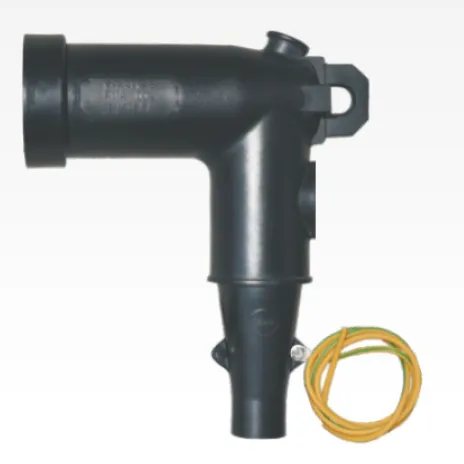
Vifaa vya mifumo ya kabele kwa mtindo wa Ulaya vinawakilisha aina tofauti ya vifaa vya umeme ambavyo vimepandwa kutokana na miaka mingi ya juhudi za kufanya viwango katika masoko ya Ulaya. Vifaa hivi vinajiendeleza mawazo maalum ya ubunifu, vitu vya kujenga, na mahitaji ya utendaji ambavyo yamovumilia kuingizwa kwenye vifaa vya kabele vilivyoundwa katika mikoa mingine kama vile Amerika Kaskazini, Asia, au Australia. Kuelewa sifa hizi za kuvumilia ni muhimu sana kwa wataalamu wa uhandisi na wafanyikazi wa kununua wanaopanga miradi ya kimataifa au wanaosoma uwezekano wa kufanana kwa vifaa katika mfumo tofauti za umeme.
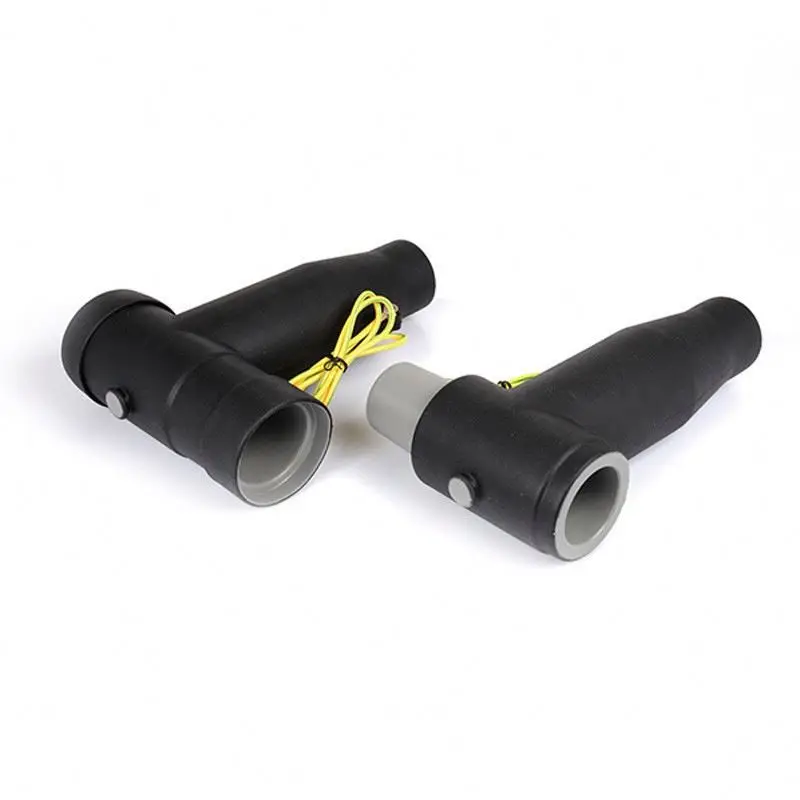
Tofauti za msingi katika viambatanishi vya mifumo ya kabeli ya mtindo wa Ulaya vinapitana zaidi ya mabadiliko ya uonekano tu ili kujumuisha vipengele muhimu vya uhandisi ikiwa ni pamoja na kipimo cha voltage, mahitaji ya ubao, viwajibikaji vya utendaji katika mazingira, na njia za kufupisha. Tofauti hizi zimeundwa kutokana na mazingira ya utaratibu tofauti, hali ya hewa, na mahitaji ya miundo ya umeme yanayotumika kote katika mitambo ya umeme ya Ulaya. Viambatanishi vya kabeli vya mtindo wa Ulaya vya sasa vinapaswa kufuata masharti makali ya alama ya CE na viwajibikaji vya viwango vya Ulaya vya kusaidiana ambavyo mara nyingi huvuka kile kinachohitajwa kwa utendaji wa msingi kama vilivyopatikana katika viwango vya mikoa mingine.
Falsafa ya Uundaji na Viwajibikaji vya Uhandisi
Uingizwaji wa Viwango vya Ulaya vya Kusaidiana
Vifaa vya kuchanganya vya mtindo wa Ulaya vinavyotokana na juhudi za kujiongezea kwa ukamilifu zilizofanywa na CENELEC (Bodi ya Ulaya ya Kusindikiza Viwango vya Umeme) na mabodi mengine ya kudhibiti yanayohusiana. Viwango hivi hufanya mahitaji ya kifani cha kawaida ambayo Vifaa vya kuchanganya vya mtindo wa Ulaya vinapaswa kujitimaea bila kujali nchi ambayo vilivyotengenezwa au kuvipakia. Mchakato wa kujiongezea unahakikisha kwamba vifaa vilivyotengenezwa kwa soko la Ulaya vinajumuisha mipaka ya usalama ya kawaida, uwezo wa kushinda mazingira, na vipengele vya utendaji ambavyo vinaweza kutofautiana sana na vifaa vilivyotengenezwa kwa masoko mengine ya mikoa.
Mbinu hii ya kusawazisha inaathiri kila upande wa ubunifu wa vitambaa vya ziada, kutoka kwa uchaguzi wa vitu vilivyotengenezwa na uvumilivu wa ukubwa hadi mifumo ya kujaribu na taratibu za kuhakikisha ubora. Vitambaa vya kuchanganya waya kwa mtindo wa Ulaya mara nyingi huja through mifumo ya kujaribu ya mazingira yenye nguvu zaidi, ikiwemo uwepo mrefu wa mabadiliko ya joto, uwepo wa unyevu wa juu sana, na tathmini za uwezo wa kuzuia kemikali ambazo zinarejelea hali tofauti za kufanya kazi zinazopatikana katika mitandao ya umeme ya Ulaya. Vitambaa hivi vinaripoti ubora bora wa kudumu na utendaji wa kudumu katika mazingira tofauti ya kufanikisha.
Ugawaji wa Tenshon na Mahitaji ya Kupanga
Mfumo wa uainishaji wa voltage uliotumika kwa vitambaa vya kuchanganya mizizi ya kisasa ya Ulaya unafuata viwango vya IEC lakini hujumuisha sababu za usalama zaidi na mahitaji ya uburudishaji ambayo yanasababisha bidhaa hizi ziwe tofauti na za mikoa mingine. Vitambaa vya Ulaya vinaweza kujumuisha uburudishaji wa msingi wa juu zaidi na sababu za kushuka kwa voltage zinazotumika kwa uchunguzi mkali, hasa kwa matumizi ya voltage ya wastani na ya juu. Mahitaji haya ya uburudishaji yanayopanua yanaonyesha mapenzi ya kuweka uhakika wa muda mrefu wa mfumo kuliko upanuzi wa gharama ya awali ambayo inawakilisha miradi mingi ya miundo ya umeme ya Ulaya.
Vifaa vya kuchanganya kwa mtindo wa Ulaya pia hujumuisha mahitaji maalum ya umbali wa kuchukua (creepage distance) na uainishaji wa kiwango cha uchafu (pollution degree) ambacho hufanikisha mazingira tofauti ya mazingira yanayopatikana katika mafundisho ya Ulaya. Mahitaji haya mara nyingi huleta vipimo vya kimwili vikubwa zaidi na mfumo wa kuvunja umeme (insulation) wenye nguvu zaidi kuliko vifaa vya kuchanganya vilivyoundwa kwa mazingira ya kudhibiti au hali za hewa tofauti. Muhimu uliowekwa kwenye upinzani dhidi ya uchafu na kuzuia kuchukua (tracking prevention) unafanya vifaa vya mtindo wa Ulaya kuwa bora sana kwa matumizi ya viwanda na mafundisho ya nje ambapo uwepo wa uchafu unawakilisha changamoto za uendeshaji kwa muda mrefu.
Mahitaji ya Vitu na Njia za Kujenga
Viashiria vya Silikon na Polymers
Uchaguzi wa vitu vilivyotengenezwa kwa ajili ya viambatanishi vya mifumo ya ujenzi ya Ulaya unafuata sheria za kemikali za Ulaya zenye ubunifu mkubwa ikiwemo utii wa REACH (Usajili, Tathmini, Ubakaji na Kuzuia Kemikali) na maelekezo ya RoHS (Kuzuia Vitu vya Kemikali vya Kuharibu). Mifano ya sheria hii inaathiri sana aina za polime, vitambulisho, na vifaa vya kusaidia utengenezaji vinavyoweza kujumuishwa katika viambatanishi vya mifumo ya ujenzi ya Ulaya. Vipengele vya vitu vilivyotengenezwa vinayotokana na hivyo mara nyingi vinatofautiana kwa kiasi kikubwa na vya vilivyotumika katika viambatanishi vilivyoundwa kwa ajili ya masoko yenye sheria za kemikali zisizokuwa na ubunifu mkubwa au yanayotaka mapendekezo tofauti ya mazingira.
Mchanganyiko ya silikoni yanayotumika katika vifaa vya kuchanganya mizigo ya kisasa ya Ulaya huonyesha uwezo bora wa kupambana na UV, upungufu wa ozoni, na ustahili wa joto kuliko vitu vilivyopangwa kwa mikakati mingine ya maeneo. Wafanyabiashara wa Ulaya wameundwa mchanganyiko maalum ya silikoni ambayo hukadhi ubunifu na sifa za umeme katika vyanzo vya joto vya urefu, pamoja na kuongeza uwezo wa kupambana na mashirika ya mazingira yanayotokana na tabia ya Ulaya. Vitu hivi vya kisasa vya mchanganyiko huchangia kuhakikisha maisha ya muda mrefu zaidi ya huduma na mahitaji ya udawiri ya chini, lakini yanaweza kuongeza gharama za kuanzisha uzalishaji kuliko vifaa vya kuchanganya mizigo vilivyotumia vitu vya kawaida.
Mienendo ya Uzalishaji
Vifaa vya kuchanganya mizizi ya mtindo wa Ulaya vinajengwa kwa kutumia mbinu ambazo zinakidhi mfumo wa ubora wa ISO na zinajumuisha mahitaji ya kufuatiliaji yanayozidi viwango vyenye kufanyika kwa kawaida katika masoko mengine ya mikoa. Udhibiti huu wa mbinu unahakikisha sifa za mara moja za vitu, uhitaji wa ukubwa wa sahihi, na utendaji wa umeme kote katika vikundi vya uzalisho. Watoa huduma wa Ulaya mara nyingi hufanya hatua za kuthibitisha ubora zaidi ikiwemo utamuzi wa vikundi, uthibitisho wa vitu, na vipimo vya udhibiti wa kihisabati vya mbinu ambavyo vunapasa imani ya kuongezeka kuhusu utendaji na uaminifu wa vifaa hivi.
Mchakato wa uzalishaji wa vifaa vya kuchanganya mizizi ya kisasa ya Ulaya pia hujumuisha mfumo wa usimamizi wa mazingira ambao unahusu kupunguza taka, ufanisi wa nishati, na kutafuta vitu vya kuzalisha vyenye ustawi. Mambo haya huathiri njia za uzalishaji, uchaguzi wa vitu vya kuzalisha, na mbinu za kufunga kwa njia ambazo zisipaswi kuhusishwa na vifaa vya kuchanganya mizizi vilivyoundwa kwa soko lingine. Bidhaa hujayo mara nyingi huvutia utendaji bora zaidi wa mazingira wakati wote wa maisha yao, wakishinda kushirikiana na vipengele vya umeme na vya kimwili.
Mazingira ya instalisheni na U совместимости
Viashiria vya Kuchanganya Mizizi
Vifaa vya kuchanganya mikondo ya mtindo wa Ulaya vimeundwa ili kufanana na ubunifu wa mikondo ya kufuata viwango vya mikondo vya Ulaya, ambavyo mara nyingi huvutana na ubunifu wa mikondo unaoitumika kwa wingi katika mikoa mingine. Tofauti hizi zinajumuisha mabadiliko katika ukubwa wa vifungo, u thicknes wa ulinzi, mifumo ya kufunga, na vitu vya kufunga vinavyohitaji mabadiliko yanayofanana katika ubunifu wa vifaa na taratibu za kusakinisha. Vifaa vya kuchanganya mikondo ya mtindo wa Ulaya mara nyingi hujumuisha vipimo vya kufanana na njia za kushirikiana zilizosahihishwa kwa ukubwa wa mikondo kwa mfano wa mita na viwango vya vifungo vya Ulaya.
Mahitaji ya uwezekano wa kufanya kazi pamoja kwa vifaa vya kuchanganya mizizi ya mtindo wa Ulaya vinazidi kufikia kufanana tu kwa ukubwa, ikiwemo udhibiti wa mashakili ya umeme, ukalimishaji wa mazingira, na vipengele vya kupunguza mgawo wa kisasa ambavyo vinaeleza sifa maalum za utendaji wa mizizi ya mtindo wa Ulaya. Vifaa hivi mara nyingi hujumuisha vipengele vya udhibiti wa mashakili vilivyobolewa zaidi na vibarua vya mazingira vya kisasa zaidi ili kusaidia mahitaji ya utendaji bora zaidi na miadi ya huduma ndefu zinazotokana na miradi ya msingi wa umeme wa Ulaya.
Mahitaji ya Zana na Mbinu za Kufanya Kazi
Vifaa vya kuchanganya mizizi ya kisasa vinavyotokana na Ulaya mara nyingi huitaji zana za kufanya kazi na mbinu za kufanya kazi ambazo zinatofautiana na zile zinazotumika na vifaa vya kuchanganya mizizi vilivyoundwa kwa mikundi mingine ya soko. Mahitaji haya yanasaidia kuonyesha muhimu wa ubora wa kufanya kazi na uwezekano wa kusimama kwa muda mrefu ambao unahusiana na mbinu za msingi ya umeme wa Ulaya. Mbinu za kufanya kazi kwa vifaa vya kuchanganya mizizi ya kisasa vinavyotokana na Ulaya mara nyingi hujiandaa kwa hatua nyingi zaidi, vipimo vya ziada vya ubora, na mahitaji ya kurekodi kwa undani kuliko mbinu rahisi za kufanya kazi zinazotumika mahali pengine.
Mahitaji ya uwekaji wa viambatanishi vya kabeli vya mtindo wa Ulaya pia hujumuisha standa za usalama na hatua za kulinda wafanyikazi ambazo zinaweza kuzidi mahitaji katika mikoa mingine. Mambo haya huathiri ubunifu wa zana, mtaratibu ya uwekaji, na sheria za usalama kwa njia ambayo huzuia ubora wa uwekaji kwa kudumu wakati wa kuhifadhi mipaka ya usalama ya kutosha. Mtaratibu ya uwekaji inayotokana na hayo mara nyingi huthibitisha mafunzo ya ziada na uthibitisho lakini hutoa uhakika zaidi katika utendaji wa kudumu wa viambatanishi na uaminifu wa mfumo.
Vipengele vya Utendaji na Mahitaji ya Uchunguzi
Viwango vya Utendaji wa Mazingira
Vifaa vya kuchanganya vya mtindo wa Ulaya vinahitaji kujitimiza mahitaji ya utendaji wa mazingira ambayo yanaeleza hali za tabia ya anga tofauti zinazopatikana katika mazingira ya Ulaya, kutoka kwa joto la Mediteranea hadi baridi ya Kaskazini na kutoka kwa uwepo wa chumvi kwenye pwani hadi uchafuzi wa viwanda. Mahitaji haya mara nyingi yanazidi mahitaji ya mazingira ya vifaa vilivyoundwa kwa mikoa ya jiografia iliyosimamishwa au mazingira ya kufanywa kazi iliyoyasimamishwa. Viwadi vya kujaribu vya Ulaya vinaingiza mzunguko umezidi wa kuchukua wakati, vitendo vingi vya mazingira, na taratibu za kuharibika haraka ambazo zinatoa uhakika wa utendaji wa muda mrefu chini ya hali ngumu.
Mahitaji ya kujaribu mazingira kwa ajili ya viambatanishi vya waya kwa mtindo wa Ulaya pia yanahusu wasiwasi maalum ya Ulaya kama vile upinzani dhidi ya mvua ya asidi, uwajibikaji wa kemikali za kilimo, na athari za u загрязнение wa miji ambazo zinaweza siyo ya muhimu katika masoko mengine ya mikoa. Mifano ya kujaribu haya ya kipekee inahakikisha kwamba viambatanishi vya waya kwa mtindo wa Ulaya hushinda sifa zao za umeme na za kiufundi kote katika uhai wa huduma ndefu hata wakati wanapopatwa na changamoto za mazingira iliyokomaa ambazo zinaweza kutokea katika usanisaji wa Ulaya.
Utendaji wa Umeme na Mipaka ya Usalama
Mahitaji ya utendaji wa umeme kwa vitambaa vya kuchanganya mikondo ya kisasa vinajumuisha mipaka ya usalama na sababu za kupunguza uwezo vinazotokana na mbinu za uhandisi zinazotumika kwa uchafu kwa mfumo wa umeme wa Ulaya. Mipaka hii mara nyingi huwakilisha mahitaji ya chini zaidi ya yale yanayotarajiwa katika viashiria vya kimataifa na hutoa ulinzi ziada dhidi ya mazingira ya kufanya kazi ambayo hayajatambuliwa au tofauti za uwekaji. Vitambaa vya kuchanganya mikondo ya kisasa vya mtindo wa Ulaya kawaida huvutia utendaji bora zaidi katika majaribio ya kutolewa kwa sehemu, kushinda volti ya mwisho, na upinzani wa kudumu dhidi ya mzigo wa umeme kuliko vitambaa vilivyoundwa kwa lengo la kujifunza mahitaji ya msingi ya kimataifa tu.
Mbinu za kujaribu umeme zinazotumika kwa vitambaa vya mifumo ya kuvuruga vinavyo kutokana na Ulaya pia hujumuisha mahitaji maalum ya Ulaya kama vile viwango vya juu vya uwezekano wa kufanya kazi kwa pamoja kwa umeme na uwezo wa kushinda mkondo wa kuharibika. Mahitaji haya husaidia kuhakikisha kwamba vitambaa hivyo hufanya kazi kwa uaminifu ndani ya mitambo ya umeme ya kipekee ambayo inatumika kwa wingi katika matumizi ya Ulaya, wakati huo hupanua uwezekano wa kufanya kazi pamoja na mifumo ya ulinzi na ufuatiliaji ya kisasa. Tabia za utendaji wa umeme zinazopatikana mara nyingi zinazidi mahitaji yanayotolewa kwa vitambaa vilivyoundwa kwa ajili ya mitambo rahisi ya umeme au mbinu tofauti za kufanya kazi.
Maswali Yanayoulizwa Mara kwa Mara
Je, vitambaa vya mifumo ya kuvuruga vinavyo kutokana na Ulaya vinaweza kufanya kazi pamoja na mifumo ya kuvuruga kutoka kwenye mikoa mingine?
Vifaa vya kuchanganya mizizi ya kisasa vinavyotokana na Ulaya vinaweza kutahitaji ubadilisho au uboreshaji ili kufanya kazi vizuri pamoja na mizizi iliyoundwa kwa kiasi cha kisasa cha Ulaya. Tofauti katika ukubwa wa vifungo, u thicknes wa ulinzi, na mpangilio wa ulinzi unaweza kuathiri usawirishwaji na utendaji. Inapendekezwa kufanywa tathmini ya wataalam ili kuhakikisha kwamba vifaa vya kisasa vinavyotokana na Ulaya vinafiti sawa na kina sifa za umeme zinazohitajika wakati wa kutumia vifaa hivi pamoja na mizizi ya kisasa isiyo ya Ulaya.
Ni nini malipo makuu yanayosababishwa na kutumia vifaa vya kuchanganya mizizi ya kisasa vinavyotokana na Ulaya?
Vifaa vya kuchanganya mizizi ya kisasa vinavyotokana na Ulaya mara nyingi huwa na gharama za awali za juu kwa sababu ya matukio ya kuboresha, udhibiti wa juu wa uzalishaji, na mahitaji ya kujaribu zaidi. Hata hivyo, vifaa hivi mara nyingi hutoa gharama ya maisha yote ya chini kupitia kuongezeka kwa uaminifu, maisha ya muda mrefu zaidi, na mahitaji ya udhibiti chini. Athari ya jumla ya gharama inategemea mahitaji ya maombi ya kipekee na mapendekezo ya uendeshaji.
Mahitaji ya kusambaza yanatofautiana vipi kwa vifaa vya kuchanganya mizizi ya kisasa vinavyotokana na Ulaya?
Kuweka kifaa cha kuchanganya kwa mtindo wa Ulaya mara nyingi huitaji zana maalum, hatua za ujuzi zaidi kabla ya kuweka, na taarifa zinazozidisha kuliko kifaa cha kuchanganya kilichotengenezwa kwa mikundi mingine ya soko. Wafanyikazi wa kuweka wanaweza kutahitaji mafunzo ya ziada na uthibitisho ili kuweka kifaa hiki kwa usahihi. Mahitaji ya kuweka yanayotaka juhudi zaidi huenda kusaidia kuboresha utendaji wa muda mrefu na uaminifu.
Je, kifaa cha kuchanganya kwa mtindo wa Ulaya kinaweza kutumika katika mfumo wa umeme usio wa Ulaya?
Kifaa cha kuchanganya kwa mtindo wa Ulaya mara nyingi kinaweza kutumika katika mfumo wa umeme usio wa Ulaya, lakini uhakiki wa ufanisi ni muhimu sana. Tofauti katika viwango vya volt, mbinu za kujisajili (grounding), na miongozo ya ulinzi wa mfumo inaweza kuathiri ufanisi na utendaji. Tathmini ya mhandisi wa kitaalamu inapaswa kuthibitisha kwamba kifaa cha kuchanganya cha Ulaya kina kufanana na kanuni za umeme za eneo hilo na mahitaji ya mfumo kabla ya kuwekwa.
Orodha ya Maudhui
- Falsafa ya Uundaji na Viwajibikaji vya Uhandisi
- Mahitaji ya Vitu na Njia za Kujenga
- Mazingira ya instalisheni na U совместимости
- Vipengele vya Utendaji na Mahitaji ya Uchunguzi
-
Maswali Yanayoulizwa Mara kwa Mara
- Je, vitambaa vya mifumo ya kuvuruga vinavyo kutokana na Ulaya vinaweza kufanya kazi pamoja na mifumo ya kuvuruga kutoka kwenye mikoa mingine?
- Ni nini malipo makuu yanayosababishwa na kutumia vifaa vya kuchanganya mizizi ya kisasa vinavyotokana na Ulaya?
- Mahitaji ya kusambaza yanatofautiana vipi kwa vifaa vya kuchanganya mizizi ya kisasa vinavyotokana na Ulaya?
- Je, kifaa cha kuchanganya kwa mtindo wa Ulaya kinaweza kutumika katika mfumo wa umeme usio wa Ulaya?