
 EN
EN
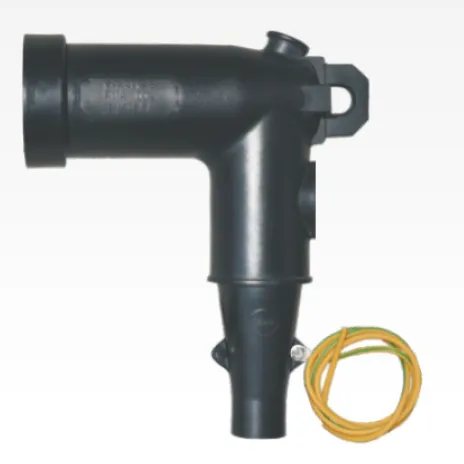
የኤሌክትሪክ አውታረመዳን ውስጥ የልዩ ሃይል መላካት ደህና በሚሆን መልኩ የሚያወጣው በከብል መካከለኛ ጣቶች የተመሰረተ ነው፣ እነዚህ ጣቶች በማእከላዊ እና በከፍተኛ የቮልቴጅ ስርዓቶች ውስጥ የከብሎች ክፍሎች መካከል ያሉ የጠንካራ ጣቶች ናቸው። እነዚህ ጣቶች በአገልግሎት ዘመናቸው ውስጥ የኤሌክትሪክ ተቀባይነትን ሲቆያ እንዲሁም የንብረት ጥበቃ፣ የሜካኒካል ጥንካሬ እና የአካባቢ ጥበቃ ማቅረብ አለባቸው። የከብል መካከለኛ ጣቶች ትክክለኛ ስብስብ፣ የድጋፍ ሥራ እና የደህንነት ስርዓቶችን ማወቅ የኃይል አቃፊነት፣ የציוד ጥፋት እና ከጣቶች የሚከሰቱ ችግሮች ምክንያት የሚፈጠሩ የደህንነት አደጋዎችን ማስወገድ የሚያስችል ነው።
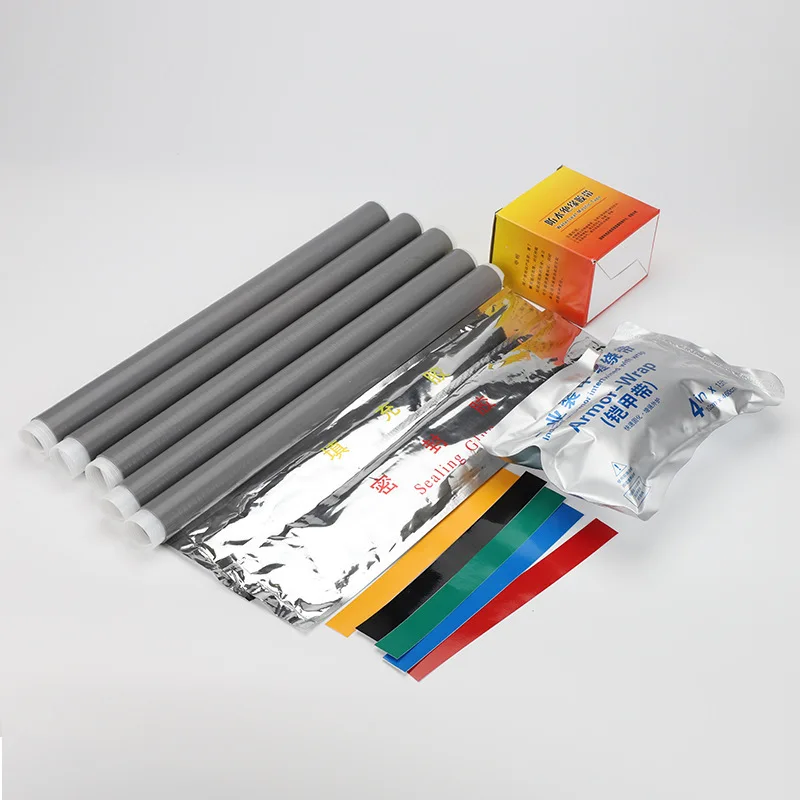
የዘመናዊ የልብስ ማሰራጨት ስርዓቶች የስፋት የሚያስከተሉ የካብል መካከለኛ ጣጣዎች በተለያዩ የአካባቢ ሁኔታዎች፣ የኤሌክትሪክ ጭነቶች እና የሜካኒካል ጫናዎች ስር በፍጹም ሁኔታ ለመስራት የሚያስፈልጉ የስብስብ ውስብስብነት ይጠይቀዋል። የደህንነቱን ማስረጃ የሚያስገድድ የልብስ ማሰራጨት ለማድረግ የሙሉ የጥራት ቁጥጥር ደንቦችን መተግበር፣ የኢንዱስትሪ ደንቦችን መከተል እና ከፍተኛ አደጋ የሚያስከትሉ ችግሮችን በቅድሚያ ለመለየት የሚችሉ የስርዓታዊ ምልከታ ሂደቶችን መቋቋም አስፈላጊ ነው። ይህ የስርዓታዊ አቀራረብ የጣጣ ደህንነት በመጀመሪያ የዲዛይን አስተሳሰብ እስከ የቀጣይ የገንዘብ ሂደቶች ድረስ ሁሉንም ያካትታል።
የካብል ጣጣ ደህንነት የሚያስፈልጉ አስተያየቶችን መረዳት
ለካብል መካከለኛ ጣጣዎች የኤሌክትሪክ ደህንነት ደንቦች
የካብል መካከለኛ ጣጣዎች የኤሌክትሪክ ደህንነት ጥራት የሚያስተዳድሩ ጥናቶችን ማሟላት አለባቸው፣ ይህም የግንኙነት ደረጃ፣ የአሁኑ ችሎታ እና የጎዳና ተከፋይነትን ያካትታል። እነዚህ ጥራቶች፣ የIEC 60840 እና የIEEE 404 ያሉ እነዚህ፣ የዲኤሌክትሪክ ጠንካራነት፣ የከፍተኛ ክፍል የኤሌክትሪክ አፈር ደረጃ እና የሙቀት አፈገንተኝነት ለመጠበቅ የሚያስፈልጋቸውን አነስተኛ ጥራቶች ይዘጋሉ፣ እነዚህ ጥራቶች በჩ normally እና በአደጋ ሁኔታዎች ውስጥ የደህንነት አፈገንተኝነት ያረጋግጣሉ። የእነዚህ ጥራቶች ትክክለኛ መከተል የኤሌክትሪክ የስራ ውድቀትን ይከላከላል፣ የፍላሽኦቨር አደጋን ያቀንሳል እና በጎዳና ሁኔታዎች ውስጥ የሰርቪስ ስታቢሊቲ ያስተዳድራል።
የካብል መካከለኛ ጣጣዎች የኤሌክትሪክ ዲዛይን በጣም አስፈላጊ የሆነው የቮልቴጅ ግፊት ማሰናጃ ላይ ነው፣ እና የኤሌክትሪክ መስኮች በሙሉ የተገለጸው የመገኘት ደረጃ ውስጥ ይቀመጣሉ። ይህ የተሻለ የግድስ ቁሳቁስ ምርጫ፣ ትክክለኛ የማያያዝ ግንኙነቶች እና የሚያስከብር የሽፋፍ ስርዓቶችን ያካትታል፣ እነዚህ የኮሮና ዳይስቻርጅን ይከላከላሉ እና ረጅም ጊዜ የኤሌክትሪክ የስራ አቅርቦትን ያስተዳድራሉ። የእነዚህ የኤሌክትሪክ ዕድሜዎች ተደጋጋሚ ፈተና የደህንነት ደረጃዎች ከቀረበው ጋር የሚቀርቡትን ለማረጋገጥ ይረዳል።
ሜካኒካል እና የአካባቢ ጥበቃ
የካብል መካከለኛ ግንኙነቶች ለሜካኒካል ደህንነት የሚያስፈልጉ ጥቅሞች የሚከተሉት ናቸው፡ በቂ የመጫን ጥንካሬ፣ የማጎዳት ተቃወም፣ እና የሙቀት ማስፋፋት እና የመሬት እንቅስቃሴ ለመቋቋም የሚያስችሉ ጥንካሬ። የግንኙነቱ አሰምብሊ የውጭ ኃይሎችን ሳይገድል የኤሌክትሪክ ግንኙነቶችን ሳይበላሽ እና የእርጥብ መበላሽ ስለ የእርጥብ መቀነስ ምክንያት ሆኖ የሚያስከትል የውሃ ግቤት ሳይፈቀድ መቋቋም አለበት። በትክክል የሜካኒካል ዲዛይን የሚያደርገው የተከሰተ ጭንቀት የሚፈጠረውን ነጥብ ለመከላከል ነው፣ ይህም በአጠቃላይ የካብል ማንጎል ወይም የእርጥብ ቀስቀስ ሊያስከትል ይችላል።
የአካባቢ ጥበቃ የካብል መካከለኛ ግንኙነቶችን ከውሃ፣ ከเคมካሎች እና ከሌሎች አሳሳቢ ነገሮች ለመከላከል የሚያስፈልገውን ማስተካከል ያካትታል፣ እነዚህ ነገሮች የግንኙነቱ አፈፃፀምን ሊበላሽ ይችላሉ። ይህ የሚያካትት የተስማሚ ግስኮች፣ የማስተካከል እቃዎች እና የጠበቃ ቤቶችን መጠቀም ነው፣ እነዚህ በተጠበቀው አገልግሎት ጊዜ ውስጥ የራሳቸውን የስራ አፈፃፀም ያቆያሉ። የሙቀት ለውጦች፣ የአልትራ ቪዮሌት (UV) ተጽዕኖ፣ እና የเคมካል ተስማሚነት ሁሉ የחומרים ምርጫ እና የጥበቃ ስርዓቶች ዲዛይን ሲደረግ ማስተዋል ያስፈልጋል።
ለደህንነት የሚሠራ ግንኙነት ስራ ሂደቶች
የቅድመ-ትክክለኛ ትክክለኛነት ዕቅድ
የካብል መካከለኛ ጣጣዎች የተደረገ ትክክለኛነት ትክክለኛነት ከሙሉ የተዘጋጅ ዕቅድ ጀምራለታል፣ ይህም የቦታ ፍተሻ፣ የንጥረገሶች አቀማመሽ እና የትክክለኛነት ስርዓቶች ተቋማት ያካትታል። ይህ የእቅድ ዘመን አስተዳደር የሚያስከትለውን አደጋ ማግኘት፣ ትክክለኛ የስራ ሂደቶችን ማቋቋም እና የስራ መጀመር በፊት ሁሉም የሚያስፈልጋቸው መሳሪያዎች እና ነገሮች ተገኝተው እንዲኖሩ ማረጋገጥ አለበት። ትክክለኛ ዕቅድ የስራ ጊዜን ይቀንሳል፣ የኤሌክትሪክ አደጋዎች ላይ የሚሰጠውን ምላሽ ይቀንሳል እና ብዙ ጣጣዎች ላይ የሚደረገውን የትክክለኛነት ጥራት ያረጋግጣል።
ለ የካብል መካከለኛ ጣብያዎች የስራ ቦታ አቀማመሽ የተቋረጡ የኤሌክትሪክ መስኮችን ማረጋገጥ፣ ትክክለኛ የመሬት ማገናኛ ሂደቶችን ማቋቋም እና የጣጣዎች ክፍሎችን ማጠኑ የማይፈቀድ የፀሐይ ሁኔታ የሚፈጠር የአስተዳደር ሁኔታ መፍጠር ያካትታል። የሙቀት፣ የአየር ሞተርነት እና የרוח ሁኔታ ያሉ የአካባቢ ሁኔታዎች በተሻለ የስራ ሁኔታ ለማረጋገጥ እና በረጅም ጊዜ የትክክለኛነት ለማረጋገጥ የሚያስከትሉ የጥራት ችግሮችን ለመከላከል ይፈተናሉ።
በደረጃ በደረጃ የማስተላለፍ ደህንነት ፕሮቶኮሎች
የካብል መካከለኛ ጣጣዎች ማስተላለፍ ሂደት ለሰው እና ለציוד ሁለቱም የደህንነት ፕሮቶኮሎች በሙሉ ማከብር ያስፈልጋል። ይህ የግለሰብ የደህንነት መሣሪያዎችን ትክክለኛ አጠቀም፣ የአይስዮሌሽን ሂደቶችን ማረጋገጫ እና በእያንዳንዱ የማስተላለፍ ደረጃ ላይ የስራ ጥራት ፖለቲካዎችን ማከብር ያካትታል። እያንዳንዱ ደረጃ የመርከብ ተጠቃሚ የተዘጋጀውን የማስተላለፍ ደንቦች እና የኢንዱስትሪ ምርጥ አሰራር በመከተል የደህንነት እና የተረጋጋ የጣጣ ክስተት ለማረጋገጥ ያስፈልጋል።
የክሪቲካል ማስተናገድ ደረጃዎች የትክክለኛ ካብል የመዘጋጀት፣ የኮንዳክተር ግንኙነት ቴክኒኮች፣ የኢንሶሌሽን ማስተናገድ እና የመጨረሻው የአሰምብሊ ማረጋገጫ ያካትታሉ። እያንዳንዱ የፋዘ የተወሰነ የደህንነት አጠቃቀሞችን ያስፈልጋል፣ ለምሳሌ የኢንሶሌሽን መያዣ ጊዜ የኤሌክትሮስታቲክ ዲስቾርጅ የመከላከል ስርዓቶች፣ የኮንዳክተር ግንኙነት ላይ የትክክለኛ ቱርኩ መተግበር እና የአሰምብሊ ሂደት ውስጥ የማንኛውም ክፍተት መከላከል። የእያንዳንዱ ደረጃ ማስታወሻ የትራሴቢሊቲ ማረጋገጫን ያረጋግጣል እና ለወደፊት የድጋፍ እንቅስቃሴዎች የማጣቀሻ መረጃ ይሰጣል።
የጥራት ቁጥጥር እና የፈተና ዘዴዎች
የፕሪ-ኤነርጂዛሽን የፈተና ጥያቄዎች
የካብል መካከለኛ ጣጣዎች በኤነርጂ ማስገባት በፊት የሚደረግ የሙሉ ፈተና የሰላማዊ ክዋሳ ማረጋገጫ እና ሰው ወይም መሣሪያ ላይ አደጋ የሚፈጥሩ የክዋሳ ችግሮችን ማስቀረት የሚያስችል ነው። እነዚህ ፈተናዎች የንብረት ተቃውሞ ምርጫዎች፣ የአካል ክፍል የኤሌክትሪክ ምልክት ፈተና (Partial discharge testing) እና የቻይን የቮልቴጅ ፈተና ይጨምራሉ፣ ይህም የተጠናቀቀው ጣጣ የኤሌክትሪክ የስራ አቅም ማረጋገጫ ነው። ትክክለኛ የፈተና ሂደቶች በክዋሳ ችግር ምክንያት ሆነው የሚከሰቱ የማስተዳድር ችግሮች ወይም የንብረት ችግሮችን በክዋሳ ችግር ምክንያት ሆነው በፊት ማግኘት ይረዳሉ።
የፈተና ሂደቶች በተቋቋመው ደንብ መከተል እና በትክክል የተስተካከለ መሣሪያ መጠቀም አለባቸው እንዲሁም የፈተና ውезультат ትክክለኛ እና የተቀበለ የሆነ የፈተና መስፈርት ጋር ሲወዳደር ትክክለኛ መሆን ይኖርባቸዋል። ይህ የከፍተኛ ቮልቴጅ ፈተና የክዋሳ ጥራት ማረጋገጫ የሚያስችል እና የሙቀት ለውጦችን በተመሳሳይ የሚፈተና የሙቀት ማዞሪያ ፈተና (thermal cycling tests) እና የስትራክቸር የስራ አቅም ማረጋገጫ የሚያስችል የሜካኒካል ፈተና ይጨምራል። ሁሉም የፈተና ውጤቶች ለወደፊት ማጣቀሻ እና ለሕግ ተስማሚነት ማስቀመጥ እና ማስቀመጥ አለባቸው።
የተጠቀመ ማከታተያ እና የእውነታ የማስተዋል ዘዴዎች
በስራ ላይ እያሉ የኬብል መካከለኛ መገጣጠሚያዎችን ቀጣይነት ያለው ክትትል ደህንነትን ወይም አስተማማኝነትን ሊያበላሹ የሚችሉ ችግሮችን አስቀድሞ ማስጠንቀቂያ ይሰጣል። ይህም የሚያድጉ ትኩስ ቦታዎችን ለመለየት የሙቀት ክትትል፣ የኢንሱሌሽን መበላሸትን ለመለየት ከፊል የፈሳሽ ክትትል እና ውጫዊ ጉዳት ወይም የአካባቢ ተፅእኖዎችን ለመፈተሽ የእይታ ምርመራዎችን ያካትታል። መደበኛ ክትትል የጥገና መርሃ ግብሮችን ለማመቻቸት እና ያልተጠበቁ ውድቀቶችን ለመከላከል ይረዳል።
የካብል መካከለኛ ጣቶች ለማ-chanelling የተሻለ የዳዮኔስቲክ ቴክኒኮች የኃይል ፍሬኳንሲ ፈተና፣ ታን ዲልታ መለኪያዎች እንዲሁም የአኩስቲክ ማስተናገድ ያካትታሉ፣ እነዚህ ቴክኒኮች የጣት ሁኔታ ላይ የሚከሰቱ ትንሽ ለውጦችን በክሪቲካል ሆኖ በፊት ማስተናገድ ይችላሉ። እነዚህ ቴክኒኮች የተለየ የציוד እና የተ đào የሰው ሃይሎችን ይፈልጋሉ፣ ነገር ግን የጣት ጤና እና የቀሩ የስራ ጊዜ ስለ በጣም ዋጋ ያላቸው መረጃዎችን ይሰጣሉ። የዳዮኔስቲክ መረጃ በጊዜ ውስጥ የሚከሰቱ ቀላል የበላሽነት አ_patterns ለማግኘት የሚያስችል የመረጃ ቅርጽ ማከታተል ይረዳል፣ ይህ አ_patterns ከአንድ ነጥብ መለኪያ ብቻ ሲታይ ምንም አይታይም።
ድጋፍ ስራ እና የደህንነት አስተዳደር
የቀድሞ የአገልግሎት ፕሮግራሞች
የተመሰረተ የካብል መካከለኛ ጣጣዎች የገንዘብ አስተዳደር ፕሮግራሞች የተዘጋጁ የፈተና ሂሳብ፣ የሁኑታዊ ሁኔታ ተከታይነት፣ እና የተቋቋሙ የመለያ መመሪያዎች እና የማምረት ተቋማት አቅጣጫዎች መሰረት የሚደረጉ የክፍሎች መቀየር ይጨምራሉ። እነዚህ ፕሮግራሞች በስህተቶች ወይም የደህንነት አደጋዎች ምክንያት ሆኖ በመገኘት በፊት የሚከሰቱ የአደጋ ምልክቶችን ማግኘት እና መፍታት በኩል የተቀጠሩ የደህንነት አሰራር ለማረጋገጥ ይረዳሉ። የተሻለ የገንዘብ አስተዳደር ስርዓት የደህንነት ጥребታዎችን ከሥራ ፍላጎቶች እና ከዋጋ አስተያየቶች ጋር ይመጣል።
የካብል መካከለኛ ጣጣዎች ላይ የሚደረጉ የገንዘብ አስተዳደር እንቅስቃሴዎች የውጭ ክፍሎች የእይታ ፈተና፣ የኢንሶሌሽን ስርዓቶች የኤሌክትሪክ ፈተና፣ እና የהגנה ስርዓቶች የተሟላነት ማረጋገጫ ይጨምራሉ። እያንዳንዱ እንቅስቃሴ የተለየ የደህንነት ሂደቶችን እና የተመረቀ ሰው ይ треባል ለደህንነት እና በተሳካ ሁኔታ ሥራ ማድረግ እንዲቻል። የገንዘብ አስተዳደር እንቅስቃሴዎች ማስታወሻ ለማስተካከል የሚያገለግል ታሪክ ይሰጣል እና የወደፊት የገንዘብ አስተዳደር ጊዜያትን ለማሻሻል ይረዳል።
የአደጋ ምላሽ እና የስህተት አስተዳደር
የካብል መካከለኛ ጣጣዎች የተሳሳቱ ሁኔታዎች ለአደጋ ምላሽ ሂደቶች አንድ ጊዜ ላይ ሁለቱንም በቀጥታ የሚያስከትሉ የደህንነት ጥያቄዎችን እና የሰርቪስ መመለስ አስፈላጊነቶችን መፍታት አለባቸው። ይህ የተሳሳቱ ጣጣዎችን ማዘዝ፣ የተበላሹ ክፍሎችን መገምገም እና የማረም ሂደቶች ሲዘጋጁ በአጠቃላይ የኃይል አቅርቦት ለመመለስ የጊዜያዊ አጠቃቀሞችን መተግበር ያካትታል። የተሳካ የአደጋ ምላሽ ሂደት የደህንነት አደጋዎችን ያቀናል እና የተነካፉ የደንበኛዎች አቅርቦት የተቆረጠ ጊዜን ያቀንሳል።
የካብል መካከለኛ ጣጣዎች የተሳሳቱ ሁኔታዎች ለመተንተን ሂደቶች የመሰረታዊ ምክንያቶችን ለመለየት እና በወደፊት ተመሳሳይ ችግሮችን ለመከላከል ይረዳሉ። ይህ የተበላሹ ክፍሎችን ፍተሻ፣ የስራ ሁኔታዎችን ትንተና እና የማስተዋል እና የግንኙነት መዝገቦችን ማንታናት ያካትታል። የተሳሳቱ ሁኔታዎች ምехኒዝሞችን ማስተዋል የዲዛይን፣ የማስተዋል እና የግንኙነት ሂደቶችን ያሻሽላል እና የሙሉው ሴርቪስ የደህንነት እና የተረጋጋነት ጥራትን ያሻሽላል።
የአደጋ ግምት እና የአደጋ መቀነስ አ Strategiዎች
የተለመዱ የደህንነት አደጋዎችን ማግኘት
ከካብል መካከለኛ ጣጣዎች ጋር የተያያዙ የተለመዱ የደህንነት አደጋዎች የኤሌክትሪክ ማስተናገድ፣ የአርክ ፍላሽ፣ የስልሳኔ ጋዝ ማስተናገድ እና በ lắpka ወይም በግንባታ ዘመን የሚከሰቱ የሜካኒካል ጉዳቶች ናቸው። እያንዳንዱ አደጋ የሚያስፈልገው የተለየ የአደጋ መቀነስ ስራ እና የደህንነት ስለ ሰዎች ጥበቃ እና የደህንነት ያልሆኑ የስራ ሁኔታዎችን ማስወገድ የሚያስችሉ ስለ ሰዎች ጥበቃ እና የደህንነት ያልሆኑ የስራ ሁኔታዎችን ማስወገድ የሚያስችሉ የደህንነት ስለ ሰዎች ጥበቃ እና የደህንነት ያልሆኑ የስራ ሁኔታዎችን ማስወገድ የሚያስችሉ የደህንነት ስለ ሰዎች ጥበቃ እና የደህንነት ያልሆኑ የስራ ሁኔታዎችን ማስወገድ የሚያስችሉ የደህንነት ስለ ሰዎች ጥበቃ እና የደህንነት ያልሆኑ የስራ ሁኔታዎችን ማስወገድ የሚያስችሉ የደህንነት ስለ ሰዎች ጥበቃ እና የደህንነት ያልሆኑ የስራ ሁኔታዎችን ማስወገድ የሚያስችሉ የደህንነት ስለ ሰዎች ጥበቃ እና የደህንነት ያልሆኑ የስራ ሁኔታዎችን ማስወገድ የሚያስችሉ የደህንነት ስለ ሰዎች ጥበቃ እና የደህንነት ያልሆኑ የስራ ሁኔታዎችን ማስወገድ የሚያስችሉ የደህንነት ስለ ሰዎ...... የእነዚህ አደጋዎች እና የእነዚህ ምክንያቶች ግምት ውስጥ ማስገባት በጣም አስፈላጊ ነው በተመሳሳይ የደህንነት አስተዳደር ስርዓቶችን ለመፍጠር።
የካብል መካከለኛ ጣጣዎች ለሚፈጠሩ የአካባቢ አደጋዎች ውሃ ውስጥ መግባት፣ የเคมካል ማስተናገድ፣ የሜካኒካል ጉዳት እና የሙቀት ጭነት ናቸው፤ እነዚህ አደጋዎች የጣጣውን የስራ አቅም ሊበላሽ ይችላሉ እና የደህንነት አደጋዎችን ሊፈጥሩ ይችላሉ። እነዚህ አደጋዎች በትክክል የተዘጋጀው፣ በትክክል የተ lắpka እና በትክክል የተሰራው የግንባታ እና የግንባታ ስራዎች በማድረግ መፍታት ያስፈልጋል እነዚህ አደጋዎችን ለመቀነስ እና በሁሉም የጣጣው የስራ ጊዜ ዘመን የሚያስፈልጋቸውን የደህንነት ጥበቃዎችን ለመስጠት። የአካባቢ ሁኔታዎች በየጊዜው የሚደረገው የማስessment ለሚቀየሩ የአደጋ ምክንያቶች ማስተዋል ይረዳል እና ተጨማሪ የደህንነት ጥበቃዎች ከፈለጉ ለማድረግ ይረዳል።
የሙሉ የደህንነት ስርዓቶች መተግበር
የካብል መካከለኛ ጣጣዎች የተጠናቀቀ የደህንነት ስርዓቶች በአሰራር የደህንነት ክፍሎች፣ በማስተላለፊያ ጥራት ቁጥጥር፣ በክዋኔ ምልክት ማስተዋል እና በአደጋ ጊዜ ምላሽ ስራዎች የሚገነቡ ብዙ ደረጃዎችን የደህንነት ጥበቃ ያካትታሉ። ይህ ብዙ ደረጃዎች የተዋሃዱ የደህንነት ስርዓት አንድ ነጥብ የውድቅ ስራ ለሙሉው ስርዓት የደህንነት ደረጃ አይጎዳም ሆኖ በክритካል ሁኔታ ስለሚቀርብ የሚችሉ ችግሮችን ለመለየት እና ለመፍታት ብዙ እድሎችን ያስተዋል።
የደህንነት ስርዓቱን መተግበር የአሰራር ምሁራን፣ የማስተላለፊያ ቡድኖች፣ የክዋኔ ሰራተኞች እና የትእዛዝ ቡድኖች መካከል የሚካሄድ የስራ ስብስብ ያስፈልጋል እና የጣጣ ዕድሜ ሙሉ ዘመን ውስጥ የደህንነት መርሆች ቅጽልት ለመተግበር ያስተዋል። የተደጋጋሚ ስልጠና፣ የሰነዶች የተሻሻሉ እና የደህንነት ፍተሻዎች ከፍተኛ የደህንነት ደረጃዎችን ለመጠበቅ እና የደህንነት ስራ በቀጣይነት ለማሻሻል ያስተዋል። የደህንነት ስርዓቱ ወደ የተሰራጨ የኤሌክትሪክ አገልግሎት የደህንነት አስተዳደር ስርዓቶች ማዋሃድ ቅጽልትን ያስተዋል እና የድርጅት የደህንነት ሀብቶችን በተመሳሳይ ሁኔታ ያስተዋል።
ተደጋጋሚ ጥያቄዎች
ከካብል መካከለኛ ጣጣዎች ማስተዋል ጊዜ ላይ በጣም አስፈላጊ የሆኑ የደህንነት ነገሮች ምንድናቸው?
በጣም አስፈላጊ የሆኑ የደህንነት ነገሮች የመክሰያ ወረዳ ትክክለኛ የመከፋፈል እና የመሸፍን ሂደቶች፣ የሚገባውን የግለሰብ የደህንነት መሣሪያ መጠቀም፣ የማርካ ተከታዮች የማስተዋል ሂደቶችን መከተል፣ የአካባቢ ማጠናከሪያ ማከላከል፣ እና በኤሌክትሪክ ማስገባት በፊት የሙሉ የተሟላ ፈተና ናቸው። እያንዳንዱ ነገር በጥንቃቄ መ Quarry ይገባል እንዲሁም የሰው ልጅ ደህንነት እና የጣጣው ተስፋ በየጊዜው የሚሰራ ተስፋ ለማረጋገጥ ያስፈልጋል።
የካብል መካከለኛ ጣጣዎች የደህንነት መስፈርት ለማረጋገጥ ስንት ጊዜ ተመሳሳይ መፈተሽ ያስፈልጋል?
የካብል መካከለኛ ጣጣዎች ፈተና የሚደረግበት ድግግሞሽ በተጠቀመበት አካባቢ፣ በወረዳ የቮልቴጅ ደረጃ እና በሕግ የተወሰኑ ገደቦች ላይ የተመሰረተ ነው፣ ነገር ግን በአጠቃላይ የአንድ አመት የእይንት ፈተና እስከ የ5-10 ዓመታት የሙሉ ፈተና ድረስ ይዘጋል። ከፍተኛ የደህንነት አደጋ ያለው ማስተዋል ተጨማሪ የተደጋጋጋ ምንጭ ሊያስፈልጋቸው ይችላል፣ በተቃራኒው ግን የተረጋገጠ አካባቢ በተገለጸ የአፈፃፀም ታሪክ እና በአካባቢ ሁኔታ ላይ የተመሰረተ የአፈፃፀም ታንዶ የተገኘ መረጃ ምክንያት የተዘረጋ ድግግሞሽ ሊፈቅድ ይችላል።
የካብል መካከለኛ ጣጣቢያ ደህንነት ለመፈተሽ የሚገኙት በጣም ብቃት ያላቸው ፈተና ዘዴዎች ምንድናቸው?
በጣም ብቃት ያላቸው ፈተና ዘዴዎች የአካባቢ ክስረት ፈተና (partial discharge testing) በማድረግ የንብረት ክስረት አጠቃቀሞችን ለመለየት፣ የሙቀት ምስል መሳሪያ (thermal imaging) በማድረግ የሚፈጠሩ የሙቀት ነጥቦችን ለመለየት፣ የንብረት ተቃራኒነት ፈተና (insulation resistance testing) በማድረግ የኤሌክትሪክ የተሟላ ተግባራዊነትን ለመፈተሽ፣ እና የቁርጠኛ ድግግሞሽ ፈተና (withstand voltage testing) በማድረግ የዲኤሌክትሪክ ጠንካራነትን ለማረጋገጥ ይጠቅማሉ። እነዚህ ዘዴዎች በሁሉም ም possível የውድቅ መንገዶችን የሚያቀፍ እና የደህንነት ማረጋገጫ በተ Reliable መልኩ የሚሰጠው የሙሉ ፈተና ፕሮግራም ውስጥ በተዋሃድ መጠቀም አለባቸው።
የካብል መካከለኛ ጣጣቢያ ውድቅ ጋር የተያያዘ የደህንነት አደጋዎችን ድርጅቶች እንዴት ማነፃፀር ይችላሉ?
የተቋቋማት በዲዛይን፣ በግዥ፣ በ lắpка (ማስተዋል) እና በድጋሚ ማስተካከል የሚካሔደውን ጥራት መቆጣጠር ስርዓቶችን በመተግበር የአደጋ አዝማሚያዎችን ማነሳሳት ይችላሉ። ይህ የተሟላ የሙያ አቅም ያላቸውን የግዥ እና የገንዘብ ተቋማት መጠቀም፣ የተቋቋመውን ሂደቶች እና ደረጃዎች መከተል፣ የሙሉ መዝገቦችን መያዝ እና በየጊዜው የደህንነት ፍተሻዎችን መፈጸም ያካትታል። የቅድመ-ተግባር ሁኔታ መከታተል እና የቅድመ-ተገቢነት የድጋሚ ማስተካከል ሥርዓት ምክንያታዊ ችግሮችን በእነዚህ የደህንነት አደጋዎች ሆኖ ሲቀየሩ በፊቱ ማግኘት ይረዳል።