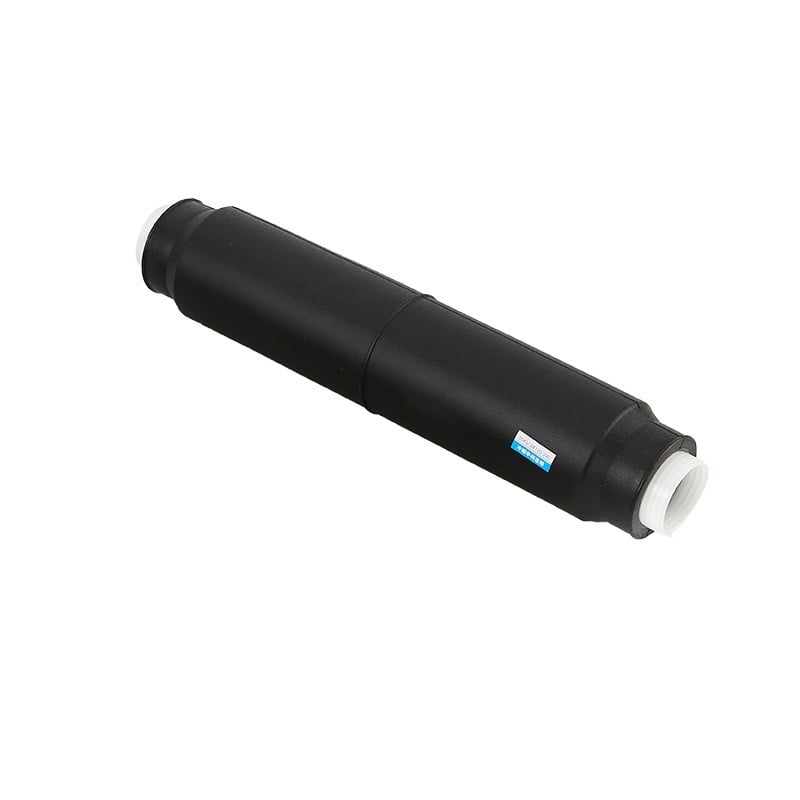
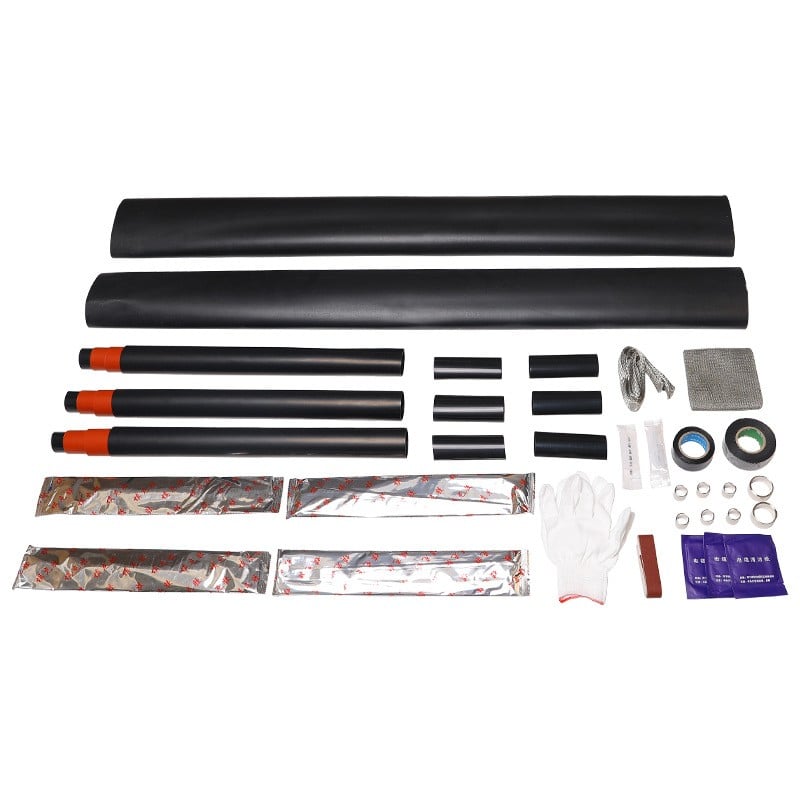
cold shrink intermediate joints
Cold shrink intermediate joints represent a critical advancement in electrical cable connection technology, designed to safely join cables while maintaining optimal performance in demanding environments. These specialized components function as protective barriers that create reliable, insulated connections between cable segments, ensuring electrical continuity without compromising safety standards.
The primary function of cold shrink intermediate joints is to establish secure mechanical and electrical connections while preventing moisture infiltration and environmental contamination. Unlike traditional heat-shrink alternatives, cold shrink intermediate joints utilize advanced elastomeric materials that naturally conform to cable dimensions without requiring external heat sources. This self-recovering polymer technology expands during installation and contracts around the cable, creating an airtight seal.
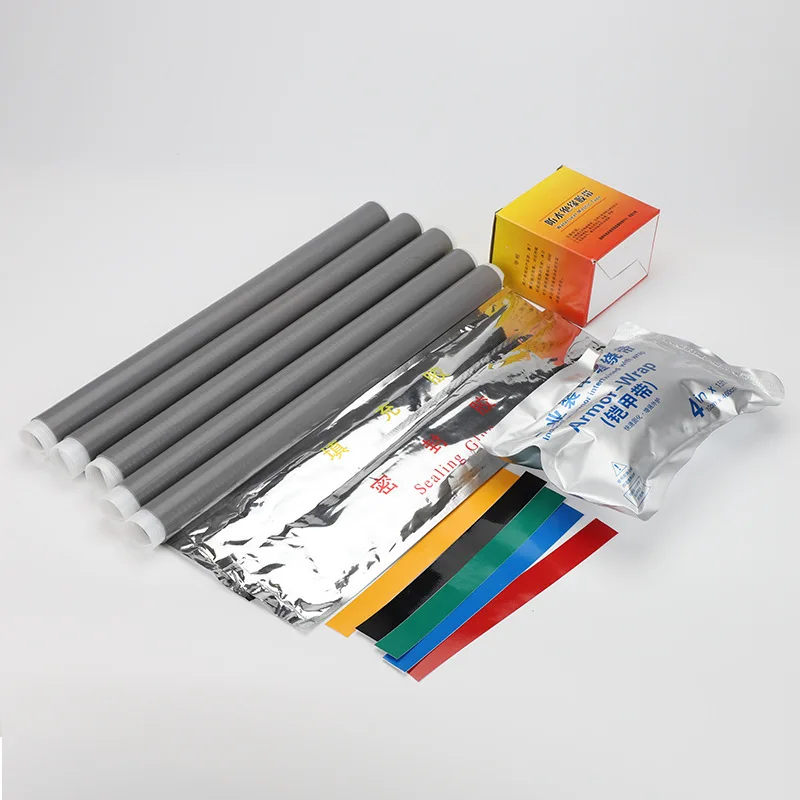
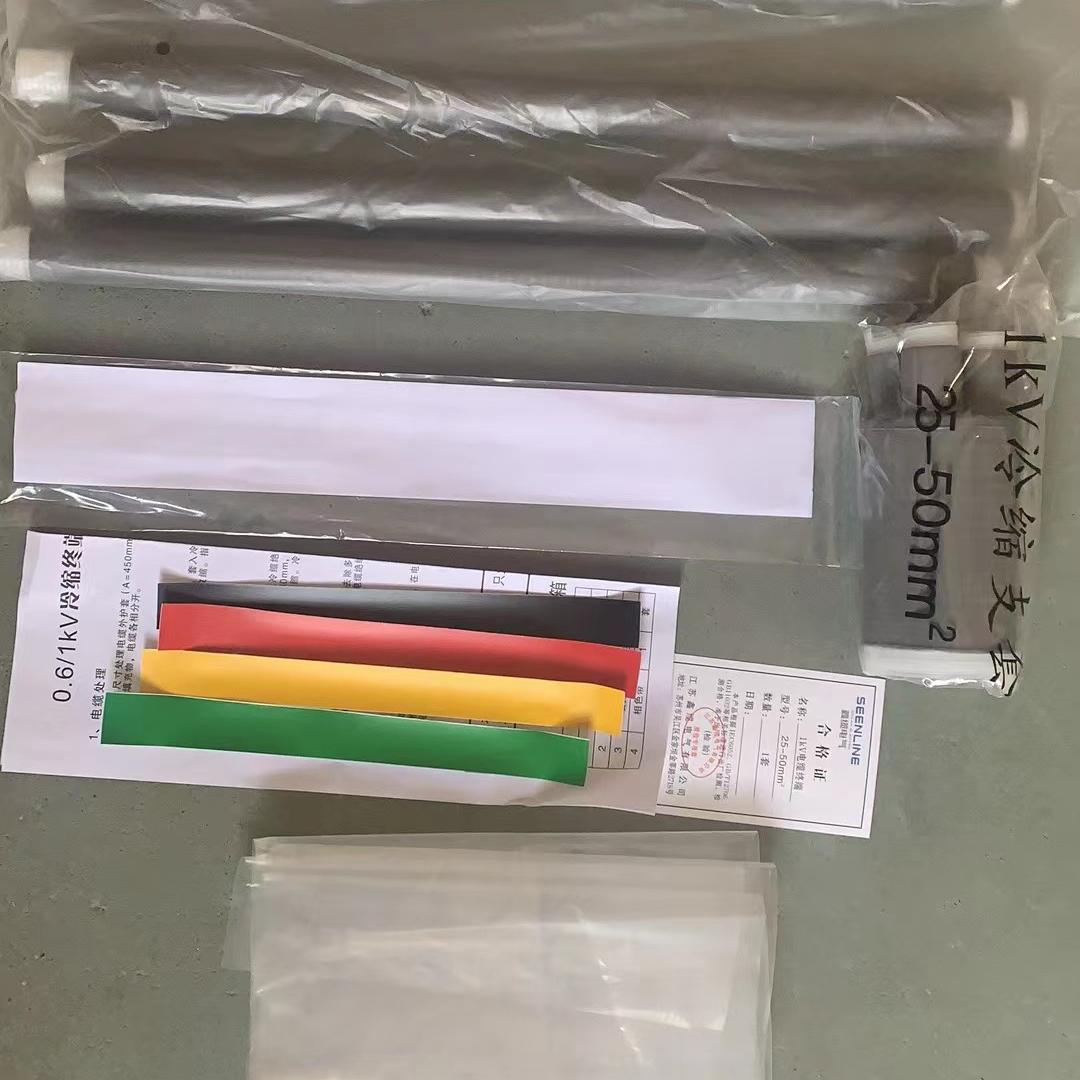
Technologically, cold shrink intermediate joints feature a pre-expanded tube design wrapped around a protective core layer. When the core is removed, the tube shrinks to grip the cable firmly. This innovative design eliminates installation complexity while ensuring consistent results across various cable sizes and configurations. The material composition provides excellent dielectric strength, flame resistance, and UV protection, making cold shrink intermediate joints suitable for both indoor and outdoor applications.
Applications span across power distribution networks, telecommunications infrastructure, renewable energy systems, and industrial electrical installations. Cold shrink intermediate joints excel in scenarios where heat application is impractical, dangerous, or unnecessary. Their versatility extends to submarine cables, underground conduits, and overhead transmission lines. Industries ranging from utilities to construction rely on cold shrink intermediate joints for dependable cable connections that withstand harsh conditions and maintain long-term reliability throughout their operational lifespan.

 EN