
 EN
EN
Moisture and corrosion represent two of the most damaging threats to electrical connections, wire harnesses, and component integrity across industrial and outdoor applications. Heat shrink tubing stands as a proven solution that creates a protective barrier against environmental exposure, effectively sealing connections and preventing degradation. Understanding how heat shrink tubing prevents moisture and corrosion damage is essential for engineers, technicians, and maintenance professionals who need reliable, long-lasting electrical systems in challenging environments.
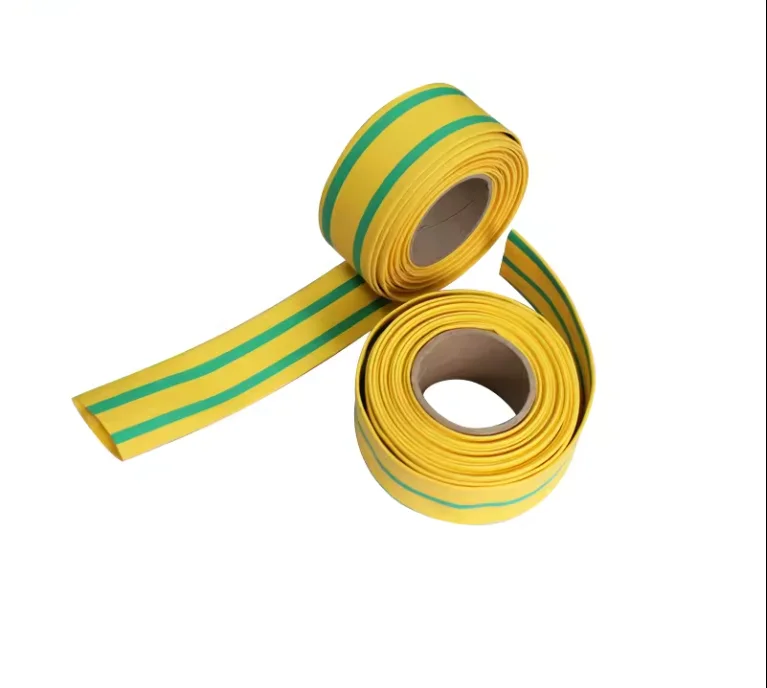
Heat shrink tubing functions through a straightforward yet highly effective mechanism that combines thermal contraction with physical sealing to create a complete protective envelope around electrical connections and wires. When heated to its activation temperature, heat shrink tubing shrinks uniformly around the component it covers, forming an airtight seal that blocks moisture infiltration and prevents corrosive elements from reaching vulnerable metal surfaces. This article explores the science behind heat shrink tubing protection, the material composition that enables this defense, practical installation methods, and real-world applications where heat shrink tubing proves invaluable for extending equipment lifespan.
The Protective Mechanism of Heat Shrink Tubing
How Heat Shrink Tubing Creates a Moisture Barrier
Heat shrink tubing creates a moisture barrier through its unique thermal properties and precise material composition. When heat shrink tubing is heated using a heat gun, the polymeric material undergoes controlled contraction, tightening around the connection or wire with consistent pressure. This compression forces the tubing to conform closely to surface irregularities, eliminating air pockets where moisture could accumulate. The resulting seal is remarkably effective at blocking water vapor, salt spray, and humidity that would otherwise migrate toward metal conductors and create corrosion pathways.
The integrity of the moisture barrier depends on proper installation and appropriate tubing diameter selection. Heat shrink tubing that is too loose will not form a complete seal, while tubing that is excessively tight may crack or fail during shrinking. Technicians must match the shrink ratio and inner diameter of heat shrink tubing to the component being protected. Cross-linked polyolefin, a common material for heat shrink tubing, offers excellent moisture resistance combined with flexibility that maintains sealing integrity across temperature fluctuations.
The Corrosion Prevention Process
Corrosion occurs when moisture combines with oxygen and reactive metals, creating oxidation that degrades electrical conductivity and structural integrity. Heat shrink tubing interrupts this electrochemical process by establishing a physical barrier that isolates metal surfaces from both moisture and oxygen exposure. When heat shrink tubing is applied correctly, the tubing envelope prevents water droplets, humidity, and salt aerosol particles from reaching the connection point, effectively stopping the corrosion cycle before it begins.
Different metal combinations present varying corrosion risks, and heat shrink tubing provides equal protection regardless of the underlying metals involved. Copper-to-aluminum connections, steel fasteners, and mixed-metal assemblies all benefit from the corrosion protection that heat shrink tubing delivers. The tubing material itself does not corrode, remains chemically inert over extended periods, and maintains its protective properties even in harsh environments with saltwater spray, industrial chemical exposure, or extreme humidity.
Material Properties That Enable Protection
Polymer Composition and Environmental Resistance
Heat shrink tubing manufacturers select specific polymer formulations to maximize environmental resistance and protective longevity. Cross-linked polyolefin heat shrink tubing dominates industrial applications because it offers superior moisture resistance, flexibility, and thermal stability. The cross-linked polymer matrix creates a dense molecular structure that resists water penetration far more effectively than non-cross-linked alternatives. Additionally, heat shrink tubing formulations often include additives that enhance UV resistance, flame retardancy, and chemical compatibility with marine or industrial environments.
The shrink ratio of heat shrink tubing determines the compression force applied during installation, which influences the tightness of the moisture seal. Heat shrink tubing with a 2:1 shrink ratio contracts uniformly when heated, while 3:1 or 4:1 ratios provide more aggressive compression for larger diameter reductions. Selecting the correct heat shrink tubing shrink ratio ensures optimal contact pressure that maximizes moisture barrier effectiveness without over-stressing the tubing material or the components it protects.
Temperature Range and Long-Term Durability
Heat shrink tubing maintains protective integrity across wide temperature ranges, an essential property for applications subject to freeze-thaw cycles or thermal cycling. Quality heat shrink tubing remains flexible in cold conditions and maintains dimensional stability in high-temperature environments, preventing the tubing from becoming brittle or separating from the connection. The thermal stability of heat shrink tubing ensures that the moisture seal does not deteriorate prematurely due to environmental temperature fluctuations.
Long-term durability testing demonstrates that heat shrink tubing protected connections show minimal corrosion or moisture ingress even after years of outdoor exposure. Unprotected connections at the same installation sites show visible oxidation and corrosion within months. This stark contrast underscores the dramatic protective advantage that heat shrink tubing provides, particularly in maritime environments, automotive applications, or industrial settings where environmental stress is continuous.
Installation Best Practices for Maximum Protection
Proper Sizing and Positioning
Achieving maximum protection with heat shrink tubing begins with accurate sizing and positioning before heat application. Technicians must select heat shrink tubing with an inner diameter that fits snugly over the wire or connector without excessive slack, yet does not stretch so tightly that it creates mechanical stress. The tubing should extend beyond the connection point onto undamaged insulation to ensure complete environmental sealing. When heat shrink tubing is positioned to overlap existing insulation on both sides of the connection, it creates a unified protective envelope that blocks moisture infiltration at critical solder joints or crimp locations.
Dual-wall heat shrink tubing with built-in adhesive provides superior sealing compared to single-wall varieties because the inner adhesive layer creates a secondary moisture barrier that fuses directly to the surface beneath. This adhesive layer in heat shrink tubing fills microscopic voids and irregularities, blocking moisture pathways that single-wall heat shrink tubing might miss. For maximum protection in critical applications, dual-wall heat shrink tubing represents the optimal choice despite slightly higher material costs.
Heating Technique and Quality Control
The heating process determines whether heat shrink tubing achieves its design specifications or becomes damaged, compromising its protective function. Uniform heating from a heat gun at appropriate distance prevents localized overheating that could melt the tubing material or create thin spots in the protective envelope. Technicians should apply gentle, even heat while rotating the component to ensure all sides of the heat shrink tubing shrink uniformly. Over-heating degrades the material properties of heat shrink tubing, while insufficient heating leaves the tubing partially unshrunk and unable to form an effective moisture seal.
Quality control verification includes visual inspection to confirm that heat shrink tubing has fully contracted and formed a tight fit around the protected component. Any wrinkles, gaps, or areas of incomplete shrinkage should trigger tubing removal and reinstallation. After cooling completely, the heat shrink tubing should feel firm and closely conform to the underlying surface. This attention to installation quality directly determines whether heat shrink tubing will provide the full duration of protection that the material specification promises.
Real-World Application Scenarios
Marine and Coastal Environments
Marine applications represent an extreme test environment where salt spray, humidity, and thermal cycling create relentless corrosion pressure on unprotected electrical connections. Heat shrink tubing performs exceptionally in these harsh conditions because saltwater and salt aerosol cannot penetrate the sealed protective barrier. Boat manufacturers, offshore drilling platforms, and coastal infrastructure operators depend on heat shrink tubing to extend the lifespan of electrical harnesses and connection points. Without heat shrink tubing protection, marine electrical systems require replacement every few years due to corrosion damage; with proper heat shrink tubing application, the same systems remain serviceable for decades.
Automotive and Industrial Wiring
Automotive electrical systems experience extreme environmental exposure including engine bay temperatures, moisture from car washes, road salt, and thermal cycling across seasons. Heat shrink tubing protects solder joints, connector interfaces, and splice points from these corrosive forces, maintaining reliable electrical performance throughout the vehicle's lifespan. Industrial equipment operating in wet environments, chemical plants, or outdoor installations similarly benefits from heat shrink tubing's comprehensive moisture and corrosion protection. Many industrial maintenance standards now mandate heat shrink tubing on all external electrical connections to reduce warranty claims and unplanned downtime.
FAQ
Can heat shrink tubing completely prevent all corrosion damage?
Heat shrink tubing provides highly effective corrosion prevention by creating a complete moisture and oxygen barrier around protected connections. However, if corrosion has already begun before heat shrink tubing installation, the tubing cannot reverse existing damage. The protective value of heat shrink tubing lies in prevention rather than remediation. Proper surface preparation, removal of existing corrosion, and application of heat shrink tubing to clean connections ensures maximum protection. Once installed correctly, heat shrink tubing can prevent new corrosion for years or decades depending on the severity of environmental exposure.
What temperature should heat shrink tubing reach during installation?
Different heat shrink tubing formulations have specific activation temperatures, typically ranging from 70 to 80 degrees Celsius for most polyolefin varieties. Manufacturers provide detailed specifications for each heat shrink tubing product indicating the exact temperature range required for proper shrinking. A heat gun set to the appropriate temperature ensures that heat shrink tubing shrinks uniformly without overheating. Professional installers verify tubing shrinkage visually and check that the tubing remains flexible rather than brittle after cooling, confirming that heat shrink tubing has been heated to the correct temperature range.
How long does heat shrink tubing protection typically last?
Quality heat shrink tubing maintains protective integrity for 10 to 20 years or longer when installed correctly on connections in normal indoor environments. Outdoor and harsh environmental applications may see slightly reduced lifespan due to UV exposure and extreme temperature cycling, though modern heat shrink tubing formulations with UV stabilizers extend outdoor durability significantly. The actual lifespan of heat shrink tubing depends on material quality, environmental severity, and installation precision. Regular visual inspections can detect any tubing degradation, allowing preventive reapplication before protection is compromised.