
 EN
EN
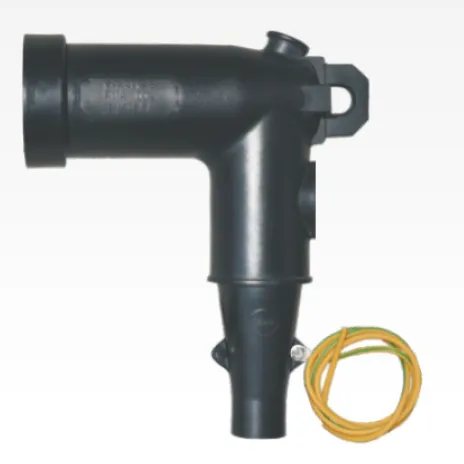
The power distribution industry stands at a technological crossroads where traditional infrastructure meets intelligent innovation. As electrical grids become more complex and demanding, the need for advanced solutions has never been more critical. Smart cable accessories represent a revolutionary approach to power distribution, offering unprecedented levels of monitoring, control, and reliability that transform how electrical systems operate across industrial and commercial applications.
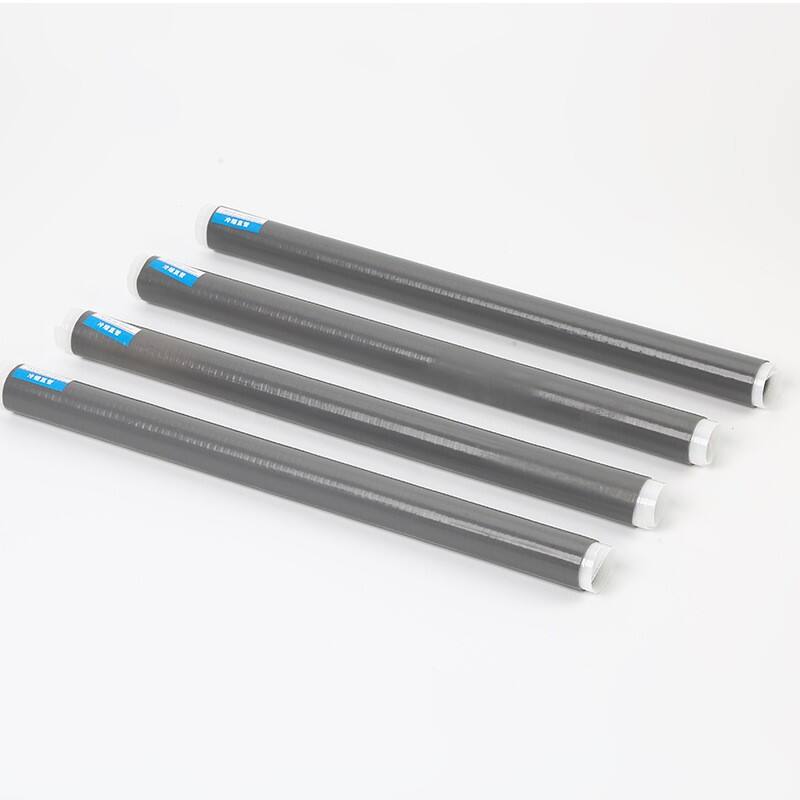
Modern electrical infrastructure requires solutions that go beyond basic connectivity and protection. Engineers and facility managers increasingly demand systems that provide real-time data, predictive maintenance capabilities, and enhanced safety features. Smart cable accessories address these requirements by integrating advanced sensors, communication technologies, and intelligent monitoring systems directly into cable terminations, joints, and protective components.
The evolution from passive to intelligent cable accessories marks a significant shift in power distribution philosophy. Traditional accessories simply provided mechanical protection and electrical isolation, while today's smart alternatives offer comprehensive system intelligence. This transformation enables proactive maintenance strategies, reduces unplanned downtime, and significantly improves overall system reliability across diverse industrial applications.
Technology Integration in Modern Cable Systems
Sensor Technologies and Monitoring Capabilities
Advanced sensor integration forms the foundation of smart cable accessories technology. Temperature sensors embedded within cable joints and terminations provide continuous thermal monitoring, detecting hotspots before they develop into critical failures. Partial discharge sensors identify insulation degradation at early stages, enabling predictive maintenance strategies that prevent costly equipment failures and service interruptions.
Vibration monitoring capabilities detect mechanical stress and movement within cable systems, particularly important in industrial environments where equipment vibration can compromise cable integrity over time. Humidity sensors monitor environmental conditions within cable enclosures, identifying potential moisture ingress that could lead to insulation breakdown or corrosion issues.
Current measurement technologies integrated into smart cable accessories enable real-time load monitoring and power quality analysis. These systems provide detailed information about harmonic content, power factor, and load distribution, essential data for optimizing system performance and identifying potential issues before they impact operations.
Communication Protocols and Data Management
Wireless communication technologies enable seamless integration of smart cable accessories into existing building management and SCADA systems. Low-power wireless protocols such as LoRaWAN, Zigbee, and WiFi provide reliable data transmission while minimizing power consumption and installation complexity. These communication systems ensure that critical monitoring data reaches control centers and maintenance personnel in real-time.
Cloud-based data management platforms aggregate information from multiple smart cable accessories across entire facilities or distribution networks. Advanced analytics algorithms process this data to identify trends, predict maintenance requirements, and optimize system performance. Machine learning capabilities enable these systems to become more accurate and predictive over time, learning from historical patterns and operational data.
Integration with existing enterprise systems through standardized protocols ensures that smart cable accessories data can be incorporated into broader facility management strategies. APIs and data export capabilities enable seamless connection with maintenance management systems, energy management platforms, and business intelligence tools, creating comprehensive operational visibility.
Applications Across Industrial Sectors
Manufacturing and Heavy Industry Applications
Manufacturing facilities benefit significantly from smart cable accessories implementations, particularly in environments where continuous operation is critical to production schedules and profitability. These systems provide early warning of potential cable failures, enabling scheduled maintenance during planned downtime rather than emergency repairs during production periods.
Heavy industrial applications such as steel production, chemical processing, and mining operations present particularly challenging environments for electrical systems. Smart cable accessories designed for these applications incorporate ruggedized sensors and communication systems capable of operating in extreme temperatures, corrosive atmospheres, and high-vibration environments while maintaining reliable monitoring capabilities.
Process industries rely heavily on electrical system reliability for safety and production continuity. Smart cable accessories provide the monitoring capabilities necessary to maintain compliance with safety regulations while optimizing maintenance schedules and reducing operational risks. Real-time monitoring helps prevent electrical failures that could trigger process shutdowns or safety incidents.
Data Centers and Critical Infrastructure
Data centers represent one of the most demanding applications for smart cable accessories, where even brief power interruptions can result in significant financial losses and service disruptions. These facilities require continuous monitoring of all electrical connections, with immediate notification of any anomalies that could indicate potential failures.
Critical infrastructure applications including hospitals, emergency services, and telecommunications facilities depend on reliable power distribution for public safety and essential services. Smart cable accessories provide the monitoring and diagnostic capabilities necessary to ensure these systems maintain the highest levels of reliability and performance.
Financial institutions and trading facilities require uninterrupted power to maintain operations and prevent significant economic losses. Smart cable accessories enable proactive maintenance strategies that minimize the risk of unexpected failures while providing detailed documentation of system performance for regulatory compliance and risk management purposes.
Installation and Implementation Considerations
Retrofitting Existing Systems
Retrofitting existing cable systems with smart cable accessories requires careful planning and assessment of current infrastructure capabilities. Compatibility with existing cable types, voltage ratings, and environmental conditions must be thoroughly evaluated to ensure successful implementation and reliable operation over the system's expected lifespan.
Power supply considerations for smart cable accessories in retrofit applications often require creative solutions, particularly in underground or remote installations where traditional power sources may not be readily available. Energy harvesting technologies and long-life battery systems provide viable alternatives for powering monitoring systems in challenging installation environments.
Integration with existing maintenance procedures and personnel training requirements must be addressed during retrofit planning. Smart cable accessories generate significantly more data than traditional systems, requiring new processes for data analysis, alarm management, and maintenance scheduling to fully realize their benefits.
New Installation Best Practices
New electrical installations provide the opportunity to fully integrate smart cable accessories from the initial design phase, enabling optimized placement and configuration for maximum monitoring effectiveness. Early integration allows for proper power supply planning, communication infrastructure development, and coordination with other building systems.
Standardization of smart cable accessories across new installations simplifies maintenance procedures, reduces spare parts inventory requirements, and enables more effective training programs for maintenance personnel. Consistent implementation also facilitates data analysis and trend identification across similar installations.
Future expansion planning should consider the scalability of smart cable accessories systems, ensuring that additional monitoring points can be easily integrated as facilities grow or change. Modular communication architectures and flexible data management platforms support system expansion without requiring complete infrastructure replacement.
Performance Benefits and ROI Analysis
Maintenance Cost Reduction Strategies
Predictive maintenance enabled by smart cable accessories significantly reduces overall maintenance costs compared to traditional time-based or reactive maintenance approaches. Early detection of potential issues allows for planned maintenance activities during scheduled downtime, avoiding expensive emergency repairs and reducing labor costs associated with unplanned maintenance events.
Condition-based maintenance strategies utilize real-time data from smart cable accessories to optimize maintenance intervals based on actual component condition rather than predetermined schedules. This approach extends component life while ensuring reliability, reducing both maintenance frequency and replacement part costs over the system's operational lifetime.
Remote monitoring capabilities reduce the need for routine manual inspections, particularly valuable for installations in hazardous or difficult-to-access locations. Smart cable accessories enable maintenance personnel to monitor system condition from safe, convenient locations while maintaining comprehensive oversight of critical electrical connections.
Reliability and Uptime Improvements
System reliability improvements achieved through smart cable accessories implementation typically result in significant reductions in unplanned downtime and associated production losses. Early warning systems enable proactive intervention before failures occur, maintaining continuous operation and avoiding costly service interruptions.
Enhanced fault detection and localization capabilities minimize the time required to identify and resolve electrical system issues when problems do occur. Smart cable accessories provide precise location information and diagnostic data that enable maintenance teams to quickly isolate and repair faults, reducing system downtime and restoration costs.
Comprehensive system monitoring enables optimization of load distribution and identification of potential capacity constraints before they impact operations. This visibility allows for proactive system modifications and upgrades that maintain adequate capacity while avoiding emergency interventions and associated costs.
Future Developments and Industry Trends
Artificial Intelligence and Machine Learning Integration
Artificial intelligence integration represents the next evolution in smart cable accessories technology, enabling systems to learn from operational patterns and predict failures with increasing accuracy over time. Machine learning algorithms analyze historical data to identify subtle indicators of developing problems that might not be apparent through traditional threshold-based monitoring approaches.
Predictive analytics capabilities continue to advance, incorporating external factors such as weather conditions, load patterns, and operational schedules to provide more accurate failure predictions and maintenance recommendations. These systems become increasingly valuable as they accumulate operational data and refine their predictive models.
Automated decision-making capabilities enable smart cable accessories systems to automatically adjust monitoring parameters, initiate protective actions, or schedule maintenance activities based on real-time conditions and learned behavior patterns. This automation reduces the burden on operational personnel while improving system responsiveness and reliability.
Standardization and Interoperability Advances
Industry standardization efforts focus on developing common communication protocols and data formats that enable interoperability between smart cable accessories from different manufacturers. These standards facilitate system integration and reduce the risk of vendor lock-in while promoting innovation and competition within the market.
Cybersecurity considerations become increasingly important as smart cable accessories integrate more deeply with enterprise networks and cloud-based systems. Industry standards development includes comprehensive security frameworks that protect against potential cyber threats while maintaining the connectivity required for advanced monitoring and control capabilities.
Open architecture approaches enable users to combine components from multiple vendors while maintaining system functionality and data consistency. This flexibility supports customized solutions that meet specific application requirements while leveraging standardized interfaces and communication protocols.
FAQ
What are the primary advantages of smart cable accessories over traditional alternatives
Smart cable accessories provide real-time monitoring capabilities that enable predictive maintenance, early fault detection, and comprehensive system visibility. Unlike traditional accessories that only provide basic protection, smart alternatives offer continuous condition monitoring, remote diagnostics, and integration with facility management systems. This enhanced functionality typically results in reduced maintenance costs, improved system reliability, and extended equipment life through optimized maintenance strategies.
How do smart cable accessories integrate with existing electrical systems
Smart cable accessories are designed to replace or supplement existing cable terminations, joints, and protective components with minimal modification to current installations. They utilize wireless communication protocols to transmit monitoring data to central control systems, eliminating the need for extensive additional wiring. Most systems can be retrofitted during scheduled maintenance periods, and new installations can incorporate smart accessories from the initial design phase for optimal integration and functionality.
What maintenance requirements do smart cable accessories have
Smart cable accessories typically require minimal additional maintenance beyond standard electrical component care. Battery-powered systems may need periodic battery replacement, usually on five to ten-year intervals depending on the application and monitoring frequency. Software updates and calibration checks ensure optimal performance, while the monitoring data they provide actually enables more efficient maintenance of the overall electrical system through predictive maintenance strategies.
How do smart cable accessories improve electrical system safety
Smart cable accessories enhance safety through continuous monitoring of critical parameters such as temperature, partial discharge activity, and insulation condition. Early detection of developing problems enables proactive intervention before dangerous conditions develop, reducing the risk of electrical fires, equipment damage, and personnel injury. Remote monitoring capabilities also reduce the need for personnel to enter hazardous areas for routine inspections, improving overall workplace safety in industrial environments.