
 EN
EN
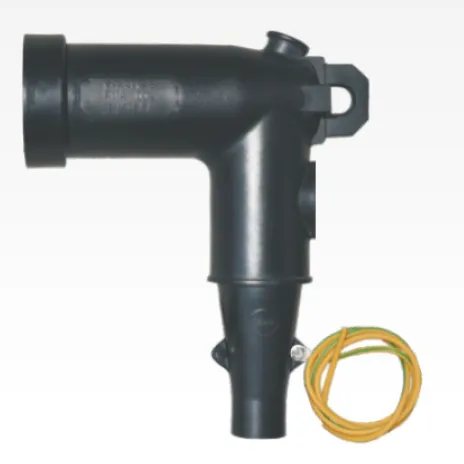
The electrical infrastructure industry has witnessed a significant shift toward efficient installation methods, with cold cable accessories emerging as the preferred solution for rapid deployment projects. These innovative components eliminate the need for heat application during installation, dramatically reducing setup time while maintaining superior electrical performance. Engineering teams across power distribution, telecommunications, and industrial sectors increasingly rely on these advanced solutions to meet demanding project timelines without compromising safety or reliability standards.
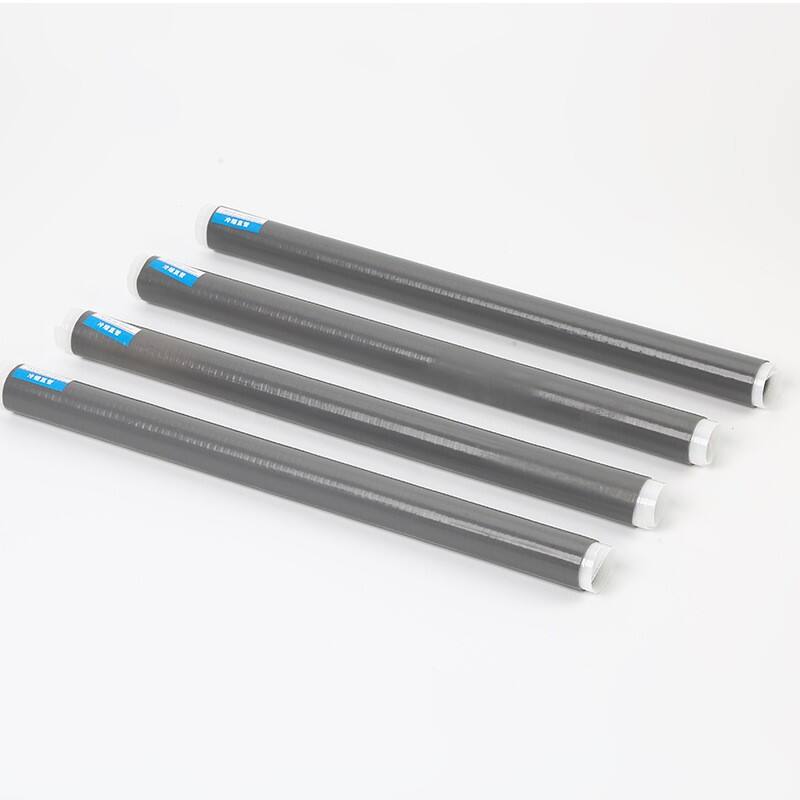
Understanding Cold Cable Accessory Technology
Core Design Principles
Cold cable accessories utilize pre-stressed elastomeric materials that expand naturally when the constraining outer layer is removed. This self-expanding mechanism creates intimate contact with cable insulation without requiring external heat sources or specialized tools. The technology relies on stored mechanical energy within the accessory materials, which provides consistent compression forces across the entire cable interface. Modern cold cable accessories incorporate advanced polymer compounds that maintain their elastic properties across wide temperature ranges, ensuring reliable performance in diverse environmental conditions.
The installation process involves removing the outer restraining layer, allowing the pre-stressed inner components to contract and form a secure seal around the cable. This mechanical approach eliminates variables associated with heat application, such as temperature control, cooling time, and thermal damage risks. Professional installers appreciate the predictable nature of cold cable accessories, as the installation outcome depends solely on proper component selection and surface preparation rather than thermal management skills.
Material Science Innovations
Advanced elastomeric compounds used in cold cable accessories undergo extensive cross-linking processes during manufacturing to achieve optimal mechanical properties. These materials exhibit excellent resistance to environmental stressors including UV radiation, ozone exposure, and chemical contamination. The molecular structure of modern cold cable accessories incorporates tracking-resistant additives that prevent electrical degradation over extended service periods. Specialized stress control materials distribute electrical fields uniformly, preventing concentration points that could lead to premature failure.
Quality manufacturing processes ensure consistent wall thickness and material density throughout each accessory component. Controlled vulcanization procedures create uniform cross-link density, resulting in predictable expansion characteristics and long-term dimensional stability. The integration of conductive stress control layers within cold cable accessories provides superior electrical performance compared to traditional heat-shrinkable alternatives, particularly in high-voltage applications where field management is critical.
Installation Speed Advantages
Elimination of Heating Requirements
Traditional cable accessories require careful heat application using torches or heat guns, creating bottlenecks in installation workflows. Cold cable accessories eliminate these time-consuming heating steps, allowing installers to complete terminations and joints in a fraction of the traditional time. The absence of heating equipment reduces setup complexity and eliminates safety concerns associated with open flame operations in confined spaces or hazardous environments.
Installation teams can work more efficiently without waiting for components to cool after heat application. This continuous workflow capability significantly improves productivity on projects involving multiple cable terminations or repairs. The streamlined process also reduces the likelihood of installation errors, as installers no longer need to manage temperature control while manipulating components. Field studies demonstrate installation time reductions of 60-70% when using cold cable accessories compared to heat-shrinkable alternatives.
Reduced Tool Requirements
Cold cable accessories require minimal specialized tooling, typically involving only standard cable preparation instruments and basic hand tools. This simplification reduces equipment transportation requirements and eliminates the need for fuel supplies or electrical connections for heating devices. Installation crews can complete cable accessory installations using portable tool kits, improving mobility and reducing setup costs on distributed projects.
The reduced tool dependency also minimizes training requirements for installation personnel. Workers can achieve proficiency with cold cable accessories more quickly than traditional methods, as the process eliminates complex thermal management techniques. This accessibility enables broader deployment of skilled installation capabilities across project teams, improving overall project efficiency and reducing dependency on highly specialized technicians.
Performance and Reliability Benefits
Consistent Installation Quality
Cold cable accessories provide inherently consistent installation results due to their mechanical activation mechanism. Unlike heat-applied components that depend on installer technique and environmental conditions, cold accessories deliver uniform compression and sealing characteristics regardless of ambient temperature or installer experience level. This consistency translates to improved long-term reliability and reduced maintenance requirements over the system lifecycle.
The self-activating design of cold cable accessories eliminates common installation variables that affect traditional methods. Proper surface preparation and component sizing are the primary factors determining installation success, both of which can be standardized through established procedures. Quality control processes become more straightforward, as visual inspection can verify correct installation without requiring thermal imaging or other specialized testing equipment.
Environmental Performance
Modern cold cable accessories demonstrate superior environmental resistance compared to many traditional alternatives. The advanced elastomeric materials maintain flexibility and sealing effectiveness across extreme temperature ranges, from arctic conditions to tropical environments. UV-resistant formulations prevent degradation in outdoor installations, while chemical-resistant compounds protect against industrial contamination and acid rain exposure.
The mechanical stress relief provided by cold cable accessories accommodates thermal cycling and mechanical movement without compromising electrical performance. This flexibility proves particularly valuable in applications subject to vibration, wind loading, or thermal expansion stresses. Long-term field studies confirm the durability of properly installed cold cable accessories, with many installations exceeding 25 years of service without significant degradation.
Application-Specific Advantages
Underground Distribution Systems
Underground electrical distribution networks benefit significantly from cold cable accessories due to installation environment constraints. Confined spaces in utility vaults and trenches make torch operation hazardous and impractical, while cold cable accessories can be safely installed in any environment. The elimination of open flame requirements also reduces permitting complications and safety protocol requirements in urban installations.
Moisture and contamination resistance of cold cable accessories proves essential in underground applications where environmental exposure is unavoidable. The robust sealing characteristics prevent water ingress and maintain electrical integrity despite harsh subsurface conditions. Installation teams can complete underground cable connections more efficiently using cold cable accessories, reducing excavation time and minimizing disruption to surface activities.
Industrial and Commercial Projects
Industrial facilities with strict safety protocols particularly benefit from cold cable accessories during maintenance and expansion projects. The elimination of hot work permits and associated safety procedures accelerates project timelines while maintaining compliance with facility safety standards. Cold cable accessories enable electrical work in potentially explosive environments where ignition sources must be eliminated.
Commercial building projects utilize cold cable accessories to minimize disruption during electrical system modifications. The rapid installation capability allows work to be completed during limited maintenance windows, reducing impact on building operations. Property managers appreciate the reduced fire risk associated with cold cable accessories, particularly in occupied buildings where safety concerns are paramount.
Economic Considerations
Labor Cost Reduction
The simplified installation process of cold cable accessories significantly reduces labor costs on electrical projects. Reduced installation time directly translates to lower labor expenses, while the elimination of specialized heating equipment reduces tool costs and maintenance requirements. Project managers report substantial cost savings when specifying cold cable accessories for large-scale installations with multiple cable terminations.
Training costs decrease when using cold cable accessories, as installation personnel require less specialized instruction compared to heat-shrinkable alternatives. The intuitive installation process enables faster skill development and broader workforce capability. This accessibility reduces project dependency on highly specialized technicians, improving scheduling flexibility and reducing premium labor costs.
Project Timeline Benefits
Accelerated installation schedules achieved through cold cable accessories provide significant economic advantages beyond direct labor savings. Earlier project completion enables faster revenue generation for commercial projects and reduces temporary power costs during construction. Utility companies benefit from reduced service interruption duration when using cold cable accessories for emergency repairs and system maintenance.
The reliability advantages of cold cable accessories contribute to long-term economic benefits through reduced maintenance requirements and extended service life. Lower failure rates translate to reduced replacement costs and improved system availability. These lifecycle cost advantages often justify higher initial material costs for cold cable accessories, particularly in critical applications where reliability is paramount.
Technical Specifications and Standards
Performance Standards Compliance
Modern cold cable accessories meet or exceed international standards for electrical performance, environmental resistance, and mechanical durability. IEC, IEEE, and other recognized standards organizations have established comprehensive testing protocols that validate the performance of cold cable accessories across diverse applications. These standardized specifications provide engineers with confidence in product selection and performance prediction.
Electrical performance testing of cold cable accessories includes dielectric strength verification, partial discharge measurement, and long-term aging studies. Mechanical testing protocols evaluate compression force, elongation characteristics, and environmental stress resistance. The comprehensive nature of these testing requirements ensures that cold cable accessories provide reliable performance across their intended service life.
Quality Assurance Processes
Manufacturing quality control for cold cable accessories involves precise material formulation, controlled processing conditions, and comprehensive finished product testing. Statistical process control methods ensure consistent product characteristics across production batches, while advanced testing equipment verifies electrical and mechanical properties. These quality assurance measures provide the reliability foundation necessary for critical electrical applications.
Traceability systems in cold cable accessories manufacturing enable rapid identification and resolution of any quality issues that may arise. Batch tracking capabilities allow manufacturers to correlate field performance with specific production parameters, enabling continuous improvement in product design and manufacturing processes. This systematic approach to quality management supports the long-term reliability reputation of cold cable accessories.
Future Development Trends
Material Technology Advancement
Research and development efforts in cold cable accessories focus on enhanced material properties and expanded application capabilities. Advanced polymer formulations under development promise improved environmental resistance, extended service life, and reduced material costs. Nanotechnology integration shows potential for creating cold cable accessories with self-diagnostic capabilities and enhanced electrical performance characteristics.
Smart material technologies may enable future cold cable accessories with adaptive properties that respond to environmental conditions or electrical stress levels. These innovations could provide real-time performance monitoring and predictive maintenance capabilities, further enhancing the value proposition of cold cable accessories in critical applications. The integration of sensors and communication capabilities represents a significant opportunity for next-generation product development.
Application Expansion
Emerging applications for cold cable accessories include renewable energy installations, electric vehicle charging infrastructure, and data center power distribution systems. These growing markets demand rapid installation capabilities and high reliability, characteristics that align perfectly with cold cable accessories advantages. The increasing adoption of distributed energy resources creates new opportunities for cold cable accessories in grid interconnection applications.
International market expansion for cold cable accessories continues as developing regions invest in electrical infrastructure modernization. The simplified installation requirements of cold cable accessories prove particularly valuable in markets with limited specialized technician availability. Export opportunities for cold cable accessories manufacturers align with global infrastructure development trends and increasing emphasis on installation efficiency.
FAQ
What temperature range can cold cable accessories operate in effectively
Cold cable accessories typically operate effectively in temperature ranges from -40°C to +90°C (-40°F to +194°F), depending on the specific material formulation. High-performance variants can extend these ranges to accommodate extreme environmental conditions. The mechanical properties remain stable across this temperature range, ensuring consistent sealing and electrical performance. Installation can be performed in most weather conditions without affecting product performance, unlike heat-shrinkable alternatives that may require environmental controls.
How do cold cable accessories compare in cost to traditional heat-shrink options
While cold cable accessories typically have higher initial material costs compared to heat-shrink alternatives, the total project cost is often lower due to reduced installation time and labor requirements. The elimination of heating equipment reduces tool costs and eliminates fuel expenses. Long-term cost analysis generally favors cold cable accessories due to superior reliability and reduced maintenance requirements. Large projects with multiple installations show the greatest cost advantages when using cold cable accessories.
What voltage ratings are available for cold cable accessories
Cold cable accessories are available for voltage ratings ranging from low-voltage applications (under 1kV) to high-voltage transmission systems (up to 40kV and beyond). Medium-voltage applications (1kV to 35kV) represent the largest market segment for cold cable accessories. Specialized high-voltage variants incorporate advanced stress control technologies for utility transmission applications. The voltage rating selection depends on specific application requirements and local electrical codes.
Can cold cable accessories be removed and reinstalled if necessary
Cold cable accessories are designed for permanent installation and typically cannot be removed and reused effectively. The elastic materials conform permanently to the cable surface during installation, making removal destructive to both the accessory and potentially the cable insulation. Emergency removal is possible using appropriate techniques, but requires replacement with new components. This permanent installation characteristic ensures optimal long-term performance and prevents accidental disconnection during service.