
 EN
EN
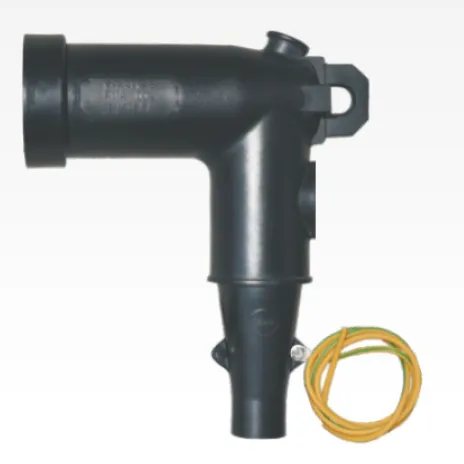
Extreme weather conditions pose significant challenges for electrical infrastructure, particularly when it comes to maintaining reliable power transmission and distribution systems. Cold cable accessories represent a critical component in ensuring electrical networks continue to operate effectively during harsh environmental conditions. These specialized components are designed to withstand temperature fluctuations, moisture intrusion, and mechanical stress that can compromise standard electrical installations. Understanding how cold cable accessories perform under extreme weather scenarios is essential for engineers, utility companies, and contractors who must maintain grid reliability year-round.
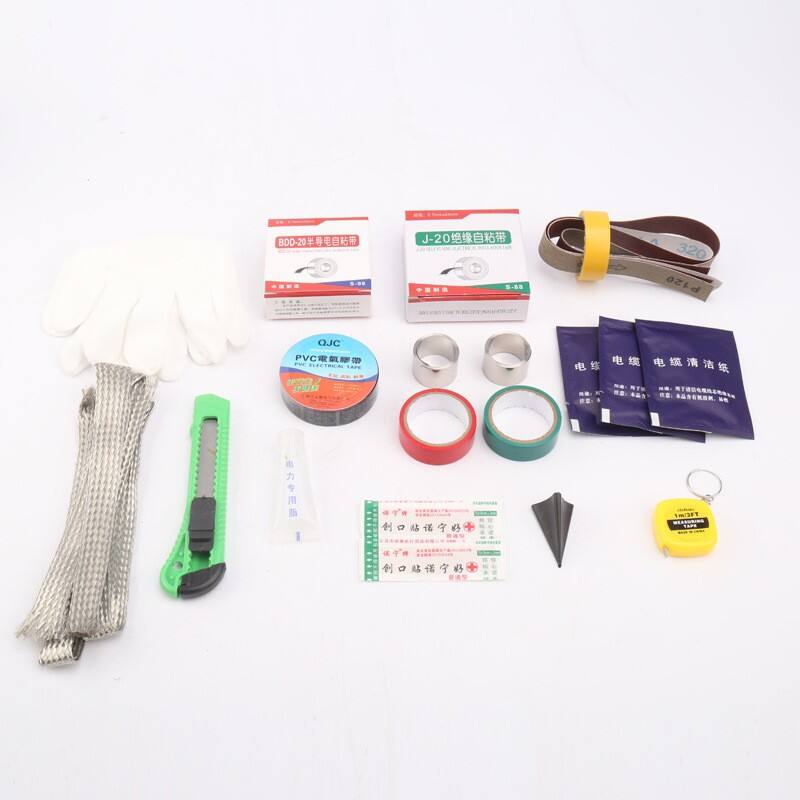
The performance characteristics of cold cable accessories during extreme weather events directly impact power system stability and maintenance costs. These components must demonstrate exceptional durability when exposed to temperature extremes, high humidity, ice formation, and severe precipitation. Modern cold cable accessories incorporate advanced materials and engineering techniques specifically developed to address the unique challenges presented by harsh environmental conditions. Their ability to maintain electrical integrity while providing mechanical protection makes them indispensable for outdoor electrical installations in regions experiencing severe weather patterns.
Understanding Cold Cable Accessories and Their Applications
Material Composition and Design Principles
Cold cable accessories utilize specialized polymeric materials engineered to maintain flexibility and electrical properties across wide temperature ranges. These components typically incorporate ethylene propylene rubber, cross-linked polyethylene, or advanced silicone compounds that resist thermal cycling stress. The material selection process considers thermal expansion coefficients, dielectric strength retention, and resistance to environmental degradation. Manufacturing processes involve precise control of polymer cross-linking to ensure consistent performance throughout the accessory's operational lifespan.
The design philosophy behind cold cable accessories emphasizes stress relief, environmental sealing, and ease of installation under challenging conditions. Engineers incorporate stress cones, conductive layers, and insulation interfaces that accommodate cable movement during thermal cycling. Pre-stretched installation techniques allow these accessories to maintain constant radial pressure on cable surfaces, preventing moisture ingress and maintaining electrical contact integrity. Design validation involves extensive testing protocols that simulate decades of environmental exposure and mechanical stress.
Installation Techniques for Extreme Weather Environments
Proper installation of cold cable accessories requires specialized techniques adapted for extreme weather conditions. Installation crews must consider ambient temperature effects on material properties, as cold temperatures can affect the flexibility and handling characteristics of accessories. Pre-conditioning procedures involve warming accessories to optimal installation temperatures while ensuring cables are clean and dry before application. Installation timing often requires coordination with weather forecasts to avoid precipitation or extreme temperature events during critical phases.
Field installation procedures for cold cable accessories incorporate environmental protection measures to ensure proper adhesion and sealing. Temporary shelters, heating equipment, and moisture control systems may be necessary during installation in adverse conditions. Quality control protocols include measurement of installation torque, visual inspection of stress relief interfaces, and electrical testing to verify proper installation. Documentation requirements include environmental conditions during installation, as these factors influence long-term performance expectations and warranty coverage.
Performance Characteristics in Low Temperature Environments
Thermal Cycling Response and Material Behavior
Cold cable accessories must maintain electrical and mechanical integrity throughout repeated freeze-thaw cycles that characterize many geographic regions. Material formulations specifically address the challenges of thermal expansion and contraction that occur during temperature fluctuations. Laboratory testing demonstrates that high-quality cold cable accessories maintain their original dimensions and electrical properties after thousands of thermal cycles. The polymer matrix structure resists cracking and maintains elasticity even at temperatures well below typical operating ranges.
Interface stability between cold cable accessories and cable insulation systems requires careful attention to thermal compatibility. Different materials exhibit varying rates of thermal expansion, potentially creating stress concentrations at interface points. Advanced accessory designs incorporate buffer layers and graduated stiffness transitions that accommodate differential thermal movement. Long-term aging studies reveal that properly designed interfaces maintain their sealing effectiveness and electrical performance throughout extended exposure to thermal cycling conditions.
Ice Formation and Mechanical Stress Management
Ice accumulation presents unique challenges for cold cable accessories, as frozen moisture can create significant mechanical loads and alter electrical field distributions. The exterior surfaces of these accessories must resist ice adhesion while maintaining their protective function. Specialized surface treatments and material formulations reduce ice formation tendency and facilitate natural shedding during temperature rises. Mechanical design considerations include adequate clearances and support structures that accommodate ice loading without compromising electrical performance.
Cold cable accessories demonstrate remarkable resilience when subjected to mechanical stress from ice formation and wind loading. The flexible nature of these components allows them to accommodate movement and deformation without losing their protective seal or electrical integrity. Engineering analysis reveals that the distributed stress patterns created by proper installation techniques prevent stress concentrations that could lead to premature failure. Field experience confirms that well-designed cold cable accessories continue to perform effectively even after exposure to severe ice storms and mechanical loading events.
Moisture Resistance and Environmental Sealing
Hydrophobic Properties and Water Exclusion
Moisture ingress represents one of the primary failure mechanisms for electrical accessories in extreme weather environments. Cold cable accessories incorporate multiple moisture exclusion strategies, including hydrophobic materials, physical barriers, and pressure-differential sealing systems. The hydrophobic nature of silicone and rubber compounds used in these accessories causes water to bead and run off rather than penetrate material surfaces. This property remains effective even after extended exposure to ultraviolet radiation and environmental pollutants that can degrade other protective systems.
Advanced sealing technologies in cold cable accessories create multiple barriers against moisture intrusion. Primary sealing relies on mechanical compression and material conformability to create intimate contact with cable surfaces. Secondary sealing systems provide backup protection through mastic compounds or gel-filled cavities that block potential moisture pathways. Testing protocols demonstrate that these multi-layered sealing approaches maintain their effectiveness throughout temperature cycling and aging processes that simulate decades of field exposure.
Vapor Transmission Control and Breathability
The balance between moisture exclusion and vapor transmission represents a critical design consideration for cold cable accessories. Complete moisture barriers can trap internal moisture and create condensation problems during temperature cycling. Engineered permeability allows controlled vapor transmission while preventing liquid water ingress. Material selection involves careful consideration of vapor transmission rates that accommodate thermal cycling without compromising long-term moisture resistance. This balance ensures that cold cable accessories maintain their protective function without creating internal moisture accumulation problems.
Breathable sealing technologies in modern cold cable accessories utilize selective permeability principles that allow water vapor to escape while blocking liquid moisture penetration. These systems incorporate molecular-level filtering mechanisms that differentiate between vapor and liquid phases. Field testing demonstrates that breathable sealing systems reduce internal moisture accumulation and prevent the formation of condensation that could compromise electrical performance. The engineering principles behind these systems represent significant advances in accessory design and performance optimization.
Electrical Performance Under Extreme Conditions
Dielectric Strength and Insulation Resistance
The dielectric properties of cold cable accessories must remain stable throughout exposure to extreme weather conditions that can affect material characteristics. Temperature variations, moisture exposure, and mechanical stress all influence the electrical performance of insulating materials. High-quality cold cable accessories maintain their dielectric strength even when subjected to temperature extremes that would compromise conventional insulation systems. Laboratory testing protocols demonstrate that these components continue to provide reliable electrical isolation throughout their design service life.
Insulation resistance measurements provide critical indicators of cold cable accessory performance under extreme conditions. These measurements reflect the effectiveness of moisture exclusion systems and the stability of insulating materials during environmental stress. Field monitoring programs reveal that properly installed cold cable accessories maintain insulation resistance values well above minimum acceptable levels throughout extended exposure to harsh weather conditions. Regular testing protocols allow maintenance teams to identify potential problems before they develop into service interruptions.
Corona and Partial Discharge Characteristics
Corona discharge and partial discharge activity represent significant concerns for electrical accessories operating under extreme weather conditions. Moisture, contamination, and mechanical stress can create conditions that promote electrical discharge phenomena. Cold cable accessories incorporate design features specifically intended to minimize electric field concentrations and provide smooth stress grading. These design elements prevent the formation of high-stress regions that could initiate corona or partial discharge activity even under adverse environmental conditions.
Advanced diagnostic techniques allow monitoring of partial discharge activity in cold cable accessories during extreme weather events. These monitoring systems provide early warning of developing problems and allow maintenance teams to schedule repairs before failures occur. Field experience demonstrates that high-quality cold cable accessories exhibit minimal partial discharge activity even during severe weather conditions that stress conventional accessories. The stress grading effectiveness of these components remains stable throughout their service life, providing consistent protection against electrical discharge phenomena.
Field Testing and Performance Validation
Laboratory Simulation of Extreme Conditions
Comprehensive laboratory testing protocols simulate the extreme weather conditions that cold cable accessories encounter during field service. These testing programs incorporate temperature cycling, moisture exposure, mechanical stress, and electrical loading that replicate decades of environmental exposure. Climate chambers provide precise control of temperature, humidity, and precipitation conditions while maintaining electrical test capabilities. Accelerated aging protocols compress years of environmental exposure into manageable testing timeframes while maintaining correlation with actual field performance.
Performance validation testing for cold cable accessories involves multiple test sequences that evaluate different aspects of extreme weather performance. Thermal shock testing subjects components to rapid temperature changes that simulate sudden weather transitions. Freeze-thaw cycling tests evaluate the effects of repeated ice formation and melting cycles. Salt spray and pollution testing assess performance under coastal and industrial environmental conditions. Combined stress testing applies multiple environmental factors simultaneously to evaluate interaction effects and identify potential failure modes.
Field Monitoring and Data Collection
Long-term field monitoring programs provide valuable data on cold cable accessory performance under actual extreme weather conditions. These programs involve instrumentation of accessories with temperature sensors, moisture detectors, and electrical monitoring equipment. Data collection systems record environmental conditions and accessory performance parameters throughout weather events that stress electrical infrastructure. Statistical analysis of this field data provides insights into performance trends and helps refine design specifications for future accessory development.
Field testing programs for cold cable accessories involve collaboration between manufacturers, utilities, and research institutions. These programs provide opportunities to evaluate new designs and materials under controlled field conditions while gathering performance data. Installation at representative locations ensures exposure to relevant weather conditions and environmental stresses. Regular inspection and testing protocols document performance changes over time and identify factors that influence long-term reliability. This field experience provides feedback for continuous improvement of accessory design and manufacturing processes.
Maintenance and Service Life Optimization
Preventive Maintenance Strategies
Effective maintenance programs for cold cable accessories operating in extreme weather environments require specialized inspection techniques and service protocols. Visual inspection procedures focus on identifying signs of environmental stress, material degradation, or mechanical damage that could compromise performance. Thermal imaging surveys detect temperature anomalies that indicate developing problems with electrical connections or insulation systems. These diagnostic techniques allow maintenance teams to identify issues before they develop into service interruptions or safety hazards.
Scheduled maintenance intervals for cold cable accessories depend on environmental exposure levels and historical performance data. Locations experiencing severe weather conditions may require more frequent inspection and maintenance cycles. Maintenance procedures include cleaning of exterior surfaces, inspection of sealing systems, and electrical testing to verify continued performance. Documentation of maintenance activities provides valuable data for optimizing service intervals and identifying accessories that may require replacement or upgrading. Preventive maintenance strategies significantly extend the service life of cold cable accessories while maintaining system reliability.
Life Cycle Cost Analysis and Replacement Planning
Life cycle cost analysis for cold cable accessories considers initial procurement costs, installation expenses, maintenance requirements, and replacement timing. These accessories typically demonstrate longer service lives and lower maintenance costs compared to conventional alternatives when installed in extreme weather environments. The superior environmental resistance of cold cable accessories reduces the frequency of emergency repairs and unplanned outages that can be costly for utility operations. Economic analysis demonstrates that the higher initial cost of these specialized accessories is often offset by reduced maintenance expenses and improved system reliability.
Replacement planning for cold cable accessories involves assessment of remaining service life based on condition monitoring data and environmental exposure history. Accessories that have experienced particularly severe weather events may require more frequent evaluation to ensure continued reliability. Replacement timing decisions consider both technical condition and economic factors, including the availability of improved accessory designs. Strategic replacement programs allow utilities to upgrade their infrastructure gradually while maintaining system reliability and managing capital expenditure requirements.
FAQ
How do cold cable accessories maintain their flexibility in extremely low temperatures
Cold cable accessories maintain flexibility in extremely low temperatures through specialized polymer formulations and manufacturing processes. The materials used in these accessories, such as ethylene propylene rubber and advanced silicone compounds, are specifically engineered to resist brittleness at low temperatures. Cross-linking processes during manufacturing create molecular structures that maintain elasticity even when subjected to temperatures well below freezing. Additionally, the pre-stressed installation technique ensures that these accessories remain in compression against cable surfaces, preventing the development of air gaps or mechanical stress concentrations that could lead to failure in cold conditions.
What is the expected service life of cold cable accessories in harsh weather environments
The expected service life of cold cable accessories in harsh weather environments typically ranges from 20 to 30 years when properly installed and maintained. This service life depends on several factors including the severity of environmental exposure, quality of installation, and adherence to maintenance protocols. Accessories installed in locations with extreme temperature variations, high moisture exposure, or significant mechanical stress may experience shorter service lives. However, high-quality cold cable accessories often exceed their design service life when environmental conditions are within their specified operating ranges and proper maintenance practices are followed.
Can cold cable accessories be installed during extreme weather conditions
Cold cable accessories can be installed during certain extreme weather conditions, but specific precautions and procedures must be followed to ensure proper installation. Installation during light precipitation or moderate wind conditions is generally acceptable with appropriate protective measures. However, installation should be avoided during severe weather events such as ice storms, heavy snow, or extreme temperature conditions that could affect material handling or worker safety. When installation must proceed during challenging conditions, temporary shelters, heating equipment, and extended conditioning procedures may be necessary to achieve proper installation results.
How do you test the performance of cold cable accessories after extreme weather events
Testing the performance of cold cable accessories after extreme weather events involves several diagnostic techniques and measurement procedures. Visual inspection identifies obvious signs of damage or environmental stress, while electrical testing measures insulation resistance and dielectric strength to verify continued electrical performance. Thermal imaging can detect temperature anomalies that indicate developing problems with connections or sealing systems. Advanced diagnostic techniques such as partial discharge testing provide detailed information about internal electrical condition. These testing protocols should be performed by qualified technicians using appropriate safety procedures and calibrated test equipment to ensure accurate results and safe operation.
Table of Contents
- Understanding Cold Cable Accessories and Their Applications
- Performance Characteristics in Low Temperature Environments
- Moisture Resistance and Environmental Sealing
- Electrical Performance Under Extreme Conditions
- Field Testing and Performance Validation
- Maintenance and Service Life Optimization
-
FAQ
- How do cold cable accessories maintain their flexibility in extremely low temperatures
- What is the expected service life of cold cable accessories in harsh weather environments
- Can cold cable accessories be installed during extreme weather conditions
- How do you test the performance of cold cable accessories after extreme weather events