
 EN
EN
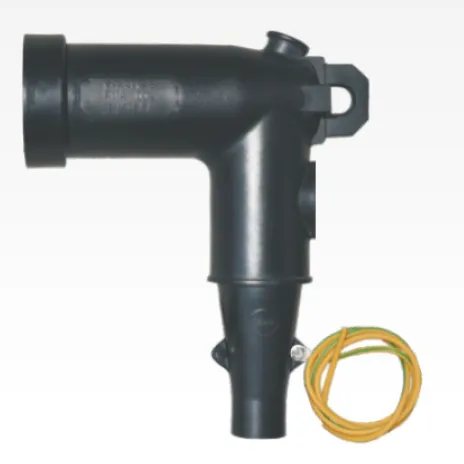
The electrical power industry is experiencing a transformative shift toward sustainable practices, with cold cable accessories emerging as a pivotal component in eco-friendly cable solutions. These innovative products represent a significant advancement in electrical infrastructure, offering environmentally conscious alternatives to traditional heat-shrink technologies. Cold cable accessories provide superior performance while minimizing environmental impact through reduced energy consumption during installation and enhanced recyclability at end-of-life. As utility companies and industrial facilities increasingly prioritize sustainability, understanding how cold cable accessories contribute to green electrical systems becomes essential for modern infrastructure planning.
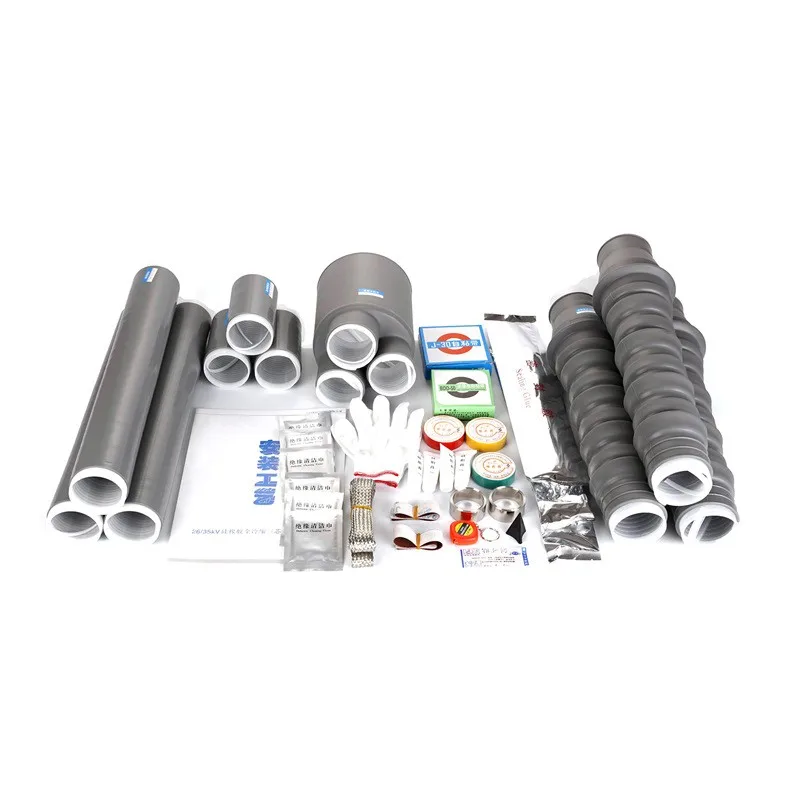
Environmental Benefits of Cold Cable Technology
Energy Efficiency During Installation
Cold cable accessories revolutionize the installation process by eliminating the need for heat application, which traditionally required significant energy consumption. Unlike conventional heat-shrink products that demand high-temperature tools and extended heating periods, cold cable accessories utilize mechanical expansion and contraction principles. This fundamental difference translates to substantial energy savings during installation procedures. Installation teams no longer require portable heaters, torches, or electrical heating equipment, reducing both direct energy consumption and carbon emissions associated with power generation.
The installation efficiency of cold cable accessories extends beyond energy savings to include reduced installation time. Traditional heat-shrink processes often require multiple heating cycles and cooling periods, extending project timelines and increasing overall energy consumption. Cold cable accessories achieve complete installation within minutes, eliminating waiting periods and reducing the environmental footprint of installation activities. This streamlined approach particularly benefits large-scale projects where cumulative energy savings become substantial.
Reduced Carbon Footprint in Manufacturing
Manufacturing processes for cold cable accessories typically generate lower carbon emissions compared to traditional alternatives. The production methodology focuses on silicone rubber compounds and specialized polymers that require less energy-intensive processing. Manufacturing facilities can operate at lower temperatures while maintaining product quality standards, resulting in decreased fossil fuel consumption and reduced greenhouse gas emissions. Additionally, the simplified manufacturing process reduces waste generation and improves material utilization efficiency.
Supply chain optimization further enhances the environmental benefits of cold cable accessories. The lightweight nature of these products reduces transportation fuel consumption and associated emissions. Packaging requirements are often minimized due to the compact design, leading to reduced material waste and improved shipping efficiency. These cumulative factors contribute to a significantly lower overall carbon footprint throughout the product lifecycle.
Material Composition and Sustainability Features
Advanced Silicone Rubber Technology
Modern cold cable accessories utilize advanced silicone rubber formulations that offer superior environmental performance compared to traditional materials. Silicone rubber exhibits excellent chemical stability, preventing leaching of harmful substances into surrounding environments. The material maintains its properties across extreme temperature ranges without degradation, ensuring long-term performance and reducing replacement frequency. This longevity directly contributes to sustainability by minimizing resource consumption and waste generation over the product's operational lifetime.
The inherent flexibility of silicone rubber used in cold cable accessories provides excellent adaptation to cable movement and thermal expansion. This characteristic prevents stress concentrations that could lead to premature failure, extending service life and reducing maintenance requirements. Extended operational periods translate to fewer replacement cycles, decreased material consumption, and reduced environmental impact from manufacturing and disposal activities.
Recyclability and End-of-Life Management
Cold cable accessories demonstrate superior recyclability characteristics compared to thermoset materials commonly used in traditional cable accessories. The silicone rubber components can be processed through specialized recycling facilities, recovering valuable materials for reuse in new products. This circular economy approach minimizes waste stream contributions and reduces demand for virgin raw materials. Recycling programs specifically designed for electrical components are increasingly accommodating cold cable accessories due to their material compatibility.
End-of-life disposal of cold cable accessories presents fewer environmental challenges than conventional alternatives. The materials do not contain heavy metals or toxic compounds that require special handling procedures. When recycling is not feasible, cold cable accessories can be disposed of through standard industrial waste management systems without environmental contamination risks. This simplified disposal process reduces costs and administrative burden while maintaining environmental protection standards.
Performance Advantages Supporting Green Infrastructure
Enhanced Electrical Performance
Superior electrical performance characteristics of cold cable accessories contribute significantly to overall system efficiency and sustainability. These products provide excellent insulation properties that minimize power losses through leakage currents. Reduced electrical losses translate directly to improved energy efficiency across the electrical distribution network. Power utilities benefit from decreased transmission losses, reducing the need for additional generation capacity and associated environmental impacts.
The consistent performance of cold cable accessories across varying environmental conditions ensures stable electrical characteristics throughout different seasons and weather patterns. This reliability reduces system maintenance requirements and prevents performance degradation that could compromise energy efficiency. Stable electrical performance also minimizes the risk of faults that could lead to power outages, reducing the environmental impact of backup power systems and emergency repairs.
Long-term Reliability and Maintenance Reduction
Extended service life represents one of the most significant sustainability benefits offered by cold cable accessories. These products typically demonstrate superior aging resistance compared to traditional alternatives, maintaining performance characteristics for decades under normal operating conditions. Reduced replacement frequency directly correlates with decreased material consumption, manufacturing energy requirements, and installation activities. This longevity particularly benefits remote installations where maintenance access presents logistical challenges and environmental concerns.
Maintenance requirements for systems utilizing cold cable accessories are typically reduced due to the stable material properties and reliable performance characteristics. Preventive maintenance schedules can often be extended, reducing service vehicle emissions and minimizing disruption to natural environments surrounding electrical infrastructure. The robust design of cold cable accessories also reduces emergency maintenance requirements, preventing unplanned environmental impacts associated with urgent repair activities.
Applications in Renewable Energy Systems
Wind Energy Infrastructure
Cold cable accessories play a crucial role in wind energy installations, where environmental conditions demand exceptional reliability and performance. Wind turbine installations often operate in harsh environments with significant temperature variations, moisture exposure, and mechanical stress. Cold cable accessories provide superior resistance to these challenging conditions while maintaining consistent electrical performance. The reliability of these components directly impacts the efficiency of renewable energy generation, supporting overall sustainability objectives.
Installation advantages of cold cable accessories are particularly valuable in wind energy projects, where access limitations and weather constraints affect construction schedules. The simplified installation process reduces construction time and minimizes environmental disruption in sensitive locations. Wind farm projects often operate under strict environmental regulations, making the reduced installation footprint of cold cable accessories a significant advantage for project approval and execution.
Solar Power Integration
Solar power installations benefit significantly from the environmental advantages offered by cold cable accessories. These components provide excellent UV resistance and thermal stability, essential characteristics for long-term performance in solar applications. The materials used in cold cable accessories maintain their properties under continuous sunlight exposure, ensuring reliable performance throughout the system's operational lifetime. This durability supports the economic viability of solar installations while maintaining environmental benefits.
The installation efficiency of cold cable accessories proves particularly valuable in solar projects, where large numbers of connections require rapid, reliable installation methods. The reduced energy consumption during installation aligns with the sustainability objectives of solar power projects. Additionally, the long service life of cold cable accessories supports the extended operational periods typical of solar installations, maximizing return on investment while maintaining environmental benefits throughout the system lifecycle.
Industry Standards and Environmental Compliance
International Environmental Regulations
Cold cable accessories are designed to meet or exceed stringent international environmental standards, supporting compliance with evolving regulatory requirements. These products typically comply with RoHS directives, restricting hazardous substances and supporting safer electrical installations. REACH compliance ensures that chemical substances used in cold cable accessories meet European safety and environmental standards. Such compliance demonstrates the industry's commitment to environmental responsibility and provides assurance for environmentally conscious customers.
Environmental management systems certification, including ISO 14001 compliance, is increasingly common among manufacturers of cold cable accessories. These certifications ensure that production processes incorporate environmental considerations and continuous improvement practices. Customers benefit from products manufactured under environmentally responsible conditions, supporting their own sustainability objectives and regulatory compliance requirements.
Green Building and Infrastructure Certifications
Cold cable accessories contribute to green building certification programs by supporting energy efficiency and environmental performance objectives. LEED certification programs recognize the environmental benefits of products that reduce energy consumption and minimize environmental impact throughout their lifecycle. The installation efficiency and long service life of cold cable accessories support these certification requirements while providing practical benefits for building operators.
Infrastructure sustainability certifications increasingly recognize the importance of component-level environmental performance. Cold cable accessories support these certification efforts through demonstrated environmental benefits, regulatory compliance, and lifecycle performance characteristics. This recognition helps project developers meet sustainability targets while ensuring reliable electrical infrastructure performance.
Future Developments in Eco-Friendly Cable Technology
Advanced Material Innovations
Research and development efforts continue to advance the environmental performance of cold cable accessories through material innovations. Bio-based polymer development shows promise for reducing dependence on petroleum-derived materials while maintaining performance characteristics. These emerging materials could further enhance the sustainability profile of cold cable accessories while providing cost-effective alternatives to current formulations.
Nanotechnology applications in cold cable accessories offer potential improvements in performance and environmental characteristics. Enhanced barrier properties could extend service life even further, while improved electrical characteristics could support higher efficiency electrical systems. These technological advances promise to maintain the leadership position of cold cable accessories in sustainable electrical infrastructure applications.
Circular Economy Integration
Future developments in cold cable accessories are increasingly focused on circular economy principles, emphasizing material recovery and reuse throughout the product lifecycle. Design for recyclability initiatives ensure that new products can be efficiently processed through existing recycling infrastructure. Material passport systems provide detailed information about component materials, supporting end-of-life processing and material recovery efforts.
Manufacturer take-back programs for cold cable accessories are expanding, providing customers with convenient options for responsible end-of-life management. These programs support circular economy objectives while ensuring that materials are processed through appropriate channels. The development of regional processing facilities specifically designed for electrical component recycling further enhances the sustainability benefits of cold cable accessories.
FAQ
What makes cold cable accessories more environmentally friendly than traditional heat-shrink alternatives
Cold cable accessories eliminate the need for heat application during installation, significantly reducing energy consumption and carbon emissions. They are manufactured using processes that require less energy and generate fewer greenhouse gases. The materials used, particularly silicone rubber compounds, offer better recyclability and do not contain harmful substances that could impact the environment. Additionally, their longer service life reduces replacement frequency, minimizing resource consumption and waste generation over time.
How do cold cable accessories contribute to renewable energy project sustainability
Cold cable accessories support renewable energy projects by providing reliable performance in challenging environmental conditions while maintaining low environmental impact. Their simplified installation process reduces construction time and environmental disruption, particularly important in sensitive locations like wind farms. The products' excellent durability and UV resistance make them ideal for solar installations, where long-term reliability is essential. Their contribution to overall system efficiency helps maximize renewable energy output while minimizing maintenance requirements.
What recycling options are available for cold cable accessories at end of life
Cold cable accessories can be processed through specialized recycling facilities that handle silicone rubber and polymer materials. The materials used in these products are compatible with existing recycling infrastructure and do not contain heavy metals or toxic compounds requiring special handling. Many manufacturers offer take-back programs that ensure proper recycling through appropriate channels. When recycling is not feasible, the materials can be safely disposed of through standard industrial waste management systems without environmental contamination risks.
How do cold cable accessories help reduce overall electrical system maintenance and environmental impact
The superior aging resistance and stable performance characteristics of cold cable accessories result in extended service intervals and reduced maintenance requirements. This reliability minimizes the need for service vehicles and emergency repairs, reducing associated carbon emissions. The products' consistent electrical performance prevents power losses and system inefficiencies that could increase energy consumption. Their robust design also reduces the risk of failures that could compromise system reliability or require environmentally disruptive emergency repairs in sensitive locations.
Table of Contents
- Environmental Benefits of Cold Cable Technology
- Material Composition and Sustainability Features
- Performance Advantages Supporting Green Infrastructure
- Applications in Renewable Energy Systems
- Industry Standards and Environmental Compliance
- Future Developments in Eco-Friendly Cable Technology
-
FAQ
- What makes cold cable accessories more environmentally friendly than traditional heat-shrink alternatives
- How do cold cable accessories contribute to renewable energy project sustainability
- What recycling options are available for cold cable accessories at end of life
- How do cold cable accessories help reduce overall electrical system maintenance and environmental impact