
 EN
EN
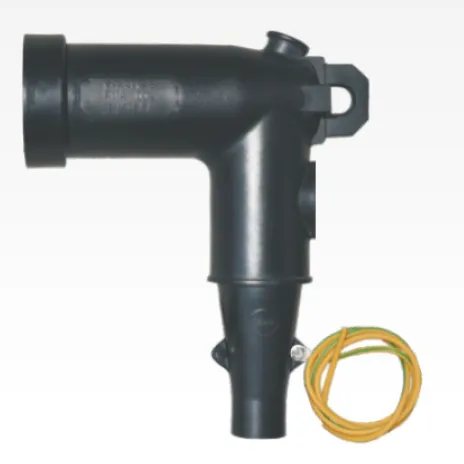
In today's demanding industrial landscape, maintaining reliable electrical connections under extreme conditions requires specialized equipment designed to withstand harsh environmental factors. Heat cable accessories have emerged as critical components in heavy-duty applications where standard cable management solutions simply cannot deliver the durability and performance required. These sophisticated accessories provide essential protection, insulation, and connection integrity for power distribution systems operating in challenging environments ranging from petrochemical facilities to offshore installations.
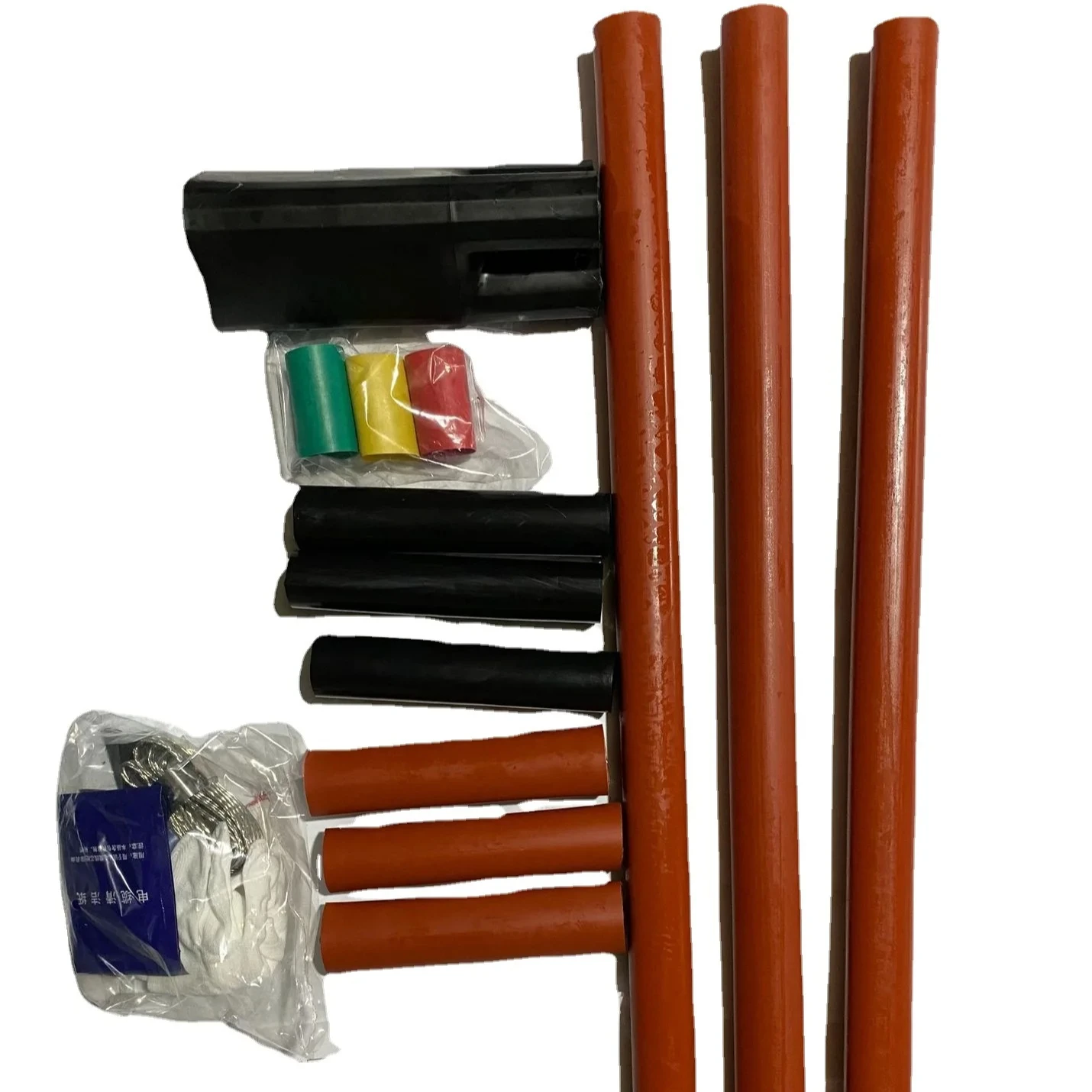
The evolution of electrical infrastructure in industrial settings has created an unprecedented demand for robust cable accessories that can handle high-voltage applications while maintaining operational safety. Heat cable accessories play a pivotal role in ensuring continuous power transmission in environments where temperature fluctuations, chemical exposure, and mechanical stress pose constant threats to system integrity. Understanding the fundamental importance of these components helps facility managers and engineers make informed decisions about their electrical infrastructure investments.
Modern heavy-duty applications require cable accessories that exceed traditional performance standards, incorporating advanced materials and engineering principles to deliver exceptional reliability. The integration of heat cable accessories into comprehensive power distribution strategies has become essential for industries that cannot afford unexpected downtime or safety incidents. These components represent a crucial intersection between electrical engineering excellence and practical industrial requirements.
Critical Performance Requirements in Industrial Environments
Temperature Resistance and Thermal Management
Industrial environments subject electrical systems to extreme temperature variations that can compromise cable integrity and connection reliability. Heat cable accessories are specifically engineered to maintain their structural and electrical properties across wide temperature ranges, ensuring consistent performance from arctic conditions to high-temperature industrial processes. The thermal stability of these accessories prevents degradation of insulation properties, maintaining electrical isolation and preventing costly failures.
Advanced polymer compounds used in modern heat cable accessories provide superior thermal conductivity management, allowing for efficient heat dissipation while maintaining insulation integrity. This thermal management capability is particularly crucial in applications where cables carry high current loads or operate in confined spaces where heat accumulation poses risks. The materials selected for these accessories undergo rigorous testing to ensure they maintain their properties under sustained thermal stress.
The relationship between temperature resistance and long-term reliability cannot be overstated in heavy-duty applications. Heat cable accessories designed for industrial use incorporate multiple layers of protection, including heat-resistant outer sheaths and thermally stable core materials that prevent thermal breakdown over extended service periods. This comprehensive approach to thermal management ensures that electrical connections remain secure and functional throughout the system's operational lifetime.
Chemical and Environmental Durability
Chemical resistance represents another critical performance parameter for heat cable accessories deployed in industrial settings. These components must withstand exposure to aggressive chemicals, solvents, and corrosive substances commonly found in manufacturing, processing, and extraction operations. The material composition of high-quality heat cable accessories includes specialized polymers and compounds that resist chemical attack while maintaining their electrical and mechanical properties.
Environmental factors such as moisture, UV radiation, and atmospheric pollutants create additional challenges for cable accessories in outdoor and semi-outdoor installations. Effective heat cable accessories incorporate weather-resistant formulations that prevent moisture ingress, resist UV degradation, and maintain flexibility under varying atmospheric conditions. This environmental durability ensures consistent performance regardless of installation location or seasonal variations.
The synergistic effect of multiple environmental stressors requires heat cable accessories to demonstrate comprehensive resistance properties rather than single-factor protection. Modern accessories are formulated to handle simultaneous exposure to temperature extremes, chemical environments, and mechanical stress while maintaining their protective capabilities. This multi-factorial approach to environmental resistance ensures reliable operation in the most challenging industrial applications.
Safety and Compliance Considerations
Electrical Safety Standards and Regulations
Compliance with international electrical safety standards forms the foundation of effective heat cable accessories design and application. These accessories must meet stringent requirements for electrical insulation, flame resistance, and mechanical integrity as specified by organizations such as IEC, IEEE, and various national standards bodies. Proper selection and installation of compliant heat cable accessories ensures that electrical systems meet mandatory safety requirements while minimizing liability risks.
The electrical safety performance of heat cable accessories directly impacts personnel protection and system reliability in industrial environments. These components must provide reliable electrical isolation under fault conditions, preventing dangerous voltage transfer and maintaining safe working conditions around electrical installations. Advanced heat cable accessories incorporate multiple safety features, including enhanced insulation barriers and fault-tolerant design elements that ensure safe operation even under abnormal conditions.
Regular compliance verification and testing protocols ensure that heat cable accessories continue to meet safety standards throughout their service life. This ongoing compliance monitoring includes periodic inspection, testing, and maintenance activities that verify the continued effectiveness of safety features and identify potential issues before they compromise system integrity. Comprehensive documentation and traceability support regulatory compliance and facilitate efficient maintenance planning.
Fire Safety and Flame Retardancy
Fire safety considerations play a crucial role in the selection and application of heat cable accessories in industrial environments where ignition sources and combustible materials create elevated fire risks. These accessories must demonstrate excellent flame retardancy properties, limiting flame spread and reducing toxic gas emissions in the event of electrical faults or external fire exposure. Advanced flame-retardant formulations ensure that heat cable accessories contribute to overall facility fire safety rather than exacerbating fire hazards.
The integration of fire safety features into heat cable accessories requires careful balance between flame resistance and other performance requirements such as electrical properties and mechanical durability. Modern accessories achieve this balance through sophisticated material engineering that incorporates flame-retardant additives without compromising essential functional characteristics. This integrated approach ensures that fire safety enhancement does not create performance trade-offs in other critical areas.
Emergency response planning and fire safety protocols must account for the performance characteristics of heat cable accessories under fire conditions. These accessories are designed to maintain their protective functions for specified periods during fire exposure, providing critical time for emergency response and system shutdown procedures. Understanding the fire performance characteristics of installed accessories enables more effective emergency planning and response strategies.
Installation and Maintenance Advantages
Simplified Installation Procedures
Modern heat cable accessories incorporate design features that streamline installation procedures while ensuring reliable connections and long-term performance. These accessories often feature user-friendly connection mechanisms that reduce installation time and minimize the potential for installation errors that could compromise system reliability. Simplified installation procedures also reduce labor costs and project timelines, making heat cable accessories an economically attractive solution for large-scale industrial installations.
The modular design approach used in advanced heat cable accessories allows for flexible configuration options that accommodate various installation requirements and constraints. This modularity enables installers to adapt accessories to specific site conditions without requiring custom modifications or specialized components. The resulting installation flexibility reduces inventory requirements and simplifies project planning while maintaining consistent performance standards across diverse applications.
Quality control measures integrated into heat cable accessories installation procedures help ensure consistent results and reliable long-term performance. These measures include visual inspection criteria, electrical testing protocols, and documentation requirements that verify proper installation and provide baseline performance data for future maintenance activities. Comprehensive installation procedures supported by clear documentation facilitate knowledge transfer and ensure consistent installation quality across different project teams.
Maintenance Requirements and Service Life
The maintenance requirements for heat cable accessories in heavy-duty applications depend on environmental conditions, operating parameters, and system design factors that influence component aging and wear patterns. Well-designed accessories minimize maintenance requirements through robust construction and materials selection that resist common failure modes and degradation mechanisms. This approach to maintenance reduction translates directly into lower lifecycle costs and improved system availability.
Predictive maintenance strategies for heat cable accessories leverage condition monitoring technologies and inspection protocols that identify potential issues before they result in system failures. These strategies include thermal imaging, electrical testing, and visual inspection procedures that assess accessory condition and performance trends over time. Early identification of degradation patterns enables proactive replacement and repair activities that prevent unexpected failures and extend overall system life.
Service life optimization for heat cable accessories requires understanding of aging mechanisms and environmental factors that influence component longevity. Proper selection of accessories with appropriate ratings and specifications for specific applications ensures optimal service life while avoiding over-specification that increases unnecessary costs. Regular assessment of operating conditions and performance trends enables refinement of maintenance strategies and replacement planning that maximize asset value.
Economic Benefits and Cost Optimization
Total Cost of Ownership Analysis
Evaluating the economic benefits of heat cable accessories requires comprehensive analysis of total cost of ownership factors including initial procurement costs, installation expenses, maintenance requirements, and system reliability impacts. High-quality accessories often command higher initial costs but deliver superior long-term value through reduced maintenance needs, extended service life, and improved system reliability. This total cost perspective helps justify investment in premium accessories for critical applications where reliability is paramount.
The economic impact of system failures and downtime events significantly influences the cost-benefit analysis for heat cable accessories in industrial applications. Reliable accessories that prevent costly failures and unplanned downtime generate substantial economic benefits that often exceed their incremental cost premium. Quantifying these reliability benefits requires understanding of production values, maintenance costs, and business interruption impacts specific to each application and facility.
Long-term cost optimization strategies for heat cable accessories consider factors such as technology evolution, maintenance cost trends, and system expansion requirements that influence future economic performance. These strategies balance current cost considerations with anticipated future needs and cost trends to optimize investment decisions over extended planning horizons. Regular review and updating of cost models ensures that economic analyses remain relevant and accurate as conditions change.
Productivity and Operational Efficiency
The impact of heat cable accessories on operational efficiency extends beyond basic electrical connectivity to encompass system reliability, maintenance efficiency, and operational flexibility considerations. Reliable accessories reduce the frequency of maintenance interventions and emergency repairs, minimizing production disruptions and optimizing resource allocation. This reliability contribution directly enhances overall facility productivity and operational effectiveness.
Advanced heat cable accessories often incorporate features that enhance system monitoring and diagnostic capabilities, providing operators with better visibility into system condition and performance trends. This enhanced monitoring capability enables more effective preventive maintenance planning and optimization of operational parameters for improved efficiency. The integration of smart features into accessories represents an evolution toward more intelligent and self-monitoring electrical systems.
Operational flexibility benefits from heat cable accessories include simplified system modifications, reduced downtime for maintenance activities, and improved compatibility with various equipment types and configurations. This flexibility enables facilities to adapt more readily to changing production requirements and equipment updates without major infrastructure modifications. The resulting operational agility provides competitive advantages in dynamic industrial markets where responsiveness and adaptability are crucial success factors.
Technology Innovations and Future Developments
Advanced Materials and Engineering
Recent developments in materials science have enabled significant advances in heat cable accessories performance, durability, and application range. New polymer formulations offer improved thermal stability, chemical resistance, and mechanical properties that extend service life and expand application possibilities. These materials innovations often result from collaborative research between accessory manufacturers, chemical companies, and end-user industries seeking enhanced performance solutions.
Engineering innovations in heat cable accessories design focus on optimizing performance characteristics while simplifying manufacturing processes and reducing costs. Advanced modeling and simulation tools enable designers to optimize accessory geometry, material distribution, and stress patterns for improved performance and reliability. These engineering advances often result in accessories that deliver superior performance with reduced material consumption and manufacturing complexity.
The integration of nanotechnology and advanced composite materials into heat cable accessories represents a frontier area for performance enhancement and new capability development. These technologies offer potential benefits including enhanced electrical properties, improved thermal management, and self-monitoring capabilities that could transform accessory functionality and application possibilities. Ongoing research and development activities continue to explore these emerging technologies for practical industrial applications.
Smart Monitoring and Diagnostic Features
The integration of smart monitoring capabilities into heat cable accessories enables real-time condition assessment and predictive maintenance optimization that enhances system reliability and reduces maintenance costs. These smart features typically include sensors for temperature, moisture, electrical parameters, and mechanical stress that provide continuous monitoring of accessory condition and performance. The resulting data streams support advanced maintenance strategies and system optimization efforts.
Diagnostic capabilities embedded in modern heat cable accessories provide early warning of potential failures and performance degradation, enabling proactive maintenance interventions that prevent costly system failures. These diagnostic systems often incorporate machine learning algorithms that analyze performance trends and environmental factors to predict optimal maintenance timing and identify emerging issues before they impact system operation.
Communication and connectivity features in advanced heat cable accessories enable integration with facility management systems and industrial IoT platforms for comprehensive asset monitoring and management. This connectivity facilitates centralized monitoring of distributed electrical systems and enables data-driven maintenance optimization strategies. The evolution toward fully connected electrical infrastructure promises enhanced operational visibility and control capabilities for industrial facilities.
FAQ
What factors should be considered when selecting heat cable accessories for heavy-duty applications
When selecting heat cable accessories for heavy-duty applications, several critical factors must be evaluated including operating voltage and current requirements, environmental conditions such as temperature range and chemical exposure, mechanical stress levels, and regulatory compliance requirements. The specific application environment determines the necessary performance characteristics, while safety standards and industry regulations establish minimum acceptable specifications. Additionally, consideration should be given to installation requirements, maintenance accessibility, and long-term cost implications to ensure optimal selection for each specific application scenario.
How do heat cable accessories contribute to overall system reliability in industrial environments
Heat cable accessories contribute to system reliability through multiple mechanisms including protection of cable connections from environmental degradation, maintenance of electrical isolation under fault conditions, and provision of secure mechanical connections that resist vibration and thermal cycling. These accessories serve as critical protection barriers that prevent moisture ingress, chemical attack, and thermal damage that could compromise cable performance. By maintaining connection integrity and preventing common failure modes, quality accessories significantly extend system service life and reduce the likelihood of unexpected failures that could disrupt industrial operations.
What maintenance practices are recommended for heat cable accessories in demanding applications
Recommended maintenance practices for heat cable accessories include regular visual inspection for signs of physical damage or environmental degradation, periodic electrical testing to verify insulation integrity and connection resistance, and thermal monitoring to identify potential hot spots or thermal anomalies. Maintenance intervals should be established based on manufacturer recommendations, environmental conditions, and operational experience, with more frequent inspections required in harsh environments or critical applications. Documentation of inspection results and maintenance activities provides valuable trend data for optimizing maintenance strategies and predicting replacement needs.
How do modern heat cable accessories address emerging industrial challenges
Modern heat cable accessories address emerging industrial challenges through incorporation of advanced materials that resist new chemical environments and extreme operating conditions, integration of smart monitoring capabilities that provide real-time condition assessment, and design flexibility that accommodates evolving equipment and system requirements. These accessories also incorporate enhanced safety features that meet increasingly stringent regulatory requirements while providing improved installation and maintenance efficiency. The evolution toward more sustainable and environmentally responsible solutions is driving development of accessories with reduced environmental impact and improved recyclability characteristics.
Table of Contents
- Critical Performance Requirements in Industrial Environments
- Safety and Compliance Considerations
- Installation and Maintenance Advantages
- Economic Benefits and Cost Optimization
- Technology Innovations and Future Developments
-
FAQ
- What factors should be considered when selecting heat cable accessories for heavy-duty applications
- How do heat cable accessories contribute to overall system reliability in industrial environments
- What maintenance practices are recommended for heat cable accessories in demanding applications
- How do modern heat cable accessories address emerging industrial challenges