
 EN
EN
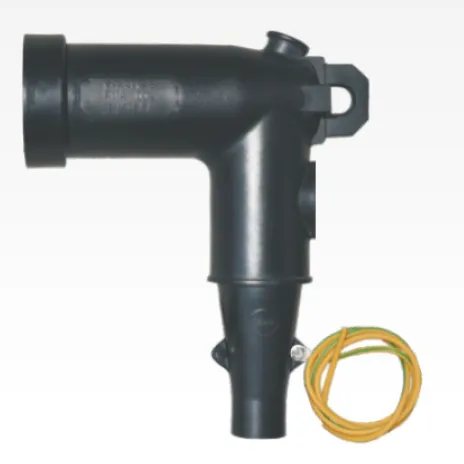
The evolution of electrical infrastructure has dramatically transformed how power distribution systems operate, with cable intermediate joints representing one of the most significant technological advances in modern electrical engineering. These critical components have undergone revolutionary changes that have enhanced reliability, reduced maintenance costs, and improved overall system performance across industrial and utility applications.
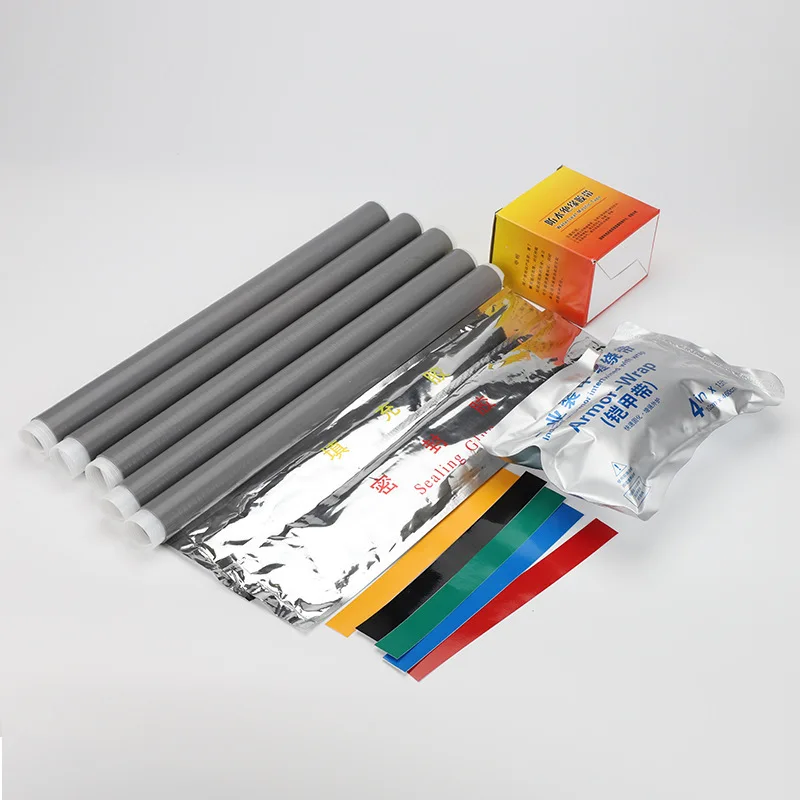
Modern cable intermediate joints now incorporate advanced materials science, precision manufacturing techniques, and intelligent monitoring capabilities that were unimaginable just decades ago. These technological improvements have addressed long-standing industry challenges including moisture ingress, thermal management, electrical stress concentration, and predictive maintenance requirements that previously plagued traditional jointing systems.
Advanced Material Science in Modern Cable Intermediate Joints
Silicone-Based Insulation Technology
Contemporary cable intermediate joints utilize sophisticated silicone compounds that offer superior electrical and mechanical properties compared to traditional materials. These advanced silicones provide exceptional dielectric strength, maintaining consistent performance across extreme temperature ranges from -40°C to 180°C. The molecular structure of modern silicone materials ensures long-term stability under electrical stress, significantly extending the operational lifespan of cable intermediate joints in demanding industrial environments.
The hydrophobic nature of advanced silicone formulations creates an effective barrier against moisture penetration, which historically represented the primary failure mode in older jointing systems. Modern silicone compounds incorporate nano-scale fillers that enhance both mechanical strength and electrical performance, enabling cable intermediate joints to withstand higher voltage ratings while maintaining compact form factors suitable for space-constrained installations.
Cold Shrink Technology Integration
Revolutionary cold shrink technology has eliminated the need for heat application during installation of cable intermediate joints, significantly reducing installation complexity and improving safety protocols. This technology utilizes pre-expanded elastomeric tubes held in tension on removable cores, allowing for controlled, uniform compression around cable connections without external energy input. The consistent radial pressure achieved through cold shrink mechanisms ensures optimal electrical contact and mechanical stability.
Cold shrink cable intermediate joints offer superior performance consistency compared to heat-activated alternatives, as they eliminate variables associated with torch application, ambient temperature conditions, and operator skill levels. The controlled shrinkage process creates predictable interface pressures that optimize both electrical conductivity and long-term mechanical integrity of joint assemblies.
Enhanced Electrical Performance Through Design Innovation
Stress Control Technology
Modern cable intermediate joints incorporate sophisticated stress control systems that manage electrical field concentrations at critical interfaces. Advanced geometric designs utilize field-grading materials and optimized conductor profiles to distribute electrical stress uniformly across joint assemblies. These stress control mechanisms prevent the formation of high-intensity electrical fields that could lead to partial discharge activity and progressive insulation degradation.
Contemporary cable intermediate joints employ layered stress control systems that create smooth electrical transitions between different insulation materials. Semi-conductive layers with precisely controlled resistivity gradients ensure optimal field distribution while maintaining compatibility with various cable construction types and voltage ratings.
Improved Conductor Connection Methods
Advanced connector technologies within modern cable intermediate joints utilize compression and mechanical connection systems that provide superior electrical and mechanical performance compared to traditional soldered or welded connections. These connection methods employ precision-machined components with optimized contact geometries that maximize current-carrying capacity while minimizing resistance and heat generation.
Modern connector designs incorporate multiple contact points and spring-loaded mechanisms that maintain consistent pressure over extended operational periods, compensating for thermal expansion and mechanical settling effects. The enhanced contact stability significantly reduces the risk of hot spots and connection degradation that previously limited the reliability of cable intermediate joints in high-current applications.
Environmental Protection and Sealing Technologies
Waterproof Barrier Systems
Contemporary cable intermediate joints feature multi-barrier sealing systems that provide comprehensive protection against moisture ingress, chemical contamination, and environmental degradation. These sealing technologies combine elastomeric gaskets, adhesive barriers, and mechanical compression systems to create redundant protection layers that ensure long-term reliability in challenging environmental conditions.
Advanced polymer formulations used in modern sealing systems resist UV degradation, ozone attack, and chemical exposure while maintaining flexibility across wide temperature ranges. The integration of molecular sieve desiccants within joint assemblies provides additional moisture control, creating micro-environments that preserve insulation integrity over extended operational periods.
Corrosion Resistance Enhancement
Modern cable intermediate joints incorporate corrosion-resistant materials and protective coatings that extend operational life in harsh industrial environments. Aluminum and copper conductor connections utilize advanced plating techniques and barrier coatings that prevent galvanic corrosion and oxidation processes that historically limited joint reliability.
The implementation of sacrificial anode systems and cathodic protection mechanisms within certain cable intermediate joints provides active corrosion prevention for underground and marine applications. These protective systems automatically adjust to environmental conditions, maintaining optimal protection levels throughout the operational lifespan of joint assemblies.
Smart Monitoring and Diagnostic Capabilities
Integrated Sensor Technology
Modern cable intermediate joints increasingly incorporate embedded sensor systems that provide real-time monitoring of critical operational parameters including temperature, pressure, partial discharge activity, and moisture levels. These intelligent monitoring capabilities enable predictive maintenance strategies that prevent failures before they occur, significantly improving system reliability and reducing unplanned outages.
Advanced sensor technologies utilize fiber optic, wireless, and digital communication protocols to transmit diagnostic data to centralized monitoring systems. The integration of artificial intelligence algorithms enables automated analysis of sensor data, identifying developing problems and recommending maintenance actions before critical thresholds are reached.
Predictive Analytics Integration
Contemporary cable intermediate joints support advanced analytics platforms that correlate operational data with environmental conditions, loading patterns, and historical performance trends. These predictive analytics capabilities enable utilities and industrial operators to optimize maintenance schedules, predict remaining useful life, and make informed decisions about system upgrades and replacements.
Machine learning algorithms analyze patterns in cable intermediate joints performance data to identify subtle indicators of developing problems that might not be apparent through traditional inspection methods. This analytical capability significantly improves maintenance efficiency and helps prevent costly system failures through early intervention strategies.
Installation and Maintenance Technology Advances
Simplified Installation Processes
Technological improvements have dramatically simplified the installation procedures for cable intermediate joints, reducing both installation time and the skill level required for proper assembly. Modern designs incorporate visual installation indicators, pre-positioned components, and fool-proof assembly sequences that minimize the risk of installation errors and ensure consistent performance across different installation teams.
Advanced installation tools and techniques enable precise control of critical parameters such as conductor insertion depth, compression force, and insulation positioning. These technological improvements have reduced typical installation times by 60-70% compared to traditional methods while improving overall installation quality and consistency.
Enhanced Quality Assurance Methods
Modern cable intermediate joints benefit from advanced quality assurance technologies including automated testing systems, digital documentation methods, and integrated verification procedures. These quality assurance improvements ensure that every joint assembly meets specified performance requirements and provide comprehensive documentation for future maintenance and troubleshooting activities.
Digital quality assurance systems automatically record installation parameters, test results, and configuration details, creating permanent records that support lifecycle management and regulatory compliance requirements. These technological capabilities significantly improve the reliability and traceability of cable intermediate joints installations across various industrial applications.
FAQ
What are the main technological improvements in modern cable intermediate joints compared to older designs?
Modern cable intermediate joints incorporate advanced silicone insulation materials, cold shrink technology, enhanced stress control systems, improved sealing mechanisms, and integrated monitoring capabilities. These improvements provide superior electrical performance, environmental protection, installation simplicity, and predictive maintenance capabilities compared to traditional designs that relied on heat-activated materials and simpler construction methods.
How do cold shrink cable intermediate joints improve installation reliability?
Cold shrink technology eliminates the need for heat application during installation, removing variables associated with torch skills, weather conditions, and thermal damage risks. The pre-expanded elastomeric tubes provide consistent, controlled compression that ensures uniform contact pressure and optimal electrical performance regardless of installer experience or environmental conditions during installation.
What role do smart monitoring systems play in modern cable intermediate joints?
Integrated sensor systems in modern cable intermediate joints provide real-time monitoring of temperature, moisture, partial discharge, and mechanical stress parameters. These monitoring capabilities enable predictive maintenance strategies, early problem detection, and data-driven decision making that significantly improves system reliability and reduces maintenance costs compared to traditional time-based maintenance approaches.
How have material science advances improved the performance of cable intermediate joints?
Advanced silicone compounds and engineered polymers provide superior electrical properties, environmental resistance, and mechanical durability compared to traditional materials. These materials maintain consistent performance across wider temperature ranges, resist moisture penetration and chemical degradation, and provide enhanced stress control capabilities that extend operational life and improve overall system reliability.
Table of Contents
- Advanced Material Science in Modern Cable Intermediate Joints
- Enhanced Electrical Performance Through Design Innovation
- Environmental Protection and Sealing Technologies
- Smart Monitoring and Diagnostic Capabilities
- Installation and Maintenance Technology Advances
-
FAQ
- What are the main technological improvements in modern cable intermediate joints compared to older designs?
- How do cold shrink cable intermediate joints improve installation reliability?
- What role do smart monitoring systems play in modern cable intermediate joints?
- How have material science advances improved the performance of cable intermediate joints?