
 EN
EN
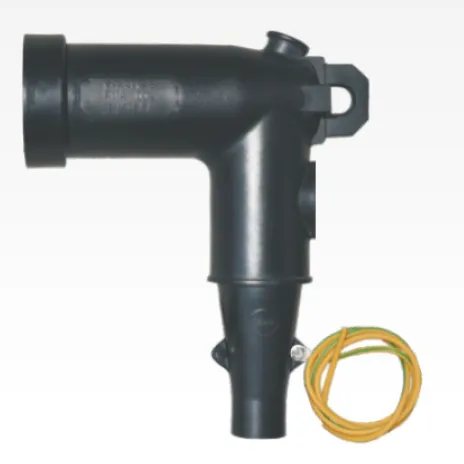
Cable intermediate joints serve as critical connection points in electrical distribution systems, linking separate cable sections to ensure continuous power transmission. These joints experience significant electrical and mechanical stress during operation, making systematic inspection and maintenance essential for preventing costly failures and maintaining system reliability. Understanding the proper procedures for evaluating and maintaining these vital components can dramatically extend their service life while reducing unexpected outages.
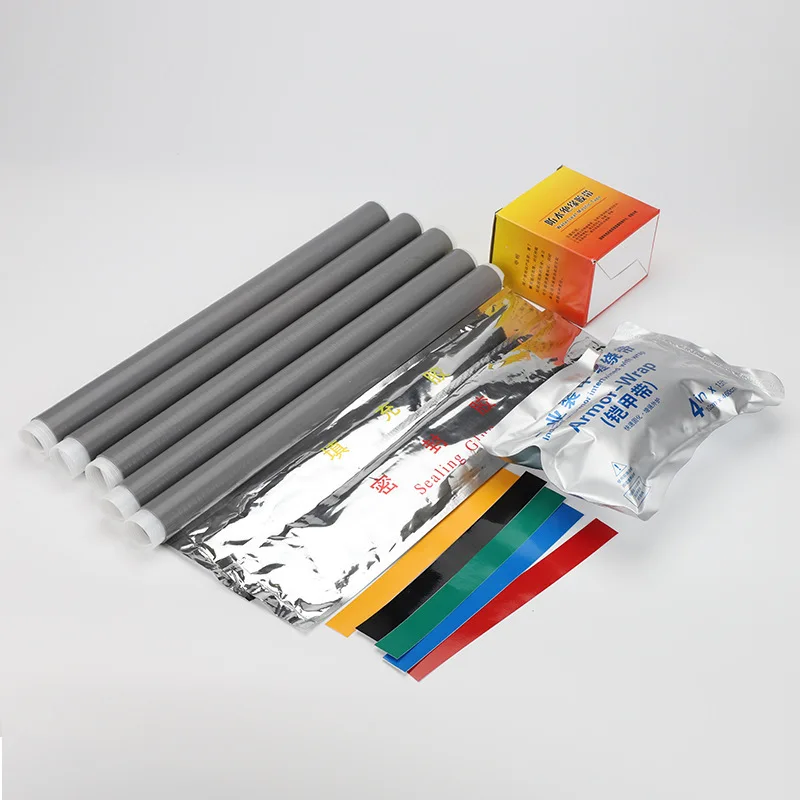
Effective maintenance of cable intermediate joints requires a structured approach combining visual inspection, electrical testing, and preventive care protocols. The inspection process involves multiple stages, from initial visual assessment to advanced diagnostic testing, each designed to identify potential issues before they escalate into system failures. This comprehensive maintenance strategy ensures optimal performance and longevity of your electrical infrastructure.
Understanding Cable Intermediate Joint Components
Core Structural Elements
Cable intermediate joints consist of several critical components that work together to maintain electrical continuity and environmental protection. The conductor connection forms the heart of the joint, typically featuring compression or mechanical connectors designed to handle the full current rating of the cable system. These connections must maintain low resistance while accommodating thermal expansion and contraction cycles that occur during normal operation.
The insulation system surrounding the conductor connection provides electrical isolation and prevents breakdown under operating voltages. This system often includes multiple layers of materials, such as stress control elements, primary insulation, and outer protective layers. Each layer serves a specific function in managing electrical stress distribution and environmental protection, making their integrity crucial for reliable joint performance.
Environmental sealing components protect the internal elements from moisture, contaminants, and physical damage. These sealing systems typically include heat-shrink tubes, cold-shrink sleeves, or molded housings designed to create watertight barriers around the joint assembly. The effectiveness of these sealing systems directly impacts the long-term reliability of cable intermediate joints, making their proper installation and maintenance essential.
Stress Control and Grading Systems
Stress control systems within cable intermediate joints manage electrical field distribution to prevent localized stress concentrations that could lead to insulation breakdown. These systems typically include stress cones or grading sleeves that provide smooth voltage transitions between different insulation materials. Proper functioning of stress control elements ensures uniform field distribution and prevents premature aging of insulation materials.
The design and material selection of stress control components depends on the voltage rating and cable type being joined. Higher voltage applications require more sophisticated stress control systems to manage the increased electrical stress levels. Understanding these design requirements helps maintenance personnel identify appropriate inspection criteria and replacement procedures when necessary.
Pre-Inspection Safety and Preparation Procedures
Electrical Safety Protocols
Safety preparation forms the foundation of any cable intermediate joint inspection program, requiring comprehensive de-energization and isolation procedures before beginning any maintenance work. The process begins with proper switching procedures to remove the circuit from service, followed by verification of de-energized conditions using appropriate test equipment. Lock-out tag-out procedures must be implemented to prevent accidental re-energization during maintenance activities.
Grounding and bonding procedures provide additional protection against induced voltages and stored energy within the cable system. Temporary grounding devices should be installed on both sides of the joint location to create equipotential conditions and provide a safe working environment. These grounding procedures are particularly important when working on cable intermediate joints in underground or confined spaces where escape routes may be limited.
Personal protective equipment requirements vary depending on the voltage level and working environment, but typically include arc-rated clothing, insulated tools, and appropriate respiratory protection when working in confined spaces. Pre-job safety briefings should review specific hazards associated with the particular joint location and establish communication protocols for the maintenance team.
Equipment and Documentation Preparation
Successful inspection of cable intermediate joints requires proper test equipment calibration and documentation systems to ensure accurate results and maintain historical records. Insulation resistance testers, power factor test sets, and partial discharge analyzers must be calibrated and verified before use to ensure measurement accuracy. Backup test equipment should be available to prevent delays if primary instruments fail during testing.
Documentation preparation includes gathering historical maintenance records, manufacturer specifications, and previous test results to establish baseline conditions for comparison. This historical data helps identify trends and provides context for interpreting current test results. Digital photography equipment should be available to document joint conditions before, during, and after maintenance activities.
Systematic Visual Inspection Techniques
External Housing and Environmental Seal Assessment
Visual inspection of cable intermediate joints begins with thorough examination of external housings and environmental seals for signs of physical damage, degradation, or contamination. Look for cracks, punctures, or deformation in protective housings that could compromise the internal environment of the joint. Pay particular attention to areas where the housing interfaces with cable jackets, as these locations are prone to stress concentration and seal failure.
Moisture intrusion indicators include discoloration, mineral deposits, or visible water accumulation around seal interfaces. These signs suggest compromised environmental protection that could lead to insulation degradation and eventual joint failure. Document any abnormalities with photographs and detailed descriptions to support maintenance decision-making and warranty claims if applicable.
Surface contamination assessment involves checking for accumulation of dust, salt deposits, or chemical residues that could affect insulation performance. Industrial environments often expose cable intermediate joints to aggressive contaminants that can accelerate aging and reduce flashover strength. Regular cleaning and inspection of these deposits helps maintain optimal joint performance and prevents unexpected failures.
Mechanical Connection and Support Structure Evaluation
Mechanical support structures for cable intermediate joints require careful inspection to ensure proper load distribution and protection against physical damage. Check mounting brackets, support clamps, and cable pulling grips for signs of loosening, corrosion, or mechanical damage that could compromise joint integrity. Inadequate mechanical support can lead to stress concentration and premature joint failure.
Cable strain relief systems prevent mechanical stress from being transmitted to the joint connections during normal cable movement or thermal cycling. Inspect these systems for proper installation and function, ensuring that cable weight and thermal expansion forces are properly managed. Poor strain relief can cause conductor connection loosening and eventual joint failure.
Electrical Testing and Diagnostic Procedures
Insulation Resistance and Polarization Index Testing
Insulation resistance testing provides fundamental information about the condition of insulation systems within cable intermediate joints, helping identify moisture intrusion, contamination, or insulation degradation. The test involves applying a DC voltage between conductors and measuring the resulting leakage current over time. Standard test voltages range from 500V to 5000V depending on the system voltage rating and manufacturer recommendations.
Polarization index testing extends the basic insulation resistance measurement by comparing readings taken at one minute and ten minutes after voltage application. This ratio provides insight into the moisture content and general condition of insulation materials. A polarization index below 2.0 typically indicates moisture problems or significant insulation degradation requiring further investigation.
Temperature correction of insulation resistance readings ensures accurate comparison with historical data and manufacturer specifications. Insulation resistance varies significantly with temperature, typically halving for every 10°C increase. Proper temperature correction allows meaningful trend analysis and helps distinguish between normal temperature effects and actual insulation degradation in cable intermediate joints.
Power Factor and Tan Delta Analysis
Power factor testing evaluates the dielectric losses within cable intermediate joint insulation systems, providing sensitive indication of insulation condition and aging. This test applies an AC voltage at power frequency and measures the phase angle between voltage and current to calculate power factor or dissipation factor values. Increasing power factor values typically indicate insulation degradation or moisture intrusion.
Tan delta measurements offer similar information to power factor testing but provide better sensitivity for detecting early stages of insulation deterioration. The test can identify localized problems within specific components of the joint assembly, helping focus maintenance efforts on problematic areas. Trending of tan delta values over time provides early warning of developing problems before they cause joint failure.
Preventive Maintenance Protocols
Cleaning and Environmental Protection
Regular cleaning of cable intermediate joints removes contaminants that could compromise insulation performance or accelerate component degradation. The cleaning process varies depending on the joint design and environmental conditions, but typically involves removal of accumulated dirt, salt deposits, or industrial contaminants from external surfaces. Use appropriate cleaning solvents that won't damage sealing materials or insulation components.
Environmental protection measures help extend the service life of cable intermediate joints by reducing exposure to damaging conditions. This includes application of protective coatings, installation of additional weatherproofing, or modification of drainage systems to prevent water accumulation. Consider the specific environmental challenges at each joint location when developing protection strategies.
Corrosion protection for metallic components within cable intermediate joints prevents degradation that could compromise electrical connections or mechanical integrity. Apply appropriate protective treatments to exposed metal surfaces and verify the integrity of galvanic protection systems where installed. Regular inspection and maintenance of corrosion protection systems helps ensure long-term joint reliability.
Connection Torque Verification and Adjustment
Mechanical connections within cable intermediate joints require periodic torque verification to maintain proper electrical contact and prevent overheating. Thermal cycling and vibration can cause connection loosening over time, leading to increased resistance and potential joint failure. Follow manufacturer specifications for torque values and re-torquing intervals to maintain optimal connection integrity.
Torque verification procedures must account for the accessibility limitations and safety requirements associated with energized electrical equipment. Many cable intermediate joints allow limited access to mechanical connections, requiring specialized tools and techniques for proper torque application. Develop appropriate procedures and safety protocols for each joint type and installation configuration.
FAQ
How often should cable intermediate joints be inspected?
Cable intermediate joints should be inspected annually for visual assessment and every three to five years for comprehensive electrical testing, depending on the system voltage level and environmental conditions. Critical circuits or joints exposed to harsh environments may require more frequent inspection intervals. Historical performance data and manufacturer recommendations should guide specific inspection frequency decisions for each installation.
What are the most common failure modes for cable intermediate joints?
The most common failure modes include moisture intrusion leading to insulation breakdown, mechanical connection loosening causing overheating, and stress control system degradation resulting in electrical flashover. Environmental seal failure ranks as the primary cause of joint problems, followed by installation defects and material aging. Understanding these failure patterns helps focus inspection efforts on the most critical joint components.
Can cable intermediate joints be repaired or must they be replaced when problems are found?
Minor issues such as loose connections, external seal problems, or surface contamination can often be repaired using appropriate techniques and materials. However, significant insulation damage, water intrusion, or stress control system failure typically requires complete joint replacement. The repair versus replacement decision depends on the extent of damage, safety considerations, and long-term reliability requirements for the specific application.
What safety precautions are essential when working on cable intermediate joints?
Essential safety precautions include complete de-energization with verified lockout procedures, proper grounding of all cable sections, use of appropriate personal protective equipment, and establishment of safe work boundaries. Confined space entry procedures may be required for underground joint locations, and proper ventilation must be ensured when working with sealing compounds or solvents. Emergency response procedures should be established before beginning any maintenance work on cable intermediate joints.