
 EN
EN
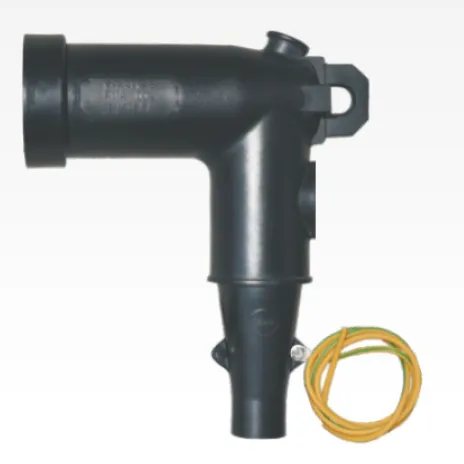
Selecting the appropriate cable intermediate joint for long cable installations requires careful consideration of multiple technical and environmental factors that directly impact system reliability and performance. The choice becomes critical when dealing with extended cable runs where power transmission integrity, environmental protection, and maintenance accessibility determine the long-term success of electrical infrastructure projects.
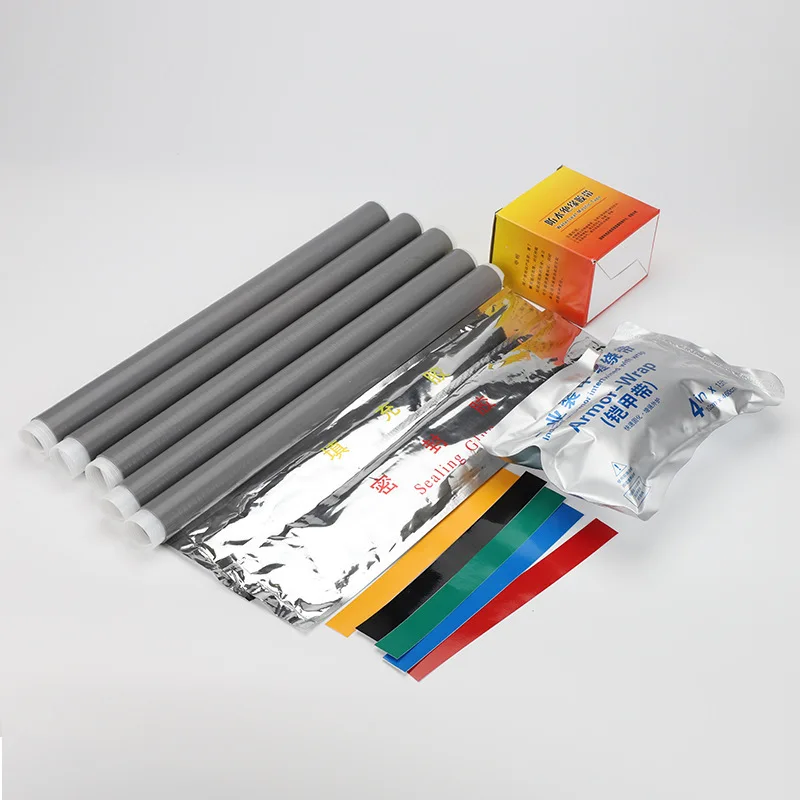
Understanding the selection criteria for cable intermediate joints involves evaluating voltage ratings, insulation compatibility, environmental conditions, and installation constraints specific to your application. Each cable intermediate joint must match the electrical characteristics of the primary cable while providing seamless continuity across the connection point, ensuring optimal power transmission without compromising safety or operational efficiency.
Understanding Cable Intermediate Joint Requirements
Voltage Rating Compatibility
The voltage rating of your cable intermediate joint must exceed the operational voltage of your cable system by an appropriate safety margin. For medium voltage applications ranging from 1kV to 35kV, the joint's insulation system must handle both steady-state voltage and potential overvoltage conditions that occur during switching operations or fault scenarios.
When selecting a cable intermediate joint, verify that the voltage class matches or exceeds your cable's rated voltage. The joint's breakdown voltage should provide adequate clearance for lightning impulses and switching surges that commonly occur in overhead line transitions or underground network configurations.
Consider the long-term voltage stress that affects insulation aging in cable intermediate joints. Higher quality joints incorporate stress control elements that distribute electric field concentrations away from critical interfaces, extending service life and maintaining electrical integrity throughout the installation's operational period.
Current Carrying Capacity
The ampacity of a cable intermediate joint must match or exceed the continuous current rating of the connected cables to prevent thermal degradation and ensure reliable power transmission. Inadequate current capacity leads to excessive heating, insulation deterioration, and eventual failure of the joint assembly.
Evaluate the conductor connection method within the cable intermediate joint to ensure low resistance connections that minimize power losses and heat generation. Compression joints, mechanical connectors, and welded connections each offer different performance characteristics depending on conductor materials and installation conditions.
Account for load growth and peak demand scenarios when sizing cable intermediate joints. The joint should accommodate future current increases without requiring replacement, providing flexibility for system expansion or load redistribution within your electrical network.
Environmental and Installation Considerations
Environmental Protection Requirements
Environmental conditions significantly influence cable intermediate joint selection, particularly for outdoor installations or underground applications where moisture, temperature variations, and chemical exposure affect joint performance. The joint's enclosure must provide appropriate ingress protection to maintain insulation integrity.
For underground installations, select cable intermediate joints with robust moisture sealing and corrosion resistance. The joint body should resist groundwater infiltration and chemical attack from soil conditions, maintaining electrical performance throughout the service life.
Temperature cycling presents challenges for cable intermediate joint materials and connections. Choose joints with thermal expansion compatibility that prevents mechanical stress on conductor connections and insulation interfaces during temperature fluctuations common in outdoor environments.
Installation Space and Access
Physical installation constraints often determine the appropriate cable intermediate joint configuration for your application. Available space in cable trenches, conduits, or equipment rooms influences joint design selection and installation methodology.
Consider maintenance accessibility when positioning cable intermediate joints in your installation. Joints require periodic inspection and potential replacement, necessitating adequate working space and identification marking for future maintenance activities.
Evaluate installation complexity and required tooling for different cable intermediate joint types. Some joints require specialized equipment or extensive preparation time, affecting project scheduling and labor costs during installation.
Cable Type and Construction Matching
Insulation System Compatibility
The insulation materials in your cable intermediate joint must provide chemical and electrical compatibility with the primary cable's insulation system. Mismatched materials can create interface problems that compromise long-term reliability and electrical performance.
XLPE, EPR, and paper-insulated cables each require specific joint designs that accommodate the unique characteristics of these insulation systems. The cable intermediate joint must provide seamless electrical transition between cable sections while maintaining insulation integrity.
Consider the dielectric properties of joint materials relative to your cable insulation. Differences in dielectric constant can create electric field concentrations that accelerate insulation degradation and reduce service life of the joint assembly.
Conductor Configuration
Conductor size, material, and stranding affect cable intermediate joint selection and connection methodology. Solid conductors require different joint designs compared to stranded or compressed conductors, influencing connection reliability and installation procedures.
Aluminum and copper conductors present different challenges for cable intermediate joint connections. Thermal expansion coefficients, galvanic compatibility, and connection techniques vary between these conductor materials, requiring appropriate joint selection for your specific application.
Multi-core cables require cable intermediate joints that accommodate individual conductor connections while maintaining proper spacing and insulation coordination between phases. The joint design must prevent cross-phase flashover and maintain balanced impedance characteristics.
Performance Specifications and Testing
Electrical Testing Requirements
Cable intermediate joints must meet specific electrical testing standards that validate their performance under operational and fault conditions. These tests verify insulation integrity, partial discharge levels, and thermal performance characteristics essential for reliable operation.
Partial discharge testing ensures that cable intermediate joints operate below threshold levels that could indicate insulation defects or field enhancement problems. Joints with low partial discharge inception voltages provide superior long-term reliability in high voltage applications.
Impulse voltage testing validates the joint's ability to withstand lightning and switching surges common in electrical networks. This testing confirms that the cable intermediate joint provides adequate insulation coordination for your specific installation requirements.
Mechanical and Environmental Testing
Mechanical testing of cable intermediate joints verifies their ability to withstand installation stresses, thermal cycling, and long-term environmental exposure without degradation of electrical or physical properties.
Thermal cycling tests demonstrate the joint's performance under repeated heating and cooling that occurs during load variations and seasonal temperature changes. These tests reveal potential problems with thermal expansion compatibility and connection integrity.
Environmental testing including moisture resistance, chemical compatibility, and UV stability ensures that cable intermediate joints maintain their protective properties throughout the service life in your specific installation environment.
Cost Considerations and Selection Criteria
Initial Cost vs. Long-Term Value
While initial cost influences cable intermediate joint selection, long-term reliability and maintenance requirements significantly impact total cost of ownership. Premium joints with superior materials and design often provide better value through reduced failure rates and extended service life.
Consider installation labor costs when comparing cable intermediate joint options. Some joint types require specialized skills or extended installation time that increases total project costs despite lower material prices.
Evaluate warranty terms and manufacturer support for different cable intermediate joint products. Comprehensive warranties and technical support reduce risk and provide assurance for critical installations where joint failure could result in significant downtime costs.
Supply Chain and Availability
Local availability and delivery schedules affect cable intermediate joint selection for time-sensitive projects. Standard joint configurations typically offer better availability compared to specialized or custom designs that may require extended lead times.
Consider standardizing on cable intermediate joint types that provide broad compatibility across your cable inventory. This approach simplifies procurement, reduces inventory costs, and ensures availability of replacement parts for future maintenance needs.
Evaluate the manufacturer's market presence and technical support capabilities in your region. Local technical support and training resources enhance installation success and provide ongoing assistance for troubleshooting and maintenance activities.
FAQ
What voltage rating should I choose for a cable intermediate joint?
Select a cable intermediate joint with a voltage rating that equals or exceeds your cable's rated voltage. Include safety margins for overvoltage conditions and ensure the joint meets relevant industry standards for your application voltage class.
How do I determine the correct ampacity for a cable intermediate joint?
Choose a cable intermediate joint with current carrying capacity that matches or exceeds your cable's continuous ampacity rating. Consider future load growth and ensure the joint's thermal characteristics are compatible with your installation's cooling conditions.
Can I use the same cable intermediate joint for different cable types?
Cable intermediate joints must be specifically designed for your cable's insulation system and construction. Different insulation materials require compatible joint designs to ensure proper electrical performance and long-term reliability.
What environmental factors affect cable intermediate joint selection?
Consider moisture exposure, temperature cycling, chemical environment, and UV exposure when selecting cable intermediate joints. The joint's enclosure and materials must provide appropriate protection for your specific installation conditions to maintain electrical integrity throughout the service life.