
 EN
EN
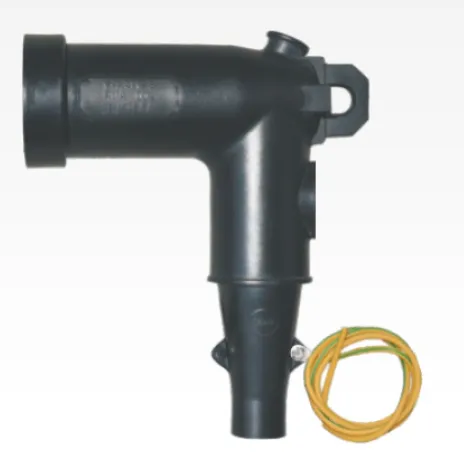
Separable cable accessories represent a critical component in modern electrical infrastructure, enabling secure connections between power cables and equipment without permanent attachment. These specialized connectors allow operators to disconnect and reconnect cables safely, making them indispensable in both routine maintenance and emergency situations. Understanding how separable cable accessories function provides valuable insight into their role in maintaining system reliability and operational flexibility.
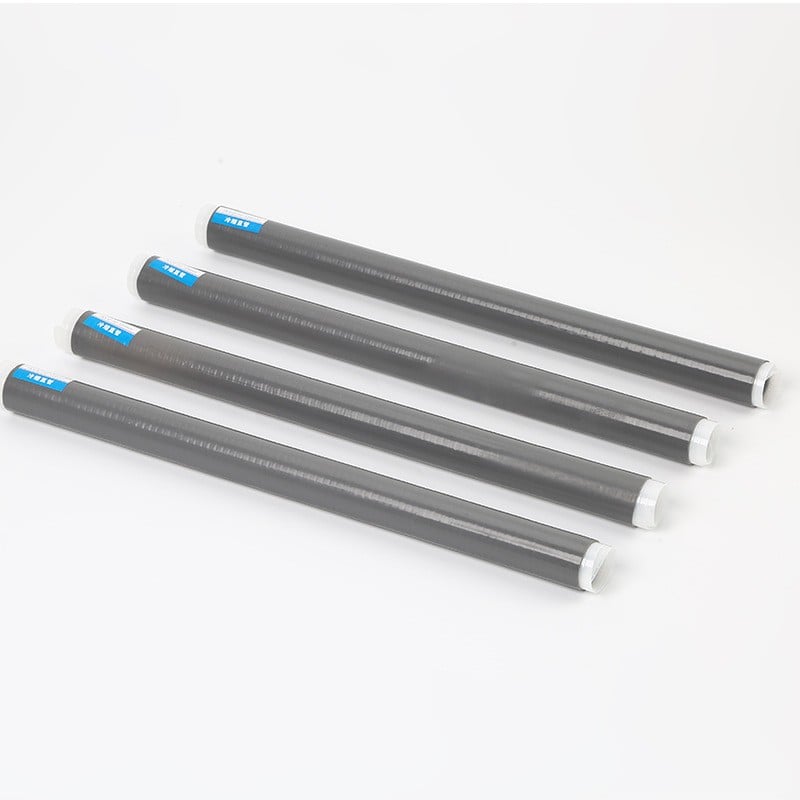
The design and function of separable cable accessories have evolved significantly over decades, adapting to increasingly demanding industrial and utility environments. Modern separable cable accessories must handle high voltages, extreme temperatures, and environmental contaminants while maintaining consistent electrical performance. This guide explores the core principles, design features, and practical applications that make separable cable accessories essential for power distribution networks worldwide.
Core Design Principles of Separable Cable Accessories
Fundamental Structure and Components
Separable cable accessories consist of two primary mating components designed to connect and disconnect repeatedly without performance degradation. The male connector, typically mounted on the cable end, inserts into the female connector attached to equipment or switchgear. This plug-and-socket arrangement allows separable cable accessories to provide both electrical continuity and mechanical stability while remaining fully reversible.
Each connector half contains internal contact elements engineered for reliable electrical transmission across thousands of mating cycles. The housing material of separable cable accessories must resist moisture penetration, UV exposure, and thermal cycling that occur during real-world operation. Internal shields and geometric design features ensure that separable cable accessories maintain electrical performance even under challenging environmental conditions.
Contact System and Sealing Technology
The contact system within separable cable accessories utilizes spring-loaded elements that compress and expand during connection, creating self-cleaning action that removes surface oxidation and contamination. This mechanical cleaning is crucial because separable cable accessories often operate in dusty or humid environments where corrosion poses significant risk. The spring force also ensures consistent contact pressure, preventing voltage drop and heat generation that could compromise system safety.
Sealing technology defines how well separable cable accessories protect against moisture and environmental hazards. Most modern separable cable accessories employ elastomeric seals positioned strategically around the connector interface to prevent water ingress during partial insertion or exposure to rain and spray. The geometry of separable cable accessories forces mating surfaces to align precisely, allowing seals to function reliably across a broad temperature range without losing elasticity.
How Separable Cable Accessories Enable Operational Flexibility
Quick-Disconnect Workflow and Safety Benefits
Separable cable accessories eliminate the need for cable splicing or permanent termination, dramatically reducing maintenance time and associated safety risks. Technicians can disconnect separable cable accessories using only hand-pressure or simple mechanical tools, avoiding the specialized equipment and cooling time required for traditional spliced connections. This simplicity means that separable cable accessories support faster equipment replacement, planned maintenance windows, and rapid emergency response scenarios.
The reversibility of separable cable accessories provides additional operational advantages by allowing technicians to verify proper connector alignment before full insertion. Many separable cable accessories incorporate keying systems or asymmetrical designs that prevent accidental mismating, reducing the likelihood of damage to sensitive electrical contacts. During disconnection, separable cable accessories automatically interrupt the electrical circuit as the contact elements separate, providing inherent safety characteristics that permanent connections cannot offer.
Interchangeability and System Standardization
Standardized separable cable accessories allow different cable types and equipment manufacturers to integrate seamlessly within a unified electrical system. Utilities and industrial facilities benefit from purchasing separable cable accessories from multiple vendors while maintaining compatibility, reducing supply-chain bottlenecks during peak demand periods. This standardization also means that separable cable accessories can be tested and certified to consistent performance criteria, making installation predictable and reducing commissioning time.
The ability to interchange separable cable accessories between compatible systems creates significant operational flexibility during system expansion or reconfiguration. Facilities can relocate equipment, upgrade cable ratings, or add capacity to existing installations by simply disconnecting separable cable accessories and reconnecting them to new locations. This modularity supports cost-effective system evolution without requiring extensive redesign or permanent infrastructure modifications.
Performance Requirements and Environmental Resilience
Electrical Performance and Dielectric Strength
Separable cable accessories must maintain electrical performance across voltage ratings ranging from low-voltage distribution systems to high-voltage transmission networks. The dielectric strength of separable cable accessories determines their ability to withstand potential differences between conductors and between conductors and ground without electrical breakdown. Design features such as careful geometric spacing and material selection ensure that separable cable accessories achieve dielectric strength comparable to or exceeding the cables they terminate.
The insulation system within separable cable accessories must withstand transient overvoltages, lightning strikes, and switching surges that represent typical stress conditions in electrical grids. Modern separable cable accessories incorporate materials engineered to absorb energy and redistribute electrical field stress, preventing localized breakdown that could lead to failure. Testing procedures for separable cable accessories verify performance under these extreme conditions, ensuring they remain safe and reliable across their entire service life.
Environmental and Temperature Extremes
Separable cable accessories operate reliably across temperature ranges spanning from arctic cold to tropical heat, with some applications requiring performance from minus fifty to plus ninety degrees Celsius. Material selection for separable cable accessories must prevent embrittlement at low temperatures and avoid softening or property loss at elevated temperatures. Elastomeric seals, metal components, and insulation materials work together to ensure that separable cable accessories maintain their mechanical integrity and electrical properties across this broad spectrum.
Environmental contamination including salt spray, industrial pollutants, and conductive dust represents a critical design consideration for separable cable accessories exposed to harsh outdoor conditions. Corrosion-resistant coatings and sealed contact chambers protect the internal components of separable cable accessories from these degrading influences. Field experience has shown that properly specified separable cable accessories maintain reliable performance in challenging environments when sealed designs and appropriate material selections are implemented.
FAQ
What makes separable cable accessories different from permanent cable terminations?
Separable cable accessories feature mating connectors that can be repeatedly connected and disconnected, while permanent terminations like spliced or molded connections are designed for single installation. Separable cable accessories enable technicians to replace equipment, perform maintenance, or reconfigure systems without cutting or damaging cables. The reversible nature of separable cable accessories also provides safety benefits during emergency situations where quick disconnection becomes necessary, whereas permanent connections require careful uninstallation procedures.
How often can separable cable accessories be mated and unmatched?
Modern separable cable accessories are engineered to withstand hundreds or even thousands of mating cycles without significant performance degradation, depending on design specifications and application duty. The spring-loaded contact system within separable cable accessories includes self-cleaning features that actually improve performance during repeated connections by removing oxidation. Manufacturers provide cycle ratings for separable cable accessories, typically ranging from five hundred to several thousand cycles, allowing facility managers to plan preventive replacement schedules appropriately.
What factors should guide the selection of appropriate separable cable accessories?
Proper selection of separable cable accessories requires matching voltage rating, current capacity, and environmental rating to the specific application requirements. The connector size and keying system must be compatible with existing equipment, and separable cable accessories should be selected from validated product lines that carry appropriate certifications for your operating jurisdiction. Environmental factors such as expected temperature extremes, moisture exposure, and contamination levels should drive decisions regarding seal type and housing material for separable cable accessories.