
 EN
EN
Heat shrink tubing has become indispensable in electrical and electronics work, serving as a fundamental component for protecting, insulating, and organizing wires and connections. Modern electrical projects demand reliability, safety, and longevity, and heat shrink tubing delivers all three. Whether you're working on automotive wiring, industrial equipment, telecommunications infrastructure, or consumer electronics, understanding why heat shrink tubing matters can significantly improve your project outcomes and ensure compliance with electrical safety standards.
The rise of heat shrink tubing in professional and DIY electrical applications reflects a broader shift toward quality assurance and preventive maintenance. Unlike older wire management methods, heat shrink tubing provides a seamless, protective barrier that adapts perfectly to the wire or connector it covers. This article explores the critical reasons why heat shrink tubing has become a must-have for anyone working with electrical systems, and how it protects against common failures that compromise performance and safety.
Protection Against Environmental Hazards
Moisture and Corrosion Prevention
One of the primary reasons heat shrink tubing is essential for electrical projects involves its ability to shield connections and wires from moisture and corrosive environments. When bare wires or solder joints are exposed to humidity, salt spray, or chemical vapors, oxidation and corrosion can develop rapidly, leading to increased resistance, signal loss, and eventual failure. Heat shrink tubing creates a hermetic seal that prevents moisture ingress, making it particularly valuable in automotive, marine, and industrial settings where environmental exposure is inevitable. By applying heat shrink tubing around vulnerable connection points, you extend the operational lifespan of your electrical assemblies and reduce maintenance costs significantly.
Temperature and Chemical Resistance
Modern heat shrink tubing formulations offer exceptional resistance to temperature extremes, flame, and chemical exposure, making it ideal for demanding applications. Quality heat shrink tubing can withstand temperatures ranging from minus 40 to plus 125 degrees Celsius or higher, depending on the material composition. In industrial environments where equipment operates near heat sources or where solvents and oils are present, heat shrink tubing provides a protective barrier that standard insulation cannot match. This thermal and chemical stability ensures that your electrical connections remain secure and functional throughout the lifespan of your project, regardless of environmental stresses.
Electrical Safety and Insulation Excellence
Enhanced Electrical Insulation
Heat shrink tubing significantly improves electrical insulation by providing multiple layers of protective covering that prevents accidental contact with live conductors. When properly applied, heat shrink tubing conforms tightly to the wire or connector, eliminating air gaps that could lead to arcing or electrical leakage. This tight conformity is a key advantage over traditional tape wrapping, which can loosen over time or leave exposed areas vulnerable to accidental contact. For safety-critical applications such as medical devices, aerospace components, or high-voltage industrial equipment, using appropriate heat shrink tubing is often a regulatory requirement that demonstrates compliance with electrical safety standards.
Flame Retardancy and Fire Safety
Professional-grade heat shrink tubing often incorporates flame-retardant properties that meet or exceed industry standards such as UL, CSA, and international certifications. When exposed to direct flame or high-temperature conditions, flame-retardant heat shrink tubing resists ignition and limits smoke emission, reducing fire propagation risks. This characteristic is especially important in confined spaces such as aircraft cabins, data centers, and automotive engine compartments where rapid fire spread could have catastrophic consequences. By specifying heat shrink tubing with appropriate flame ratings, you create a more robust safety perimeter around your electrical systems and protect both equipment and personnel from fire-related hazards.
Practical Benefits for Electrical Integrity
Strain Relief and Mechanical Protection
Beyond electrical protection, heat shrink tubing provides crucial mechanical strain relief that prevents wire breakage and connector damage. When wires are repeatedly flexed, bent, or subjected to vibration, the solder joints and wire insulation at connection points experience significant stress. Heat shrink tubing, when applied with appropriate thickness, absorbs and distributes mechanical loads across a larger surface area, reducing localized stress concentrations. This protective mechanism is essential in applications involving moving equipment, vibration-prone environments, or flexible cable assemblies where repeated flexing is unavoidable. By adding heat shrink tubing at stress points, you dramatically extend the mean time between failures and reduce the frequency of costly repairs or replacements.
Organization and Color Coding
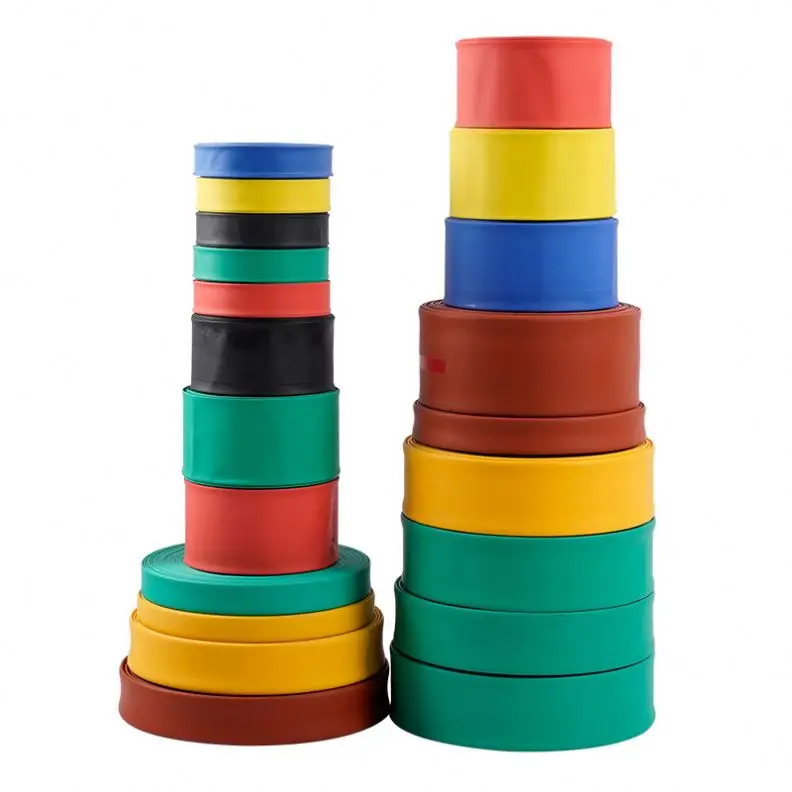
Heat shrink tubing serves a practical organizational function that improves maintenance efficiency and reduces troubleshooting time. Available in numerous colors, heat shrink tubing allows technicians to quickly identify wire function, voltage level, or system association without consulting complex documentation. This color-coding system is particularly valuable in complex assemblies with dozens or hundreds of connections, where rapid identification can mean the difference between quick repairs and extended downtime. Professional installers and maintenance teams rely on consistent heat shrink tubing color schemes to maintain project standards, ensure regulatory compliance, and facilitate knowledge transfer among team members. The organizational clarity provided by heat shrink tubing reduces installation errors, accelerates troubleshooting, and improves overall system maintainability throughout the project lifecycle.
FAQ
What sizes and materials of heat shrink tubing are available for different electrical projects?
Heat shrink tubing comes in diverse diameter ranges, from ultra-thin 0.5mm options for fine electronics to large 50mm+ sizes for industrial cable bundling. Common materials include polyolefin for general-purpose applications, fluoropolymer for extreme temperature conditions, and dual-wall varieties that combine insulation with adhesive sealant. Shrink ratios typically range from 2:1 to 6:1, determining how much diameter reduction occurs during heating. Selecting the appropriate heat shrink tubing material and size depends on your specific voltage levels, temperature requirements, environmental exposure, and the wire gauge or connector dimensions you need to cover.
How do you properly apply heat shrink tubing without damaging wires or components?
Proper application of heat shrink tubing requires selecting tubing with adequate initial diameter to slide easily over connectors or wire bundles, then carefully heating it until it shrinks uniformly around the target. Use appropriate heat sources such as heat guns set to controlled temperatures, soldering iron tips applied indirectly, or specialized shrinking tools designed for precision work. Avoid excessive heat that could damage underlying wire insulation or components, and ensure even heat distribution to prevent incomplete shrinkage or wrinkled finishes. Always test your heating technique on scrap material first, and consider protective barriers such as tape around nearby components that could be damaged by stray heat when working with heat shrink tubing in confined spaces.
Why is heat shrink tubing preferred over electrical tape for professional installations?
Heat shrink tubing outperforms electrical tape in numerous ways that justify its use in professional environments and safety-critical applications. Unlike tape, heat shrink tubing cannot unravel, loosen, or leave residue over time, providing permanent, maintenance-free coverage throughout the equipment's operational life. Heat shrink tubing maintains consistent insulation properties across wide temperature ranges and doesn't degrade from exposure to oils, solvents, or UV radiation as readily as tape does. Professional standards and regulatory bodies increasingly specify heat shrink tubing for high-reliability applications, and its superior mechanical protection, environmental resistance, and organized appearance make it the preferred choice for any project where reliability, safety, and professional standards matter.