
 EN
EN
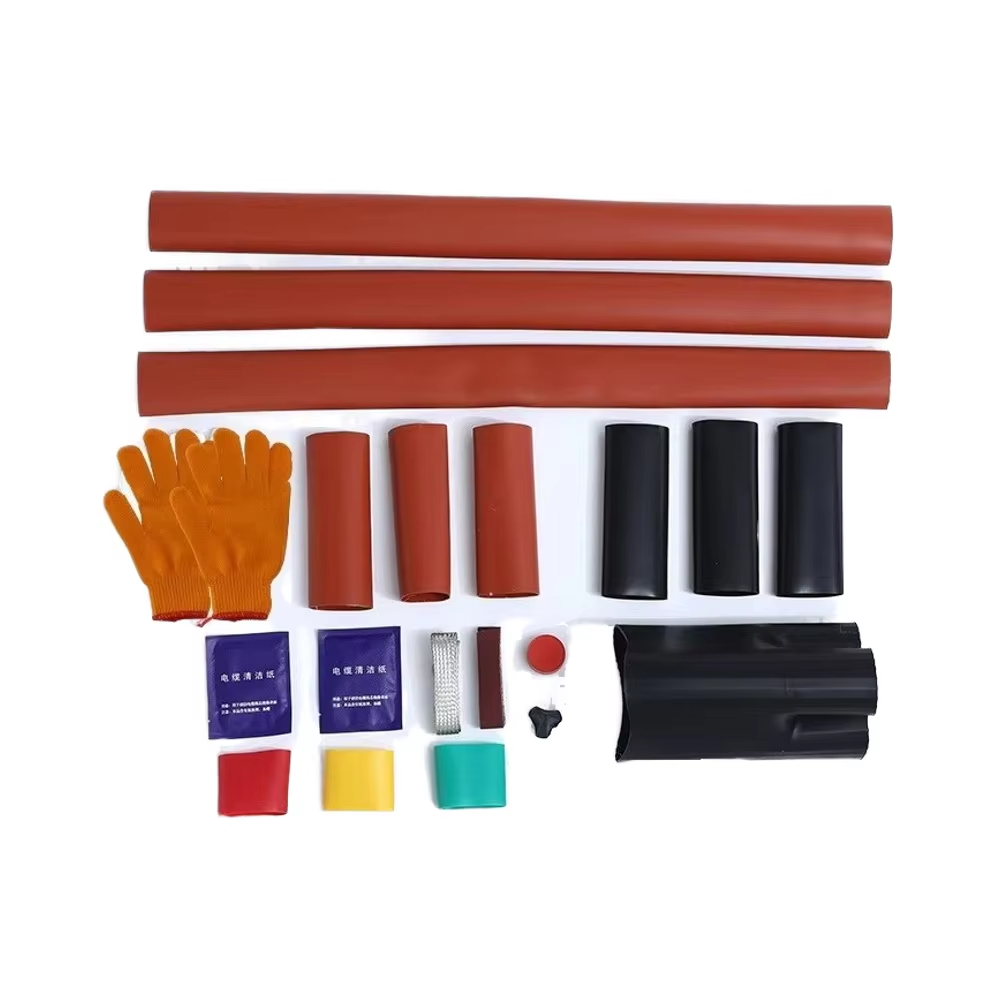
Selecting the right heat shrink tubing material is critical for electrical and industrial applications. Two dominant materials dominate the market: polyolefin and PVC heat shrink tubing. Both serve essential roles in cable protection, insulation, and bundling, yet they differ significantly in their thermal properties, chemical resistance, flexibility, and application suitability. Understanding these differences helps engineers and procurement professionals choose heat shrink tubing that meets performance requirements, cost targets, and environmental conditions. The choice between polyolefin and PVC heat shrink tubing fundamentally affects long-term reliability and operational safety.
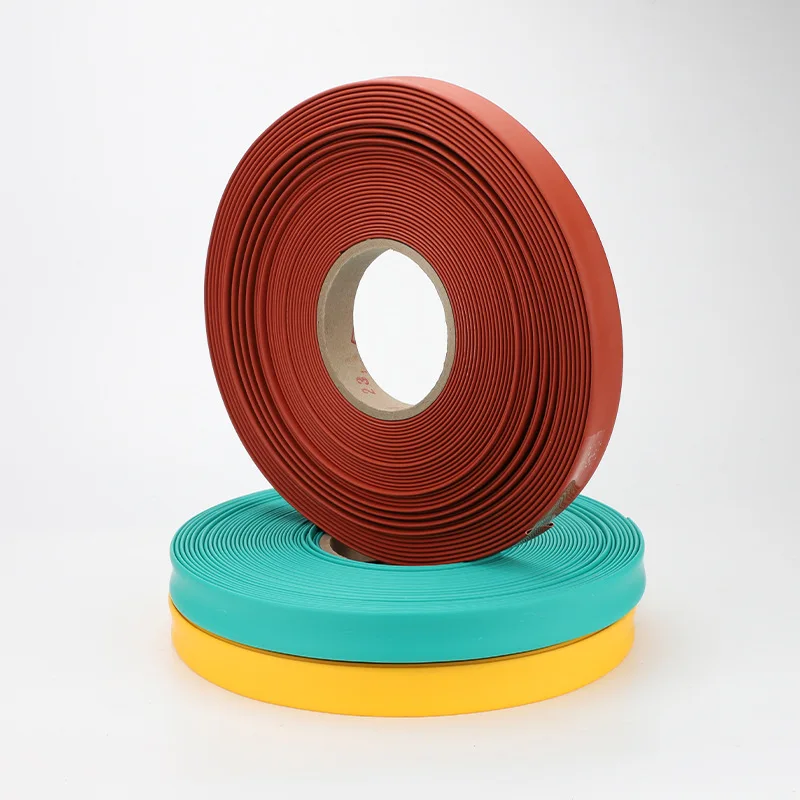
This guide explores the defining characteristics of each material, their thermal and mechanical behavior, chemical resistance profiles, and real-world application contexts. By the end, you will understand when polyolefin heat shrink tubing delivers superior value and when PVC heat shrink tubing becomes the optimal choice for your specific operational requirements.
Material Composition and Basic Properties
Polyolefin Heat Shrink Tubing Characteristics
Polyolefin heat shrink tubing is manufactured from cross-linked polyethylene or polypropylene compounds. This material offers excellent flexibility at room temperature and maintains elasticity across a wide thermal range. Polyolefin heat shrink tubing typically begins shrinking at temperatures around 65–70°C and achieves full recovery by 90–100°C, making it ideal for standard electrical applications. The material exhibits superior puncture resistance and abrasion tolerance compared to PVC alternatives, which translates to longer service life in demanding industrial environments.
Polyolefin heat shrink tubing provides outstanding moisture and chemical resistance, resisting oils, solvents, and most industrial fluids. The material maintains consistent performance across temperature cycles and does not become brittle in cold environments. This resilience makes polyolefin heat shrink tubing the preferred choice for automotive wiring, telecommunications, and marine applications where environmental stress is significant.
PVC Heat Shrink Tubing Characteristics
PVC heat shrink tubing, formulated from polyvinyl chloride compounds, offers different performance advantages. This heat shrink tubing material begins shrinking at approximately 60–70°C and reaches full contraction by 80–90°C. PVC heat shrink tubing delivers superior flame resistance and self-extinguishing properties, making it valuable in safety-critical applications and regulatory environments requiring enhanced fire performance. The material provides excellent electrical insulation properties and maintains dimensional stability under sustained thermal stress.
PVC heat shrink tubing exhibits lower initial material costs and remains widely adopted in cost-sensitive markets. However, the material becomes more rigid at lower temperatures and shows reduced flexibility compared to polyolefin alternatives. PVC heat shrink tubing can degrade when exposed to extended sunlight, extreme cold, or strong solvents, requiring careful environmental consideration during application selection.
Thermal Performance and Shrink Characteristics
Temperature Recovery Profiles
Thermal performance differentiates heat shrink tubing materials significantly. Polyolefin heat shrink tubing activates at lower temperatures and completes shrinkage quickly, typically within 30–60 seconds of heat exposure. The faster activation makes polyolefin heat shrink tubing easier to apply in field conditions and reduces the risk of overshooting temperature thresholds. Polyolefin heat shrink tubing maintains stable dimensions after cooling and resists thermal cycling stress effectively.
PVC heat shrink tubing requires slightly higher temperatures for optimal shrinkage and often needs 60–90 seconds to complete contraction. This longer activation window demands more precise heat control to prevent material degradation. However, PVC heat shrink tubing delivers superior dimensional recovery in high-temperature environments exceeding 80°C sustained operation. For applications requiring consistent performance in elevated-temperature steady-states, PVC heat shrink tubing often proves more reliable than polyolefin alternatives.
Shrink Ratio and Recovery Stability
Both material types typically offer shrink ratios between 2:1 and 3:1, meaning the tubing contracts to 33–50% of its original diameter. Polyolefin heat shrink tubing achieves tighter seals with minimal rebound after cooling, creating secure, long-lasting connections. The superior recovery stability of polyolefin heat shrink tubing prevents connector loosening under vibration or thermal cycling, critical in automotive and industrial wiring harnesses.
PVC heat shrink tubing maintains adequate shrink ratios and recovery stability under normal conditions. However, in extreme thermal cycling scenarios involving rapid temperature fluctuations, PVC heat shrink tubing can experience slight dimensional shift or creep, potentially compromising seal integrity over extended service periods. Polyolefin heat shrink tubing handles these demanding cycles more predictably.
Chemical Resistance and Environmental Performance
Fluid and Solvent Exposure
Chemical compatibility is crucial for applications involving oil, fuel, or industrial solvents. Polyolefin heat shrink tubing resists mineral oils, diesel fuel, and most petroleum-based fluids without significant degradation. This exceptional chemical resistance makes polyolefin heat shrink tubing ideal for engine compartments, hydraulic systems, and offshore installations. The material maintains structural integrity even after prolonged solvent exposure, preserving electrical insulation properties.
PVC heat shrink tubing shows moderate chemical resistance but can soften or swell when exposed to strong solvents, aromatics, and certain plasticizers. Applications involving direct contact with gasoline, acetone, or industrial degreasers may compromise PVC heat shrink tubing performance, requiring protective barriers or alternative material selection. This limitation narrows PVC heat shrink tubing applicability in chemically aggressive environments.
Environmental Durability and UV Resistance
Polyolefin heat shrink tubing provides excellent UV resistance and maintains material properties when exposed to direct sunlight over extended periods. Outdoor telecommunications installations, rooftop solar equipment, and above-ground electrical systems benefit from polyolefin heat shrink tubing durability. The material resists weathering, ozone exposure, and moisture absorption, ensuring consistent performance across seasons and climate variations.
PVC heat shrink tubing exhibits sensitivity to ultraviolet radiation and can become brittle or discolored after prolonged outdoor exposure. Extended sunlight exposure degrades PVC heat shrink tubing performance, requiring protective conduit or installation in shaded locations. Cold temperature environments also impact PVC heat shrink tubing flexibility, making polyolefin alternatives preferable in arctic or high-altitude applications where temperature extremes are common.
Application Selection and Decision Factors
When to Choose Polyolefin Heat Shrink Tubing
Polyolefin heat shrink tubing excels in demanding industrial, automotive, and marine applications. Select polyolefin heat shrink tubing for engine bay wiring, as the material withstands high temperatures, oil exposure, and mechanical stress without degradation. Telecommunication networks benefit from polyolefin heat shrink tubing flexibility and durability during splicing and connector protection. Offshore and subsea installations demand polyolefin heat shrink tubing due to superior moisture resistance and environmental stress tolerance. Aircraft electrical systems rely on polyolefin heat shrink tubing for reliable insulation across wide thermal ranges and pressure variations.
Select polyolefin heat shrink tubing when applications require flexible tubing at low temperatures, extended UV exposure, or chemical contact. The material's cost-performance ratio remains competitive even at premium specifications, making polyolefin heat shrink tubing economically justified in safety-critical systems. Data center cable management frequently uses polyolefin heat shrink tubing due to superior flame performance and reliability.
When to Choose PVC Heat Shrink Tubing
PVC heat shrink tubing serves applications where flame resistance and self-extinguishing properties are regulatory requirements. Building electrical systems, fire-rated conduit applications, and facilities requiring enhanced flame ratings prioritize PVC heat shrink tubing. Stationary indoor installations with stable environmental conditions favor PVC heat shrink tubing due to lower material costs and adequate performance under controlled conditions. Consumer electronics and standard commercial wiring applications frequently specify PVC heat shrink tubing when UV exposure, cold temperatures, and chemical contact are not significant concerns.
Budget-conscious projects with moderate performance requirements often select PVC heat shrink tubing as a cost-effective baseline solution. Standard residential electrical work, basic industrial bunching, and temporary installations can use PVC heat shrink tubing successfully. However, always verify that environmental conditions and regulatory requirements support PVC heat shrink tubing selection before committing to large-scale deployments.
FAQ
Which material shrinks faster, polyolefin or PVC heat shrink tubing?
Polyolefin heat shrink tubing typically shrinks faster, completing full contraction within 30–60 seconds of heat application, while PVC heat shrink tubing requires 60–90 seconds. Polyolefin heat shrink tubing's faster activation makes field installation easier and reduces the risk of thermal damage during application. The faster shrink characteristics of polyolefin heat shrink tubing also improve productivity in high-volume manufacturing environments.
Can PVC heat shrink tubing withstand outdoor environments as reliably as polyolefin?
No, polyolefin heat shrink tubing significantly outperforms PVC heat shrink tubing in outdoor applications. Polyolefin heat shrink tubing resists UV degradation, maintains flexibility in cold temperatures, and tolerates extreme weather cycles. PVC heat shrink tubing becomes brittle under sunlight exposure and loses flexibility at lower temperatures, making it unsuitable for unprotected outdoor installations. Always specify polyolefin heat shrink tubing for rooftop equipment, exterior cable runs, or exposed installations.
Is PVC heat shrink tubing acceptable for automotive engine compartments?
No, polyolefin heat shrink tubing is the preferred choice for automotive engine compartments. Engine oil, heat cycling, and sustained high temperatures exceed PVC heat shrink tubing tolerance limits. Polyolefin heat shrink tubing withstands engine bay conditions reliably, resisting oil exposure and thermal cycling stress that would compromise PVC heat shrink tubing performance over time. Always use polyolefin heat shrink tubing for under-hood automotive applications.