
 EN
EN
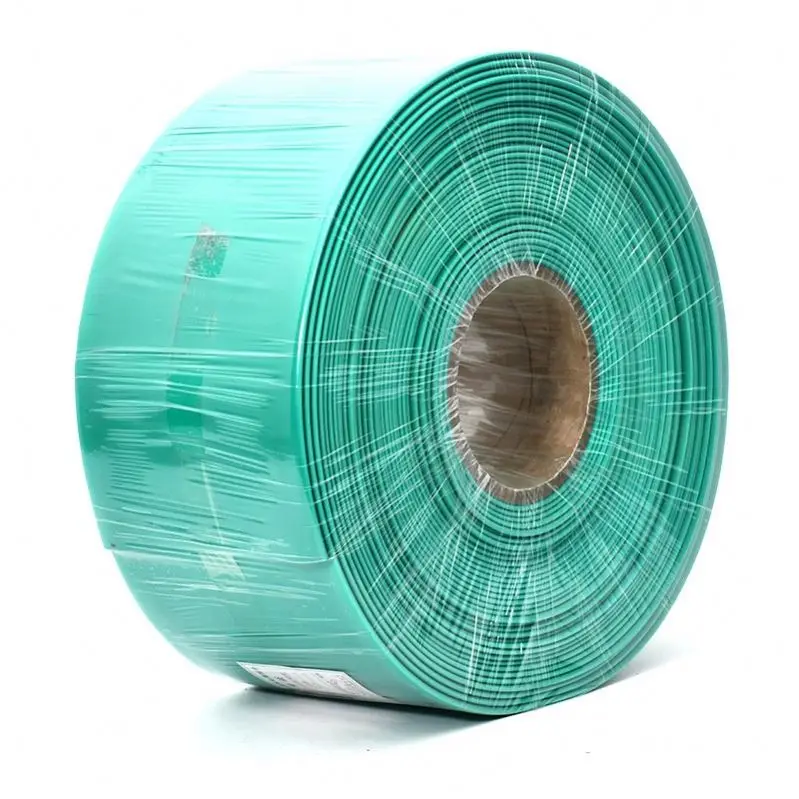
Dual-wall heat shrink tubing has become an essential component in modern industrial operations, offering superior protection and durability for critical electrical and mechanical applications. Unlike single-wall alternatives, dual-wall heat shrink tubing combines an outer layer of heat-shrinkable plastic with an inner adhesive layer that activates during shrinking, creating a waterproof seal and enhanced bond strength. This combination makes dual-wall heat shrink tubing particularly valuable in demanding environments where standard protection methods fall short.
The versatility of dual-wall heat shrink tubing extends across numerous industries, from telecommunications and automotive manufacturing to aerospace and renewable energy sectors. Its ability to provide simultaneous mechanical protection and hermetic sealing has established dual-wall heat shrink tubing as a preferred choice for engineers and maintenance professionals who require reliable, long-lasting solutions for cable management and component protection.
Cable Protection and Waterproofing in Harsh Environments
Marine and Offshore Applications
Marine environments present extreme challenges for cable integrity, with saltwater exposure, UV radiation, and constant moisture threatening traditional protection methods. Dual-wall heat shrink tubing excels in these conditions because its adhesive inner layer seals out moisture completely, preventing corrosion and electrical degradation. Offshore drilling platforms, fishing vessels, and coastal power distribution systems rely on dual-wall heat shrink tubing to maintain connection reliability where replacement costs and downtime are prohibitively expensive. The adhesive layer of dual-wall heat shrink tubing bonds permanently to the cable surface, resisting vibration-induced movement and ensuring consistent protection throughout the equipment's operational life.
Automotive and Transportation Sector
Automotive manufacturing and repair operations depend heavily on dual-wall heat shrink tubing for wiring harness protection, sensor connections, and battery cable insulation. Under-hood environments expose electrical connections to engine heat, coolant splash, and mechanical stress that would compromise standard tubing. Dual-wall heat shrink tubing handles these extremes by maintaining its seal even when exposed to temperatures ranging from deep cold to engine compartment heat. The adhesive layer in dual-wall heat shrink tubing prevents moisture ingress that commonly causes short circuits and electrical failures in vehicles, making it indispensable for automotive assembly lines and service centers worldwide.
Telecommunications and Data Center Infrastructure
Fiber Optic Cable Management
Telecommunications networks require dual-wall heat shrink tubing to protect high-density fiber optic connections from physical damage, moisture, and contamination. Data centers and telephone switching stations use dual-wall heat shrink tubing extensively to organize fiber bundles, protect splice points, and maintain signal integrity. The non-conductive properties of dual-wall heat shrink tubing make it ideal for environments where electromagnetic interference must be minimized. When applied to fiber connections, dual-wall heat shrink tubing prevents dust accumulation and moisture condensation that could disrupt data transmission, ensuring uninterrupted service for critical communication infrastructure.
Electrical Connector Sealing
High-reliability connectors in telecommunications equipment benefit significantly from dual-wall heat shrink tubing protection. Server farms, network switches, and telecommunications cabinets all employ dual-wall heat shrink tubing to seal connector interfaces against humidity, dust, and corrosive airborne particles. The adhesive activation temperature of dual-wall heat shrink tubing is carefully engineered to provide secure bonding without damaging sensitive electronic components. This precision engineering makes dual-wall heat shrink tubing the standard choice for mission-critical applications where connector failure could cost thousands in lost productivity.
Aerospace, Medical, and Precision Manufacturing
Aerospace Wiring and Component Protection
Aerospace applications demand the highest standards for electrical component protection, and dual-wall heat shrink tubing meets these rigorous requirements through its combination of mechanical strength and hermetic sealing. Aircraft wiring systems operate under extreme altitude variations, temperature swings, and vibration conditions that require absolute reliability. Dual-wall heat shrink tubing provides the adhesive seal necessary to prevent moisture penetration that could cause arcing or corrosion in high-altitude environments. Commercial and military aircraft specifications often mandate dual-wall heat shrink tubing for critical electrical connections, recognizing its superior performance over alternatives in ensuring flight safety and system reliability.
Medical Device and Sensor Applications
Medical equipment manufacturers rely on dual-wall heat shrink tubing for device assembly, electrode protection, and sensor weatherproofing in diagnostic and therapeutic equipment. Hospital sterilization processes expose equipment connections to moisture and chemical exposure that standard tubing cannot withstand. Dual-wall heat shrink tubing resists degradation from repeated sterilization cycles while maintaining its protective seal, extending equipment lifespan and reducing replacement costs. The biocompatibility considerations in medical applications make dual-wall heat shrink tubing an ideal choice, as its non-toxic materials ensure safety during patient contact applications.
Industrial Sensor and Control Systems
Factory automation and process control systems incorporate dual-wall heat shrink tubing for sensor protection, signal wire bundling, and connection sealing in manufacturing environments. These systems operate continuously in conditions involving temperature extremes, vibration, and potential chemical exposure. Dual-wall heat shrink tubing provides the reliability necessary for uninterrupted operation of automated assembly lines and robotic systems. When dual-wall heat shrink tubing protects sensor connections, it prevents false readings caused by moisture contamination, ensuring accurate process monitoring and product quality control throughout manufacturing facilities.
Electrical Repairs and Maintenance Solutions
Cable Splicing and Joint Protection
Professional electricians and maintenance technicians choose dual-wall heat shrink tubing for cable splice protection because it delivers both mechanical support and waterproof sealing in a single application. When cables must be repaired or joined in service, dual-wall heat shrink tubing eliminates the need for additional waterproofing tape or secondary wrapping, reducing installation time and material waste. The adhesive layer ensures that spliced connections remain protected even under vibration, tension, or repeated flexing that might compromise ordinary tubing. Field repair applications across power distribution, telecommunications, and industrial wiring all benefit from the reliability that dual-wall heat shrink tubing provides.
Connection Restoration in Legacy Systems
Older electrical systems and equipment often require remedial protection to extend service life and prevent failure. Dual-wall heat shrink tubing offers cost-effective restoration of aging connections without requiring complete equipment replacement. When applied to deteriorated connector areas or corroded splice points, dual-wall heat shrink tubing halts further degradation and restores moisture protection. Facility managers and maintenance directors find dual-wall heat shrink tubing an economical solution for extending equipment operation in legacy industrial systems, manufacturing plants, and utility networks where full replacement would be prohibitively expensive.
FAQ
What makes dual-wall heat shrink tubing different from single-wall tubing?
Dual-wall heat shrink tubing includes an inner adhesive layer that activates during heating, creating a waterproof seal that single-wall tubing cannot achieve. While single-wall tubing provides mechanical protection through shrinkage alone, dual-wall heat shrink tubing bonds permanently to the cable surface and prevents moisture ingress, making it superior for harsh environments, outdoor applications, and submersed conditions. This extra protection justifies the higher cost of dual-wall heat shrink tubing in critical applications where failure would be costly or dangerous.
What temperature range does dual-wall heat shrink tubing handle?
Most industrial-grade dual-wall heat shrink tubing operates reliably from approximately minus 40 degrees Celsius to plus 135 degrees Celsius after shrinking, with activation occurring at around 80 to 120 degrees Celsius depending on the specific formulation. Specialized aerospace and high-temperature applications may use dual-wall heat shrink tubing rated for extended ranges up to 150 degrees Celsius or higher. Always verify the temperature specifications of your dual-wall heat shrink tubing with the manufacturer to ensure it matches your operational environment and application requirements.
How is dual-wall heat shrink tubing applied correctly?
Proper application of dual-wall heat shrink tubing requires selecting the correct diameter for your cable, sliding the tubing over the connection point before any joining occurs, and then heating it evenly using a heat gun, shrink tunnel, or open flame maintained at appropriate distance. As dual-wall heat shrink tubing shrinks, the adhesive layer flows and bonds to the cable surface, creating a hermetic seal. Allow the dual-wall heat shrink tubing to cool completely before putting the cable into service, typically two to five minutes depending on tubing size and material thickness. Testing the adhesion by attempting to peel the dual-wall heat shrink tubing edge confirms proper application and seal formation.