
 EN
EN
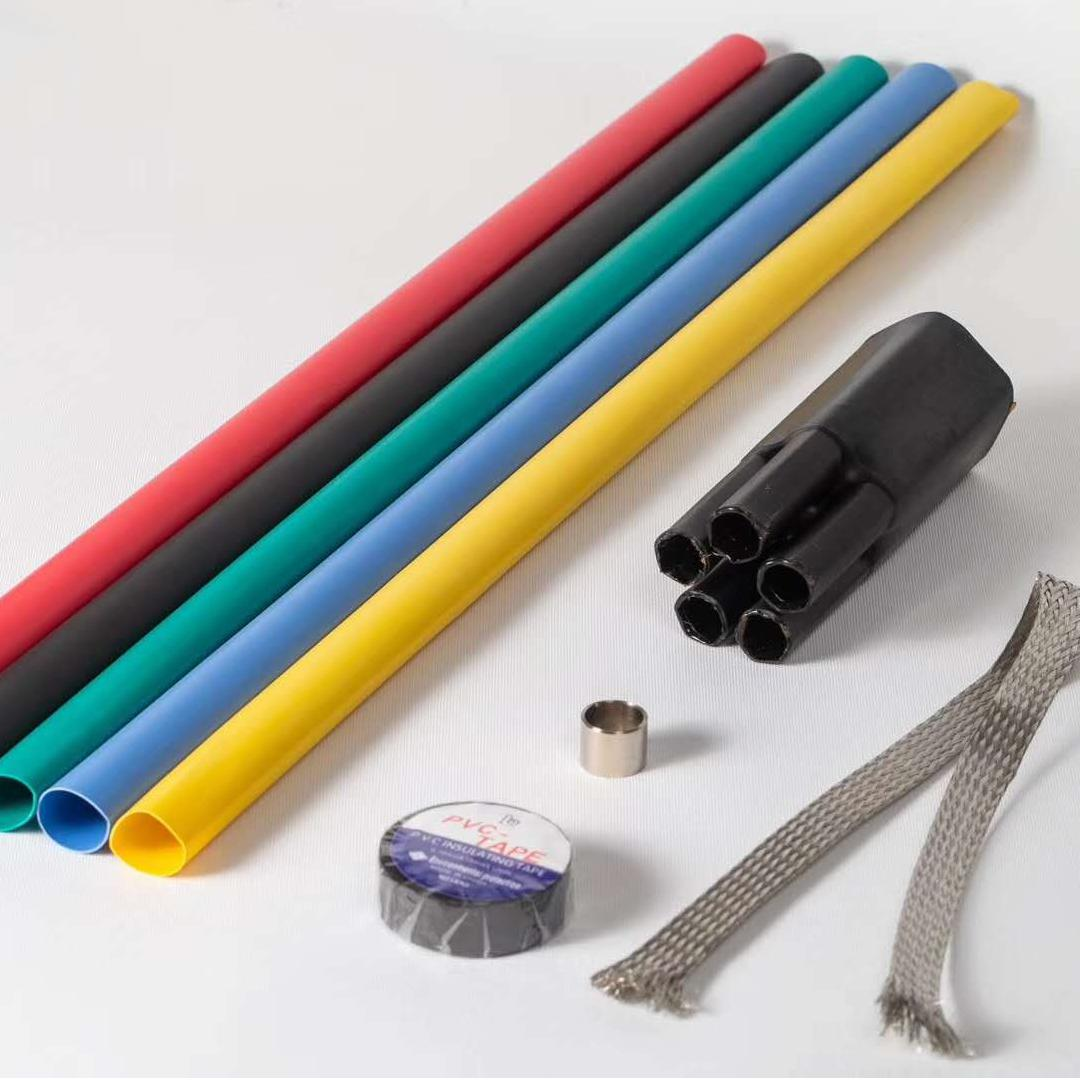
The renewable energy sector has experienced unprecedented growth over the past decade, with solar, wind, and hydroelectric installations becoming increasingly sophisticated and widespread. As these projects scale up in complexity and capacity, the critical role of cable accessories in ensuring reliable power transmission cannot be overstated. These specialized components serve as the backbone of electrical infrastructure, providing essential protection, connection, and insulation functions that directly impact system performance and longevity.
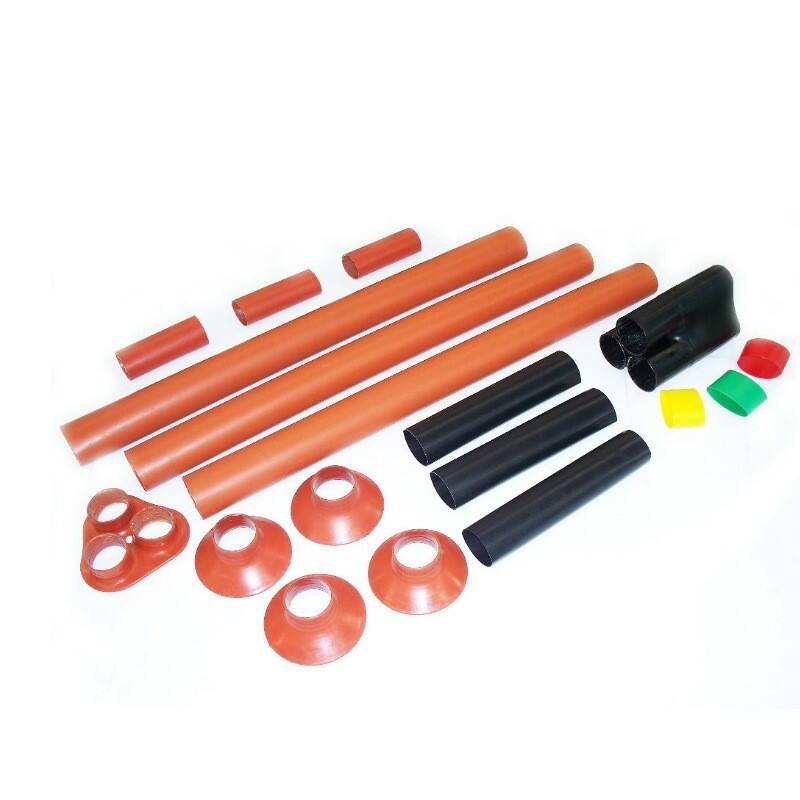
Modern renewable energy installations demand exceptional reliability due to their remote locations and the need for continuous operation over decades. Cable accessories play a pivotal role in meeting these demanding requirements by providing weatherproof sealing, electrical insulation, and mechanical protection against environmental factors. From offshore wind farms battling saltwater corrosion to desert solar installations facing extreme temperature variations, these components must perform flawlessly under the harshest conditions imaginable.
The integration of cable accessories within renewable energy systems extends far beyond basic connectivity. These components contribute significantly to overall system efficiency by minimizing power losses, preventing electrical faults, and maintaining optimal signal transmission. Understanding their multifaceted role helps project developers, engineers, and maintenance teams make informed decisions that ultimately determine project success and return on investment.
Essential Functions of Cable Accessories in Renewable Energy Systems
Primary Protection Mechanisms
Cable accessories serve as the first line of defense against environmental hazards that threaten renewable energy installations. These protective components shield critical electrical connections from moisture ingress, ultraviolet radiation, chemical exposure, and mechanical stress. In offshore wind applications, specialized cable accessories provide essential protection against saltwater corrosion and extreme weather conditions that would otherwise compromise system integrity within months of installation.
The protective function extends to temperature management, where advanced cable accessories incorporate thermal regulation features that prevent overheating during peak power transmission periods. This thermal protection is particularly crucial in solar installations where ambient temperatures can exceed operational limits for standard electrical components. Modern cable accessories utilize advanced materials and engineering designs that maintain optimal operating temperatures across wide environmental ranges.
Vibration and mechanical stress protection represents another critical aspect of cable accessory functionality. Wind turbine installations generate significant mechanical vibrations that can fatigue electrical connections over time. Specialized cable accessories incorporate flexible designs and shock-absorbing materials that accommodate these dynamic forces while maintaining electrical continuity and insulation integrity throughout the system's operational lifetime.
Electrical Performance Enhancement
Beyond protection, cable accessories significantly enhance electrical performance through improved insulation characteristics and reduced power losses. High-quality insulation materials used in these components minimize leakage currents and maintain dielectric strength under varying environmental conditions. This enhanced electrical performance directly translates to improved energy conversion efficiency and reduced operational costs over the project lifetime.
Advanced cable accessories also contribute to power quality improvement by providing electromagnetic interference shielding and reducing harmonic distortion. These features become increasingly important as renewable energy systems integrate with smart grid technologies and sophisticated power management systems. The ability to maintain clean power transmission ensures compatibility with sensitive electronic equipment and regulatory compliance with power quality standards.
Signal integrity represents another crucial aspect where cable accessories play a vital role. Modern renewable energy systems rely heavily on communication networks for monitoring, control, and optimization functions. Specialized cable accessories designed for data transmission applications ensure reliable communication between system components, enabling real-time performance monitoring and predictive maintenance capabilities that maximize system availability and performance.
Material Innovation and Environmental Adaptation
Advanced Material Technologies
The evolution of cable accessories in renewable energy applications has been driven by continuous material innovation and environmental adaptation requirements. Modern formulations incorporate advanced polymer compounds that provide superior resistance to ultraviolet degradation, thermal cycling, and chemical exposure. These materials maintain their protective and insulating properties throughout extended exposure periods, ensuring reliable performance in challenging outdoor environments.
Silicone rubber compounds have emerged as preferred materials for many cable accessory applications due to their exceptional flexibility, thermal stability, and hydrophobic properties. These materials maintain consistent performance characteristics across temperature ranges from negative forty degrees Celsius to positive one hundred fifty degrees Celsius, making them ideal for renewable energy installations in diverse geographic locations with varying climate conditions.
Specialized composite materials combining multiple polymer layers have revolutionized cable accessory design by providing tailored properties for specific applications. These multi-layer constructions can incorporate different materials optimized for electrical insulation, mechanical protection, and environmental resistance within a single component. This integrated approach reduces installation complexity while enhancing overall system reliability and performance.
Environmental Resistance Characteristics
Cable accessories designed for renewable energy applications must withstand extreme environmental conditions that would quickly degrade conventional electrical components. UV resistance becomes particularly critical in solar installations where components face continuous exposure to intense sunlight. Advanced UV-stabilized materials prevent polymer degradation and maintain mechanical and electrical properties throughout decades of solar exposure.
Chemical resistance properties enable cable accessories to function reliably in contaminated environments where industrial pollutants, salt spray, or agricultural chemicals might compromise system performance. Specialized formulations resist attack from acids, bases, solvents, and oxidizing agents commonly encountered in renewable energy installation environments. This chemical resistance ensures long-term reliability and reduces maintenance requirements significantly.
Hydrophobic surface treatments and moisture barrier technologies prevent water ingress that could lead to electrical faults or insulation breakdown. These moisture protection features become essential in marine environments, high-humidity regions, and applications where washing or cleaning procedures might expose electrical connections to water. Advanced cable accessories incorporate multiple moisture barriers to provide redundant protection against water ingress.
Installation Considerations and Best Practices
Proper Selection and Sizing
Successful implementation of cable accessories in renewable energy projects requires careful consideration of selection criteria and sizing requirements. Voltage ratings must exceed maximum system operating voltages with appropriate safety margins to account for transient conditions and voltage spikes commonly encountered in renewable energy applications. Current carrying capacity must accommodate peak power generation conditions while considering ambient temperature derating factors.
Environmental compatibility assessment ensures selected cable accessories can withstand specific site conditions throughout the project lifetime. This assessment includes evaluation of temperature extremes, humidity levels, chemical exposure potential, mechanical stress factors, and UV exposure intensity. Proper environmental matching prevents premature failures and ensures optimal system performance across varying seasonal conditions.
Dimensional compatibility verification ensures proper fit and installation of cable accessories with existing system components. Incorrect sizing can lead to installation difficulties, compromised sealing performance, or mechanical stress concentrations that reduce component reliability. Professional installation teams must verify all dimensional specifications before beginning installation procedures to prevent costly rework or performance issues.
Installation Techniques and Quality Control
Professional installation of cable accessories requires specialized techniques and quality control procedures to ensure optimal performance and reliability. Surface preparation becomes critical for achieving proper adhesion and sealing performance. All cable surfaces must be cleaned and prepared according to manufacturer specifications to remove contaminants that could compromise bond strength or sealing effectiveness.
Temperature control during installation affects the final performance characteristics of many cable accessories. Installation procedures must account for ambient temperature effects on material properties and expansion characteristics. Cold weather installations may require pre-warming procedures, while hot weather installations might necessitate cooling measures to achieve proper fitting and sealing performance.
Quality control testing verifies proper installation and performance characteristics before system commissioning. Insulation resistance testing, high-voltage testing, and visual inspection procedures confirm that cable accessories meet specification requirements and provide expected protection levels. Documentation of installation procedures and test results supports warranty claims and facilitates future maintenance planning.
Performance Monitoring and Maintenance Strategies
Predictive Maintenance Approaches
Modern renewable energy systems increasingly rely on predictive maintenance strategies to optimize cable accessories performance and prevent unexpected failures. Thermal imaging surveys identify developing problems before they reach critical failure levels by detecting abnormal temperature patterns that indicate deteriorating connections or insulation breakdown. Regular thermal monitoring enables maintenance teams to schedule repairs during planned outages rather than responding to emergency failures.
Insulation resistance monitoring provides early warning of cable accessories degradation by tracking changes in electrical properties over time. Trending analysis of insulation resistance measurements reveals deterioration patterns that allow maintenance teams to predict remaining useful life and schedule replacement activities. This proactive approach minimizes system downtime and reduces maintenance costs significantly.
Visual inspection protocols designed specifically for cable accessories enable detection of physical deterioration, environmental damage, or installation defects that might compromise system performance. Systematic inspection procedures document component condition and track degradation rates to support maintenance planning and warranty claims. Digital documentation systems facilitate historical tracking and trend analysis capabilities.
Maintenance Optimization Techniques
Optimized maintenance strategies for cable accessories balance cost considerations with reliability requirements to achieve maximum return on maintenance investments. Risk-based maintenance prioritization focuses resources on components with highest failure probability or greatest consequence of failure. This approach ensures critical components receive appropriate attention while avoiding unnecessary maintenance on components with low failure risk.
Condition-based maintenance scheduling aligns maintenance activities with actual component condition rather than arbitrary time intervals. This approach reduces maintenance costs by extending service intervals for components in good condition while increasing maintenance frequency for components showing signs of deterioration. Real-time condition monitoring systems provide data necessary to support condition-based maintenance decisions.
Maintenance procedure standardization ensures consistent quality across multiple installations and maintenance teams. Standardized procedures reduce training requirements, improve maintenance quality, and enable performance comparisons across different installations. Documentation of maintenance procedures and results supports continuous improvement initiatives and regulatory compliance requirements.
Economic Impact and Cost Considerations
Initial Investment Analysis
Cable accessories represent a significant portion of total installation costs in renewable energy projects, requiring careful economic analysis to optimize component selection and system design. Initial cost considerations must balance component price against expected performance and reliability characteristics. Premium cable accessories with enhanced environmental resistance and extended warranties often provide superior value despite higher upfront costs.
Life cycle cost analysis provides comprehensive evaluation of cable accessories economics by considering initial costs, maintenance requirements, replacement intervals, and system downtime impacts. This analysis reveals that higher-quality components often provide lower total costs over project lifetime despite higher initial investment requirements. Proper economic analysis supports informed decision-making that optimizes long-term project profitability.
Risk assessment methodologies quantify potential financial impacts of cable accessories failures on overall project economics. These assessments consider direct replacement costs, system downtime losses, and potential safety or environmental consequences. Understanding failure risk enables project developers to make appropriate investments in reliability and redundancy that protect overall project returns.
Operational Cost Optimization
Operational cost optimization strategies focus on minimizing ongoing expenses associated with cable accessories maintenance and replacement throughout project lifetime. Preventive maintenance programs reduce unexpected failure costs by identifying and addressing developing problems before they reach critical levels. These programs require initial investment but typically provide substantial returns through reduced emergency repair costs and system downtime.
Inventory management optimization balances spare parts availability with carrying costs to ensure maintenance capability while minimizing working capital requirements. Strategic partnerships with suppliers can provide guaranteed availability of critical components while reducing inventory investment requirements. These arrangements often include performance guarantees that protect project owners against supply chain disruptions.
Performance monitoring systems enable optimization of cable accessories utilization by providing real-time data on operating conditions and performance trends. This information supports load balancing decisions that extend component life and delay replacement requirements. Advanced monitoring systems can automatically adjust system parameters to optimize component utilization and minimize wear rates.
Future Developments and Technology Trends
Smart Cable Accessories Integration
The integration of smart technologies into cable accessories represents a significant advancement in renewable energy system monitoring and management capabilities. Embedded sensors within cable accessories provide real-time monitoring of temperature, humidity, electrical parameters, and mechanical stress conditions. This continuous monitoring capability enables predictive maintenance strategies and early fault detection that significantly improve system reliability and availability.
Wireless communication technologies integrated into cable accessories eliminate the need for separate monitoring infrastructure while providing comprehensive system visibility. These communication capabilities enable remote monitoring and control functions that reduce maintenance costs and improve system responsiveness. Integration with cloud-based monitoring platforms provides advanced analytics and machine learning capabilities that optimize system performance automatically.
Self-diagnostic capabilities incorporated into advanced cable accessories provide automated health assessment and fault localization functions. These features reduce maintenance time and improve diagnostic accuracy by providing precise information about component condition and failure modes. Automated diagnostic systems support faster repair times and more effective maintenance planning.
Sustainability and Recycling Initiatives
Environmental sustainability considerations increasingly influence cable accessories design and material selection as renewable energy projects emphasize overall environmental impact reduction. Recyclable materials and biodegradable components reduce environmental impact at end-of-life while maintaining performance requirements during service life. These sustainable design approaches align with broader renewable energy sustainability objectives.
Circular economy principles applied to cable accessories development focus on design for disassembly and material recovery at component end-of-life. These approaches enable material reuse and reduce waste generation while potentially reducing component costs through material recovery value. Implementation of circular economy principles requires collaboration between manufacturers, installers, and recycling organizations.
Life cycle assessment methodologies provide comprehensive evaluation of cable accessories environmental impact throughout manufacturing, installation, operation, and disposal phases. These assessments identify opportunities for environmental impact reduction and support sustainable material selection decisions. Integration of environmental impact considerations into component selection processes supports overall project sustainability objectives.
FAQ
How do cable accessories improve the reliability of renewable energy systems
Cable accessories enhance renewable energy system reliability by providing essential protection against environmental hazards, electrical faults, and mechanical stress. They create weatherproof seals that prevent moisture ingress, offer superior insulation that maintains electrical integrity, and incorporate advanced materials that withstand extreme temperature variations and UV exposure. These protective functions significantly reduce failure rates and extend component lifespans, resulting in improved overall system reliability and reduced maintenance costs.
What factors should be considered when selecting cable accessories for offshore wind installations
Offshore wind applications require cable accessories with exceptional resistance to saltwater corrosion, extreme weather conditions, and mechanical vibrations. Key selection criteria include marine-grade materials with proven salt spray resistance, enhanced UV stability for continuous sun exposure, flexible designs that accommodate wind-induced vibrations, and robust sealing systems that prevent water ingress under high-pressure conditions. Additionally, components must meet maritime safety standards and provide reliable performance throughout extended maintenance intervals typical of offshore installations.
How do modern cable accessories contribute to smart grid integration in renewable energy projects
Modern cable accessories support smart grid integration through embedded monitoring capabilities, communication interfaces, and enhanced power quality features. Smart accessories incorporate sensors that provide real-time data on electrical parameters, environmental conditions, and component health status. This information enables predictive maintenance, automated system optimization, and seamless integration with grid management systems. Additionally, they provide electromagnetic interference shielding and power quality enhancement features essential for reliable communication and control systems.
What maintenance strategies provide the best return on investment for cable accessories in solar installations
The most cost-effective maintenance strategies for solar installation cable accessories combine predictive monitoring with condition-based maintenance scheduling. Thermal imaging surveys conducted annually identify developing problems early, while insulation resistance testing tracks component degradation trends. Regular visual inspections document physical condition and environmental damage progression. This combined approach enables maintenance teams to optimize repair timing, extend component life, and minimize system downtime while avoiding unnecessary maintenance activities on components in good condition.
Table of Contents
- Essential Functions of Cable Accessories in Renewable Energy Systems
- Material Innovation and Environmental Adaptation
- Installation Considerations and Best Practices
- Performance Monitoring and Maintenance Strategies
- Economic Impact and Cost Considerations
- Future Developments and Technology Trends
-
FAQ
- How do cable accessories improve the reliability of renewable energy systems
- What factors should be considered when selecting cable accessories for offshore wind installations
- How do modern cable accessories contribute to smart grid integration in renewable energy projects
- What maintenance strategies provide the best return on investment for cable accessories in solar installations