
 EN
EN
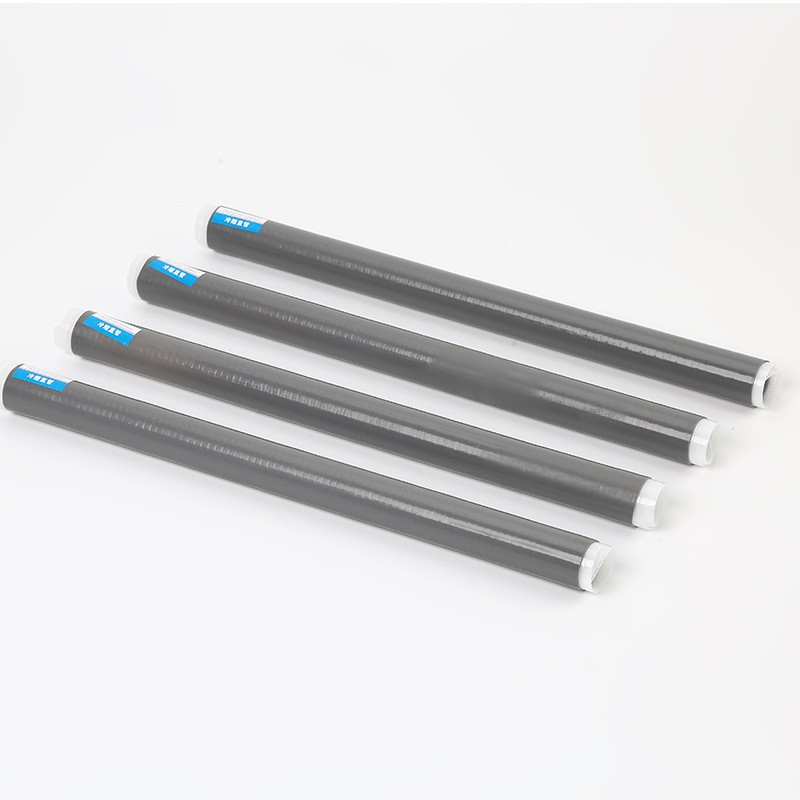
Industrial environments and harsh outdoor conditions pose significant challenges for electrical infrastructure, making the selection of reliable cable accessories crucial for maintaining system integrity. When electrical systems operate in extreme temperatures, high humidity, corrosive environments, or areas with mechanical stress, standard components often fail prematurely, leading to costly downtime and safety hazards. Understanding how to identify high-quality cable accessories becomes essential for engineers, contractors, and facility managers who need to ensure long-term performance and minimize maintenance requirements.
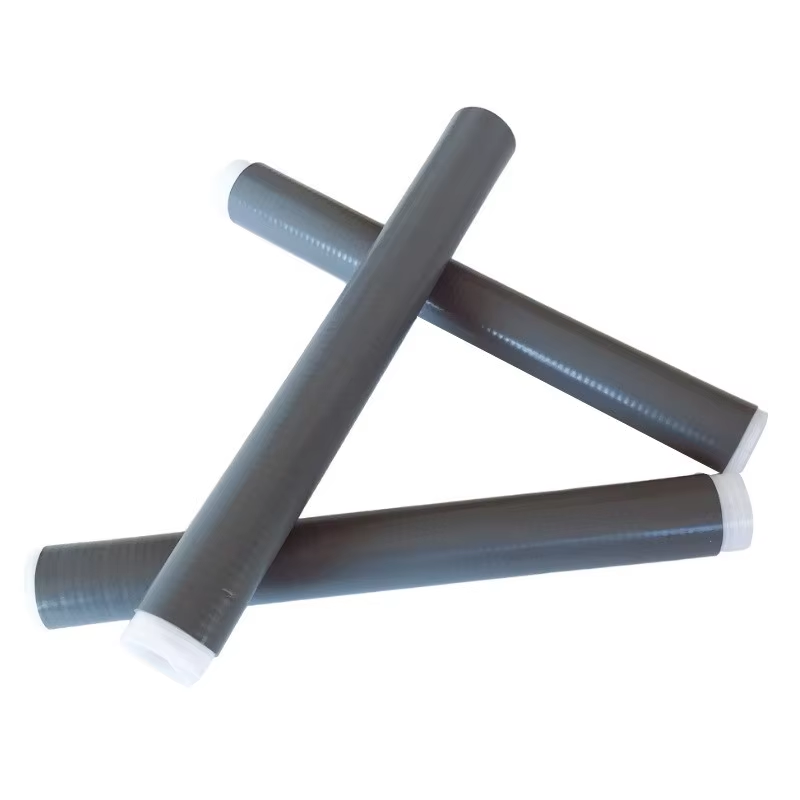
The electrical power distribution industry has witnessed significant advancements in cable accessory technology, particularly in materials science and manufacturing processes. Modern cable accessories must withstand extreme environmental conditions while maintaining electrical performance standards. Quality cable accessories serve as critical components that protect cable connections, provide insulation, and ensure reliable power transmission in demanding applications. These components include cable joints, terminations, separable connectors, and protective enclosures designed specifically for harsh environment applications.
Material Quality and Environmental Resistance
Advanced Polymer Technologies
High-quality cable accessories utilize advanced polymer materials engineered to withstand extreme environmental conditions. Cross-linked polyethylene and silicone rubber compounds provide superior resistance to UV radiation, ozone exposure, and temperature fluctuations. These materials maintain their electrical properties across wide temperature ranges, typically from negative forty to positive eighty degrees Celsius. Premium cable accessories feature materials that resist cracking, hardening, and degradation even after prolonged exposure to harsh weather conditions.
The molecular structure of these advanced polymers includes stabilizers and antioxidants that prevent material degradation over time. Quality manufacturers conduct extensive aging tests to verify material performance under accelerated conditions that simulate decades of real-world exposure. Cable accessories made from inferior materials often exhibit premature failure through surface cracking, loss of flexibility, or electrical breakdown under stress.
Corrosion Resistance and Chemical Compatibility
Industrial environments frequently expose electrical components to corrosive chemicals, salt spray, and acidic conditions. Superior cable accessories incorporate corrosion-resistant metals such as stainless steel, aluminum alloy, or specially coated materials for metallic components. The selection of appropriate materials depends on the specific chemical environment and expected service life requirements.
Chemical compatibility testing ensures that cable accessories maintain their integrity when exposed to industrial solvents, cleaning agents, or process chemicals. Quality manufacturers provide detailed chemical resistance charts and compatibility data for their products. Cable accessories designed for harsh conditions often feature multiple barrier layers and protective coatings to prevent chemical penetration and subsequent degradation.
Electrical Performance Standards
Insulation Properties and Dielectric Strength
Electrical performance requirements for cable accessories in harsh conditions exceed those of standard indoor applications. High-quality products demonstrate superior dielectric strength, maintaining insulation properties under electrical stress, moisture, and contamination. The dielectric constant remains stable across varying frequencies and temperatures, ensuring consistent electrical performance throughout the operational life span.
Partial discharge resistance represents another critical parameter for quality cable accessories. Products designed for high-voltage applications must resist partial discharge inception and propagation, which can lead to insulation breakdown over time. Advanced cable accessories incorporate void-free insulation systems and stress control features that minimize electric field concentrations and reduce partial discharge activity.
Corona and Tracking Resistance
Surface tracking and corona formation pose significant risks in contaminated or humid environments. Quality cable accessories feature enhanced tracking resistance through specialized surface treatments and material formulations. These products maintain their insulating properties even when surface contamination accumulates during service.
Corona inception voltage testing validates the ability of cable accessories to operate without corona formation under specified conditions. Products with superior corona resistance typically incorporate stress relief designs, optimized conductor interfaces, and materials with high corona inception voltages. These features prevent long-term degradation associated with corona discharge activity.
Manufacturing Quality and Testing Standards
International Certification Requirements
Reputable manufacturers of cable accessories obtain certifications from recognized international standards organizations. These certifications validate product performance through rigorous testing protocols that simulate real-world operating conditions. Common standards include IEEE, IEC, and ASTM specifications that define minimum performance requirements for various applications and voltage levels.
Type testing and routine testing procedures ensure consistent quality across production batches. Type tests evaluate long-term performance through accelerated aging, thermal cycling, and environmental exposure testing. Routine tests verify electrical and mechanical properties for every production batch, maintaining quality control standards. Cable accessories bearing legitimate certifications have undergone extensive evaluation by independent testing laboratories.
Quality Assurance and Traceability
Manufacturing quality systems and traceability procedures distinguish premium cable accessories from commodity products. Quality manufacturers maintain detailed records of raw material sources, production parameters, and testing results for each product batch. This traceability enables rapid identification and resolution of quality issues should they arise in the field.
Statistical process control and continuous improvement programs ensure consistent product quality and performance. Advanced manufacturers implement quality management systems certified to international standards, providing customers with confidence in product reliability. Cable accessories from quality-focused manufacturers typically demonstrate lower failure rates and longer service life in harsh environment applications.
Design Features for Harsh Environment Performance
Sealing and Environmental Protection
Effective sealing systems protect internal components from moisture ingress, dust contamination, and chemical exposure. High-quality cable accessories incorporate multiple sealing barriers, including compression seals, gaskets, and barrier compounds. These sealing systems maintain their effectiveness throughout temperature cycling and mechanical stress encountered in harsh environments.
Ingress protection ratings quantify the environmental protection level provided by cable accessories. Products designed for harsh conditions typically achieve IP67 or higher ratings, indicating complete protection against dust ingress and temporary water immersion. Advanced sealing designs accommodate cable movement, thermal expansion, and settling without compromising environmental protection.
Stress Relief and Mechanical Design
Mechanical stress concentrations can lead to premature failure of cable accessories in harsh environments. Quality products incorporate stress relief features that distribute mechanical loads and prevent damage during installation, operation, and maintenance activities. These design elements include flexible boots, strain relief mechanisms, and reinforced connection points.
Thermal expansion compatibility ensures that cable accessories accommodate temperature-induced dimensional changes without mechanical stress or seal failure. Advanced designs incorporate expansion joints, flexible interfaces, and materials with compatible thermal expansion coefficients. Cable accessories with superior mechanical design demonstrate extended service life and reduced maintenance requirements in challenging applications.
Installation and Maintenance Considerations
Installation Procedures and Requirements
Proper installation techniques significantly impact the long-term performance of cable accessories in harsh conditions. Quality manufacturers provide comprehensive installation instructions, training programs, and technical support to ensure correct installation procedures. These resources address environmental considerations, safety requirements, and quality control measures specific to harsh environment applications.
Tool requirements and installation equipment specifications ensure that cable accessories achieve their designed performance levels. Specialized tools may be required for achieving proper compression forces, sealing effectiveness, and electrical connections. Quality cable accessories often feature installation aids such as visual indicators, torque specifications, and step-by-step procedures that minimize installation errors.
Preventive Maintenance and Monitoring
Maintenance requirements for cable accessories vary significantly based on environmental conditions and application severity. Quality products typically require minimal maintenance when properly installed, but periodic inspection and testing may be necessary in extremely harsh environments. Manufacturers provide maintenance schedules, inspection criteria, and replacement recommendations based on operating conditions.
Condition monitoring technologies enable proactive maintenance strategies for critical cable accessories installations. Thermal imaging, partial discharge monitoring, and insulation testing can identify developing problems before failure occurs. Cable accessories designed with monitoring capabilities or diagnostic access points facilitate condition assessment and maintenance planning.
Cost-Benefit Analysis and Selection Criteria
Total Cost of Ownership Evaluation
Initial purchase price represents only a fraction of the total cost associated with cable accessories in harsh environment applications. Quality products typically command higher initial costs but provide superior long-term value through extended service life, reduced maintenance requirements, and improved reliability. Total cost analysis should consider installation costs, maintenance expenses, downtime costs, and replacement frequencies.
Life cycle cost modeling helps quantify the economic benefits of selecting premium cable accessories for harsh environment applications. These analyses typically demonstrate significant cost savings over the operational life span when quality products are selected. Cable accessories with proven performance records in similar applications provide valuable reference data for economic evaluations.
Performance Specifications and Application Matching
Matching cable accessories specifications to specific application requirements ensures optimal performance and cost-effectiveness. Environmental factors such as temperature extremes, chemical exposure, mechanical stress, and electrical loading must be carefully evaluated against product capabilities. Over-specification may result in unnecessary costs, while under-specification can lead to premature failure and safety risks.
Application-specific testing and validation programs provide confidence in cable accessories performance for unique or challenging applications. Manufacturers with extensive application experience and testing capabilities can provide valuable guidance for product selection and application optimization. Cable accessories supported by comprehensive technical data and application experience typically demonstrate superior field performance.
FAQ
What are the most critical factors to consider when selecting cable accessories for harsh environments
The most critical factors include environmental resistance properties, electrical performance specifications, manufacturing quality standards, and total cost of ownership considerations. Material compatibility with specific environmental conditions, certification to relevant standards, and proven performance history in similar applications should guide the selection process. Additionally, installation requirements, maintenance needs, and manufacturer support capabilities play important roles in ensuring long-term success.
How can I verify the quality and authenticity of cable accessories from different manufacturers
Verify quality by reviewing manufacturer certifications, testing reports, and compliance with international standards. Request detailed technical specifications, material certifications, and quality assurance documentation. Evaluate manufacturer reputation, application experience, and customer references. Authentic products typically include proper markings, documentation, and traceability information that can be verified with the manufacturer.
What maintenance practices extend the service life of cable accessories in harsh conditions
Regular visual inspection for signs of degradation, contamination, or damage helps identify potential issues early. Thermal imaging and electrical testing can detect developing problems before failure occurs. Cleaning contaminated surfaces, verifying seal integrity, and monitoring environmental conditions contribute to extended service life. Follow manufacturer maintenance recommendations and document inspection results for trending and predictive maintenance programs.
How do international standards impact cable accessories selection for global projects
International standards provide common performance criteria and testing requirements that facilitate global project implementation. Products certified to internationally recognized standards typically offer greater flexibility for multi-national projects and ensure consistent performance expectations. Understanding regional requirements and local certification needs helps avoid compliance issues and ensures project success across different markets and regulatory environments.