
 EN
EN
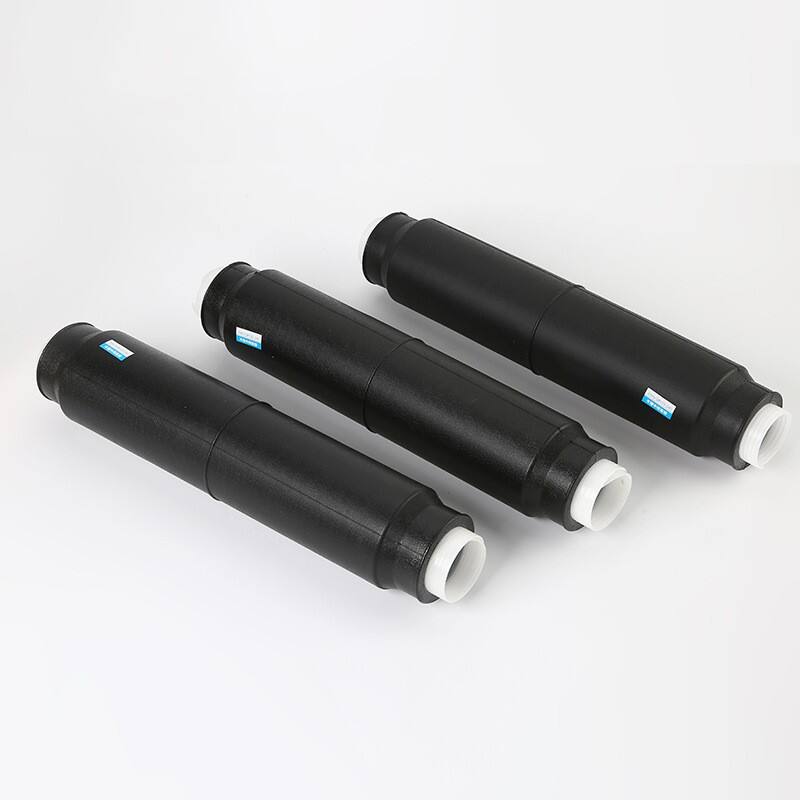
The electrical power industry continues to evolve with innovative solutions that enhance reliability, safety, and efficiency in power transmission systems. Among these advancements, cold cable accessories have emerged as critical components that significantly impact overall system performance. These specialized products offer superior installation flexibility and long-term durability compared to traditional heat-shrink alternatives, making them essential for modern electrical infrastructure projects.
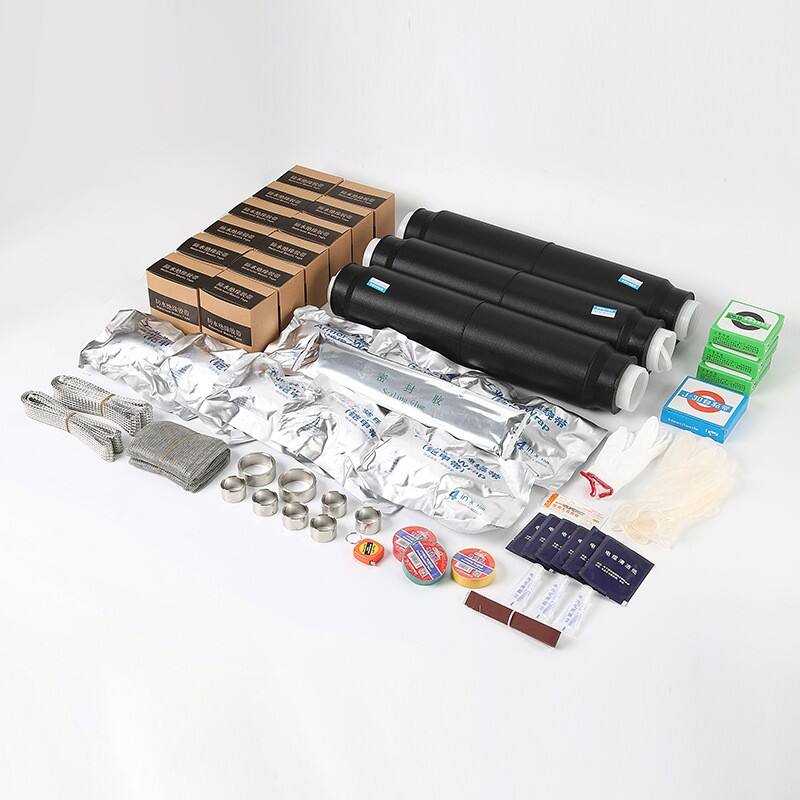
Understanding the technologies that drive performance improvements in these systems requires examining multiple factors including material science innovations, manufacturing processes, and installation methodologies. The integration of advanced polymeric materials with precision engineering has revolutionized how electrical connections maintain their integrity under varying environmental conditions and electrical loads.
Advanced Material Technologies in Cold Shrink Systems
Silicone Rubber Innovations
Modern silicone rubber formulations represent a significant technological advancement in cold shrink cable accessory design. These materials offer exceptional flexibility across extreme temperature ranges, maintaining their elastomeric properties from -40°C to +90°C without degradation. The molecular structure of advanced silicone compounds provides inherent resistance to ozone, ultraviolet radiation, and chemical exposure, ensuring long-term performance reliability.
Manufacturing processes for these silicone compounds incorporate proprietary cross-linking technologies that enhance mechanical strength while preserving flexibility. The resulting materials exhibit superior tear resistance and maintain consistent dielectric properties throughout their operational lifespan. These characteristics are particularly crucial for outdoor installations where environmental stresses can compromise traditional insulation materials.
Enhanced Tracking Resistance Properties
Surface tracking resistance has become a critical performance metric for cold cable accessories operating in contaminated environments. Advanced formulations incorporate specialized additives that prevent the formation of conductive paths across insulator surfaces, even under sustained electrical stress and moisture exposure. This technology significantly reduces maintenance requirements and extends service life.
The implementation of nano-scale fillers within the base polymer matrix creates microscopic surface irregularities that disrupt water film formation and redirect electrical discharge paths. This innovative approach to tracking resistance represents a substantial improvement over conventional approaches that relied primarily on material bulk properties rather than surface engineering.
Precision Manufacturing and Quality Control
Dimensional Accuracy and Consistency
Manufacturing precision plays a crucial role in the performance of cold cable accessories, particularly regarding dimensional tolerances and material consistency. Advanced injection molding techniques ensure uniform wall thickness and precise internal geometry, eliminating stress concentrations that could lead to premature failure under electrical or mechanical stress.
Computer-controlled manufacturing systems monitor critical parameters including temperature profiles, pressure variations, and cure cycles to maintain consistent product quality. Statistical process control methodologies identify potential deviations before they affect product performance, ensuring each accessory meets stringent electrical and mechanical specifications.
Pre-Stress Engineering and Memory Properties
The pre-stretching process that gives cold shrink accessories their characteristic memory properties requires sophisticated engineering control. Manufacturing systems apply precise mechanical stress patterns that create uniform molecular orientation throughout the material structure. This process ensures consistent recovery forces and dimensional stability during installation.
Quality control systems verify memory properties through automated testing protocols that measure recovery force, dimensional accuracy, and stress relaxation characteristics. These comprehensive testing procedures guarantee that each accessory will provide the specified interface pressure and sealing performance throughout its operational life.
Installation Technology Advancements
Simplified Field Procedures
Installation technology improvements have significantly reduced the complexity and time requirements for cold cable accessory deployment. Innovative support core designs enable single-technician installation procedures while maintaining precise positioning control throughout the process. These advances reduce installation errors and improve overall system reliability.
Ergonomic design considerations ensure that installation tools and procedures minimize physical strain on field personnel while maintaining safety standards. Color-coded components and visual alignment indicators eliminate guesswork during installation, reducing the potential for configuration errors that could compromise system performance.
Environmental Adaptability Features
Modern cold shrink systems incorporate environmental adaptability features that enable successful installation across diverse climatic conditions. Temperature-compensated materials maintain optimal flexibility and recovery characteristics regardless of ambient conditions, ensuring consistent installation quality in extreme environments.
Moisture-resistant packaging systems protect accessories during storage and transport while specialized surface treatments prevent contamination during installation. These features are particularly important for installations in coastal, industrial, or other challenging environments where contamination could affect long-term performance.
Electrical Performance Enhancement Technologies
Dielectric Stress Management
Advanced dielectric stress management represents a critical technology for enhancing the electrical performance of cold cable accessories. Geometric stress control features redistribute electrical fields to prevent localized stress concentrations that could lead to insulation breakdown or partial discharge activity.
Computational modeling tools enable engineers to optimize stress cone profiles and interface geometries for specific cable configurations and voltage levels. This analytical approach ensures that electrical stress remains within acceptable limits throughout the accessory structure, maximizing operational reliability and service life.
Partial Discharge Suppression
Partial discharge suppression technology incorporates specialized conductive layers and semiconductive materials that eliminate air gaps and provide controlled electrical interfaces. These features prevent the initiation of partial discharge activity that could gradually degrade insulation materials and compromise system integrity.
Advanced manufacturing techniques ensure intimate contact between conductive layers and cable insulation, eliminating the air voids that typically serve as partial discharge inception sites. This technology significantly enhances the long-term electrical performance of cold cable accessories under sustained voltage stress.
Testing and Validation Technologies
Accelerated Life Testing Protocols
Comprehensive testing protocols validate the performance improvements achieved through advanced technologies in cold cable accessories. Accelerated aging tests subject components to elevated temperature, electrical stress, and environmental exposure cycles that simulate decades of operational service within compressed timeframes.
Multi-parameter testing systems monitor electrical properties, mechanical characteristics, and dimensional stability throughout accelerated aging cycles. Statistical analysis of test data provides confidence intervals for projected service life and identifies potential failure modes before products enter commercial service.
Real-Time Performance Monitoring
Emerging technologies enable real-time monitoring of cold cable accessory performance through integrated sensor systems and diagnostic capabilities. These monitoring systems track critical parameters including temperature, partial discharge activity, and mechanical stress levels during operational service.
Data analytics platforms process monitoring information to identify trends and predict maintenance requirements before failures occur. This predictive maintenance capability represents a significant advancement in power system reliability and operational cost management.
FAQ
How do cold shrink accessories compare to heat shrink alternatives in terms of installation time
Cold shrink accessories typically reduce installation time by 60-70% compared to heat shrink alternatives because they eliminate the need for heating equipment, flame safety precautions, and cooling periods. The pre-stretched design allows immediate installation without external energy sources, making them particularly advantageous for emergency repairs and confined space applications.
What environmental conditions can affect the performance of cold cable accessories
While modern cold cable accessories are designed for extreme environmental resilience, factors such as prolonged UV exposure, chemical contamination, mechanical vibration, and temperature cycling can impact long-term performance. Advanced material formulations and protective treatments minimize these effects, but proper selection based on specific environmental conditions remains important for optimal performance.
How long do cold cable accessories typically last in service
High-quality cold cable accessories are designed for service lives exceeding 30 years under normal operating conditions. Accelerated aging tests and field experience data support these projections, though actual service life depends on factors including installation quality, environmental exposure, electrical loading, and maintenance practices.
Can cold shrink technology be used for all voltage levels
Cold shrink technology is available for voltage levels from low voltage applications up to 46kV and higher, with specialized designs for each voltage class. The stress control requirements and insulation thickness vary significantly with voltage level, requiring careful selection of appropriate accessories for each specific application and voltage rating.