
 EN
EN
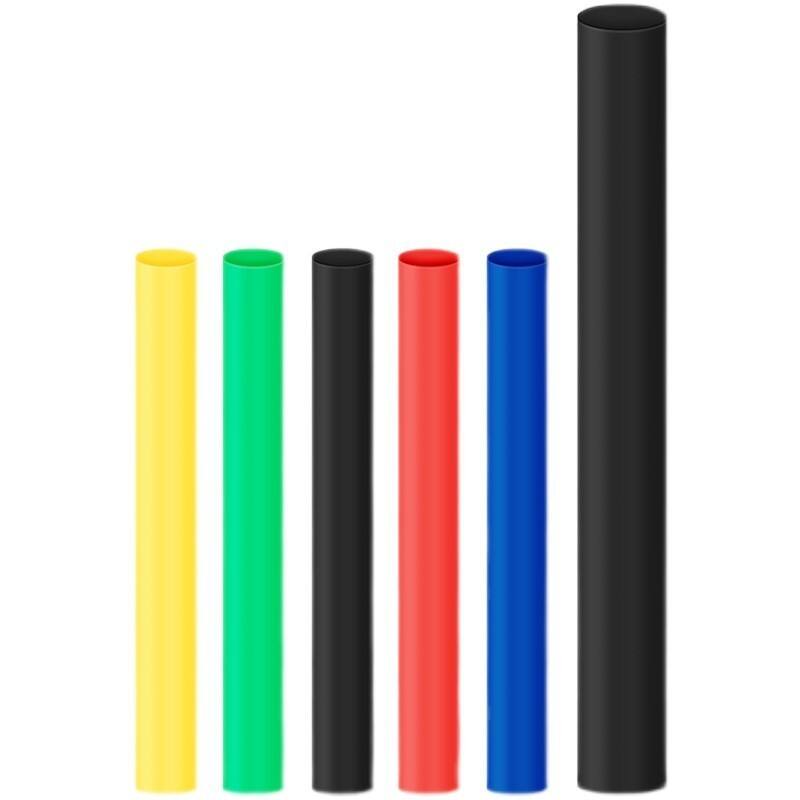
In today's demanding industrial landscape, electrical systems face extreme conditions that require specialized solutions to maintain optimal performance and safety. Heat cable accessories have emerged as critical components in heavy-duty applications, providing essential protection and functionality for power transmission systems operating under challenging environmental conditions. These sophisticated components ensure reliable electrical connections while withstanding harsh temperatures, moisture exposure, and mechanical stress that would compromise standard electrical installations.
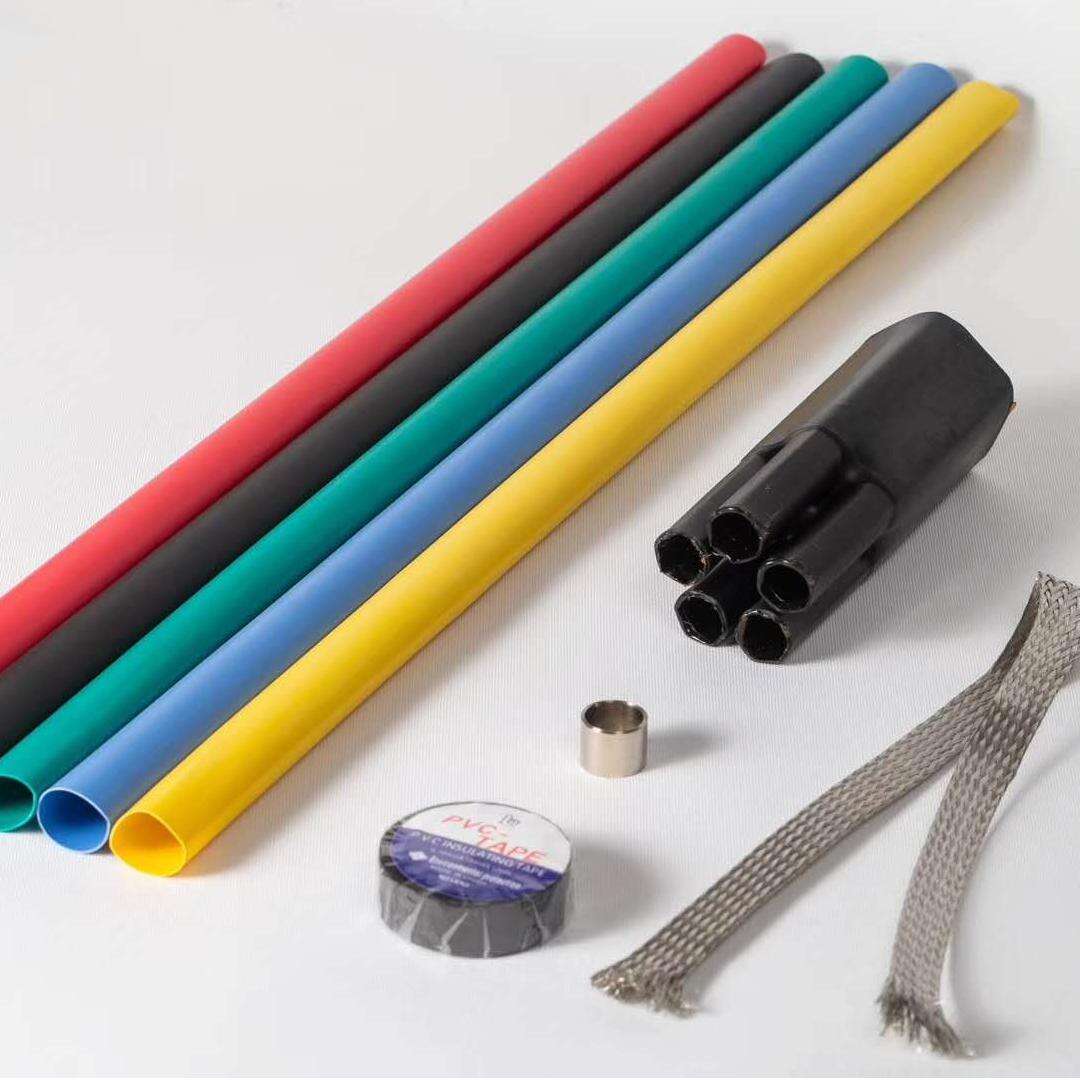
The growing complexity of industrial operations has intensified the need for robust electrical infrastructure capable of supporting continuous operations in extreme environments. Manufacturing facilities, mining operations, offshore platforms, and chemical processing plants all rely on electrical systems that must function flawlessly despite exposure to corrosive substances, extreme temperatures, and constant vibration. In these contexts, heat cable accessories serve as the backbone of electrical reliability, preventing costly downtime and ensuring worker safety through superior insulation and connection integrity.
Understanding the critical role these components play in heavy-duty applications requires examining their technical specifications, installation requirements, and performance characteristics under various operating conditions. The selection and implementation of appropriate heat cable accessories can significantly impact system longevity, maintenance costs, and overall operational efficiency. This comprehensive analysis explores why these specialized components have become indispensable in modern industrial electrical systems and how they contribute to enhanced performance and safety standards.
Technical Specifications and Performance Requirements
Voltage Rating Capabilities
Heat cable accessories must accommodate a wide range of voltage requirements to serve diverse industrial applications effectively. Modern heavy-duty installations typically operate at voltage levels ranging from 1kV to 35kV, demanding accessories with corresponding insulation properties and dielectric strength. The voltage rating determines the thickness and composition of insulation materials, with higher voltage applications requiring more sophisticated dielectric designs to prevent electrical breakdown and ensure long-term reliability.
The selection of appropriate voltage ratings becomes particularly critical in heavy-duty environments where electrical stress combines with environmental factors to challenge system integrity. Temperature fluctuations, humidity variations, and chemical exposure can all impact the dielectric properties of insulation materials over time. High-quality heat cable accessories incorporate advanced polymer formulations and multi-layer insulation systems that maintain their electrical properties even under prolonged exposure to these challenging conditions.
Understanding voltage rating requirements also involves considering system expansion and future upgrades. Industrial facilities often experience growth that necessitates increased power capacity, making it essential to select heat cable accessories with adequate voltage margins to accommodate future electrical demands without requiring complete system replacement.
Temperature Resistance Standards
Temperature resistance represents one of the most critical performance characteristics for heat cable accessories in heavy-duty applications. These components must maintain their structural integrity and electrical properties across extreme temperature ranges, from arctic conditions as low as -40°C to high-temperature industrial environments exceeding 150°C. The thermal stability of insulation materials directly impacts system reliability and service life, making temperature rating a primary selection criterion.
Advanced heat cable accessories utilize specialized polymer compounds and cross-linking technologies to achieve superior temperature resistance. These materials undergo extensive thermal cycling tests to verify their performance under repeated heating and cooling cycles that simulate real-world operating conditions. The ability to withstand thermal stress without degradation ensures consistent electrical performance and prevents premature failure that could result in costly system downtime.
The thermal management capabilities of these accessories extend beyond simple temperature resistance to include heat dissipation properties. Effective thermal conductivity helps distribute heat evenly throughout the connection, preventing localized hot spots that could accelerate material degradation and compromise system reliability. This thermal management becomes increasingly important in high-current applications where resistive heating can create significant thermal challenges.
Material Composition and Manufacturing Excellence
Advanced Polymer Technologies
The foundation of reliable heat cable accessories lies in their advanced polymer composition, which determines their performance characteristics and longevity in demanding applications. Modern accessories utilize specialized thermoplastic and thermoset materials that offer superior electrical, thermal, and mechanical properties compared to conventional insulation materials. These polymers undergo extensive modification processes to enhance their resistance to environmental stressors while maintaining flexibility and ease of installation.
Cross-linked polyethylene (XLPE) and ethylene propylene rubber (EPR) represent two of the most commonly used polymer systems in high-performance heat cable accessories. XLPE offers excellent electrical properties and thermal stability, making it ideal for high-voltage applications where long-term reliability is paramount. EPR provides superior flexibility and resistance to environmental stress cracking, particularly valuable in applications involving frequent thermal cycling or mechanical movement.
The manufacturing process for these advanced polymers involves precise control of molecular structure and additive incorporation to optimize performance characteristics. UV stabilizers, antioxidants, and flame retardants are carefully integrated into the polymer matrix to enhance durability and safety. This sophisticated approach to material formulation ensures that heat cable accessories maintain their performance throughout their intended service life, even under the most challenging operating conditions.
Quality Control and Testing Protocols
Rigorous quality control measures throughout the manufacturing process ensure that heat cable accessories meet the demanding requirements of heavy-duty applications. Comprehensive testing protocols evaluate electrical, thermal, and mechanical properties at various stages of production, from raw material verification to final product validation. These quality assurance procedures help identify potential issues before products reach the field, reducing the risk of premature failure and associated costs.
Environmental testing represents a critical component of quality control, subjecting accessories to accelerated aging conditions that simulate years of field exposure in compressed timeframes. Temperature cycling, humidity exposure, chemical resistance testing, and UV radiation exposure all contribute to comprehensive performance validation. These tests provide valuable data on long-term reliability and help manufacturers optimize formulations for specific application requirements.
Electrical testing encompasses a wide range of parameters including dielectric strength, insulation resistance, and partial discharge characteristics. High-voltage testing verifies the ability of accessories to withstand electrical stress without breakdown, while insulation resistance measurements confirm the integrity of barrier properties. Partial discharge testing identifies potential weak points in insulation systems that could lead to premature failure, enabling manufacturers to refine their designs for enhanced reliability.
Installation Benefits and Operational Advantages
Simplified Installation Procedures
Modern heat cable accessories incorporate design features that significantly simplify installation procedures while maintaining high-performance standards. Heat-shrinkable technology eliminates the need for complex mechanical fasteners and extensive preparation procedures, allowing technicians to create reliable connections quickly and efficiently. The self-conforming nature of heat-shrinkable materials ensures optimal fit around cable geometries, reducing the skill level required for proper installation and minimizing the potential for installation errors.
Pre-fabricated accessory kits further streamline installation by providing all necessary components in precisely sized configurations for specific cable types and applications. These kits eliminate guesswork in component selection and reduce inventory requirements for maintenance teams. The standardized approach to accessory design also facilitates training programs for installation personnel, ensuring consistent quality across multiple installation sites and reducing the likelihood of field errors.
The reduced installation time associated with modern heat cable accessories translates directly into cost savings for heavy-duty applications. Shorter installation windows minimize production disruptions and reduce labor costs, particularly important in industrial environments where downtime carries significant financial implications. The reliability of simplified installation procedures also reduces the need for rework and warranty repairs, further enhancing the economic benefits of these advanced accessories.
Enhanced System Reliability
The implementation of high-quality heat cable accessories significantly enhances overall system reliability by creating robust electrical connections that withstand environmental and operational stresses. Superior insulation properties prevent moisture ingress and contamination, common causes of electrical failures in industrial environments. The mechanical strength of these accessories also provides protection against vibration, thermal expansion, and other physical stresses that can compromise connection integrity over time.
Predictable performance characteristics enable better system planning and maintenance scheduling, reducing unexpected failures and associated emergency repair costs. The long service life of quality accessories means fewer replacement cycles and reduced maintenance requirements, contributing to lower total cost of ownership. This reliability becomes particularly valuable in critical applications where electrical failures can impact safety, production, or environmental compliance.
The redundancy provided by multiple high-quality connections throughout an electrical system creates resilience against localized failures. Even if individual components experience stress or damage, the overall system integrity remains intact, preventing cascading failures that could affect larger portions of the electrical infrastructure. This system-level reliability is essential in heavy-duty applications where electrical continuity is critical for operational success.
Environmental Protection and Durability
Chemical Resistance Properties
Heavy-duty industrial environments often expose electrical components to aggressive chemicals that can rapidly degrade standard materials. Heat cable accessories designed for these applications incorporate specialized polymer formulations with enhanced chemical resistance to withstand exposure to acids, bases, solvents, and other corrosive substances. This chemical compatibility ensures long-term performance even in the most challenging industrial environments where chemical exposure is unavoidable.
The development of chemical-resistant formulations involves extensive testing against specific chemical agents commonly encountered in different industries. Petrochemical facilities, mining operations, and chemical processing plants each present unique chemical challenges that require tailored material solutions. Advanced heat cable accessories utilize barrier technologies and chemical-resistant polymers that maintain their integrity even under prolonged exposure to these harsh substances.
Understanding the specific chemical environment of each application enables proper accessory selection and ensures optimal performance throughout the service life. Chemical compatibility charts and application guidelines help engineers select appropriate accessories for specific environmental conditions, preventing premature failure due to chemical attack. This proactive approach to material selection significantly extends system life and reduces maintenance requirements in chemically aggressive environments.
Moisture and Environmental Sealing
Effective moisture protection represents a fundamental requirement for heat cable accessories in heavy-duty applications, where water ingress can cause immediate electrical failures and long-term degradation of system components. Advanced sealing technologies create multiple barriers against moisture penetration, utilizing both material properties and geometric design features to achieve superior environmental protection. These sealing systems must maintain their effectiveness across wide temperature ranges and under various mechanical stresses.
The design of moisture barriers involves careful consideration of potential ingress paths and the implementation of redundant sealing mechanisms. Primary seals prevent direct water entry, while secondary barriers provide backup protection if primary seals are compromised. This multi-layer approach ensures continued protection even under severe environmental conditions where individual sealing elements might experience stress or damage.
Long-term moisture protection requires materials that maintain their sealing properties throughout extended service periods. UV stabilization, thermal stability, and mechanical durability all contribute to the longevity of sealing systems. Regular inspection and maintenance protocols help identify potential seal degradation before it can compromise system integrity, enabling proactive replacement of sealing components when necessary.
Cost-Effectiveness and Economic Benefits
Total Cost of Ownership Analysis
Evaluating the economic benefits of high-quality heat cable accessories requires a comprehensive total cost of ownership analysis that considers initial purchase price, installation costs, maintenance requirements, and expected service life. While premium accessories may carry higher upfront costs, their superior performance characteristics often result in significant long-term savings through reduced maintenance, fewer replacements, and improved system reliability.
The extended service life of quality accessories directly impacts replacement cycles and associated labor costs. Systems utilizing high-performance components typically experience service lives two to three times longer than those using standard alternatives, significantly reducing the frequency of replacement activities. This extended service life becomes particularly valuable in applications where access is difficult or expensive, such as offshore installations or underground systems.
Reduced maintenance requirements contribute substantially to long-term cost savings. High-quality heat cable accessories require less frequent inspection and maintenance, reducing both direct maintenance costs and production disruptions associated with system access. The predictable performance characteristics of these components also enable more efficient maintenance scheduling, optimizing resource utilization and minimizing unexpected repair requirements.
Risk Mitigation and Insurance Benefits
The superior reliability of quality heat cable accessories provides significant risk mitigation benefits that extend beyond direct maintenance savings. Reduced failure rates translate into lower insurance premiums and decreased exposure to business interruption losses. Many insurance providers recognize the value of high-quality electrical components and offer premium reductions for facilities that utilize certified, high-performance accessories in their electrical systems.
The documentation and traceability associated with quality accessories also provide important benefits in the event of incidents or insurance claims. Comprehensive testing data, manufacturing records, and installation documentation support insurance claims and demonstrate due diligence in component selection and maintenance. This documentation can be crucial in establishing liability and ensuring appropriate coverage in the event of electrical failures or related incidents.
Risk mitigation extends to regulatory compliance, where the use of certified, high-performance accessories helps ensure adherence to safety and environmental standards. Compliance failures can result in significant penalties, production shutdowns, and remediation costs that far exceed the initial cost of quality components. The investment in superior accessories provides valuable protection against these regulatory risks while supporting overall safety and environmental objectives.
FAQ
What voltage ranges do heat cable accessories typically support in heavy-duty applications
Heat cable accessories for heavy-duty applications typically support voltage ranges from 1kV to 35kV, with some specialized products capable of handling even higher voltages. The specific voltage rating depends on the application requirements and the insulation system design. Medium voltage applications (1kV to 35kV) are most common in industrial settings, while low voltage accessories serve specialized applications. The voltage rating determines the insulation thickness, material composition, and testing requirements for each accessory type.
How do environmental conditions affect the selection of heat cable accessories
Environmental conditions significantly influence accessory selection, with factors including temperature range, chemical exposure, moisture levels, and UV radiation all impacting material choice and design requirements. Extreme temperatures require specialized polymer formulations with enhanced thermal stability, while chemical environments demand specific chemical resistance properties. Outdoor installations need UV-resistant materials and superior weatherproofing, while underground applications require enhanced moisture protection and mechanical durability. Proper environmental assessment ensures optimal accessory performance and service life.
What are the key installation considerations for heat cable accessories in industrial settings
Key installation considerations include proper surface preparation, correct sizing for cable dimensions, adequate heating equipment for heat-shrinkable products, and adherence to manufacturer specifications. Installation must occur within specified temperature ranges, and proper tools are essential for achieving optimal results. Training of installation personnel ensures consistent quality, while inspection procedures verify proper installation. Environmental conditions during installation, such as humidity and temperature, can affect the curing and bonding processes of certain accessory types.
How do heat cable accessories contribute to system safety in heavy-duty applications
Heat cable accessories enhance system safety by providing reliable electrical insulation that prevents accidental contact with energized conductors and reduces the risk of electrical faults. Superior moisture sealing prevents water ingress that could cause short circuits or ground faults, while flame-retardant materials help prevent fire propagation in the event of electrical faults. The mechanical protection provided by these accessories also prevents damage from external forces that could create safety hazards. Regular inspection and maintenance of accessories ensure continued safety performance throughout the system service life.
Table of Contents
- Technical Specifications and Performance Requirements
- Material Composition and Manufacturing Excellence
- Installation Benefits and Operational Advantages
- Environmental Protection and Durability
- Cost-Effectiveness and Economic Benefits
-
FAQ
- What voltage ranges do heat cable accessories typically support in heavy-duty applications
- How do environmental conditions affect the selection of heat cable accessories
- What are the key installation considerations for heat cable accessories in industrial settings
- How do heat cable accessories contribute to system safety in heavy-duty applications