
 EN
EN
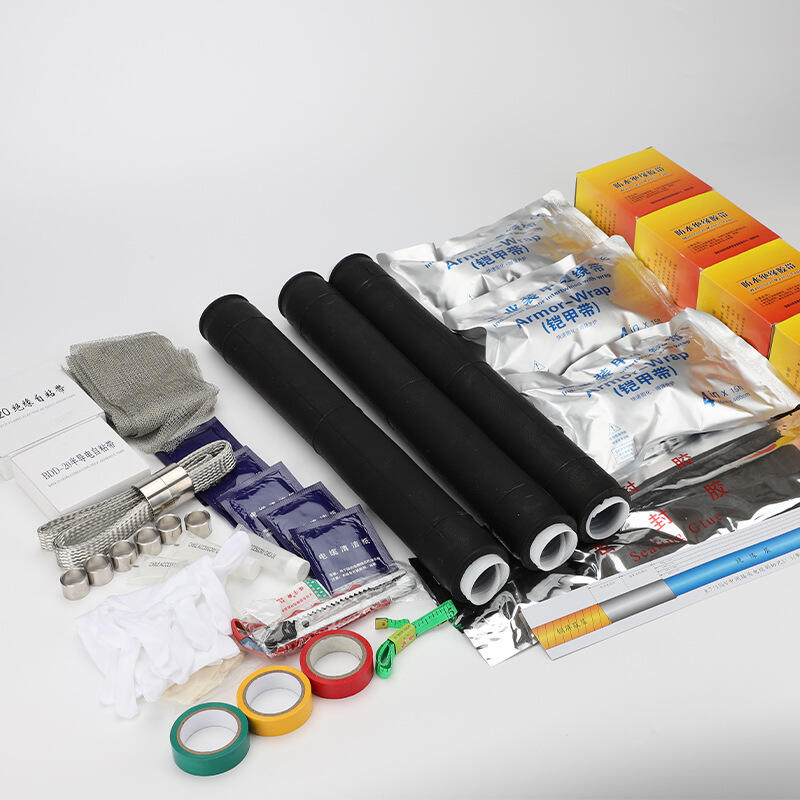
Industrial power systems require reliable components to maintain operational efficiency and safety standards. When dealing with electrical installations in harsh environments, selecting appropriate heat cable accessories becomes a critical decision that directly impacts system performance and longevity. These specialized components protect electrical connections from moisture, corrosion, and thermal stress while ensuring continuous power delivery in demanding industrial applications.
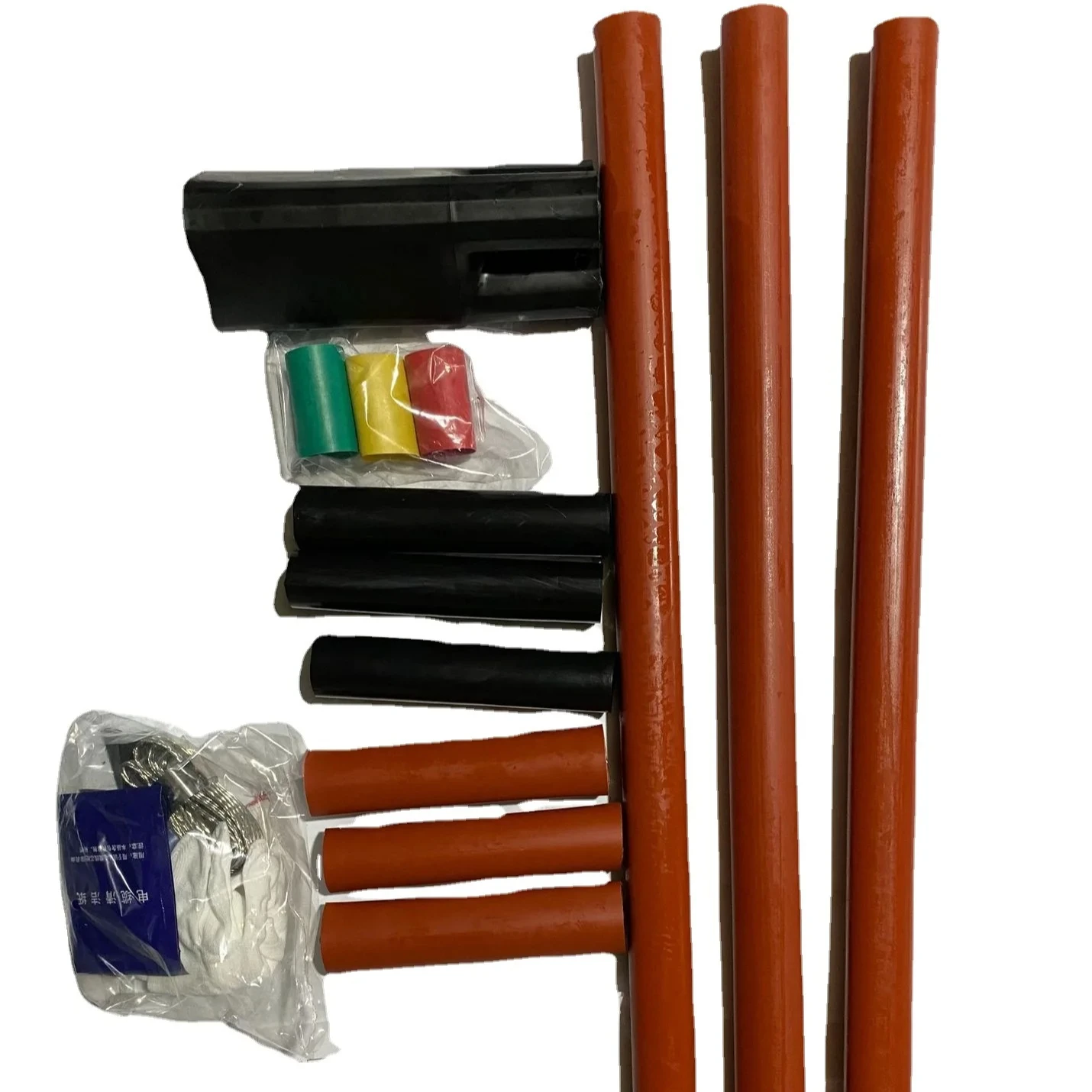
The complexity of modern industrial facilities requires sophisticated electrical infrastructure capable of withstanding extreme temperatures, chemical exposure, and mechanical stress. Heat cable accessories serve as the protective interface between power cables and their termination points, creating sealed environments that prevent environmental contamination. Understanding the selection criteria for these components helps engineers and maintenance professionals make informed decisions that reduce downtime and improve system reliability.
Proper selection of heat shrinkable cable accessories involves evaluating multiple technical parameters including voltage ratings, conductor configurations, and environmental conditions. The compatibility between cable types and their corresponding accessories determines the overall integrity of electrical connections in industrial settings. This comprehensive approach to accessory selection ensures optimal performance across diverse industrial applications ranging from manufacturing facilities to power generation plants.
Understanding Heat Shrinkable Cable Technology
Fundamental Principles of Heat Shrinkable Materials
Heat shrinkable materials undergo controlled dimensional changes when exposed to elevated temperatures, creating tight seals around cable conductors and connections. The polymer matrix within these materials contains cross-linked molecular structures that contract uniformly when heated, eliminating air gaps and creating moisture-resistant barriers. This thermal activation process ensures consistent performance across varying cable diameters and installation conditions.
The science behind heat shrinkable technology relies on memory polymers that return to predetermined shapes when thermal energy activates their molecular structure. These materials maintain their protective properties across wide temperature ranges, making them suitable for industrial environments where thermal cycling occurs regularly. Advanced formulations incorporate flame-retardant compounds and UV stabilizers to enhance durability in challenging operating conditions.
Installation procedures for heat shrinkable components require precise temperature control to achieve optimal shrinkage ratios without damaging the underlying cable insulation. Professional installation tools ensure uniform heat distribution during the shrinking process, preventing hot spots that could compromise the accessory's protective capabilities. Understanding these fundamental principles helps maintenance teams achieve reliable installations that meet industrial safety standards.
Voltage Rating Considerations
Voltage compatibility represents a critical factor in selecting appropriate heat cable accessories for industrial power systems. Different voltage classes require specific insulation thicknesses and dielectric properties to prevent electrical breakdown during normal operation and fault conditions. Low voltage applications typically use accessories rated up to 1kV, while medium voltage systems require components capable of handling voltages from 1kV to 35kV safely.
Dielectric strength testing validates the electrical performance of heat shrinkable accessories under various stress conditions including impulse voltages and partial discharge activity. These standardized tests ensure that selected components maintain their insulating properties throughout their expected service life. Engineering specifications must account for voltage transients and system harmonics that may exceed nominal operating voltages during certain conditions.
The relationship between voltage rating and physical dimensions affects accessory selection for space-constrained installations. Higher voltage accessories typically require larger clearance distances and thicker insulation walls, impacting overall system design. Proper voltage rating selection provides adequate safety margins while optimizing space utilization in industrial electrical enclosures and cable management systems.
Cable Configuration and Compatibility Assessment
Single Core versus Multi-Core Applications
Cable configuration significantly influences the selection of compatible heat cable accessories for industrial installations. Single core cables require individual termination accessories for each conductor, providing flexibility in routing and maintenance procedures. Multi-core configurations utilize specialized accessories designed to accommodate multiple conductors within a single protective housing, reducing installation complexity and improving system reliability.
The physical arrangement of conductors within multi-core cables affects heat dissipation and electrical field distribution around termination points. Accessories must provide adequate spacing between conductors while maintaining compact overall dimensions suitable for industrial applications. Specialized designs accommodate two, three, four, and five-core configurations with customizable features to match specific cable constructions and installation requirements.
Installation procedures vary significantly between single and multi-core applications, requiring different tooling and technical expertise. Multi-core accessories often incorporate stress relief components and enhanced sealing mechanisms to manage the complex geometry of multiple conductor terminations. Understanding these differences helps project teams select appropriate accessories and plan installation procedures that minimize system downtime.
Conductor Material and Size Compatibility
Conductor materials including copper and aluminum require different approaches to termination and connection design due to their varying thermal expansion coefficients and electrical properties. Heat shrinkable accessories must accommodate these material differences while providing reliable electrical connections that resist corrosion and thermal cycling effects. Specialized compounds within accessory materials enhance compatibility with specific conductor types.
Cross-sectional area specifications determine the physical dimensions of cable accessories and their ability to handle rated current loads safely. Larger conductor sizes require accessories with enhanced current-carrying capacity and improved heat dissipation characteristics. The relationship between conductor size and accessory dimensions affects installation clearances and overall system design parameters.
Termination techniques vary depending on conductor construction including stranded, solid, and compressed configurations. Each construction type requires specific preparation procedures and compatible accessories to ensure reliable long-term performance. Understanding these requirements helps maintenance teams select appropriate tools and materials for successful cable termination projects in industrial facilities.
Environmental Factors and Performance Requirements
Temperature Range Specifications
Operating temperature ranges significantly impact the selection and performance of heat cable accessories in industrial environments. Extreme temperature variations affect material properties including flexibility, dimensional stability, and electrical characteristics. Accessories must maintain their protective functions across temperature ranges that may extend from arctic conditions to high-temperature industrial processes.
Thermal cycling creates mechanical stress within cable accessories as materials expand and contract repeatedly during normal operation. Advanced formulations resist cracking and degradation under these demanding conditions while maintaining electrical insulation properties. Temperature rating specifications ensure compatibility with specific industrial applications and environmental conditions.
Heat dissipation considerations become critical in high-current applications where accessories must manage thermal energy generated by conductor resistance and electrical losses. Proper thermal design prevents overheating that could compromise accessory performance or create safety hazards. Understanding temperature specifications helps engineers select accessories that provide reliable performance throughout their expected service life.
Chemical Resistance and Environmental Protection
Industrial environments often expose cable accessories to aggressive chemicals including acids, bases, solvents, and corrosive atmospheres that can degrade unprotected materials. Chemical resistance specifications ensure that selected accessories maintain their protective properties when exposed to specific industrial chemicals. Advanced polymer formulations provide enhanced resistance to chemical attack while preserving electrical and mechanical properties.
UV radiation exposure in outdoor installations requires accessories with specialized stabilizers that prevent degradation from solar radiation. These protective compounds maintain material integrity and appearance over extended exposure periods. Indoor installations may require resistance to cleaning chemicals and industrial processes that generate corrosive vapors or particulates.
Moisture ingress represents a primary failure mode for electrical connections in industrial environments. Effective sealing systems within heat shrinkable accessories prevent water penetration that could cause corrosion, electrical faults, or insulation breakdown. Advanced sealing technologies incorporate multiple barrier systems that provide redundant protection against environmental contamination.
Installation Procedures and Best Practices
Surface Preparation and Cleaning Requirements
Proper surface preparation ensures optimal adhesion and sealing performance of heat shrinkable cable accessories. Contamination removal including oils, dirt, and oxidation products creates clean surfaces that promote effective bonding between accessories and cable components. Standardized cleaning procedures using appropriate solvents and abrasive materials prepare surfaces according to manufacturer specifications.
Cable preparation involves careful removal of outer sheath materials and insulation layers to expose conductors for termination. Precise dimensional control ensures proper fit with accessory components while maintaining adequate insulation clearances. Sharp tools and measuring instruments help achieve consistent preparation quality that supports reliable installation outcomes.
Quality control procedures verify surface cleanliness and dimensional accuracy before proceeding with accessory installation. Visual inspection and measurement validation confirm that preparation meets technical requirements for successful heat shrinking and sealing performance. Documented preparation procedures ensure consistent quality across multiple installation teams and project phases.
Heat Application and Shrinking Techniques
Controlled heat application ensures uniform shrinkage of heat cable accessories without damaging underlying cable components or creating performance issues. Professional heat guns and ovens provide precise temperature control and even heat distribution during the shrinking process. Proper heating techniques prevent overheating that could degrade accessory materials or compromise their protective capabilities.
Shrinkage monitoring during installation verifies that accessories achieve their designed dimensions and sealing performance. Progressive heating allows operators to observe shrinkage progress and adjust heat application as needed to achieve optimal results. Temperature measurement tools help maintain heating parameters within specified ranges for consistent installation quality.
Post-installation inspection confirms proper shrinkage and sealing performance before energizing electrical systems. Visual examination and dimensional verification ensure that installed accessories meet technical specifications and safety requirements. Documentation of installation parameters provides valuable information for future maintenance and troubleshooting activities.
Quality Standards and Certification Requirements
International Standards Compliance
International standards provide comprehensive frameworks for evaluating heat cable accessories performance, safety, and reliability in industrial applications. Organizations including IEC, IEEE, and ASTM establish testing protocols that validate electrical, mechanical, and environmental characteristics of these critical components. Compliance with recognized standards ensures compatibility with global industrial practices and regulatory requirements.
Type testing procedures verify that heat cable accessories meet specified performance criteria under controlled laboratory conditions. These comprehensive evaluations include electrical breakdown testing, thermal cycling, mechanical stress testing, and environmental exposure simulations. Certified test results provide confidence in accessory performance under actual industrial operating conditions.
Quality management systems ensure consistent manufacturing processes that deliver reliable heat cable accessories meeting international standards. ISO certification and other quality frameworks validate manufacturing capabilities and process controls. Regular audits and continuous improvement programs maintain quality standards throughout the product lifecycle from design to delivery.
Testing and Validation Procedures
Comprehensive testing protocols evaluate multiple performance aspects of heat cable accessories including dielectric strength, thermal performance, and mechanical integrity. Laboratory testing simulates real-world conditions that accessories encounter during their service life in industrial installations. Standardized test procedures ensure consistent evaluation methods across different manufacturers and product types.
Field testing validates laboratory results under actual installation conditions where accessories experience complex interactions between electrical, thermal, and environmental factors. On-site evaluations provide valuable feedback about accessory performance in specific industrial applications. This real-world validation helps refine product designs and improve installation procedures.
Documentation requirements ensure traceability of test results and certification status throughout the supply chain. Proper documentation supports warranty claims, regulatory compliance, and quality assurance programs. Detailed test reports provide technical information that helps engineers make informed selection decisions for specific industrial applications.
Cost Considerations and Life Cycle Analysis
Initial Investment versus Long-term Value
Cost analysis for heat cable accessories must consider both initial purchase prices and long-term operational costs including maintenance, replacement, and downtime expenses. Higher quality accessories may command premium prices but often provide superior reliability and extended service life that justify increased initial investment. Total cost of ownership calculations help industrial facilities make economically sound procurement decisions.
Reliability improvements from quality heat cable accessories reduce unplanned maintenance activities and emergency repairs that disrupt industrial operations. Prevented downtime costs often exceed accessory purchase prices by significant margins, making reliability investments economically attractive. Quantifying these benefits helps justify selection of premium accessories for critical industrial applications.
Standardization strategies reduce inventory costs and simplify maintenance procedures by limiting the variety of accessories required for industrial electrical systems. Common accessory types across multiple applications reduce training requirements and spare parts inventory while improving procurement efficiency. Strategic standardization balances cost reduction with technical performance requirements.
Maintenance and Replacement Scheduling
Predictive maintenance programs utilize condition monitoring techniques to assess heat cable accessories performance and schedule replacements before failures occur. Regular inspections identify early signs of degradation including discoloration, cracking, or dimensional changes that indicate approaching end of service life. Proactive replacement strategies minimize unexpected failures and associated downtime costs.
Maintenance scheduling considers both calendar age and operating conditions that affect accessory degradation rates. Harsh environmental conditions may require more frequent inspections and shorter replacement intervals compared to benign indoor installations. Documented maintenance histories provide valuable data for optimizing replacement schedules and improving system reliability.
Spare parts management ensures availability of critical heat cable accessories for emergency repairs and planned maintenance activities. Strategic inventory levels balance carrying costs with service level requirements for industrial operations. Supplier partnerships and emergency procurement procedures provide backup options for unusual or specialized accessory requirements.
FAQ
What voltage ratings are available for heat cable accessories in industrial applications
Heat cable accessories are manufactured for voltage ranges from low voltage applications up to 1kV through medium voltage systems operating at 35kV and higher. The specific voltage rating depends on insulation thickness, dielectric materials, and intended application requirements. Industrial facilities typically utilize accessories rated for 1kV, 15kV, 25kV, and 35kV depending on their electrical distribution system design and safety requirements.
How do environmental conditions affect heat cable accessory selection
Environmental factors including temperature extremes, chemical exposure, UV radiation, and moisture levels significantly influence accessory material selection and design features. Industrial environments may require accessories with enhanced chemical resistance, temperature stability, or UV protection depending on specific exposure conditions. Proper environmental assessment ensures selected accessories maintain their protective functions throughout their expected service life under actual operating conditions.
What are the key differences between single-core and multi-core cable accessories
Single-core accessories terminate individual conductors separately, providing installation flexibility and simplified maintenance procedures. Multi-core accessories accommodate multiple conductors within integrated housings, reducing installation complexity and improving space utilization. The choice between configurations depends on system design requirements, installation constraints, and maintenance preferences specific to each industrial application.
How important is proper installation technique for heat cable accessory performance
Installation quality directly affects long-term performance and reliability of heat cable accessories in industrial systems. Proper surface preparation, controlled heat application, and dimensional verification ensure accessories achieve their designed sealing and electrical performance. Poor installation practices can compromise accessory integrity, leading to premature failures and potential safety hazards in industrial electrical systems.
Table of Contents
- Understanding Heat Shrinkable Cable Technology
- Cable Configuration and Compatibility Assessment
- Environmental Factors and Performance Requirements
- Installation Procedures and Best Practices
- Quality Standards and Certification Requirements
- Cost Considerations and Life Cycle Analysis
-
FAQ
- What voltage ratings are available for heat cable accessories in industrial applications
- How do environmental conditions affect heat cable accessory selection
- What are the key differences between single-core and multi-core cable accessories
- How important is proper installation technique for heat cable accessory performance