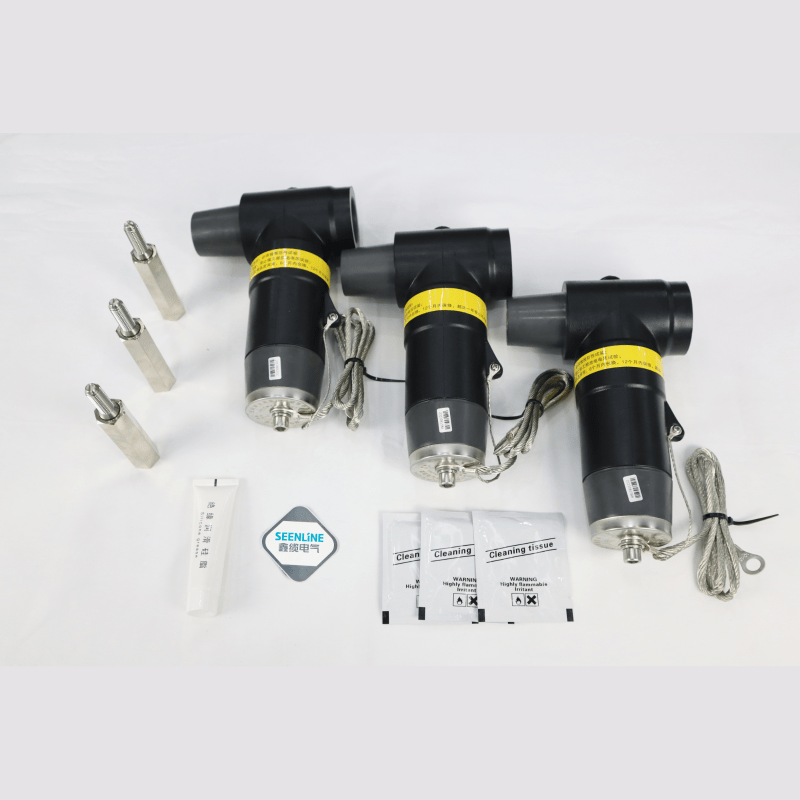
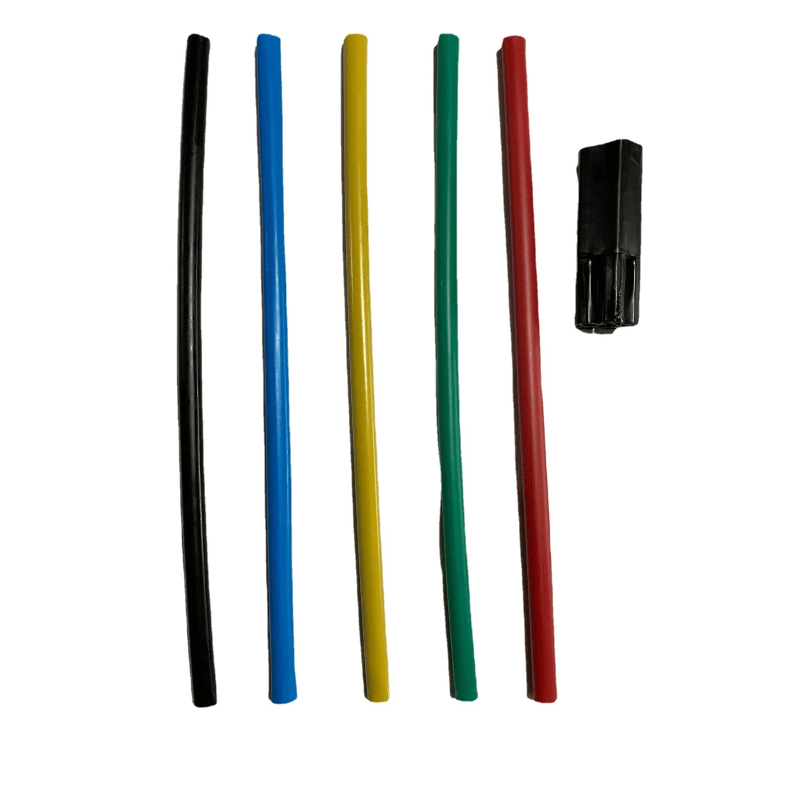
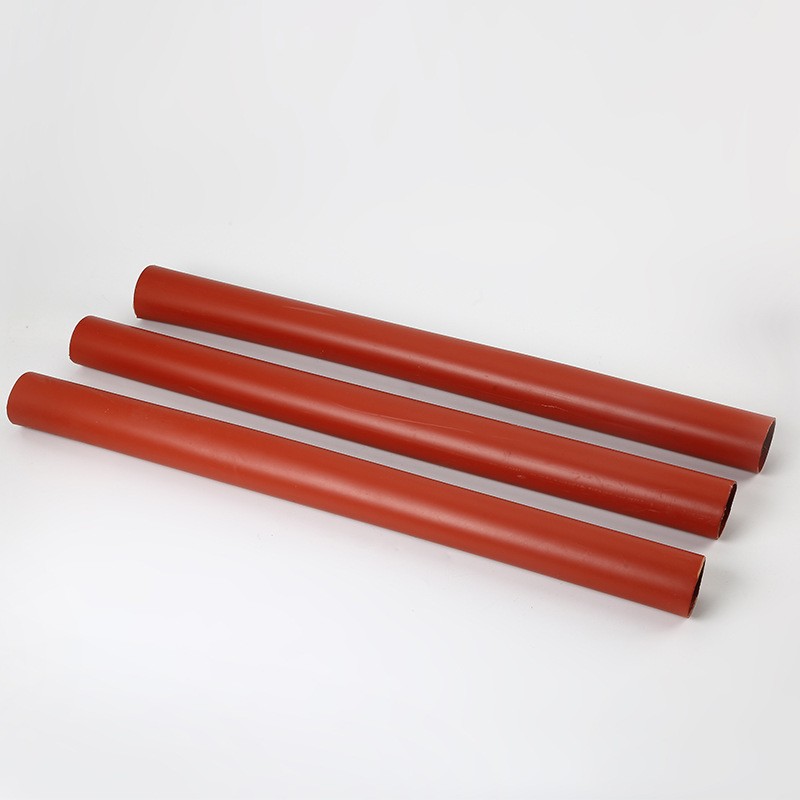
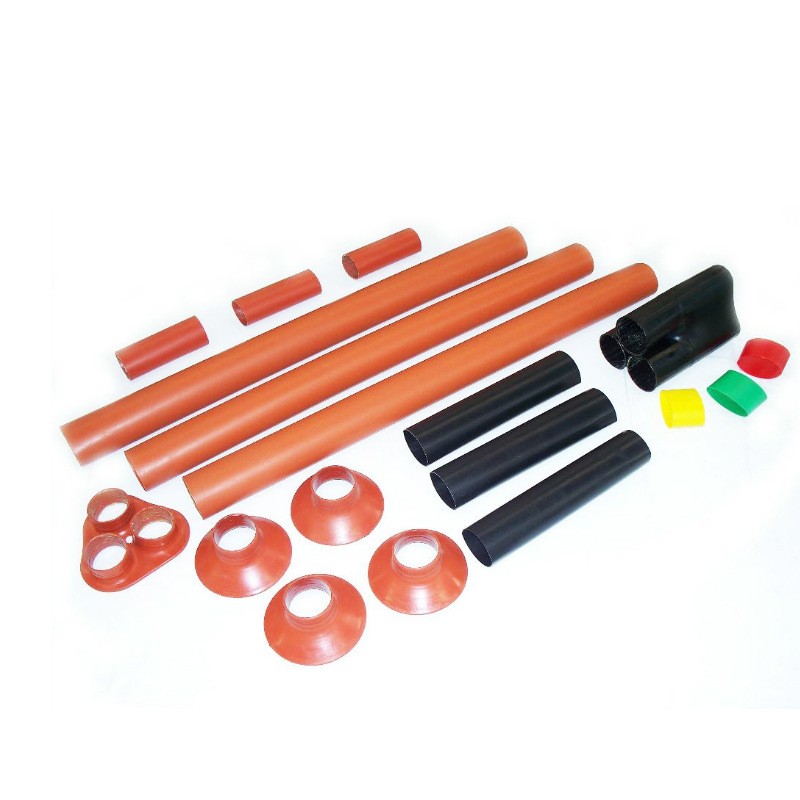
use heat shrink tubing
Understanding how to use heat shrink tubing is essential for anyone working with electrical connections, cables, and wiring systems. Heat shrink tubing is a specialized plastic material that shrinks when exposed to heat, creating a tight, protective seal around wires and components. When you use heat shrink tubing, you apply it over the area needing protection, then heat it until it contracts to form a secure covering. This process is fundamental in electrical work, telecommunications, and industrial applications where protection and insulation are critical. The primary function of heat shrink tubing is to provide mechanical protection, electrical insulation, and environmental sealing for connections and components. Technologically, modern heat shrink tubing is manufactured from materials like polyolefin, fluoropolymer, or PVC, each offering different temperature resistance and chemical compatibility properties. When you use heat shrink tubing correctly, it prevents moisture infiltration, protects against abrasion, and maintains electrical safety. The tubing comes in various diameters and shrink ratios, allowing professionals to select the right specifications for their needs. Applications for heat shrink tubing span across telecommunications, automotive manufacturing, aerospace engineering, and consumer electronics. Industries rely on heat shrink tubing for bundling cables, sealing connector joints, and protecting solder points. Understanding when and how to use heat shrink tubing ensures reliable connections and extends the lifespan of electrical systems significantly.

 EN
EN