
 EN
EN
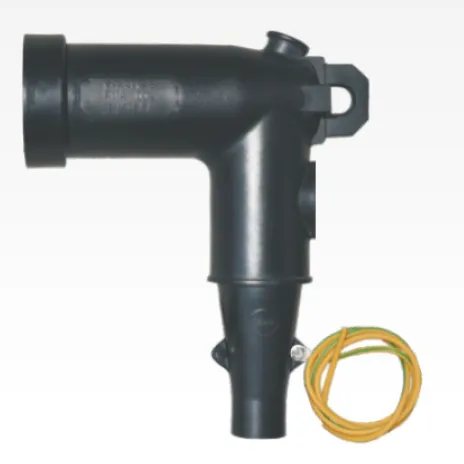
ကြိုးအလယ်ချောင်း ဆက်သွယ်မှုအစိတ်အပိုင်းသည် ခေတ်မှီလျှပ်စစ်စွမ်းအားဖြန့်ဖြူးရေးစနစ်များတွင် အရေးအကြီးမားဆုံးအစိတ်အပိုင်းများထဲမှ တစ်ခုဖြစ်ပြီး ကြိုးကွန်ရက်များတစ်လျှောက် စွမ်းအားပေးပို့မှုကို အဆက်မပါးဖြစ်စေရန် အရေးပါသော ဆက်သွယ်မှုနေရာဖြစ်သည်။ ဤအထူးပြုထားသော လျှပ်စစ်ဆက်သွယ်မှုအစိတ်အပိုင်းများသည် စံသတ်မှတ်ထားသော ကြိုးအရှည်များဖြင့် လိုအပ်သောအကွာအဝေးကို ဖုံးလွှမ်းနိုင်ခြင်းမရှိသည့် နေရာများတွင် ကြိုးအပိုင်းများကို ချိတ်ဆက်ပေးပါသည်။ ထို့အပြင် စွမ်းအားပေးပို့မှုလမ်းကြောင်းတစ်လျှောက် လျှပ်စစ်ဆက်သွယ်မှုကို ထိန်းသိမ်းပေးရုံသာမက ကာရှို့မှုအားကို ထိန်းသိမ်းပေးခြင်းနှင့် ယန္တရားဆိုင်ရာ အားကောင်းမှုကို ထိန်းသိမ်းပေးခြင်းတို့ကိုလည်း အောင်မြင်စွာ ပေးစေပါသည်။
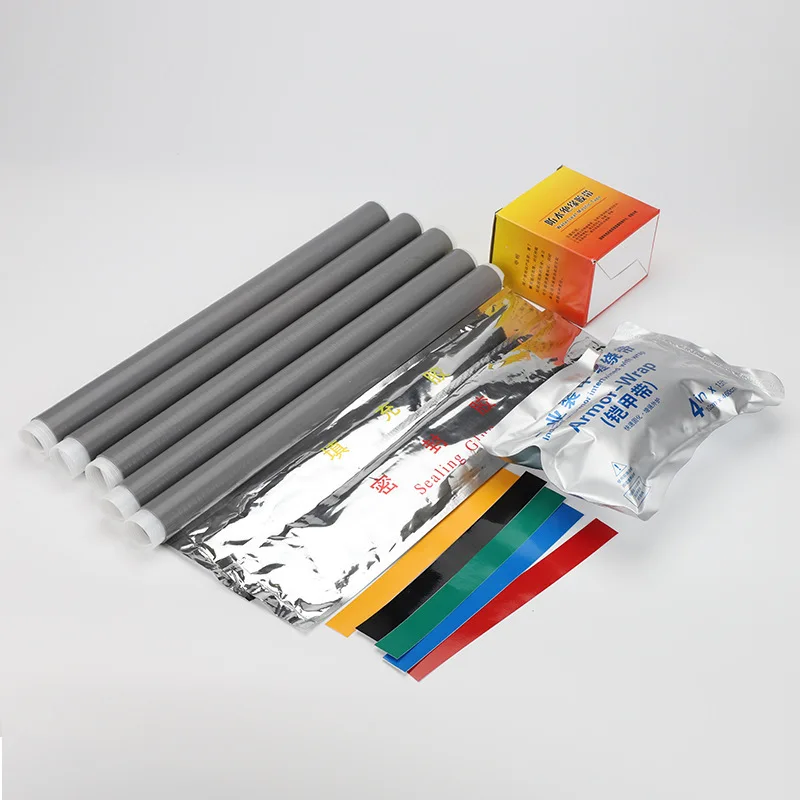
ကြိုးများ၏ အလယ်အလတ် ဆက်သွယ်မှုများ၏ အခြေခံအရေးပါမှုကို နားလည်ရန်မှာ ရှုပ်ထွေးသော ဖြန့်ဖြူးရေးကွန်ရက်များတွင် စုံလင်သော လျှပ်စစ်စွမ်းအားပေးပေးမှုကို အာမခံရန် လိုအပ်သည့် လျှပ်စစ်အင်ဂျင်နီယာများ၊ လျှပ်စစ်စွမ်းအား လုပ်ငန်းမှုများ လုပ်ကိုင်သူများနှင့် အခြေခံအဆောက်အအုံ အစီအစဉ်ရေးဆွဲသူများအတွက် အရေးကြီးသည်။ ဤဆက်သွယ်မှုများကို ဗျူဟာမှုကြောင်း အသုံးပြုခြင်းသည် စနစ်၏ ယုံကြုံစိတ်ချရမှု၊ ထိန်းသိမ်းရေးလိုအပ်ချက်များနှင့် ရေရှည်တွင် လုပ်ငန်းဆောင်တာများ၏ ထိရောက်မှုကို တိုက်ရိုက်အကျိုးသက်ရောက်မှုရှိပါသည်။ ထို့ကြောင့် ၎င်းတို့၏ သင့်လျော်သော ရွေးချယ်မှုနှင့် တပ်ဆင်မှုများသည် အောင်မြင်သော လျှပ်စစ်အခြေခံအဆောက်အအုံ စီမံကိန်းများ၏ အဓောက်အားဖေးမှုဖြစ်ပါသည်။
ကြိုးများ၏ အလယ်အလတ် ဆက်သွယ်မှုများ အခြေခံများကို နားလည်ခြင်း
အဓိပ္ပာယ်ဖွင့်ဆိုချက်နှင့် အဓိကရည်ရွယ်ချက်
ကြိုးအလယ်အလတ် ဆက်စပ်မှုသည် မူရင်းကြိုးစနစ်၏ လျှပ်စစ်၊ ယန္တရားနှင့် သဘောထားပတ်ဝန်းကျင်ဆိုင်ရာ ဂုဏ်သတ္တိများကို ထိန်းသိမ်းရန် ဒီဇိုင်းထုတ်ထားသော အထူးပြုလျှပ်စစ်ချိတ်ဆက်မှုဖြစ်ပြီး ကြိုးနှစ်ခုကို အမြဲတမ်း ဆက်သွယ်ပေးသည်။ ယာယီချိတ်ဆက်မှုများ သို့မဟုတ် အဆုံးသတ်မှုများနှင့် ကွဲပါသည်။ ကြိုးအလယ်အလတ် ဆက်စပ်မှုသည် စနစ်၏ အသုံးပြုမှုသက်တမ်းတစ်လျှောက် ချိတ်ဆက်ထားသော ကြိုးများနှင့် အတူ အလားတူ လုပ်ဆောင်မှုအခြေအနေများအောက်တွင် ယုံကြည်စိတ်ချရစွာ လုပ်ဆောင်နိုင်ရန် အပ်စ်ကြောင်းများကို အပ်စ်ကြောင်းများနှင့် အပ်စ်ကြောင်းများကို အပ်စ်ကြောင်းများနှင့် အပ်စ်ကြောင်းများကို အပ်စ်ကြောင်းများနှင့် အပ်စ်ကြောင်းများကို အပ်စ်ကြောင်းများနှင့် အပ်စ်ကြောင်းများကို အပ်စ်ကြောင်းများနှင့် အပ်စ်ကြောင်းများကို အပ်စ်ကြောင်းများနှင့် အပ်စ်ကြောင်းများကို အပ်စ်ကြောင်းများနှင့် အပ်စ်ကြောင်းများကို အပ်စ်ကြောင်းများနှင့် အပ်စ်ကြောင်းများကို အပ်စ်ကြောင်းများနှင့်......
အဓိကရည်ရွယ်ချက်သည် လျှပ်စစ်ချိတ်ဆက်မှုကို ရှင်းလင်းစွာ ဖော်ပြခြင်းထက် ပိုများသည့် အရေးကြီးသော လုပ်ဆောင်ချက်များကို ပါဝင်စေသည်။ ဥပမါ- ဗို့အားဖိအားစီမံခန့်ခွဲမှု၊ စိုထောင်မှုကို ကာကွယ်ခြင်း၊ ယန္တရားဆိုင်ရာ အထောက်အပံ့ပေးခြင်းနှင့် အပူစွမ်းဆောင်ရည်ကို ကိုက်ညီအောင် ပြုလုပ်ခြင်း စသည်တို့ဖြစ်သည်။ တစ်ခုချင်းစီသည် ကြိုးအလယ်ပိုင်း ဆက်သွယ်မှုအစိတ်အပိုင်း မူရင်းကြိုး၏ မူလ အကာအရံစနစ်ကို ပြန်လည်ဖန်တီးပေးရန် လိုအပ်ပြီး နောင်တွင် ထိန်းသိမ်းမှုနှင့် စောင်းကြည့်မှုလုပ်ဆောင်မှုများအတွက် ဝင်ရောက်မှုနေရာများကို ပေးစေရန် လိုအပ်သည်။
နည်းပညာဆိုင်ရာ အစိတ်အပိုင်းများနှင့် တည်ဆောက်မှု
ခေတ်မှီကြိုးအလယ်ပိုင်း ဆက်သွယ်မှုများတွင် စုံလင်သော အင်ဂျင်နီယာအစိတ်အပိုင်းများကို ထည့်သွင်းအသုံးပြုပြီး ယုံကြည်စိတ်ချရသော စွမ်းဆောင်ရည်ကို အာမခံပေးပါသည်။ ကြေးနီခေါင်းစီး ဆက်သွယ်မှုစနစ်သည် အများအားဖြင့် ဖိအားဖြင့်ချောင်းချောင်းချောင်းချောင်းချောင်းချောင်းချောင်းချောင်းချောင်းချောင်းချောင်းချောင်းချောင်းချောင်းချောင်းချောင်းချောင်းချောင်းချောင်းချောင်းချောင်းချောင်းချောင်းချောင်းချောင်းချောင်းချောင်းချောင်းချောင်းချောင်းချောင်းချောင်းချောင်းချောင်းချောင်းချောင်းချောင်းချောင်းချောင်းချောင်းချောင်းချောင်းချောင......
ကြိုးအလယ်ပိုင်း ဆက်သွယ်မှုနေရာတွင် မူလကြိုး၏ ဒိုင်အီလက်ထရစ်ဂုဏ်သတ္တိများနှင့် ကိုက်ညီသည့် သို့မဟုတ် ထို့ထက်ပိုမိုကောင်းမွန်သည့် ပစ္စည်းများကို အသုံးပြုခြင်းဖြင့် အားကောင်းသော အထုံးအနေဖြင့် အားကောင်းသော အထုံးအနေဖြင့် အားကောင်းသော အထုံးအနေဖြင့် အားကောင်းသော အထုံးအနေဖြင့် အားကောင်းသော အထုံးအနေဖြင့် အားကောင်းသော အထုံးအနေဖြင့် အားကောင်းသော အထုံးအနေဖြင့် အားကောင်းသော အထုံးအနေဖြင့် အားကောင်းသော အထုံးအနေဖြင့် အားကောင်းသော အထုံးအနေဖြင့် အားကောင်းသော အထုံးအနေဖြင့် အားကောင်းသော အထုံးအနေဖြင့် အားကောင်းသ......
အသုံးပြုမှုအခြေအနေများနှင့် စနစ်ပေါင်းစည်းမှု
ကြိုးအလယ်ပိုင်း ဆက်သွယ်မှုများကို ထုတ်လုပ်မှု သို့မဟုတ် ပို့ဆောင်ရေး ကန့်သတ်ချက်များကို ကျော်လွန်သည့် ကြိုးများ၏ ဆက်တိုက်သုံးစွဲမှုများတွင် အများအားဖြင့် အသုံးပြုကြသည်။ လမ်းများ၊ မီးရထားလမ်းများ သို့မဟုတ် အခြားအဆောက်အအုံများအောက်တွင် ဖောက်ထွင်းဖေးထားသည့် စနစ်များတွင် ကြိုးဆွဲခြင်းအကွာအဝေးများသည် လက်တွေ့ကျသည့် ကန့်သတ်ချက်များကို ကျော်လွန်သည့်အခါ အောက်မြေပိုင်း ဖြန့်ဖြူးရေးစနစ်များတွင် ဤဆက်သွယ်မှုများကို မကြာခဏ လိုအပ်ပါသည်။ သမုဒ္ဒရာအောက်တွင် ကြိုးများ တပ်ဆင်ခြင်းများတွင် စနစ်၏ အသုံးဝင်မှုကို ထိန်းသိမ်းရန် အောက်ပိုင်း ကြိုးဆက်သွယ်မှုများကို အလွန်အမင်း အားကိုးကြသည်။
စက်မှုလုပ်ငန်းများတွင် မြင့်နိမ့်ပေါ်လွန်းသည့် လမ်းကြောင်းများ၊ အလွန်ကျဉ်းမျောင်းသည့် နေရာများ သို့မဟုတ် နောင်တွင် စနစ်ပြောင်းလဲမှုများအတွက် အသုံးပြုရန် အဆင်သင့်ဖြစ်စေရန် လိုအပ်သည့် နေရာများတွင် ပေါ်လွန်းသည့် ပါဝါကြိုးများကို ဖောက်ထွင်းဖေးထားသည့်အခါ ကြိုးအလယ်ပိုင်း ဆက်သွယ်မှုများကို မကြာခဏ အသုံးပြုကြသည်။ ဤဆက်သွယ်မှုများကို ဗျူဟာမြောက်စွာ တပ်ဆင်ခြင်းဖြင့် စက်ရုံ၏ ချဲ့ထွင်မှုများ သို့မဟုတ် စက်ပစ္စည်းများ ရွှေ့ပြောင်းခြင်းများကို ကြိုးများကို အပြည့်အဝ အစားထိုးရန် မလိုဘဲ စနစ်၏ အပိုင်းအစများအလိုက် ဒီဇိုင်းထုတ်နိုင်သည့် စနစ်များကို ဖန်တီးပေးပါသည်။
ပါဝါဖြန့်ဖြူးရေးစနစ်များတွင် အရေးကြီးမှု
စနစ်၏ ယုံကြည်စိတ်ချရမှုနှင့် စွမ်းဆောင်ရည်အပေါ် သက်ရောက်မှု
ကြိုးများ၏ အလယ်အလတ် ဆက်သွယ်မှုများ၏ ယုံကြည်စိတ်ချရမှုသည် စွမ်းအင်စနစ်၏ စုစုပေါင်း စွမ်းဆောင်ရည်ကို တိုက်ရိုက်သက်ရောက်မှုရှိပါသည်။ အကြောင်းမှာ ဆက်သွယ်မှုများ ပျက်စီးခြင်းသည် ဖောက်သည်အများအပြား သို့မဟုတ် အရေးကြီးသော အခြေခံအဆောက်အအိုအ်များကို ထိခိုက်စေသည့် ကြီးမားသော လျှပ်စစ်ပေးပို့မှု ဖျက်သိမ်းမှုများကို မှုန်းမှုန်းဖျက်သိမ်းမှုများ ဖော်ပေးလေ့ရှိပါသည်။ လျှပ်စစ်ပေးပို့ရေး လုပ်ငန်းများမှ စ-statistics များအရ ကောင်းမွန်စွာ တပ်ဆင်ထားပြီး ထိန်းသိမ်းမှုများ ပြုလုပ်ထားသည့် ကြိုးများ၏ အလယ်အလတ် ဆက်သွယ်မှုများသည် ဆက်သွယ်ထားသည့် ကြိုးများနှင့် ယုံကြည်စိတ်ချရမှုအဆင့်များ နီးပါးတူညီကြောင်း တွေ့ရှိရပါသည်။ ထို့အတွက်ကြောင့် မှုန်းမှုန်း တပ်ဆင်မှုများသည် ဖြန့်ဖြူးရေး ကြိုးများ၏ အားနည်းသော အစိတ်အပိုင်းများ ဖြစ်လာပါသည်။
ကြိုးများ၏ အလယ်ပိုင်း ဆက်သွယ်မှုနေရာများ၏ စွမ်းဆောင်ရည် အထူးသဖြင့် ပူပိုင်း၊ လျှပ်စစ်နှင့် ယန္တရားဆိုင်ရာ အသေးစိတ်အချက်အလက်များသည် ဆက်သွယ်ထားသော ကြိုးများ၏ အသေးစိတ်အချက်အလက်များနှင့် ကိုက်ညီရပါမည်။ ထိုသို့မဟုတ်ပါက စနစ်၏ စွမ်းဆောင်ရည် အားနည်းခြင်း (bottleneck) ဖြစ်ပေါ်လာနိုင်ပါသည်။ ဆက်သွယ်မှုနေရာများ၏ ပူပိုင်းဆိုင်ရာ စွမ်းဆောင်ရည်သည် အထူးအရေးကြီးပါသည်။ အဘယ်ကြောင့်ဆိုသော် ဆက်သွယ်မှုနေရာများ၏ ပိုမိုမြင့်မားသော ပူပိုင်းခုခံမှု (joint resistance) သည် လျှပ်စစ်စီးဆင်းမှု စွမ်းရည် (current-carrying capacity) နှင့် အပူချိန်တက်လာမှု (temperature rise) ကို သက်ရောက်မှုရှိပြီး စနစ်၏ စုစုပေါင်း စွမ်းရည်ကို ကန့်သတ်နိုင်ပါသည်။ လျှပ်စစ်ဆိုင်ရာ စွမ်းဆောင်ရည် အချက်များဖြစ်သည့် ဒိုင်အီလက်ထရစ် အားကောင်းမှု (dielectric strength) နှင့် အစိတ်အပိုင်းအလိုက် လျှပ်စစ်စီးဆင်းမှု (partial discharge levels) တို့သည် ကြိုးများ၏ အသေးစိတ်အချက်အလက်များကို အနည်းဆုံး အတိအကျ ဖော်ပြထားသည့် အတိုင်း ဖော်ပြရပါမည်။ ထိုသို့မဟုတ်ပါက ကြိုးများသည် အရေးကြီးသော အသက်တာ အတိုအရှင်း (premature aging) နှင့် ပျက်စီးမှု (failure) များ ဖော်ပေါ်လာနိုင်ပါသည်။
စီးပွားရေးနှင့် လုပ်ငန်းဆိုင်ရာ အကျိုးကျေးဇူးများ
ကြိုးအလယ်ပိုင်း ဆက်စပ်မှုများ၏ စီးပွားရေးအကျိုးသက်ရောက်မှုသည် အစပိုင်းတွင် ထောက်ခံသည့် စုံစမ်းမှုစရိတ်များကို ကျော်လွန်၍ ရေရှည်တွင် လုပ်ဆောင်မှု ထိရောက်မှုနှင့် ထိန်းသိမ်းရေး အကောင်အထောက်များကို အကောင်အထောက်ဖြစ်စေရန် အထူးအာရုံစိုက်ရမည့် အချက်များကို ပါဝင်ပါသည်။ အဆင်ပေးသည့် ဆက်စပ်မှုများကို အသုံးပြုခြင်းဖြင့် ကြိုးစနစ်များကို အပိုင်းအစများဖွဲ့စည်းနိုင်ပြီး ပစ္စည်းများ အကုန်ဖြစ်မှုနှင့် ထောက်ခံမှု ရှုပ်ထွေးမှုများကို လျော့နည်းစေသည့်အပြင် စနစ်ကို စောင်းကြည့်ခြင်းနှင့် ထိန်းသိမ်းရေးလုပ်ဆောင်မှုများအတွက် ဝင်ရောက်နိုင်သည့် နေရာများကို ပေးစေပါသည်။ ဤဝင်ရောက်နိုင်သည့် နေရာများသည် စနစ်၏ စုစုပေါင်းသက်တမ်းကို ရှည်လျားစေပြီး အရေးပေါ် ပြုပြင်မှုစရိတ်များကို လျော့နည်းစေရန် ကြိုတင်ထိန်းသိမ်းရေး အစီအစဉ်များကို လွယ်ကူစေပါသည်။
လုပ်ဆောင်မှု လွန်းလွန်းလွန်းမှုသည် အခြားသေးငယ်သော အကျိုးကျေးဇူးတစ်ခုဖြစ်ပြီး ကြိုးအလယ်ပိုင်း ဆက်စပ်မှုများသည် ကြိုးအားလုံးကို အစားထိုးခြင်းမရှိဘဲ စနစ်ကို ပြန်လည်ဖွဲ့စည်းခြင်းနှင့် စွမ်းအားတိုးမှုများကို ပေးစေပါသည်။ ထိုလွန်းလွန်းလွန်းမှုသည် ထုတ်လုပ်မှုပြောင်းလဲမှုများကြောင့် လျှပ်စစ်စနစ်များကို ပြောင်းလဲရန် လိုအပ်သည့် စက်မှုပတ်ဝန်းကျင်များတွင် အထူးအရေးပါပါသည်။ ဆက်စပ်မှုများကို ပြောင်းလဲခြင်းဖြင့် ကြိုးလိုင်းကို ပြောင်းလဲနိုင်ခြင်းသည် ကြိုးစနစ်အားလုံးကို အစားထိုးခြင်းနှင့် နှိုင်းယှဉ်ပါက အလွန်ကုန်ကျစရိတ် လျော့နည်းစေပါသည်။
အာမခံရေးနှင့် မှုများကို လိုက်ညီစေရေး
ကြိုးများ၏ အလယ်ပိုင်း ဆက်စပ်မှုများနှင့် ပတ်သက်သည့် ဘေးအန္တရာယ်ကင်းရှင်းရေး အကြောင်းအရာများသည် ထောက်ပံ့ရေးဝန်ထမ်းများနှင့် ပြည်သူများအတွက် တပ်ဆင်ခြင်းအချိန်နှင့် ရှည်လျားသည့် လုပ်ဆောင်မှုအချိန်တွင် ဘေးအန္တရာယ်ကင်းရှင်းရေးကို ပေါင်းစပ်ဖော်ပြပါသည်။ သင့်လျော်သည့် ဆက်စပ်မှုများကို တပ်ဆင်ခြင်းဖြင့် လုံလောက်သည့် အထုံးအလေးမှု မရှိခြင်း၊ စိုထုံးမှု ဝင်ရောက်မှုနှင့် ယန္တရားဆိုင်ရာ ဖိအားစုစုပေါင်းမှုများနှင့် သက်ဆိုင်သည့် အန္တရာယ်များကို ဖယ်ရှားပေးပါသည်။ ထိုအန္တရာယ်များသည် လျှပ်စစ် ပျက်စီးမှုများ သို့မဟုတ် မီးဘေးအန္တရာယ်များကို ဖော်ပေါ်စေနိုင်ပါသည်။
ကြိုးများ၏ အလယ်ပိုင်း ဆက်စပ်မှုများအတွက် စည်းမျဉ်းများနှင့် ကိုက်ညီမှု လိုအပ်ချက်များသည် အသုံးပြုမှုနှင့် ဗို့အားအဆင့်အလိုက် ကွဲပါသည်။ စံချိန်စံညွှန်းများ သတ်မှတ်ပေးသည့် အဖွဲ့အစည်းများသည် ဆက်စပ်မှုများ၏ စွမ်းဆောင်ရည်၊ စမ်းသပ်မှုများနှင့် တပ်ဆင်မှု လုပ်ထုံးလုပ်နည်းများအတွက် သတ်မှတ်ချက်များကို ပေးအပ်ပါသည်။ ထိုစံချိန်စံညွှန်းများနှင့် ကိုက်ညီမှုရှိခြင်းသည် စွမ်းဆောင်ရည်အဆင့်များကို တည်ငြိမ်စေပါသည်။ ထို့အပ alongside လျှပ်စစ်ဓာတ်အား ပေးသည့် အဖွဲ့အစည်းများနှင့် အဆောက်အဦး လုပ်ငန်းများအတွက် ဥပဒေရေးရာ ကာကွယ်မှုကို ပေးအပ်ပါသည်။ ဆက်စပ်မှုများကို တပ်ဆင်ရာတွင် လိုအပ်သည့် စာရွက်စာတမ်းများနှင့် စမ်းသပ်မှုများသည် စနစ် ထိန်းသိမ်းမှုနှင့် ပစ္စည်းစီမံခန့်ခွဲမှု အစီအစဉ်များအတွက် အသုံးဝင်သည့် မှတ်တမ်းများကို ဖန်တီးပေးပါသည်။
တပ်ဆင်မှု စဉ်းစားရမည့်အချက်များနှင့် အကောင်းဆုံးကျင့်ဝတ်များ
ပတ်ဝန်းကျင်ဆိုင်ရာ အချက်များနှင့် နေရာပြင်ဆင်မှု
ကေဘယ်လ်အကြားပိုင်း ပူးတွဲတပ်ဆင်မှုနေရာက ပတ်ဝန်းကျင်အခြေအနေတွေဟာ ပူးတွဲရွေးချယ်မှုနဲ့ တပ်ဆင်မှု လုပ်ငန်းစဉ်တွေကို သိသိသာသာ သက်ရောက်ပါတယ်။ မြေအောက်စက်ရုံများတွင် မြေဆီလွှာအခြေအနေ၊ မြေအောက်ရေအဆင့်များနှင့် အချိန်ကြာလာလျှင် ပေါင်းစပ်ပစ္စည်းများကို သက်ရောက်နိုင်သော ဓာတုပစ္စည်းများနှင့် ထိတွေ့မှု ဖြစ်နိုင်ခြေကို ထည့်သွင်းစဉ်းစားရန် လိုအပ်သည်။ နေရာကို သင့်တော်စွာ ပြင်ဆင်ရန်အတွက် ကြိုးများ ပျက်စီးမှု လျော့နည်းစေရန်နှင့် ပူးပေါင်း တပ်ဆင်ရန် လုံလောက်သော အလုပ်နေရာကို ပေးရန် မြေတူးဖော်ရေး နည်းစနစ်များ ပါဝင်သည်။
အထူးအပူချိန်ထိန်းချုပ်မှု အခြေအနေများ သို့မဟုတ် စိုထိုင်းမှုအာရုံခံပစ္စည်းများ လိုအပ်သော အဆစ်များအတွက် တပ်ဆင်မှုအတွင်း အပူချိန်နှင့် စိုထိုင်းမှု ထိန်းချုပ်မှုသည် အရေးပါလာသည်။ တပ်ဆင်ရေးအဖွဲ့တွေဟာ တပ်ဆင်မှုဖြစ်စဉ်အတွင်း အဆစ်ရဲ့ တည်ငြိမ်မှုကို ထိခိုက်စေနိုင်တဲ့ ရာသီဥတုနဲ့ ရာသီဥတု အခြေအနေတွေကို ထည့်သွင်းစဉ်းစားဖို့လိုပါတယ်။ အကောင်းဆုံး တပ်ဆင်မှု အခြေအနေတွေ သေချာစေဖို့ ယာယီ ပတ်ဝန်းကျင် ကာကွယ်ရေး အစီအစဉ်တွေ မကြာခဏ လိုအပ်ပါတယ်။
အရည်အချင်းချိန်နှင့် စစ်ဆေးခြင်းလုပ်ငန်း
ကြိုးများ၏ အလယ်ခေါင်းစဥ် တပ်ဆင်မှုအတွက် စုစည်းသော အရည်အသွေးထိန်းချုပ်မှု လုပ်ထုံးလုပ်နည်းများသည် ပစ္စည်းစစ်ဆေးခြင်းဖြင့် စတင်ပြီး နောက်ဆုံး စမ်းသပ်မှုများအထိ ဆက်လက်လုပ်ဆောင်ပါသည်။ တပ်ဆင်မှုမှီအထိ စမ်းသပ်မှုများသည် အလယ်ခေါင်းစဥ်ပစ္စည်းများသည် သတ်မှတ်ချက်များနှင့် ကိုက်ညီမှုရှိမှုနှင့် အရည်အသွေးကျဆင်းမှုကို ကာကွယ်ရန် သင်္ဘောသိုလှောင်မှု နည်းလမ်းများကို လုပ်ဆောင်ထားမှုကို အတည်ပြုပါသည်။ တပ်ဆင်မှုကို စောင်းကြည့်ခြင်းသည် အစီအစဉ်တပ်ဆင်မှုလုပ်ထုံးလုပ်နည်းများသည် ထုတ်လုပ်သူ၏ လမ်းညွှန်ချက်များနှင့် လုပ်ငန်းလေးနက်သော အကောင်းဆုံး လုပ်နည်းများကို လိုက်နာမှုကို သေချာစေပါသည်။
တပ်ဆင်ပြီးနောက် စမ်းသပ်မှုများသည် အများအားဖြင့် လျှပ်ကူးမှု ခုခံမှု၊ ဒိုင်အီလက်ထရစ် အားကောင်းမှုနှင့် အစိတ်အပိုင်းအလျှင် ထုတ်လွှင်မှု စမ်းသပ်မှုများကဲ့သို့သော လျှပ်စစ်စမ်းသပ်မှုများကို ပါဝင်ပါသည်။ ဤစမ်းသပ်မှုများသည် လျှပ်စစ်စွမ်းအားဖေးမှုမှီအထိ အလယ်ခေါင်းစဥ်၏ စွမ်းဆောင်ရည်ကို အတည်ပြုပါသည်။ ဤစမ်းသပ်မှုများသည် နောင်တွင် အခြေအနေစောင်းကြည့်မှုအတွက် အခြေခံတန်ဖိုးများကို ပေးပါသည်။ ထို့အပြင် ဝန်ဆောင်မှု အပ်နှက်မှုများဖြစ်လာမည့် ပြဿနာများကို အစောပိုင်းတွင် ဖမ်းမိရန် အထောက်အကူပေးပါသည်။ စမ်းသပ်မှုရလဒ်များကို မှတ်တမ်းတင်ခြင်းသည် ရှည်လျားသော ကုန်စည်စီမံခန့်ခွဲမှုအတွက် အရေးကြီးသော ပြုပြင်ထိန်းသိမ်းမှုမှတ်တမ်းများကို ဖန်တီးပေးပါသည်။
အနာဂတ်ဖွံ့ဖြိုးတိုးတက်မှုများနှင့် နည်းပညာအခြေနိမ့်များ
တိုးတက်သော ပစ္စည်းများနှင့် ဒီဇိုင်းတီထွင်မှုများ
ကြိုးများ၏ အလယ်ပိုင်း ဆက်စပ်မှုနေရာများ (intermediate joint) ဒီဇိုင်းတွင် ထွက်ပေါ်လာသော နည်းပညာများသည် စွမ်းဆောင်ရည်မြင့်မားသော အများအားဖြင့် ပိုမိုကောင်းမွန်သော စွမ်းရည်များကို ပေးစွမ်းနိုင်ပြီး တပ်ဆင်မှုလုပ်ငန်းစဉ်များကို ရှင်းလင်းစေသည့် ပစ္စည်းများကို အခြေခံသည်။ အဆင့်မြင့် ပေါလီမာပစ္စည်းများသည် လျှပ်စစ်ဂုဏ်သတ္တိများကို ပိုမိုကောင်းမွန်စေပြီး ကြိုတင်ထုတ်လုပ်ထားသော အစိတ်အပိုင်းများနှင့် မော်ဂျူလာ စုစည်းမှုနည်းလမ်းများကို အသုံးပြုခြင်းဖြင့် တပ်ဆင်မှုရှုပ်ထွေးမှုကို လျော့နည်းစေသည်။ ဤအသစ်သော နည်းပညာများသည် တပ်ဆင်မှုအချိန်ကို လျော့နည်းစေပြီး ဆက်စပ်မှုနေရာများ စုစည်းမှုအတွင်း လူသားမှုအမှားအမှင်များ ဖြစ်ပေါ်လာနိုင်သည့် အလားအလာကို အနည်းဆုံးအထိ လျော့နည်းစေသည်။
အထိန်းသိမ်းမှုစွမ်းရည်များပါဝင်သော အထိရှိသော ဆက်စပ်မှုနေရာများ (Smart joint technologies) သည် ဆက်စပ်မှုနေရာ၏ အခြေအနေနှင့် စွမ်းဆောင်ရည်ဆိုင်ရာ အချက်အလက်များကို အချိန်နှင့်တစ်ပါက် စောင်းမှုပေးနိုင်သည်။ ပေါင်းစပ်ထားသော စိုက်ထားသော စိုက်ပုတ်များသည် အပူချိန်ပေါင်းစပ်မှုများ၊ စိုထောင်မှု ဝင်ရောက်မှုများနှင့် အစိတ်အပိုင်းအလျှင် ထုတ်လွှင်မှု (partial discharge) လှုပ်ရှားမှုများကို စောစောပေါ်ပေါက်နေသည့် ပြဿနာများကို ဖော်ထုတ်ပေးနိုင်ပြီး အောင်မြင်မှုများ မဖြစ်မီ ကြိုတင်သိရှိနိုင်သည်။ ဤစောင်းမှုစွမ်းရည်သည် စနစ်၏ ယုံကြည်စိတ်ချရမှုကို အကောင်းဆုံးဖော်ဆောင်ပေးပြီး ထိန်းသိမ်းမှုစရိတ်များကို လျော့နည်းစေရန် ကြိုတင်ခန့်မှန်းထားသော ထိန်းသိမ်းမှုနည်းလမ်းများကို ဖော်ဆောင်ပေးသည်။
အိုင်တာလ်နှင့် ဆွေးနွေးမှု
စမတ်ဂရစ်စနစ်များသို့ အဆင့်မြင့်လာခြင်းသည် စွမ်းအင်ပိုမိုလွှဲပေးရေးလုပ်ဆောင်ချက်များအပြင် ဆက်သွယ်ရေးနှင့် စောင်းကြည့်မှုလုပ်ဆောင်ချက်များကိုပါ ပေးစေနိုင်သည့် ကြိုးအလယ်ပိုင်း ဆက်စပ်မှုအစိတ်အပိုင်းများအတွက် အသစ်သော လိုအပ်ချက်များကို ဖန်တီးပေးပါသည်။ ခေတ်မှီ ဆက်စပ်မှုအစိတ်အပိုင်းများ၏ ဒီဇိုင်းများတွင် ဖိုင်ဘာအောပ်တစ်ခ် ဆက်သွယ်ရေးလိုင်းများနှင့် စောင်းကြည့်မှုစနစ်များကို ထည့်သွင်းထားခြင်းသည် ဂရစ်အလိုအလျောက်စနစ်နှင့် ဝေးကွာသောနေရာများမှ စောင်းကြည့်မှုစနစ်များကို ပံ့ပိုးပေးပါသည်။
အနာဂတ်တွင် ကြိုးအလယ်ပိုင်း ဆက်စပ်မှုအစိတ်အပိုင်းများ၏ ဖွံ့ဖြိုးတိုးတက်မှုများသည် အလုပ်သမားစရိတ်များကို လျှော့ချရန်နှင့် တပ်ဆင်မှုအရည်အသွေးကို တိကျစေရန် လျှပ်စစ်ပေးပေးသော အဖွဲ့အစည်းများကြောင့် အလိုအလျောက်တပ်ဆင်မှုနှင့် ထိန်းသိမ်းမှုလုပ်ထုံးများနှင့် ကိုက်ညီမှုကို အလေးပေးလေ့ရှိပါသည်။ ရိုဘော့အကူအညီဖြင့် တပ်ဆင်မှုနည်းလမ်းများနှင့် စံသတ်မှတ်ထားသော ဆက်စပ်မှုအစိတ်အပိုင်းများ၏ ဒီဇိုင်းများသည် ကြိုးစနစ်များကို ပိုမိုထိရောက်စွာ တပ်ဆင်နေရာတွင် အရည်အသွေးမြင့်မားသော ယုံကြည်စေရာအာမခံချက်များကို ထိန်းသိမ်းပေးပါသည်။
မေးလေ့ရှိသောမေးခွန်းများ
ပုံမှန်အားဖြင့် ကြိုးအလယ်ပိုင်း ဆက်စပ်မှုအစိတ်အပိုင်းတစ်ခုသည် အသုံးပြုမှုကြာချိန် မည်မျှကြာမှုရှိပါသည်။
ကောင်းစွာတပ်ဆင်ထားသောကြိုးအလယ်အလတ်ချိတ်ဆက်မှုသည် ဆက်သွယ်ထားသောကြိုးများ၏ မျှော်မှန်းထားသော အသက်တမ်းနှင့် ကိုက်ညီသည့် နှစ် ၂၅ မှ ၃၀ အထိ ယုံကြည်စိတ်ချရသော ဝန်ဆောင်မှုကို ပေးစေပါသည်။ သို့သော် အမှန်တကယ်သော ဝန်ဆောင်မှုအသက်တမ်းသည် ပတ်ဝန်းကျင်အခြေအနေများ၊ တပ်ဆင်မှုအရည်အသွေးနှင့် ထိန်းသိမ်းမှုလုပ်ထုံးများအပေါ်တွင် မှီခိုပါသည်။ ပြင်ပပတ်ဝန်းကျင်အခြေအနေများ ဆိုးရွားသောနေရာများတွင် ချိတ်ဆက်မှုများကို စောစောပဲ အစားထိုးရန် လိုအပ်နိုင်ပါသည်။ ထိန်းချုပ်ထားသောအခြေအနေများတွင် ချိတ်ဆက်မှုများသည် မျှော်မှန်းထားသော ဝန်ဆောင်မှုအသက်တမ်းကို ကျော်လွန်လေ့ရှိပါသည်။
ကြိုးအလယ်အလတ်ချိတ်ဆက်မှုများကို လျှပ်စစ်စီးဆင်းနေသောစနစ်များပေါ်တွင် တပ်ဆင်နိုင်ပါသလား။
လျှပ်စစ်ဓာတ်လောင်းမှုနှင့် စက်ပစ္စည်းပျက်စီးမှုအန္တရာယ်ကြောင့် ကြိုးအလယ်အလတ်ချိတ်ဆက်မှုများကို လျှပ်စစ်စီးဆင်းနေသော လျှပ်စစ်စနစ်များပေါ်တွင် ဘေးကင်းစွာ တပ်ဆင်နိုင်ခြင်းမရှိပါ။ တပ်ဆင်မှုအတွက် ကြိုးစနစ်ကို လုံးဝဖျက်သော်ရန်၊ လုံခြုံရေးအတွက် လော့ခ်အော့ခ်/တက်ဂေါ့ခ်လုပ်ထုံးများကို အသုံးပြုရန်နှင့် အလုပ်စတင်မှီ စွမ်းအင်သုညအခြေအနေကို အတည်ပြုရန် လိုအပ်ပါသည်။ အရေးပေါ်ပြုပြင်မှုများအတွက် ချိတ်ဆက်မှုတပ်ဆင်ခြင်း သို့မဟုတ် အစားထိုးခြင်းကို ခွင့်ပြုရန် ယာယီလျှပ်စစ်စီးဆင်းမှုပြောင်းလဲမှုများ လိုအပ်နိုင်ပါသည်။
ကြိုးအလယ်အလတ်ချိတ်ဆက်မှုတပ်ဆင်မှု၏ စုစုပေါင်းစုစုပေါင်းကုန်ကုန်ကို ဘာတွေက ဆုံးဖြတ်ပါသလား။
ကြိုးအလယ်ချောင်း ဆက်သွယ်မှုအစိတ်အပိုင်းများ တပ်ဆင်ရေးစရိတ်များသည် ဗို့အားအဆင့်၊ ကြိုးအရွယ်အစား၊ ပတ်ဝန်းကျင်အခြေအနေများနှင့် လက်လှမ်းမီမှုလိုအပ်ချက်များ စသည့် အချက်များအပေါ်တွင် မှီခိုပါသည်။ ဗို့အားမြင့်မှုအသုံးပြုမှုများတွင် စရိတ်ပိုမိုမြင့်မားစေရန် ပိုမိုရှုပ်ထွေးသော အဆက်အသွယ်အစိတ်အပိုင်းများနှင့် အထူးပြုထားသော တပ်ဆင်မှုလုပ်ထုံးလုပ်နည်းများ လိုအပ်ပါသည်။ မြို့ပြဧရိယာများတွင် မြေအောက်တွင် တပ်ဆင်ခြင်းများသည် မြေထုတ်ယူမှုအလုပ်များ ရှုပ်ထွေးမှုနှင့် လမ်းပို့ဆောင်ရေးစီမံခန့်ခွဲမှုလိုအပ်ချက်များကြောင့် ပုံမှန်အားဖြင့် စရိတ်ပိုမိုမြင့်မားပါသည်။
ကြိုးအလယ်ချောင်း ဆက်သွယ်မှုအစိတ်အပိုင်းများ အစားထိုးရန် လိုအပ်သည်ကို မည်သို့သိရှိနိုင်ပါသနည်း။
ကြိုးအလယ်ချောင်း ဆက်သွယ်မှုအစိတ်အပိုင်းများ အစားထိုးရန် လိုအပ်သည့် လက္ခဏာများတွင် ကာကွယ်ရေးအိမ်အုပ်များပေါ်တွင် မြင်သာသော ပျက်စီးမှုများ၊ စိုထောင်မှုဝင်ရောက်မှုအထောက်အထားများ၊ လုပ်ဆောင်နေစဉ် ပုံမှန်မဟုတ်သော အပူချိန်မြင့်မှုများနှင့် လျှပ်စစ်စမ်းသပ်မှုရလဒ်များ ပုံမှန်မဟုတ်မှုများ ပါဝင်ပါသည်။ ပုံမှန်စောင်းကြည့်မှုများအစီအစဥ်များတွင် အမြင်ဖြင့် စောင်းကြည့်ခြင်း၊ အပူချိန်ပုံရိပ်ဖော်ခြင်းနှင့် လျှပ်စစ်စမ်းသပ်မှုများဖြင့် ဆက်သွယ်မှုအစိတ်အပိုင်းများ၏ အခြေအနေကို စောင်းကြည့်သင့်ပါသည်။ အသက်အရွယ်နှင့် အသုံးပြုမှုသမိုင်းကို အခြေခံ၍ ကြိုတင်အစားထိုးခြင်းသည် ဆက်သွယ်မှုအစိတ်အပိုင်း ပျက်စော်သောအခါ အရ emergency ပြုပြင်မှုများထက် စရိတ်သက်သာမှုရှိသည့် နည်းလမ်းဖြစ်ပါသည်။
အကြောင်းအရာများ
- ကြိုးများ၏ အလယ်အလတ် ဆက်သွယ်မှုများ အခြေခံများကို နားလည်ခြင်း
- ပါဝါဖြန့်ဖြူးရေးစနစ်များတွင် အရေးကြီးမှု
- တပ်ဆင်မှု စဉ်းစားရမည့်အချက်များနှင့် အကောင်းဆုံးကျင့်ဝတ်များ
- အနာဂတ်ဖွံ့ဖြိုးတိုးတက်မှုများနှင့် နည်းပညာအခြေနိမ့်များ
-
မေးလေ့ရှိသောမေးခွန်းများ
- ပုံမှန်အားဖြင့် ကြိုးအလယ်ပိုင်း ဆက်စပ်မှုအစိတ်အပိုင်းတစ်ခုသည် အသုံးပြုမှုကြာချိန် မည်မျှကြာမှုရှိပါသည်။
- ကြိုးအလယ်အလတ်ချိတ်ဆက်မှုများကို လျှပ်စစ်စီးဆင်းနေသောစနစ်များပေါ်တွင် တပ်ဆင်နိုင်ပါသလား။
- ကြိုးအလယ်အလတ်ချိတ်ဆက်မှုတပ်ဆင်မှု၏ စုစုပေါင်းစုစုပေါင်းကုန်ကုန်ကို ဘာတွေက ဆုံးဖြတ်ပါသလား။
- ကြိုးအလယ်ချောင်း ဆက်သွယ်မှုအစိတ်အပိုင်းများ အစားထိုးရန် လိုအပ်သည်ကို မည်သို့သိရှိနိုင်ပါသနည်း။