
 EN
EN
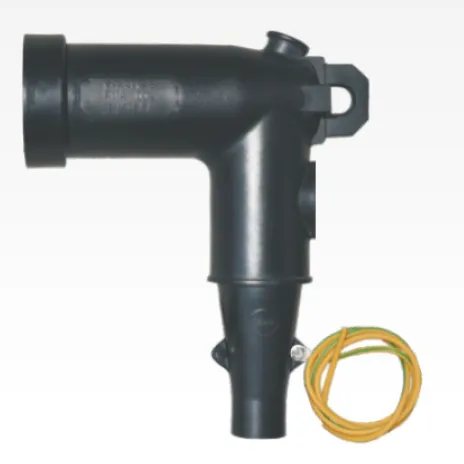
Cable terminals represent critical connection points in electrical systems, serving as the interface between cables and equipment or between different cable segments. Understanding the fundamental differences between crimped and bolted cable terminals is essential for electrical engineers, technicians, and procurement professionals making decisions about power distribution systems. These two distinct connection methods offer unique advantages and limitations that directly impact system reliability, installation efficiency, and long-term maintenance requirements.
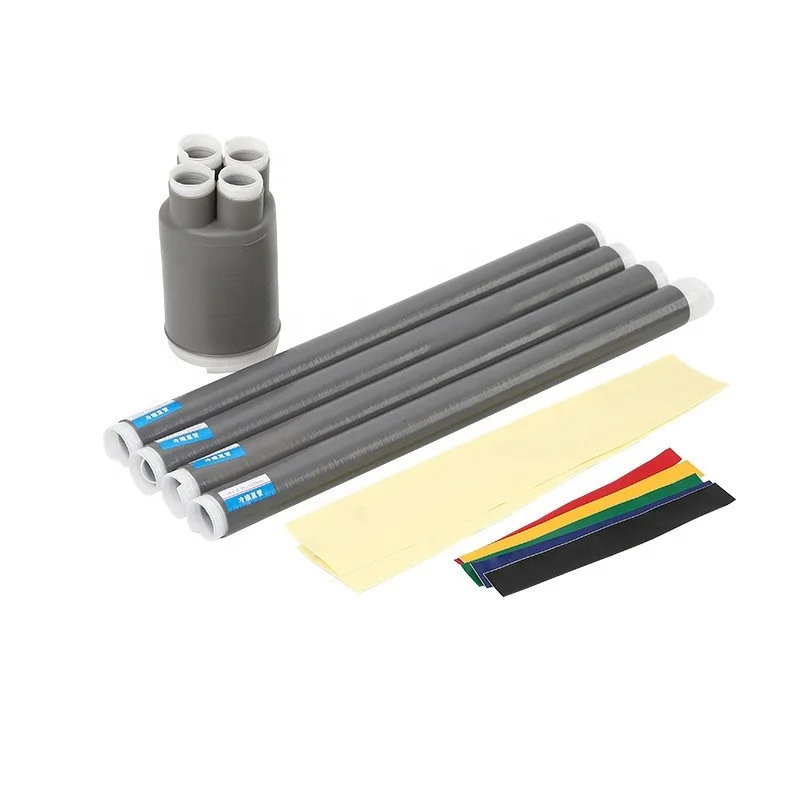
The choice between crimped and bolted cable terminals extends beyond simple preference, involving technical considerations such as current capacity, environmental conditions, installation constraints, and maintenance protocols. Each connection method employs different mechanical and electrical principles to achieve secure conductor attachment, resulting in varying performance characteristics under different operating conditions. This technical distinction becomes particularly important in industrial applications where connection reliability directly affects system uptime and safety compliance.
Fundamental Construction and Connection Principles
Crimped Cable Terminal Design
Crimped cable terminals utilize mechanical compression to create permanent connections between conductors and terminal hardware. The crimping process involves specialized tools that apply controlled pressure to deform the terminal barrel around the conductor strands, creating multiple contact points that establish both mechanical strength and electrical continuity. This deformation process work-hardens the terminal material while simultaneously displacing air and contaminants from the connection interface.
The effectiveness of crimped cable terminals depends heavily on proper tool selection, die configuration, and compression force application. Industry standards specify precise crimp dimensions and compression ratios to ensure optimal contact resistance and mechanical integrity. Quality crimped connections exhibit gas-tight seals that prevent oxidation and corrosion at the conductor-terminal interface, contributing to long-term connection stability in various environmental conditions.
Modern crimped cable terminals incorporate advanced materials and surface treatments to enhance performance characteristics. Electrolytic copper construction provides excellent conductivity, while tin plating offers corrosion resistance and improved connection reliability. The barrel design includes inspection windows or witness marks that allow technicians to verify proper conductor insertion and crimp quality during installation procedures.
Bolted Cable Terminal Configuration
Bolted cable terminals establish connections through mechanical clamping action, utilizing threaded fasteners to compress conductors against contact surfaces. This connection method allows for field adjustment of clamping force and provides removable connections that facilitate maintenance and system modifications. The bolted design typically incorporates multiple contact points distributed across the conductor cross-section, ensuring uniform current distribution and minimizing localized heating effects.
The mechanical advantage provided by threaded fasteners enables bolted cable terminals to accommodate larger conductor sizes and higher current ratings than typical crimped alternatives. Torque specifications ensure proper contact pressure while preventing over-compression that could damage conductor strands or terminal components. Many bolted designs include spring washers or belleville washers that maintain consistent contact pressure despite thermal cycling and mechanical vibration.
Bolted cable terminals often feature modular construction that allows for various conductor configurations and connection orientations. Terminal blocks and bus bar connections frequently utilize bolted attachment methods to provide flexible system architecture and simplified field wiring procedures. The removable nature of bolted connections supports system testing, troubleshooting, and component replacement without requiring specialized tools or terminal replacement.
Installation Methods and Requirements
Crimping Process and Tool Requirements
Installing crimped cable terminals requires specialized hydraulic or mechanical crimping tools designed for specific terminal sizes and conductor ranges. The crimping process begins with proper conductor preparation, including insulation stripping to precise lengths and conductor cleaning to remove oxidation or contaminants. Cable terminals must be selected to match conductor size, insulation thickness, and application requirements before beginning the crimping operation.
Quality control during crimped terminal installation involves verifying proper die selection, conductor insertion depth, and crimp compression measurements. Many crimping tools include built-in gauges or measurement systems that ensure consistent results across multiple connections. Post-installation inspection typically includes visual examination of crimp symmetry, conductor protrusion, and absence of strand damage or excessive barrel deformation.
Training requirements for crimped terminal installation emphasize proper tool maintenance, die calibration, and quality verification procedures. Crimping tools require periodic calibration to maintain specified compression forces and crimp dimensions. Documentation of tool calibration dates, operator certification, and installation records supports quality assurance programs and regulatory compliance in critical applications.
Bolted Terminal Assembly Procedures
Bolted cable terminals installation procedures focus on proper conductor preparation, hardware assembly sequence, and torque application techniques. Conductor stripping length must accommodate the terminal clamping area while ensuring adequate insulation clearance for electrical safety. Some applications require conductor end treatment such as tinning or ferrule installation to prevent strand fraying and ensure uniform contact pressure distribution.
Assembly sequence for bolted terminals typically involves positioning the conductor within the clamping mechanism, installing appropriate hardware components, and applying specified torque values using calibrated tools. Torque specifications vary based on terminal size, conductor material, and manufacturer recommendations. Under-torquing results in poor electrical contact and potential connection heating, while over-torquing can damage conductor strands or terminal components.
Field installation of bolted cable terminals offers advantages in terms of tool requirements and operator skill levels. Standard wrenches or torque drivers provide sufficient capability for most bolted terminal applications, reducing specialized tool inventory and training requirements. The reversible nature of bolted connections supports field modifications and system commissioning activities without requiring terminal replacement or conductor re-preparation.
Performance Characteristics and Electrical Properties
Current Carrying Capacity and Contact Resistance
Current carrying capacity of cable terminals depends on contact resistance, heat dissipation characteristics, and connection interface quality. Crimped terminals typically exhibit lower contact resistance due to the multiple contact points created during the compression process and the gas-tight seal that prevents oxidation. The deformation process creates intimate metal-to-metal contact across the entire conductor cross-section, minimizing resistance and associated heating effects.
Bolted cable terminals achieve current capacity through distributed contact pressure across clamping surfaces, with performance dependent on proper torque application and surface preparation. Contact resistance in bolted connections may be slightly higher than crimped alternatives due to interface irregularities and the potential for oxidation at contact surfaces. However, larger bolted terminals can accommodate higher current ratings due to increased contact area and improved heat dissipation characteristics.
Temperature rise characteristics differ between crimped and bolted terminals under load conditions. Crimped connections typically exhibit more stable temperature performance due to consistent contact pressure and minimal air gaps at the connection interface. Bolted connections may experience gradual contact pressure reduction due to thermal cycling, requiring periodic retorquing to maintain optimal performance in high-current applications.
Environmental Resistance and Durability
Environmental performance of cable terminals involves resistance to moisture, chemicals, temperature extremes, and mechanical stress. Crimped terminals provide inherent sealing characteristics through the compression process, creating barriers against moisture ingress and contaminant penetration. The permanent nature of crimped connections eliminates the potential for loosening due to vibration or thermal cycling that can affect bolted assemblies.
Bolted terminals require additional sealing measures in harsh environments, including gaskets, enclosures, or protective coatings to prevent corrosion and maintain connection integrity. The threaded interface in bolted designs can accumulate contaminants that affect torque consistency and connection reliability over time. However, the serviceable nature of bolted connections allows for inspection, cleaning, and re-torquing procedures that can extend service life in demanding applications.
Long-term durability considerations include material compatibility, galvanic corrosion potential, and maintenance accessibility. Both crimped and bolted cable terminals benefit from proper material selection and surface treatments to minimize corrosion in specific environments. However, bolted designs offer advantages in applications requiring periodic inspection or connection modification, while crimped terminals provide superior resistance to environmental degradation through permanent sealing characteristics.
Application Suitability and Selection Criteria
Industrial and Commercial Applications
Industrial applications often favor bolted cable terminals for their serviceability and ability to accommodate large conductor sizes common in motor control centers, switchgear, and distribution panels. The removable nature of bolted connections supports maintenance procedures, system modifications, and equipment replacement without extensive rewiring. Manufacturing facilities particularly benefit from bolted terminals in applications requiring frequent reconfiguration or temporary connections.
Commercial building applications typically utilize crimped cable terminals for branch circuit connections, lighting systems, and power distribution where permanent connections provide adequate functionality. The compact size and reliable performance of crimped terminals suit applications with space constraints and minimal maintenance requirements. Office buildings, retail facilities, and institutional installations commonly specify crimped terminals for their combination of reliability and cost-effectiveness.
Critical infrastructure applications require careful consideration of connection reliability, maintenance requirements, and system availability. Power generation facilities, data centers, and healthcare facilities often specify bolted terminals for main distribution connections while utilizing crimped terminals for branch circuits and control wiring. This hybrid approach balances connection reliability with maintenance accessibility and system flexibility requirements.
Environmental and Installation Constraints
Outdoor and harsh environment applications typically favor crimped cable terminals for their superior sealing characteristics and resistance to environmental degradation. Utility installations, marine applications, and industrial process environments benefit from the permanent sealing provided by proper crimping procedures. The absence of threaded components eliminates potential loosening due to thermal cycling and vibration common in outdoor installations.
Space-constrained installations often require crimped cable terminals due to their compact profile and elimination of tool access requirements for maintenance. Underground applications, cable trays, and equipment enclosures with limited clearance typically specify crimped connections for their space efficiency and installation simplicity. The permanent nature of crimped connections also reduces long-term maintenance requirements in difficult-access locations.
High-vibration environments such as industrial machinery, transportation systems, and rotating equipment installations may require special consideration of connection methods. While bolted terminals can loosen under severe vibration conditions, proper hardware selection including spring washers and locking compounds can mitigate these effects. Crimped terminals inherently resist vibration-induced loosening but may require additional strain relief measures to prevent conductor fatigue at the connection point.
Cost Analysis and Economic Considerations
Initial Installation Costs
Initial cost comparison between crimped and bolted cable terminals involves terminal pricing, tool requirements, and installation labor considerations. Crimped terminals typically have lower individual component costs but require specialized crimping tools that represent significant capital investment for organizations with limited electrical installation activities. The tool cost distribution across project volume affects the overall economics of crimped terminal selection.
Bolted cable terminals generally have higher individual component costs due to increased material content and manufacturing complexity, but utilize standard tools available in most electrical tool inventories. Installation labor costs for bolted terminals may be higher due to assembly sequence requirements and torque application procedures. However, the ability to verify and adjust connections during installation can reduce troubleshooting and rework costs.
Volume purchasing considerations affect terminal selection economics, particularly for large projects or organizations with ongoing electrical installation requirements. Crimped terminals benefit from economies of scale in both component pricing and tool amortization across multiple projects. Bolted terminals may offer advantages in applications requiring mixed conductor sizes or connection types due to their adaptability and standard tooling requirements.
Long-term Maintenance and Lifecycle Costs
Maintenance cost analysis must consider inspection requirements, connection serviceability, and replacement procedures over the system lifecycle. Crimped cable terminals typically require minimal ongoing maintenance but necessitate complete replacement if connection problems develop. The permanent nature of crimped connections eliminates routine retorquing requirements but may increase replacement costs if system modifications become necessary.
Bolted terminals support preventive maintenance programs including periodic inspection, retorquing, and cleaning procedures that can extend connection life and prevent catastrophic failures. The initial investment in accessible bolted connections may provide long-term savings through reduced downtime and system availability improvements. However, maintenance labor costs and the potential for human error during maintenance procedures must be factored into lifecycle cost calculations.
System modification and expansion costs differ significantly between crimped and bolted terminal installations. Bolted connections accommodate conductor changes, system reconfigurations, and equipment upgrades with minimal material replacement costs. Crimped terminals require complete replacement for any system changes, potentially increasing material and labor costs for system modifications. The anticipated frequency of system changes should influence terminal selection decisions in dynamic industrial environments.
FAQ
Can crimped cable terminals be reused after removal?
No, crimped cable terminals cannot be reused after removal because the crimping process permanently deforms the terminal barrel around the conductor. Attempting to remove a crimped terminal typically damages both the terminal and conductor strands, compromising connection integrity and safety. Any system modification requiring conductor changes necessitates installing new crimped terminals with proper preparation and crimping procedures.
Which terminal type provides better electrical conductivity?
Properly installed crimped cable terminals typically provide slightly better electrical conductivity due to the intimate metal-to-metal contact created during compression and the gas-tight seal that prevents oxidation. However, high-quality bolted terminals with proper torque application and surface preparation can achieve comparable conductivity performance. The difference in practical applications is often negligible when both connection types are installed according to manufacturer specifications.
How often should bolted cable terminals be inspected and retorqued?
Bolted cable terminals should be inspected annually in most applications, with retorquing performed if torque values have decreased below manufacturer specifications. High-vibration or high-temperature environments may require more frequent inspection intervals, potentially every six months. Critical applications such as emergency systems or life safety circuits may warrant quarterly inspections to ensure continued reliability and compliance with safety standards.
Are there size limitations for each terminal type?
Crimped cable terminals are typically available for conductor sizes up to 1000 MCM, though larger sizes exist for specialized applications. Bolted terminals can accommodate much larger conductor sizes, often exceeding 2000 MCM, due to their mechanical clamping design and ability to distribute contact pressure across larger areas. For very large conductor installations, bolted terminals often provide the only practical connection solution while maintaining reasonable installation tool requirements.