
 EN
EN
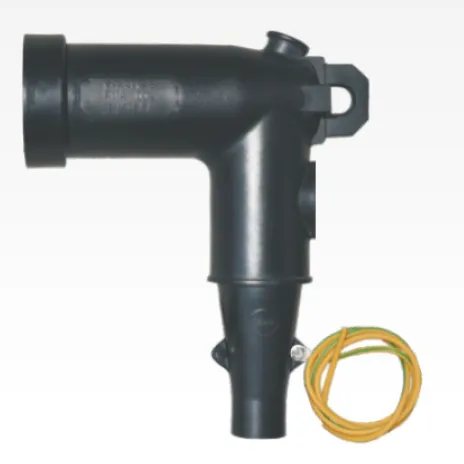
ہیٹ کیبل ایکسیسوریز اور کولڈ کیبل متبادل کے درمیان انتخاب بجلی کی بنیادی ڈھانچہ منصوبہ بندی میں ایک اہم فیصلہ ہے۔ ہیٹ کیبل ایکسیسوریز دہائیوں سے بجلائی انسٹالیشنز میں غالب رہی ہیں، جو عزل کو سکڑانے اور سیلنگ کے لیے حرارتی فعال ہونے کے عمل پر انحصار کرتی ہیں۔ تاہم، کولڈ کیبل متبادل اس روایتی طریقہ کو چیلنج کر رہے ہیں کیونکہ وہ انسٹالیشن کے فوائد فراہم کرتے ہیں جو حرارت کے ذرائع کی ضرورت کو ختم کر دیتے ہیں جبکہ بجلائی کارکردگی کے معیارات کو برقرار رکھتے ہیں۔
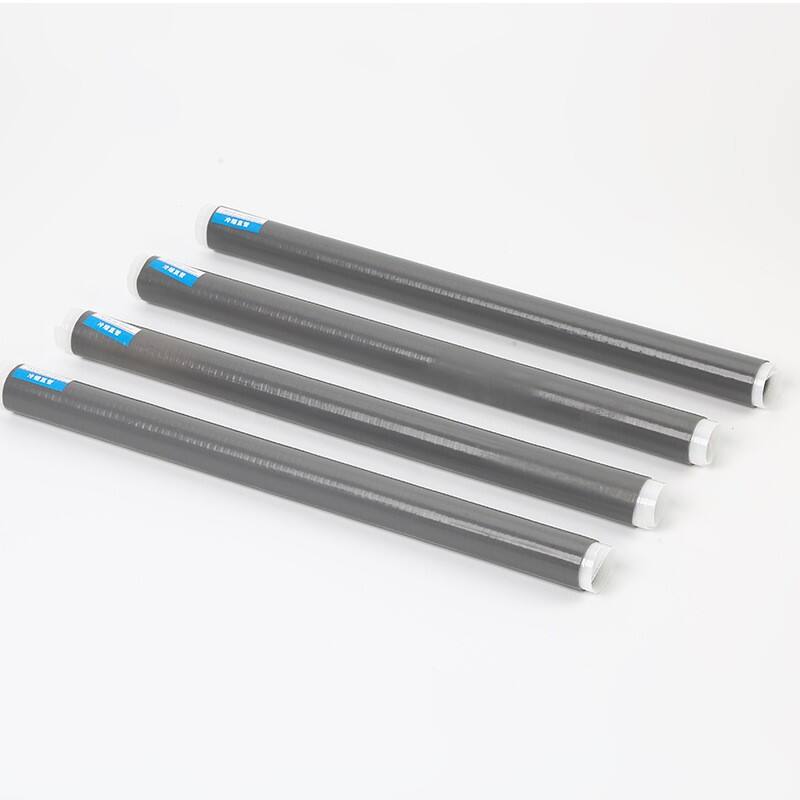
ان دو طریقوں کے بنیادی فرق کو سمجھنے کے لیے ان کی انسٹالیشن کی ضروریات، عملکرد کی خصوصیات، اور طویل مدتی قابل اعتمادی کے عوامل کا جائزہ لینا ضروری ہے۔ جبکہ حرارتی کیبل ایکسیسوریز کی انسٹالیشن کے دوران ماہرانہ سامان اور ماحولیاتی حالات کے مخصوص کنٹرول کی ضرورت ہوتی ہے، تو سرد کیبل کے متبادل طریقے مکینیکل کمپریشن یا ایلاسٹومیرک مواد کا استعمال کرتے ہیں جو حرارتی عمل کے بغیر مناسب سیلنگ حاصل کرتے ہیں۔ یہ موازنہ خاص طور پر تب اہم ہو جاتا ہے جب مختلف بجلی کے استعمال کے تناظر میں انسٹالیشن کے ماحول، روزانہ کی دیکھ بھال کا شیڈول، اور مجموعی مالکیت کی لاگت کو مدنظر رکھا جا رہا ہو۔
انسٹالیشن کے عمل کے فرق
حرارت کے درجہ حرارت کی ضروریات
گرمی کی کیبل ایکسیسوریز کو مناسب سکڑنے اور سیلنگ حاصل کرنے کے لیے انسٹالیشن کے دوران درست درجہ حرارت کے کنٹرول کی ضرورت ہوتی ہے۔ پیشہ ورانہ انسٹالر کو مخصوص درجہ حرارت کی حد تک پہنچنے کے لیے ہیٹ گنز یا ٹارچز کا استعمال کرنا ہوتا ہے، جو عام طور پر ایکسیسوری کی قسم کے مطابق 120°C سے 200°C کے درمیان ہوتی ہے۔ اس حرارتی فعال کرنے کے عمل کے لیے ماہر ٹیکنیشنز کی ضرورت ہوتی ہے جو حرارت کے تقسیم کے نمونوں کو سمجھتے ہوں اور تمام ایکسیسوری سطح پر مستقل درجہ حرارت برقرار رکھ سکیں۔ انسٹالیشن کا ماحول کنٹرول کیا جانا چاہیے تاکہ تیزی سے ٹھنڈا ہونے سے روکا جا سکے جو سکڑنے کے عمل کو متاثر کر سکتا ہے۔
موسمی حالات گرمائی کیبل ایکسیسوریز کی تنصیب کے شیڈول پر بہت زیادہ اثر انداز ہوتے ہیں۔ ہوا، بارش یا کم ماحولیاتی درجہ حرارت مناسب گرمائی کو متاثر کر سکتے ہیں، جس کی وجہ سے اضافی تحفظی اقدامات یا تنصیب میں تاخیر کی ضرورت پڑ سکتی ہے۔ پورٹیبل گرمائی کے آلات کی ضرورت بھی لاگستک کی پیچیدگی کو بڑھا دیتی ہے، خاص طور پر دور دراز مقامات پر جہاں بجلی کے ذرائع محدود ہو سکتے ہیں۔ تنصیب کرنے والی ٹیمیں کھلی لپٹ یا اونچے درجہ حرارت کے آلات کے ساتھ کام کرتے وقت لمبے وقت کے سیٹ اپ اور اضافی حفاظتی دستورالعمل کو بھی مدنظر رکھنے کی ضرورت ہوتی ہے۔
گرمی کے اطلاق کے دوران معیار کا کنٹرول طویل مدتی کارکردگی کے لیے نازک اہمیت کا حامل ہوتا ہے۔ کم گرمی کے اطلاق کے نتیجے میں مکمل انقباض نہ ہونا اور ممکنہ سیل کی ناکامیاں پیدا ہو سکتی ہیں، جبکہ زیادہ گرمی سے ایکسیسوری مواد یا کیبل کی ذیلی عزل کو نقصان پہنچ سکتا ہے۔ پیشہ ورانہ انسٹالر کو درجہ حرارت کی سطح اور انقباض کی پیش رفت کو مسلسل نگرانی میں رکھنا ہوتا ہے، اور کیبل کی پیچیدہ ہندسیات پر یکساں اطلاق کو یقینی بنانے کے لیے حقیقی وقت میں ایڈجسٹمنٹس کرنا ہوتی ہیں۔
سرد تنصیب کا طریقہ کار
سرد کیبل کے متبادل، حرارتی ضروریات کو مکینیکل یا کیمیائی بانڈنگ کے عمل کے ذریعے ختم کردیتے ہیں جو محض ا ambient درجہ حرارت پر فعال ہوتے ہیں۔ یہ ایکسیسوریز عام طور پر پہلے سے تناؤ والی لچکدار مواد، کمپریشن فٹ ڈیزائن یا چپکنے والے نظام استعمال کرتی ہیں جو بیرونی حرارت کے ذریعے بغیر مؤثر سیل پیدا کرتی ہیں۔ انسٹالیشن ٹیمیں موسمی حالات کی پرواہ کیے بغیر موثر طریقے سے کام کر سکتی ہیں، جس سے منصوبوں کی تاخیر کم ہوتی ہے اور سال بھر میں انسٹالیشن کے قابل وقت کا دائرہ وسیع ہوجاتا ہے۔
سرد کیبل کے متبادل کے لیے سادہ ٹول کی ضروریات سے آلات کی لاگت اور تربیت کی پیچیدگی دونوں کم ہوجاتی ہیں۔ معیاری ہاتھ کے آلات، ہائیڈرولک کریمپرز یا سادہ کمپریشن آلات، خاص حرارتی آلات کی جگہ لے لیتے ہیں، جس سے مختلف سطحوں کے ٹیکنیشنز کے لیے انسٹالیشن کو زیادہ قابل رسائی بنایا جاسکتا ہے۔ اس آلات کی سادگی سے دور دراز مقامات پر آلات کی ناکامی کا خطرہ بھی کم ہوجاتا ہے جہاں بدلنے کے لیے حرارتی آلات فوری طور پر دستیاب نہیں ہوسکتیں۔
انسٹالیشن کی رفتار کے فوائد تب واضح ہوتے ہیں جب سرد کیبل کے متبادل حلز کو روایتی حرارتی عمل کے مقابلے میں دیکھا جاتا ہے۔ حرارت کے اضافے اور ختم ہونے کے دورانیوں کے بغیر، ٹیکنیشین ایکسلری انستالیشنز کو زیادہ تیزی سے مکمل کر سکتے ہیں، جس سے روزانہ پیداوار میں اضافہ ہوتا ہے اور لیبر کے اخراجات کم ہوتے ہیں۔ مستقل انسٹالیشن کا عمل مختلف ٹیکنیشین ٹیموں کے درمیان تفاوت کو بھی کم کرتا ہے، جس سے منصوبے کے مجموعی معیار کے کنٹرول میں بہتری آتی ہے۔
کارکردگی اور مسلکیت کے عوامل
برقی کارکردگی کے معیارات
دونوں گرمی کیبل کے سامان اور سرد متبادل حلز کو عزل کی مزاحمت، ڈائی الیکٹرک طاقت اور کورونا شروع ہونے والے وولٹیج کے لحاظ سے برقی کارکردگی کے بالکل وہی معیارات پورے کرنے ہوتے ہیں۔ لیبارٹری کے ٹیسٹوں سے ثابت ہوتا ہے کہ مناسب طریقے سے انسٹال کردہ سرد کیبل کے متبادل حلز اپنے حرارت سے سکڑنے والے ہم منصب کے مقابلے میں قابلِ موازنہ برقی خصوصیات حاصل کرتے ہیں۔ کلیدی کارکردگی کا فرق میدانی انسٹالیشن کی یکسانیت میں ہے، نہ کہ مواد کی ذاتی برقی خصوصیات میں۔
ولٹیج ریٹنگ کی صلاحیتیں گرم اور سرد کیبل ایکسیسوریز کے درمیان ایک جیسی رہتی ہیں جب انہیں ایک ہی درخواست کی خصوصیات کے لیے ڈیزائن کیا جائے۔ دونوں ٹیکنالوجیاں 1kV سے لے کر 500kV سے زیادہ ٹرانسمیشن لیولز تک تقسیم کی ولٹیجز کو سنبھال سکتی ہیں، جہاں عملکرد مواد کے انتخاب اور ڈیزائن انجینئرنگ پر منحصر ہوتا ہے نہ کہ فعال کرنے کے طریقے پر۔ معیاری حالات میں ٹیسٹ کرنے پر دونوں ایکسیسوری اقسام کے درمیان ماحولیاتی تناؤ کے ذریعہ دراڑوں کی روک تھام کی صلاحیت اور ٹریکنگ کا عملکرد ایک جیسا ہوتا ہے۔
خرابی کرنٹ کو سنبھالنے کی صلاحیتیں مجموعی ایکسیسوری ڈیزائن اور مواد کی حرارتی حدود پر منحصر ہوتی ہیں نہ کہ انسٹالیشن کے طریقے پر۔ گرم کیبل ایکسیسوریز اور سرد متبادل ایکسیسوریز دونوں ایک جیسی درخواستوں کے لیے ڈیزائن کرنے پر مختصر سرکٹ کرنٹ کی درجہ بندی میں ایک جیسے نتائج دکھاتے ہیں۔ بجلی کے عملکرد کو متاثر کرنے والی اہم ترین بات انسٹالیشن کی معیار ہوتی ہے، جہاں سرد متبادل ایکسیسوریز اکثر انسٹالیشن کی غیر یکسانی کے کم ہونے کی وجہ سے زیادہ مستقل نتائج ظاہر کرتے ہیں۔
طویل مدت تک قابل اعتمادیت کے بارے میں غور
گرمی والے کیبل ایکسیسوریز اور سرد متبادل ایکسیسوریز کی عمر بڑھنے کی خصوصیات ان کی مواد کی تشکیل اور تناؤ کو کم کرنے کے طریقوں کے مطابق مختلف ہوتی ہیں۔ حرارت سے منقبض ہونے والے مواد کا تناؤ وقتاً فوقتاً آہستہ آہستہ کم ہو سکتا ہے، جبکہ سرد کیبل متبادل اکثر ایسے مواد کا استعمال کرتے ہیں جو طویل مدتی لچک برقرار رکھنے کے لیے ڈیزائن کیے گئے ہوتے ہیں۔ دہائیوں تک فیلڈ کے تجربے سے حاصل ہونے والے قابل اعتماد ڈیٹا دونوں اقسام کے ایکسیسوریز کے لیے مرمت کے شیڈول اور تبدیلی کے منصوبوں کو متاثر کرتے ہیں۔
ماحولیاتی مزاحمت تنصیب کے طریقوں کے درمیان مختلف ہوتی ہے، سرد کیبل کے متبادل اکثر سخت کیمیکل یا UV نمائش کے حالات میں بہتر کارکردگی دکھاتے ہیں۔ تنصیب کے دوران تھرمل تناؤ کی غیر موجودگی مادی خصوصیات کو محفوظ رکھ سکتی ہے جو ضرورت سے زیادہ گرمی کے استعمال سے انحطاط ہوسکتی ہے۔ تاہم، ہیٹ کیبل کے لوازمات تھرمل سکڑنے کے ذریعہ فراہم کردہ تناؤ سے نجات سے فائدہ اٹھاتے ہیں، جو زیادہ کمپن والے ماحول میں طویل مدتی مکینیکل استحکام کو بہتر بنا سکتے ہیں۔
دیکھ بھال تک رسائی دونوں طریقوں کے درمیان قابلِ ذکر طور پر مختلف ہوتی ہے۔ حرارتی کیبل ایکسیسوریز کو عام طور پر سروس کی ضرورت پڑنے پر مکمل طور پر تبدیل کرنے کی ضرورت ہوتی ہے، جبکہ کچھ سرد کیبل کے متبادل حلز میں معائنہ یا اجزاء کی تبدیلی ممکن ہوتی ہے بغیر کہ پورے نظام کو ہٹایا جائے۔ یہ دیکھ بھال کی آسانی کا فائدہ طویل المدتی دیکھ بھال کے اخراجات کو کم کر سکتا ہے اور روزانہ کے معائنے یا اپ گریڈ کے دوران نظام کے غیر فعال ہونے کے وقت کو کم سے کم کر سکتا ہے۔
لاگت کا تجزیہ اور معاشی عوامل
ابتدائی سرمایہ کاری کی ضروریات
حرارتی کیبل ایکسیسوریز اور سرد متبادل حلز کے درمیان مواد کی لاگت عام طور پر سرد اختیارات کو فائدہ پہنچاتی ہے، کیونکہ ان کی تیاری کے عمل سادہ ہوتے ہیں اور مواد کی پیچیدگی کم ہوتی ہے۔ تاہم، کل ابتدائی سرمایہ کاری میں انسٹالیشن کے آلات، تربیت کی ضروریات، اور منصوبے کے شیڈولنگ کے عوامل کو بھی شامل کرنا ہوگا جو کل سرمایہ کاری پر اثر انداز ہوتے ہیں۔ سرد کیبل کے متبادل حلز کو عام طور پر خاص انسٹالیشن آلات میں کم ابتدائی سرمایہ کی ضرورت ہوتی ہے، جس کی وجہ سے یہ آلات کے بجٹ میں محدود تنظیموں کے لیے پرکشش ہوتے ہیں۔
دو نمونوں کے درمیان تربیتی اخراجات میں بہت زیادہ فرق ہوتا ہے، جس میں حرارتی کیبل ایکسیسوریز کے لیے ٹیکنیشن کی وسیع تر سرٹیفیکیشن اور مستقل مہارتوں کی دیکھ بھال کی ضرورت ہوتی ہے۔ سرد انسٹالیشن کی تکنیکوں کو زیادہ جلدی سیکھا جا سکتا ہے، جس سے تربیت کا وقت اور اس سے منسلک اخراجات کم ہو جاتے ہیں۔ یہ تربیتی فائدہ خاص طور پر ان اداروں کے لیے قیمتی ثابت ہوتا ہے جو باقاعدہ انسٹالیشن کے عملے کو برقرار رکھنے کے بجائے کبھی کبھار کیبل انسٹالیشن کرتے ہیں۔
سرد کیبل کے متبادل حل جو منصوبہ شیڈولنگ کی لچک فراہم کرتے ہیں، موسمی تاخیر اور تیز انسٹالیشن کے دوران نمایاں لاگت کی بچت کا باعث بن سکتے ہیں۔ نامساعد حالات میں بھی انسٹالیشن کی معیار کو متاثر کیے بغیر کام کرنے کی صلاحیت منصوبہ کے اوقات کو زیادہ سخت بنانے اور احتیاطی منصوبہ بندی کو کم کرنے کی اجازت دیتی ہے۔ یہ شیڈولنگ کے فوائد اکثر حرارتی اور سرد ایکسیسوریز کے درمیان مواد کی لاگت کے فرق کو بھی پُورا کر دیتے ہیں۔
آپریٹنگ لاگت کے اثرات
دیگر گرمی کی کیبل ایکسیسوریز اور سرد متبادل کے درمیان دیکھ بھال کی ضروریات ان کے ڈیزائن فلسفے اور ناکامی کے طریقوں کی بنیاد پر مختلف ہوتی ہیں۔ حرارت سے سکڑنے والی ایکسیسوریز عام طور پر مناسب طریقے سے انسٹال ہونے کے بعد کم دیکھ بھال کے ساتھ قابل اعتماد سروس فراہم کرتی ہیں، لیکن ناکامی کی صورت میں عام طور پر مکمل تبدیلی کی ضرورت ہوتی ہے۔ سرد کیبل کے متبادل دیکھ بھال کے زیادہ جزئی اختیارات فراہم کر سکتے ہیں لیکن ان کے ڈیزائن اور ماحولیاتی عوامل کے مطابق ان کا معائنہ زیادہ بار بار کرنے کی ضرورت ہو سکتی ہے۔
انسٹالیشن کے دوران توانائی کے اخراج کے حساب سے سرد کیبل کے متبادل کو ترجیح دی جاتی ہے کیونکہ گرم کرنے والے آلات کے بجلی کے استعمال کو ختم کر دیا جاتا ہے۔ اگرچہ ایک انسٹالیشن کے دوران توانائی کے اخراج کی لاگت معمولی محسوس ہو سکتی ہے، لیکن بڑے پیمانے پر منصوبوں میں گرم کرنے والے آلات کے لیے جنریٹر کے ایندھن کے استعمال میں کمی یا بجلی کی سروس کی ضرورت کو ختم کرنے سے قابلِ ذکر بچت حاصل ہو سکتی ہے۔ یہ توانائی کی بچت دور دراز مقامات پر انسٹالیشن کے دوران مزید اہم ہو جاتی ہے جہاں بجلی کی پیداوار کی لاگت زیادہ ہوتی ہے۔
انوینٹری مینجمنٹ کے اخراجات دونوں ایکسیسوری اقسام کے درمیان شیلف لائف اور اسٹوریج کی ضروریات کی بنیاد پر مختلف ہوتے ہیں۔ ہیٹ کیبل ایکسیسوریز کی عام طور پر لمبی شیلف لائف ہوتی ہے اور ان کی اسٹوریج کی ضروریات بہت کم ہوتی ہیں، جبکہ کچھ کولڈ متبادل ایکسیسوریز کی اسٹوریج کی عمر محدود ہو سکتی ہے یا انہیں خاص اسٹوریج کی حالتوں کی ضرورت ہو سکتی ہے۔ اداروں کو اپنے کل لاگت کے تجزیے میں ان انوینٹری کے عوامل کو ضرور شامل کرنا چاہیے، خاص طور پر ایمرجنسی اسپیئر اسٹاک کی ضروریات کے لیے۔
فروغ کے مطابق غرضوں کی ملاحظات
ماحولیاتی موزوں پن
انتہائی درجہ حرارت کے ماحول میں ہیٹ کیبل ایکسیسوریز اور کولڈ متبادل ایکسیسوریز کے لیے مختلف چیلنجز پیدا ہوتے ہیں۔ اونچے ماحولیاتی درجہ حرارت کی وجہ سے ہیٹ کیبل کی انسٹالیشن مشکل ہو سکتی ہے کیونکہ درجہ حرارت کو کنٹرول کرنا مشکل ہو جاتا ہے، جبکہ انتہائی کم درجہ حرارت میں کولڈ متبادل ایکسیسوریز کی کارکردگی متاثر ہو سکتی ہے جہاں الیسٹومیرک مواد کی لچک کم ہو جاتی ہے۔ ٹیکنالوجیوں کے درمیان انتخاب اکثر انسٹالیشن اور سروس لائف کے دوران متوقع درجہ حرارت کی حد پر منحصر ہوتا ہے۔
نمی اور نمگی کی حالات دونوں قسم کے ایکسیسوریز پر اثر انداز ہوتی ہیں، لیکن مختلف طریقوں سے۔ حرارتی کیبل ایکسیسوریز کو گرم کرنے کے عمل کے دوران مکمل طور پر نمی کو خارج کرنا ضروری ہوتا ہے تاکہ بھاپ کے تشکیل پانے اور مواد کے تباہ ہونے کو روکا جا سکے۔ سرد کیبل کے متبادل انسٹالیشن کے دوران نمی کے لیے زیادہ روادار ہو سکتے ہیں، لیکن ان کے لیے مختلف سیلنگ کے طریقے درکار ہوتے ہیں جن کا جائزہ اعلیٰ نمگی والے ماحول میں لمبے عرصے تک مؤثر ہونے کی صلاحیت کے لحاظ سے لینا ضروری ہے۔
کیمیائی عرضی کے تناظر میں غور کی جانے والی باتیں انسٹالیشن کے طریقوں اور مواد کے انتخاب کے درمیان کافی حد تک مختلف ہوتی ہیں۔ سرد کیبل کے متبادل اکثر مختلف پولیمر سسٹمز کا استعمال کرتے ہیں جو روایتی حرارتی سکرینک مواد کے مقابلے میں مخصوص کیمیائی ادویات کے لیے بہتر مقاومت فراہم کر سکتے ہیں۔ تاہم، حرارتی کیبل ایکسیسوریز کو مختلف کیمیائی ماحول میں ثابت شدہ میدانی تجربے کا فائدہ حاصل ہوتا ہے، جو لمبے عرصے تک کارکردگی کی پیش گوئیوں میں اعتماد فراہم کرتا ہے۔
انسٹالیشن کی جگہ کے عوامل
زیر زمین انسٹالیشنز گرمی پیدا کرنے والے آلات سے متعلق جگہ کی کمی اور تهویہ کے معاملات کی وجہ سے سرد کیبل کے متبادل کو ترجیح دیتی ہیں۔ جنگلی جگہوں میں حرارت کے ذرائع کے بغیر ایکسیسوریز کو انسٹال کرنے کی صلاحیت زیر زمین خانوں یا سرنگوں میں حفاظتی خطرات کو کم کرتی ہے اور لاگستک کو آسان بناتی ہے۔ گرمی پیدا کرنے والی کیبل ایکسیسوریز کو محفوظ طریقے سے کام کرنے کے لیے مناسب تهویہ اور صاف جگہ کی ضرورت ہوتی ہے، جو تمام زیر زمین مقامات پر دستیاب نہیں ہو سکتی۔
ہوا میں انسٹالیشنز مختلف عوامل کو مدِنظر رکھتی ہیں جہاں گرمی پیدا کرنے والی کیبل ایکسیسوریز کچھ درخواستوں میں تناؤ سے نمٹنے کی خصوصیات اور مکینیکل تناؤ کے ماحول میں ان کے ثابت شدہ کارکردگی کی بنا پر فائدہ مند ہو سکتی ہیں۔ تاہم، سرد کیبل کے متبادل بلندی پر گرمی پیدا کرنے والے آلات کے استعمال سے متعلق حفاظتی خطرات کو ختم کر دیتے ہیں، جس سے گرنے کے خطرات کم ہو جاتے ہیں اور ہوا میں کام کرنے کے طریقوں کو آسان بنایا جاتا ہے۔
صنعتی سہولیات کی انسٹالیشنز کو آگ کی حفاظت کے قوانین اور گرم کیبل کے متبادل کے استعمال کو ترجیح دینے والی گرم کام کی اجازت نامہ کی ضروریات کو مدنظر رکھنا چاہیے، جو بہت سی صورتوں میں سرد کیبل کے متبادل کو ترجیح دیتی ہیں۔ کھلی لپٹ یا اونچے درجہ حرارت کے آلات کو ختم کرنا اجازت نامہ کی پیچیدگی کو کم کرتا ہے اور انسٹالیشن کے کام کو حساس علاقوں میں جاری رکھنے کی اجازت دیتا ہے جہاں گرم کام کی اجازت نہیں ہو سکتی۔ یہ تنظیمی فائدہ صنعتی ماحول میں منصوبہ جات کے شیڈول اور لاگت پر کافی حد تک اثر انداز ہو سکتا ہے۔
فیک کی بات
گرم کیبل کے ایکسیسوریز اور سرد متبادل کے درمیان اہم حفاظتی فرق کیا ہیں؟
گرمی کی کیبل ایکسیسوریز کے لیے اعلیٰ درجہ حرارت کے آلات کے لیے مخصوص حفاظتی طریقہ کار کی ضرورت ہوتی ہے، جس میں آگ بجھانے والے آلے کی دستیابی، تهویہ کی ضروریات، اور صنعتی مقامات پر گرم کام کی اجازت ناموں کا حصول شامل ہے۔ سرد کیبل کے متبادل ان حرارتی حفاظتی خدشات کو ختم کر دیتے ہیں، لیکن ان کے لیے مختلف مواد کے ساتھ سلوک کی ضروریات ہو سکتی ہیں، جیسے انسٹالیشن کے دوران سوراخ یا کٹاؤ سے بچنا۔ دونوں طریقوں کے لیے مناسب بجلائی حفاظتی طریقہ کار کی ضرورت ہوتی ہے، لیکن سرد انسٹالیشن کے دوران حفاظتی متغیرات کا انتظام عام طور پر کم ہوتا ہے۔
گرم اور سرد کیبل ایکسیسوریز کی انسٹالیشن کا وقت ایک دوسرے کے مقابلے میں کیسا ہوتا ہے؟
سرد کیبل متبادل عام طور پر حرارتی کیبل ایکسیسوریز کے مقابلے میں تیزی سے انسٹال ہوتے ہیں، کیونکہ ان میں گرم ہونے اور ٹھنڈا ہونے کے سائیکلز کو ختم کر دیا جاتا ہے۔ سرد ایکسیسوریز کے ساتھ ایک عام جوائنٹ انسٹالیشن حرارت سِکرینک انسٹالیشن کے مقابلے میں 20-30 فیصد تیزی سے مکمل کی جا سکتی ہے، اور منفی موسمی حالات میں تو وقت کی بچت اور بھی زیادہ ہوتی ہے۔ تاہم، درحقیقت وقت کا فرق ایکسیسوری کی پیچیدگی، ٹیکنیشن کے تجربے اور ان خاص انسٹالیشن کی حالات پر منحصر ہوتا ہے جو دونوں ٹیکنالوجیوں کو متاثر کر سکتی ہیں۔
کون سا آپشن سخت ماحول میں بہتر طویل المدتی قابل اعتمادی فراہم کرتا ہے؟
طویل المدت قابلیتِ اعتماد زیادہ تر مناسب انسٹالیشن اور مواد کے انتخاب پر منحصر ہوتی ہے، نہ کہ فعال کرنے کے طریقے پر۔ حرارتی کیبل کے ایکسیسوریز کا میدانی استعمال دہائیوں سے ثابت شدہ ہے، لیکن انہیں بہترین نتائج حاصل کرنے کے لیے درست انسٹالیشن کی تکنیک کی ضرورت ہوتی ہے۔ سرد کیبل کے متبادل انسٹالیشن کی معیار میں زیادہ مستقلی فراہم کر سکتے ہیں، لیکن کچھ درجوں میں ان کا میدانی تجربہ مختصر ہے۔ دونوں ٹیکنالوجیاں اگر انہیں صنعت کار کی ہدایات کے مطابق مناسب طریقے سے مخصوص اور انسٹال کیا جائے تو طویل المدت قابلیتِ اعتماد فراہم کر سکتی ہیں۔
کیا وولٹیج کی حدود ہیں جو ایک ٹیکنالوجی کو دوسری کے مقابلے میں ترجیح دیتی ہیں؟
گرمی کی کیبل ایکسیسوریز اور سرد متبادل دونوں معیاری تقسیم اور ٹرانسمیشن وولٹیج کے تمام درجوں کے لیے دستیاب ہیں۔ وولٹیج ریٹنگ علاقوں کی تنصیب کے ڈیزائن اور مواد کے انتخاب پر منحصر ہوتی ہے، نہ کہ فعال کرنے کے طریقے پر۔ کچھ خاص اعلیٰ وولٹیج کے استعمالات میں ثابت شدہ میدانی تجربے کی بنیاد پر ترجیحات ہو سکتی ہیں، لیکن جب دونوں ٹیکنالوجیاں مخصوص استعمال کے معاملے کے لیے مناسب طریقے سے انجینئر کی گئی ہوں تو وہ کم وولٹیج سے لے کر انتہائی اعلیٰ وولٹیج کے اطلاقات تک برقی ضروریات کو پورا کر سکتی ہیں۔
موضوعات کی فہرست
- انسٹالیشن کے عمل کے فرق
- کارکردگی اور مسلکیت کے عوامل
- لاگت کا تجزیہ اور معاشی عوامل
- فروغ کے مطابق غرضوں کی ملاحظات
-
فیک کی بات
- گرم کیبل کے ایکسیسوریز اور سرد متبادل کے درمیان اہم حفاظتی فرق کیا ہیں؟
- گرم اور سرد کیبل ایکسیسوریز کی انسٹالیشن کا وقت ایک دوسرے کے مقابلے میں کیسا ہوتا ہے؟
- کون سا آپشن سخت ماحول میں بہتر طویل المدتی قابل اعتمادی فراہم کرتا ہے؟
- کیا وولٹیج کی حدود ہیں جو ایک ٹیکنالوجی کو دوسری کے مقابلے میں ترجیح دیتی ہیں؟