
 EN
EN
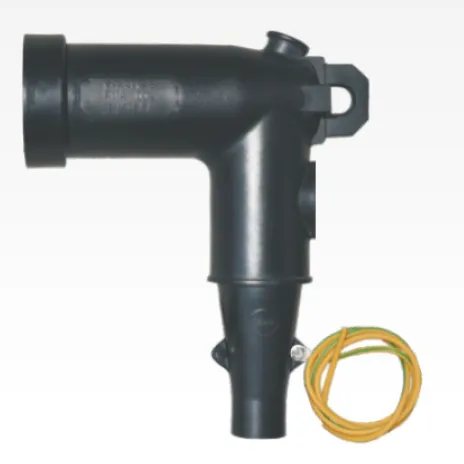
Cable terminals serve as the critical junction points where electrical conductors meet equipment, creating the foundation for every reliable power system. These specialized components transform loose wire ends into secure, standardized connections that can withstand environmental stresses, electrical loads, and mechanical forces while maintaining consistent conductivity over extended periods.
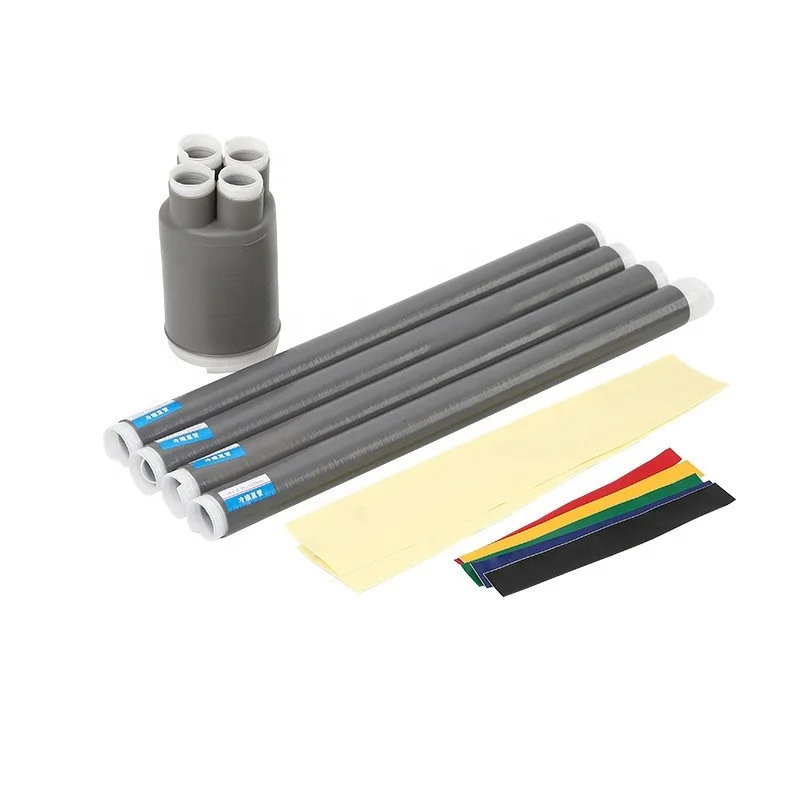
Understanding how cable terminals achieve stable electrical connections requires examining their construction principles, material properties, and installation mechanisms that work together to eliminate common failure modes like oxidation, thermal cycling damage, and mechanical loosening that plague inferior connection methods.
Physical Connection Mechanisms in Cable Terminals
Crimping Technology and Conductor Compression
Cable terminals establish secure connections through controlled deformation that creates intimate metal-to-metal contact between the conductor and terminal body. The crimping process applies precise compression forces that eliminate air gaps and micro-voids where corrosion could initiate, while simultaneously increasing the contact surface area to reduce electrical resistance.
Professional-grade cable terminals utilize hexagonal or B-die crimping profiles that distribute compression forces evenly across the conductor cross-section. This controlled deformation permanently bonds the conductor strands to the terminal barrel without creating stress concentrations that could lead to fatigue failures during thermal cycling or mechanical vibration.
The compression process also work-hardens the copper conductor material at the connection interface, creating a mechanically robust joint that maintains contact pressure even when subjected to temperature variations that would otherwise cause thermal expansion and contraction cycles.
Material Interface Engineering
High-quality cable terminals incorporate tin-plating or other protective coatings that prevent oxidation at the conductor interface while maintaining excellent electrical conductivity. These surface treatments create a barrier against moisture infiltration and chemical contamination that would otherwise degrade connection integrity over time.
The terminal barrel material selection directly impacts connection stability, with electrolytic copper providing optimal conductivity while maintaining sufficient mechanical strength for reliable crimping. Some specialized cable terminals incorporate bimetallic construction to accommodate different conductor materials while preventing galvanic corrosion at dissimilar metal interfaces.
Advanced terminal designs include internal inspection windows or transparent sleeves that allow verification of proper conductor insertion depth, ensuring that the crimping process creates the intended compression zone for maximum connection reliability.
Environmental Protection Systems
Moisture and Contamination Barriers
Cable terminals employ multiple barrier systems to prevent moisture ingress that could compromise connection integrity through electrochemical corrosion or tracking failures. Heat-shrinkable sleeves with adhesive liners create hermetic seals around the conductor entry point, while maintaining flexibility during thermal cycling.
Cold-shrink technology offers superior environmental protection by eliminating the heat application requirement that could potentially damage sensitive cable insulation systems. These pre-expanded elastomeric sleeves provide consistent radial pressure and conform to irregular surface contours without creating potential leak paths.
Specialized cable terminals for harsh environments incorporate additional protection features such as corrosion-resistant hardware, UV-stable outer jackets, and enhanced sealing systems that maintain performance in salt spray, chemical exposure, or extreme temperature conditions.
Stress Relief and Mechanical Protection
Effective cable terminals include stress relief features that prevent mechanical forces from concentrating at the conductor connection point, where repeated flexing could cause fatigue failures or conductor strand breakage. Boot designs distribute bending loads over extended lengths to minimize stress concentrations.
The transition zone between the rigid terminal body and flexible cable requires careful engineering to prevent sharp bending radii that could damage conductor strands or compromise insulation integrity. Graduated stiffness transitions use tapered designs or flexible materials to create smooth load transfer paths.
Cable terminals must also accommodate differential thermal expansion between the conductor, terminal body, and connected equipment without creating mechanical stress that could loosen connections or damage insulation systems during normal operating temperature variations.
Electrical Performance Optimization
Contact Resistance Minimization
Stable electrical connections require minimal and consistent contact resistance that remains constant throughout the terminal's service life. Cable terminals achieve this through controlled contact pressure that maintains intimate metal-to-metal contact despite thermal cycling, vibration, and aging effects that could otherwise increase resistance.
The contact interface design eliminates potential current concentration points that could create hotspots and accelerated degradation. Uniform current distribution across the entire contact surface prevents localized heating that could cause thermal runaway or premature failure in high-current applications.
Advanced cable terminals incorporate features such as belleville washers or spring-loaded contacts that maintain consistent contact pressure even when thermal expansion causes dimensional changes in the connection hardware or when slight mechanical settling occurs over time.
Current Carrying Capacity Management
Cable terminals must safely conduct their rated current without excessive temperature rise that could degrade insulation materials or compromise connection integrity. Proper terminal sizing ensures that the conductor cross-sectional area matches the terminal current rating with appropriate derating factors for ambient temperature conditions.
Heat dissipation characteristics depend on the terminal geometry, material thermal conductivity, and surface area available for convective cooling. Larger terminal bodies provide better thermal mass and heat dissipation capability for high-current applications where temperature management becomes critical.
The electrical path through cable terminals should maintain uniform current density without creating constriction points that could cause localized heating or voltage drops that would affect system performance or create instability in sensitive electronic equipment.
Installation Quality and Long-term Reliability
Proper Installation Techniques
Reliable cable terminal performance depends critically on proper installation procedures that ensure optimal contact formation and environmental protection. Conductor preparation requires precise stripping lengths and surface cleaning to remove oxidation or contamination that could interfere with the crimping process.
Crimping tool selection and calibration directly affect connection quality, with hydraulic tools providing consistent compression forces and proper die alignment for optimal conductor deformation. Under-crimping results in high contact resistance and potential connection failure, while over-crimping can damage conductor strands or create stress concentrations.
Installation verification through pull testing and resistance measurement confirms that cable terminals meet their design performance criteria before system energization. These quality control steps prevent field failures that could result in system downtime or safety hazards.
Service Life Performance Factors
Cable terminals must maintain stable performance throughout their expected service life, typically 25-30 years for power distribution applications. Aging mechanisms include oxidation at contact interfaces, thermal cycling fatigue, and gradual moisture infiltration that can compromise connection integrity over time.
Regular inspection and maintenance protocols help identify degradation before it progresses to connection failure. Thermographic surveys can detect elevated temperatures that indicate increasing contact resistance, while visual inspection reveals signs of corrosion, mechanical damage, or environmental seal degradation.
Replacement criteria for cable terminals should consider both visible degradation signs and system performance changes such as increased voltage drop or unexplained power quality issues that could indicate connection problems requiring attention before complete failure occurs.
FAQ
What makes cable terminals more reliable than other connection methods?
Cable terminals provide superior reliability compared to wire nuts or mechanical clamps because they create permanent, gas-tight connections through controlled deformation crimping. This process eliminates air gaps where corrosion could initiate and provides consistent contact pressure that maintains low resistance throughout the connection's service life, while environmental protection features prevent moisture and contamination infiltration.
How do I select the correct cable terminal size for my application?
Cable terminal selection requires matching the terminal conductor size to your wire gauge, ensuring the current rating exceeds your circuit ampacity by appropriate safety factors, and choosing environmental protection features suitable for installation conditions. Consider factors such as conductor material, stranding type, and any special requirements like high-temperature operation or chemical resistance when selecting appropriate terminal specifications.
Can cable terminals be reused after removal from a conductor?
Cable terminals should never be reused after removal because the crimping process permanently deforms both the terminal barrel and conductor strands to create the proper connection. Attempting to reuse terminals compromises connection integrity and creates potential failure points that could result in overheating, arcing, or complete connection loss during operation.
What are the signs that cable terminals need replacement?
Replace cable terminals when you observe visible corrosion or discoloration, elevated temperatures during thermographic inspection, physical damage to environmental seals or protective sleeves, loose connections that cannot be properly retightened, or when electrical testing reveals increased contact resistance or voltage drop across the terminal connection point.