underground cable termination
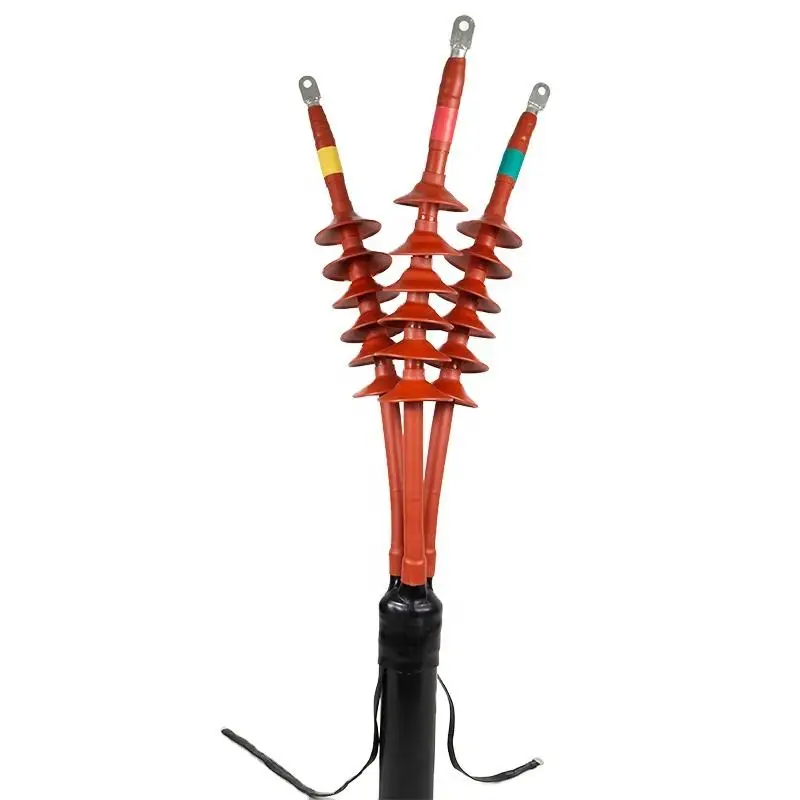
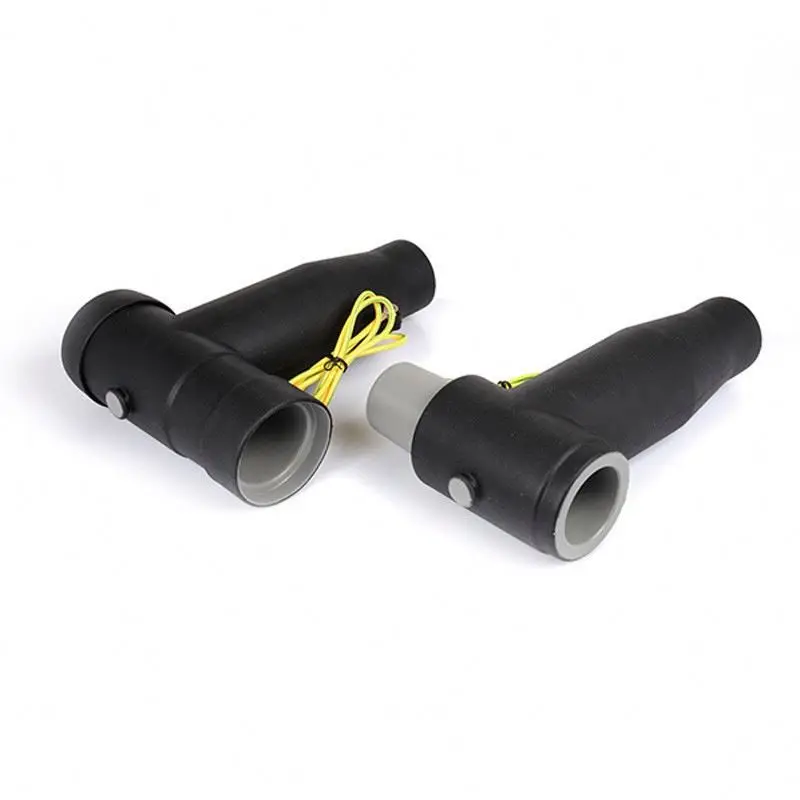
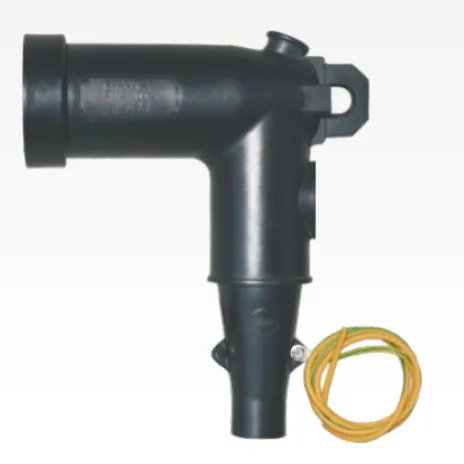
Underground cable termination represents a critical component in electrical infrastructure, designed to safely conclude and protect underground power distribution lines. This specialized equipment ensures secure connections between underground cables and above-ground systems, preventing electrical faults and environmental damage. The underground cable termination serves multiple essential functions within modern electrical networks, including voltage regulation, moisture prevention, and mechanical protection of cable ends.
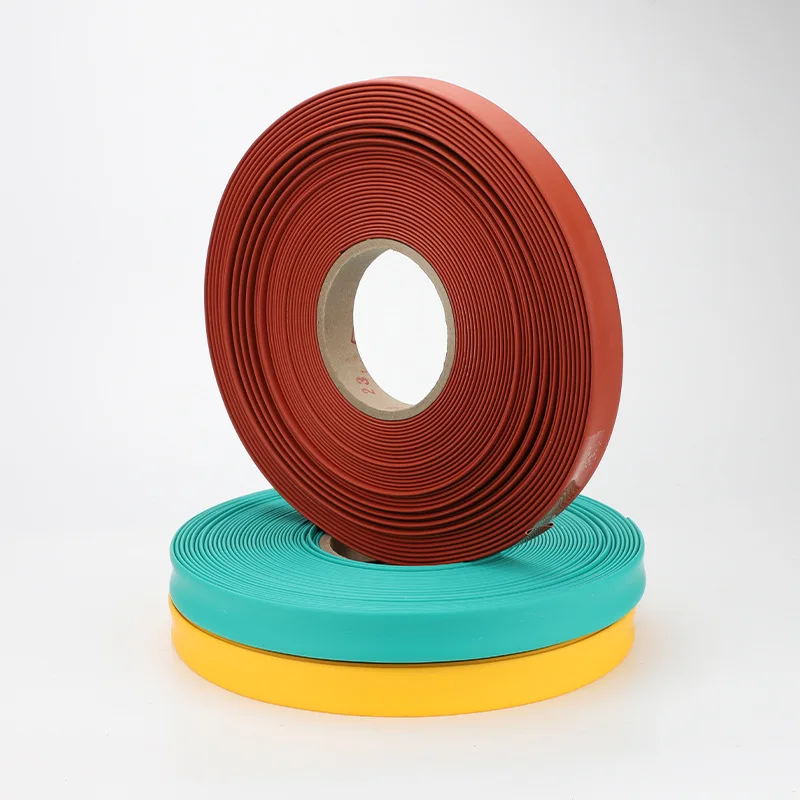
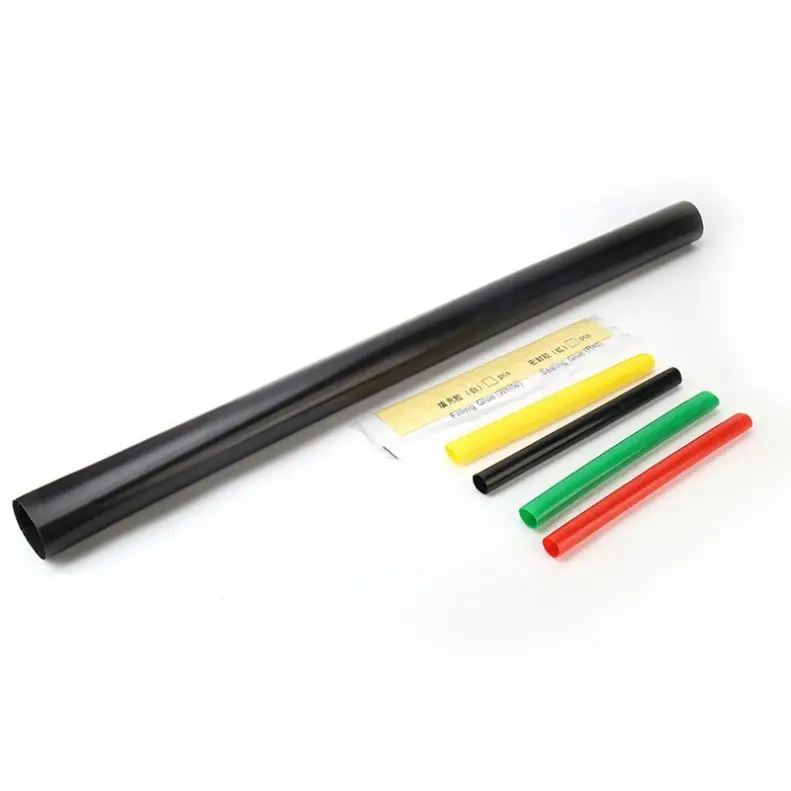
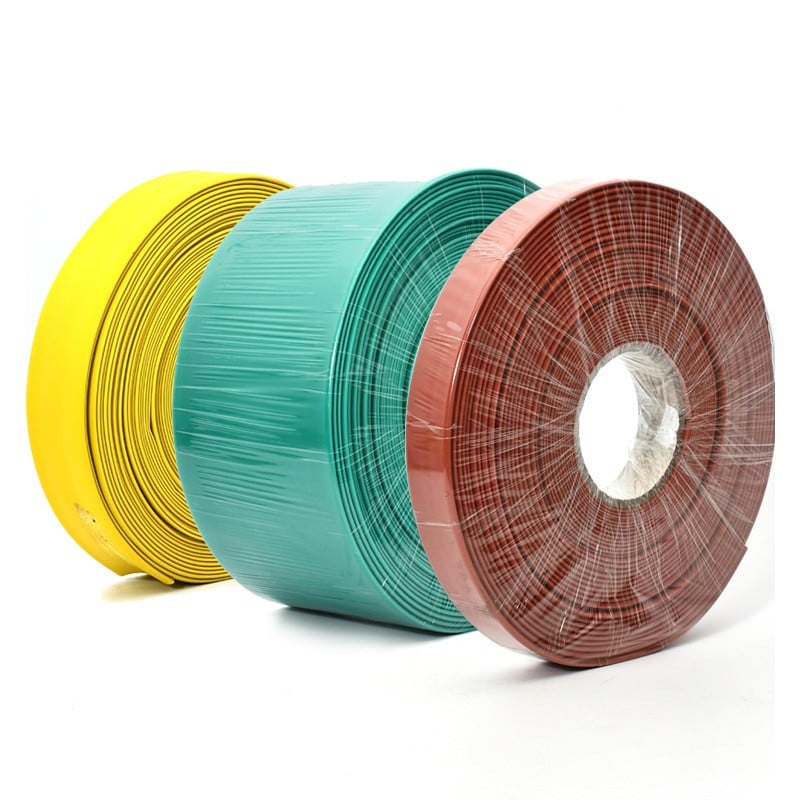
Technologically, underground cable termination systems utilize advanced insulation materials and weatherproof housings to withstand harsh soil conditions and temperature fluctuations. These devices incorporate sophisticated sealing mechanisms that prevent water infiltration, a primary cause of cable degradation. The construction of underground cable termination typically includes heat-shrink technology, epoxy resin compounds, and reinforced polymeric materials that maintain electrical integrity over extended periods.
Applications for underground cable termination span residential, commercial, and industrial sectors. Utility companies rely on these terminations for stable power delivery across distribution networks. Underground cable termination installations support renewable energy projects, including solar and wind farms requiring subsurface connections. Additionally, they prove essential in urban environments where aesthetic considerations and space constraints necessitate underground power routing. Modern underground cable termination products meet international safety standards and environmental regulations, making them indispensable for contemporary electrical infrastructure development and maintenance.

 EN