
 EN
EN
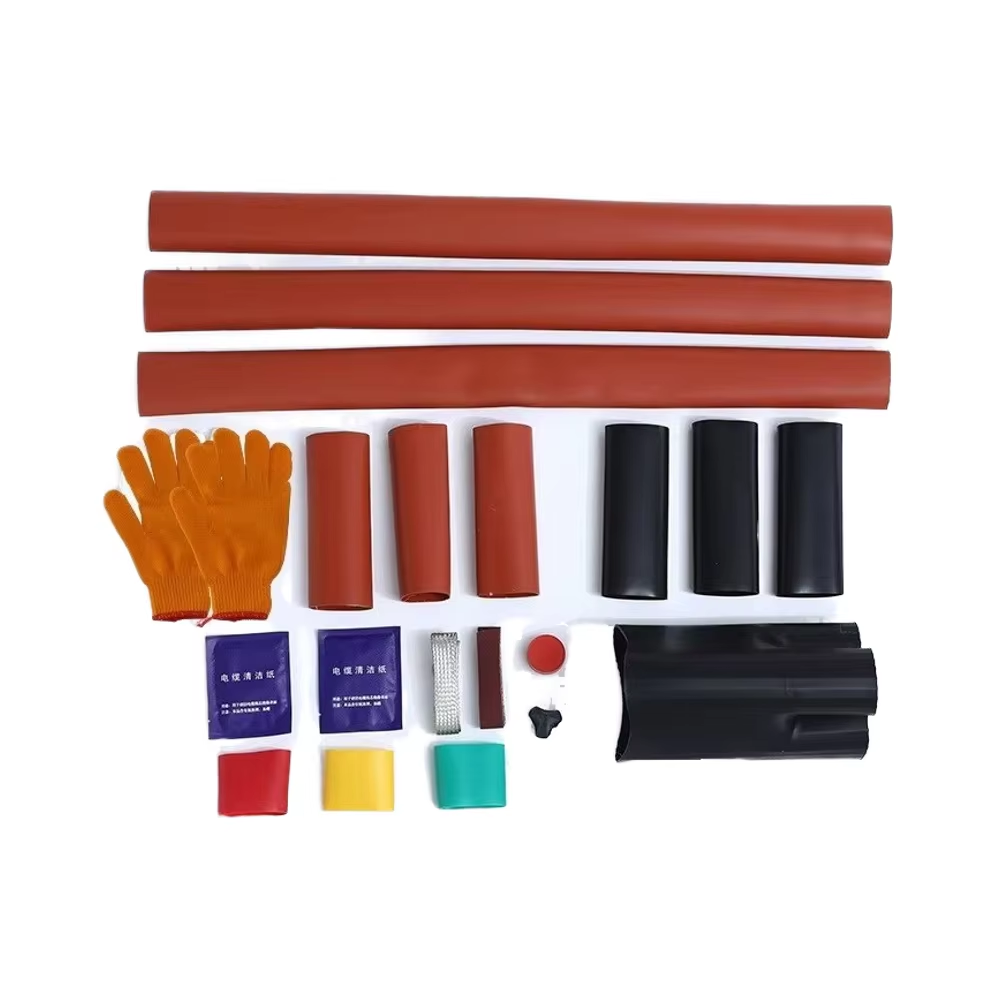
Power grid reliability stands as the cornerstone of modern electrical infrastructure, ensuring uninterrupted energy delivery to millions of consumers worldwide. Among the critical components that maintain this reliability, cable accessories play an indispensable role in protecting, connecting, and maintaining electrical cable systems. These specialized components form the backbone of electrical distribution networks, providing essential protection against environmental factors, electrical stress, and mechanical damage. Understanding how cable accessories contribute to power grid stability helps utilities, engineers, and maintenance teams optimize their electrical infrastructure investments and minimize costly outages.
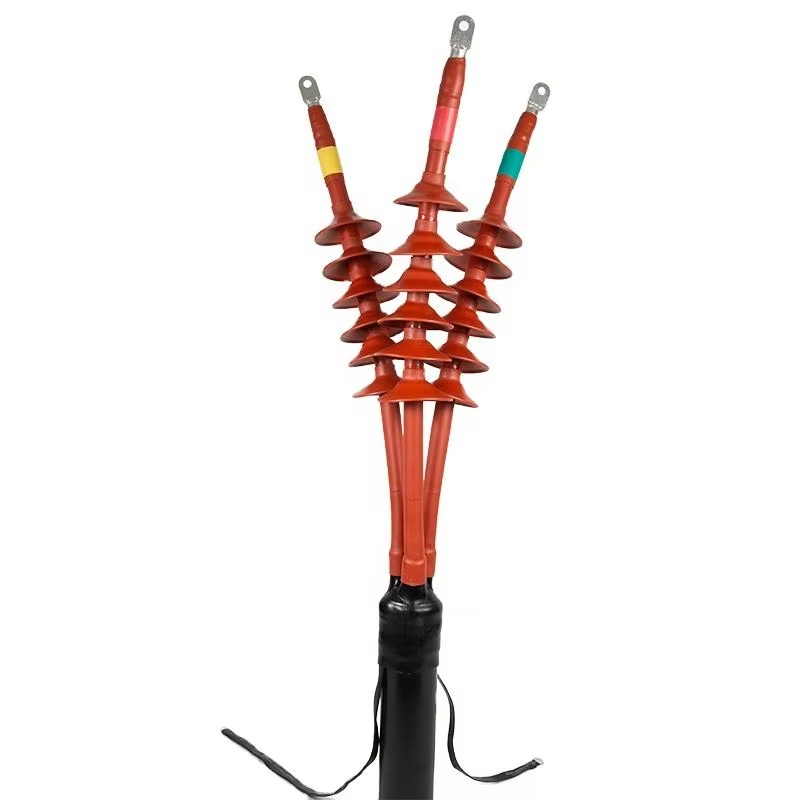
Understanding the Role of Cable Accessories in Power Systems
Essential Functions of Modern Cable Protection
Cable accessories serve multiple critical functions within electrical distribution systems, primarily focusing on protection and connection integrity. These components shield vulnerable cable joints and terminations from moisture, contaminants, and electrical stress that could compromise system performance. Modern cable accessories utilize advanced materials like silicone rubber, EPDM, and specialized polymer compounds that provide superior insulation properties and weather resistance. The protection these accessories offer extends far beyond simple weatherproofing, encompassing electrical insulation, mechanical support, and thermal management.
The integration of cable accessories into power systems creates multiple layers of protection that work synergistically to prevent failures. Primary insulation systems within these accessories maintain proper voltage levels and prevent flashovers, while secondary barriers protect against environmental intrusion. This comprehensive protection strategy significantly reduces the likelihood of cable failures that could cascade into broader grid instabilities. Engineering teams recognize that investing in high-quality cable accessories represents a cost-effective approach to maintaining system reliability compared to emergency repairs and replacement costs.
Types and Applications Across Different Voltage Levels
Different voltage classifications require specialized cable accessories designed to handle specific electrical and environmental stresses. Low-voltage cable accessories typically focus on moisture protection and mechanical support, while medium and high-voltage applications demand sophisticated insulation systems capable of withstanding significant electrical stress. Cold shrinkable cable accessories have gained popularity across various voltage ranges due to their ease of installation and reliable long-term performance. These accessories eliminate the need for heat application during installation, reducing installation time and minimizing potential installation errors.
Underground cable installations particularly benefit from robust cable accessories that provide comprehensive protection against soil chemicals, groundwater, and mechanical stress from settling or excavation activities. Overhead applications require accessories designed to withstand UV radiation, temperature cycling, and wind-induced mechanical stress. The selection of appropriate accessories based on installation environment and voltage requirements directly impacts the overall reliability and maintenance requirements of the power distribution system.
Technical Mechanisms Behind Enhanced Grid Reliability
Electrical Insulation and Stress Management
The electrical performance of cable accessories directly influences grid reliability through sophisticated stress management and insulation coordination. These components manage electrical field concentrations at cable joints and terminations, areas where electrical stress typically reaches peak values. Advanced cable accessories incorporate stress control elements that redistribute electrical fields uniformly, preventing localized high-stress areas that could lead to insulation breakdown. This stress management capability becomes increasingly critical as power systems operate closer to their design limits to meet growing energy demands.
Insulation coordination within cable accessories involves careful selection of materials and geometric designs that complement the cable's insulation system. Modern accessories utilize graded insulation systems that gradually transition electrical stress from the high-voltage conductor to ground potential. This controlled transition prevents sudden voltage gradients that could cause partial discharge activity or complete insulation failure. The materials used in these accessories undergo extensive electrical testing to ensure they maintain their insulation properties throughout their expected service life, even under adverse operating conditions.
Environmental Protection and Longevity Factors
Environmental protection capabilities of cable accessories significantly impact long-term grid reliability by preventing premature cable system failures. These accessories create sealed environments around critical connection points, protecting against moisture ingress, chemical contamination, and temperature fluctuations. The sealing performance of cable accessories relies on advanced elastomeric materials that maintain flexibility and sealing integrity across wide temperature ranges and extended service periods. This environmental protection becomes particularly important in harsh climates where temperature cycling, UV exposure, and chemical pollutants can rapidly degrade unprotected cable systems.
Material science advances have produced cable accessories with enhanced resistance to aging mechanisms such as oxidation, ozone attack, and thermal degradation. These improvements translate directly into extended service life and reduced maintenance requirements for power grid operators. The longevity of cable accessories directly correlates with grid reliability since premature accessory failures often require emergency repairs that can cause extended outages. Quality cable accessories designed for long-term performance help utilities achieve their reliability targets while minimizing lifecycle costs associated with cable system maintenance and replacement.
Installation Quality and Performance Impact
Proper Installation Techniques and Best Practices
The reliability benefits of cable accessories can only be realized through proper installation techniques that ensure optimal performance throughout their service life. Installation quality significantly impacts the long-term reliability of cable accessories, with improper installation being a leading cause of premature failures in cable systems. Modern cable accessories are designed with user-friendly installation procedures that minimize the potential for installation errors while maintaining high performance standards. Training programs for installation technicians focus on critical installation parameters such as surface preparation, accessory sizing, and environmental conditions during installation.
Cold shrinkable cable accessories offer particular advantages in installation consistency since they eliminate variables associated with heat application and shrinkage timing. These accessories arrive pre-expanded on removable cores, allowing installers to position them precisely before removing the support core and allowing the accessory to contract into its final position. This installation method reduces the skill level required for proper installation while improving installation reliability. Quality control procedures during installation include visual inspections, dimensional measurements, and electrical testing to verify proper installation before energizing the cable system.
Quality Control and Testing Protocols
Comprehensive quality control programs for cable accessories encompass both manufacturing standards and field installation verification. Manufacturing quality control includes material testing, dimensional verification, electrical performance validation, and accelerated aging tests that simulate long-term service conditions. These quality control measures ensure that cable accessories meet or exceed published specifications and maintain consistent performance across production batches. Field quality control procedures verify that installed accessories meet design requirements and provide expected protection levels.
Testing protocols for cable accessories include routine tests performed on every accessory and type tests conducted on representative samples to verify compliance with industry standards. Routine tests typically include visual inspection, dimensional checks, and basic electrical tests, while type tests involve comprehensive electrical, mechanical, and environmental stress testing. Advanced testing techniques such as partial discharge measurement and thermal imaging help identify potential problems before they develop into service failures. Regular testing of installed cable accessories provides valuable data on performance trends and helps utilities optimize their maintenance schedules and replacement strategies.
Maintenance Strategies and Long-term Benefits
Preventive Maintenance Programs
Effective maintenance strategies for cable accessories focus on preventive measures that identify potential problems before they cause service interruptions. These programs typically include regular visual inspections, thermal imaging surveys, and electrical testing protocols designed to assess the condition of cable accessories in service. Preventive maintenance activities help utilities extend the service life of cable accessories while maintaining high reliability standards. The frequency and scope of maintenance activities depend on factors such as accessory type, installation environment, loading conditions, and historical performance data.
Modern maintenance programs increasingly rely on condition-based monitoring techniques that provide real-time information about accessory performance. These monitoring systems can detect early signs of deterioration such as increased temperature, partial discharge activity, or changes in electrical characteristics that indicate developing problems. Early detection capabilities allow maintenance teams to schedule repairs during planned outages rather than responding to emergency failures that disrupt customer service. The integration of smart monitoring technologies with cable accessories represents an evolving trend that promises to further enhance grid reliability through improved situational awareness.
Economic Benefits and Return on Investment
The economic benefits of investing in high-quality cable accessories extend beyond initial purchase costs to encompass reduced maintenance expenses, fewer emergency repairs, and improved customer satisfaction through enhanced service reliability. Utilities that invest in premium cable accessories typically experience lower failure rates, reduced outage duration, and decreased maintenance labor costs compared to systems using lower-quality alternatives. The total cost of ownership for cable systems includes not only the initial equipment costs but also installation expenses, maintenance costs, and the economic impact of service interruptions.
Return on investment calculations for cable accessories must consider both direct cost savings and indirect benefits such as improved customer satisfaction, regulatory compliance, and reduced liability exposure. High-quality cable accessories that provide extended service life and improved reliability help utilities avoid costly emergency repairs and minimize customer compensation costs associated with service interruptions. The long-term financial benefits of reliable cable accessories often justify premium pricing for superior products, particularly in critical applications where service interruptions have high economic consequences. Lifecycle cost analyses demonstrate that investing in quality cable accessories provides favorable returns through reduced operating and maintenance expenses over the system's service life.
Future Developments and Industry Trends
Smart Grid Integration and Monitoring Capabilities
The evolution of smart grid technologies is driving development of intelligent cable accessories that provide real-time monitoring and diagnostic capabilities. These advanced accessories incorporate sensors and communication interfaces that enable remote monitoring of critical parameters such as temperature, humidity, partial discharge activity, and mechanical stress. Smart cable accessories represent a significant advancement in grid reliability technology by providing operators with detailed information about system conditions that was previously unavailable. This enhanced visibility enables proactive maintenance decisions and helps prevent failures before they impact customer service.
Integration of cable accessories with smart grid communication networks requires careful consideration of cybersecurity, data management, and communication protocols. Modern smart accessories utilize secure communication channels and encryption technologies to protect sensitive operational data while providing valuable insights into system performance. The data collected from intelligent cable accessories contributes to broader grid optimization efforts and helps utilities improve their understanding of system behavior under various operating conditions. As smart grid technologies continue to evolve, cable accessories will play an increasingly important role in providing the real-time information needed for efficient grid operation and maintenance.
Material Science Advances and Performance Improvements
Ongoing advances in material science continue to improve the performance and reliability of cable accessories through development of new polymer compounds, insulation systems, and protective coatings. Research focuses on creating materials that provide superior electrical performance, environmental resistance, and mechanical properties while maintaining ease of installation and cost-effectiveness. Nanotechnology applications in cable accessories show promise for creating materials with enhanced barrier properties and improved aging characteristics. These material advances translate directly into improved grid reliability through extended service life and reduced failure rates.
Environmental sustainability considerations are driving development of eco-friendly cable accessories that maintain high performance while reducing environmental impact. Manufacturers are exploring bio-based materials, recyclable components, and manufacturing processes that minimize waste and energy consumption. These sustainability initiatives align with broader industry trends toward environmental responsibility while maintaining the primary objective of enhancing grid reliability. Future cable accessories will likely incorporate both performance improvements and environmental benefits, providing utilities with solutions that meet both operational and sustainability requirements.
FAQ
What are the most critical factors when selecting cable accessories for power grid applications
The selection of cable accessories for power grid applications requires careful consideration of voltage rating, environmental conditions, installation requirements, and long-term performance expectations. Voltage rating must match or exceed the system operating voltage with appropriate safety margins, while environmental factors such as temperature range, moisture exposure, UV radiation, and chemical contamination determine material requirements. Installation factors include accessibility, available workspace, installer skill requirements, and installation time constraints that affect project costs and system downtime.
How do cold shrinkable cable accessories compare to heat shrinkable alternatives in terms of reliability
Cold shrinkable cable accessories generally provide superior installation reliability compared to heat shrinkable alternatives because they eliminate variables associated with heat application, shrinkage temperature control, and cooling time requirements. The pre-expanded design of cold shrinkable accessories ensures consistent wall thickness and mechanical properties, while heat shrinkable products can experience uneven shrinkage if heating is not properly controlled. Cold shrinkable accessories also reduce installation time and minimize the potential for installation errors, contributing to improved long-term reliability of the cable system.
What maintenance activities are most important for ensuring long-term reliability of cable accessories
Critical maintenance activities for cable accessories include regular visual inspections for physical damage or deterioration, thermal imaging surveys to detect hot spots that indicate electrical problems, and periodic electrical testing to verify insulation integrity. Environmental monitoring around installations helps identify conditions that could accelerate aging, while partial discharge testing can detect developing insulation problems before they cause failures. Documentation of maintenance activities and performance trends provides valuable data for optimizing maintenance intervals and predicting replacement needs.
How do cable accessories contribute to overall power system resilience during extreme weather events
Cable accessories enhance power system resilience during extreme weather events by providing robust protection against environmental stresses that could cause cable failures. Underground cable systems protected by quality accessories are inherently more resilient to wind, ice, and storm damage compared to overhead lines. The sealed protection provided by cable accessories prevents moisture ingress and contamination that could cause failures during or after severe weather events. Proper selection and installation of weather-resistant accessories helps ensure that critical infrastructure remains operational when communities most depend on reliable electrical service.
Table of Contents
- Understanding the Role of Cable Accessories in Power Systems
- Technical Mechanisms Behind Enhanced Grid Reliability
- Installation Quality and Performance Impact
- Maintenance Strategies and Long-term Benefits
- Future Developments and Industry Trends
-
FAQ
- What are the most critical factors when selecting cable accessories for power grid applications
- How do cold shrinkable cable accessories compare to heat shrinkable alternatives in terms of reliability
- What maintenance activities are most important for ensuring long-term reliability of cable accessories
- How do cable accessories contribute to overall power system resilience during extreme weather events