
 EN
EN
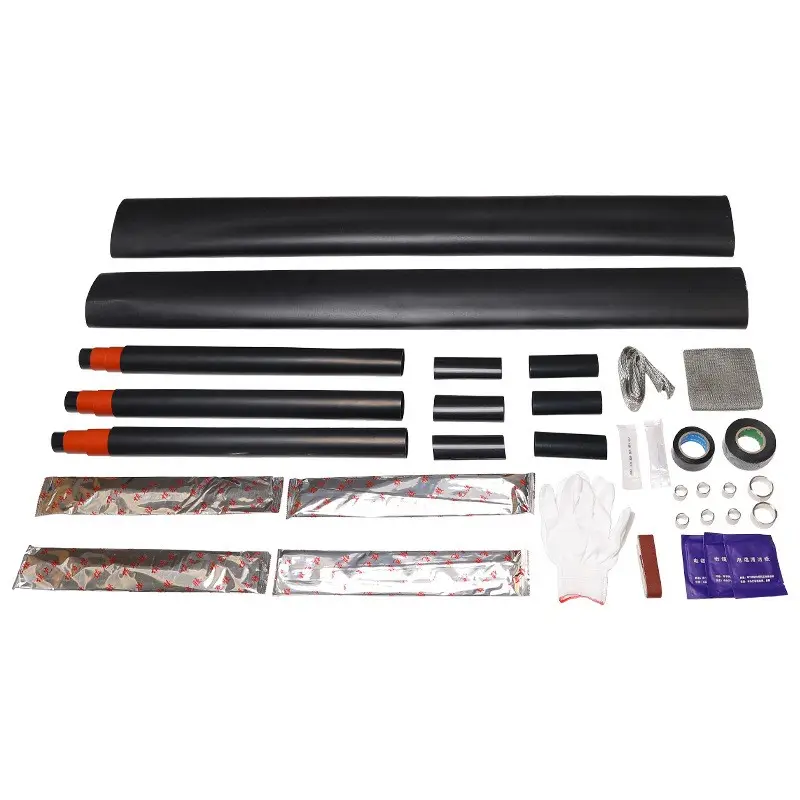
The electrical power industry continues to evolve at an unprecedented pace, driven by technological advancements and increasing demands for reliability. Modern cable accessories represent a critical component in this transformation, serving as the backbone of efficient power transmission and distribution systems. These essential components ensure seamless connectivity, protection, and performance across diverse electrical applications, from residential installations to large-scale industrial projects.
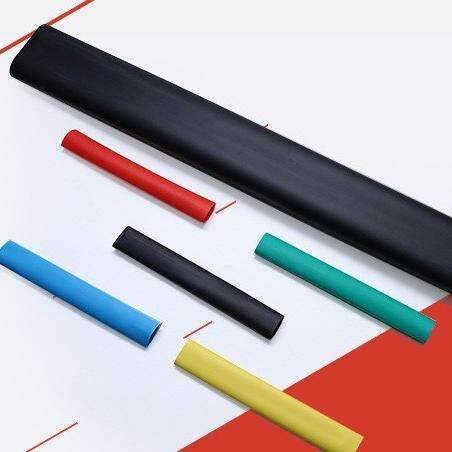
Recent innovations in cable accessories have revolutionized how engineers approach power system design and maintenance. Smart materials, enhanced insulation technologies, and integrated monitoring systems are reshaping the landscape of electrical infrastructure. These developments address growing concerns about system reliability, environmental sustainability, and operational efficiency while meeting stringent safety standards required in today's interconnected world.
The future of electrical systems depends heavily on the continued advancement of cable accessories technology. As renewable energy sources become more prevalent and smart grid technologies expand, the demand for sophisticated, durable, and intelligent cable accessories continues to grow exponentially across all market segments.
Advanced Materials Transforming Cable Accessories Design
Revolutionary Polymer Technologies
Modern cable accessories benefit tremendously from breakthrough polymer developments that enhance both performance and longevity. Cross-linked polyethylene and ethylene propylene rubber compounds now offer superior electrical properties, thermal resistance, and mechanical strength compared to traditional materials. These advanced polymers maintain their integrity under extreme environmental conditions, ensuring reliable operation in harsh industrial environments.
Nanotechnology integration has further enhanced polymer performance in cable accessories applications. Carbon nanotube reinforcements and ceramic nanoparticles improve conductivity, reduce thermal expansion, and increase resistance to electrical tracking. These innovations enable manufacturers to produce lighter, more compact cable accessories without compromising electrical or mechanical performance standards.
Biodegradable and environmentally friendly materials are gaining traction in cable accessories manufacturing. Bio-based polymers and recycled materials offer sustainable alternatives while maintaining the high-performance characteristics required for critical electrical applications. This shift toward sustainable materials reflects growing environmental consciousness within the electrical industry.
Enhanced Insulation Systems
Modern insulation technologies in cable accessories incorporate multi-layer designs that optimize electrical field distribution and thermal management. Stress control layers, semiconductive screens, and gradient insulation systems work together to prevent electrical breakdown and extend service life. These sophisticated insulation architectures enable higher voltage ratings and improved reliability in demanding applications.
Self-healing insulation materials represent a significant breakthrough in cable accessories technology. These innovative materials can automatically repair minor defects and micro-cracks that develop during operation, significantly reducing maintenance requirements and improving long-term reliability. The self-healing properties are activated by electrical stress or thermal cycling, providing continuous protection throughout the accessory's service life.
Vacuum-impregnated insulation systems offer superior dielectric properties and moisture resistance in cable accessories. Advanced vacuum processing techniques ensure complete penetration of insulating compounds, eliminating voids and gas pockets that could lead to partial discharge and eventual failure. This manufacturing approach produces cable accessories with exceptional electrical performance and extended operational lifespans.
Smart Technology Integration in Modern Cable Accessories
Embedded Sensor Systems
Contemporary cable accessories increasingly incorporate embedded sensors that monitor critical parameters such as temperature, humidity, partial discharge activity, and mechanical stress. These sensors provide real-time data about accessory condition and performance, enabling predictive maintenance strategies and preventing unexpected failures. Wireless communication capabilities allow remote monitoring without additional wiring or infrastructure modifications.
Fiber optic sensing technology integrated into cable accessories offers distributed monitoring along the entire length of power cables. Temperature and strain measurements with millimeter-level resolution help identify developing problems before they become critical failures. This technology particularly benefits underground and submarine cable installations where access for traditional monitoring is limited or impossible.
Internet of Things connectivity enables cable accessories to communicate with central monitoring systems and participate in smart grid operations. Real-time data transmission facilitates automated decision-making, load optimization, and emergency response coordination. These connected cable accessories contribute to overall grid intelligence and improved system reliability.
Artificial Intelligence Applications
Machine learning algorithms analyze data from smart cable accessories to predict maintenance needs and optimize performance. Pattern recognition systems identify subtle changes in operational parameters that may indicate developing problems, allowing maintenance teams to address issues proactively. These AI-driven insights significantly reduce unplanned outages and extend equipment service life.
Digital twin technology creates virtual models of cable accessories that simulate real-world conditions and predict future behavior. These sophisticated models incorporate material properties, environmental factors, and operational history to forecast performance and optimize maintenance schedules. Digital twins enable engineers to test modifications and improvements virtually before implementing physical changes.
Automated diagnostic systems integrated into cable accessories can perform self-testing and report condition status without human intervention. These systems continuously monitor electrical parameters and compare measurements against baseline values to identify deviations that might indicate developing problems. Automated diagnostics reduce inspection costs and improve maintenance efficiency across large electrical installations.
Environmental Sustainability and Green Innovation
Eco-Friendly Manufacturing Processes
Modern manufacturing of cable accessories emphasizes environmental sustainability through reduced energy consumption, waste minimization, and cleaner production methods. Advanced molding techniques and precision manufacturing reduce material waste while improving product consistency and quality. Closed-loop recycling systems recover and reuse production materials, minimizing environmental impact.
Water-based formulations replace solvent-based compounds in cable accessories production, reducing volatile organic compound emissions and improving workplace safety. These environmentally friendly formulations maintain performance characteristics while supporting regulatory compliance and corporate sustainability goals. The transition to greener chemistry demonstrates the industry's commitment to environmental responsibility.
Renewable energy powers an increasing number of cable accessories manufacturing facilities, reducing carbon footprint and supporting clean energy adoption. Solar panels, wind turbines, and other renewable sources provide sustainable electricity for production processes. This shift toward renewable energy aligns with the growing emphasis on environmental stewardship throughout the electrical industry.
Circular Economy Principles
Design for recyclability influences modern cable accessories development, incorporating materials and construction methods that facilitate end-of-life recovery and reuse. Modular designs allow selective replacement of worn components while preserving functional elements, extending overall service life and reducing waste. These sustainable design principles support circular economy objectives and resource conservation.
Material traceability systems track cable accessories components throughout their lifecycle, enabling efficient recycling and proper disposal of hazardous substances. Advanced marking and identification technologies ensure appropriate handling during maintenance and decommissioning activities. Comprehensive material tracking supports regulatory compliance and environmental protection efforts.
Refurbishment programs extend the useful life of cable accessories through professional restoration and component replacement. Specialized service providers clean, test, and upgrade older accessories to meet current performance standards, reducing the need for complete replacement. These programs offer cost-effective alternatives while supporting sustainability objectives and waste reduction goals.
Performance Enhancement Through Design Innovation
Modular Construction Concepts
Modular design approaches enable customization of cable accessories for specific applications while maintaining standardized interfaces and manufacturing processes. Interchangeable components allow field configuration for different voltage levels, conductor sizes, and environmental conditions. This flexibility reduces inventory requirements and simplifies installation procedures across diverse project requirements.
Plug-and-play cable accessories incorporate quick-connect interfaces that eliminate complex assembly procedures and reduce installation time. Tool-free connections and visual confirmation systems ensure proper assembly while minimizing the potential for installation errors. These user-friendly designs improve reliability and reduce training requirements for installation personnel.
Standardized mounting systems facilitate rapid deployment and maintenance of cable accessories in various configurations. Universal brackets, standardized dimensions, and common attachment methods streamline installation procedures and reduce specialized tooling requirements. Standardization efforts improve interoperability and reduce long-term maintenance costs.
Enhanced Protection Features
Advanced protection systems in modern cable accessories provide comprehensive defense against environmental hazards, mechanical damage, and electrical faults. Multi-barrier protection incorporates redundant safeguards that maintain functionality even when individual protection elements are compromised. These robust protection systems ensure reliable operation in challenging environments and critical applications.
Arc-resistant designs protect cable accessories from damage during fault conditions and switching operations. Specialized materials and geometric configurations redirect fault energy away from critical components, preserving accessory integrity and facilitating rapid system restoration. Arc-resistant cable accessories improve overall system reliability and reduce maintenance costs.
Vibration dampening systems protect cable accessories in applications subject to mechanical stress from wind, seismic activity, or equipment operation. Engineered dampening elements absorb vibration energy and prevent fatigue damage to electrical connections and insulation systems. These protection features extend service life and reduce maintenance requirements in dynamic environments.
Installation and Maintenance Innovations
Simplified Installation Procedures
Modern cable accessories incorporate installation features that reduce complexity and improve reliability during field assembly. Pre-assembled components, integral stress control systems, and visual installation indicators eliminate many potential sources of human error. These design improvements enable consistent, high-quality installations regardless of technician experience level.
Cold shrink technology eliminates the need for heat application during cable accessories installation, reducing safety hazards and enabling installation in confined spaces. Pre-expanded sleeves contract automatically when release cords are removed, providing consistent pressure and reliable sealing without special tools or energy sources. This technology particularly benefits installations in hazardous environments or remote locations.
Augmented reality applications guide technicians through complex cable accessories installation procedures using tablet computers or smart glasses. Step-by-step visual instructions, dimensional verification, and quality checkpoints ensure proper assembly while providing documentation for quality assurance purposes. AR technology reduces training time and improves installation consistency across different project teams.
Predictive Maintenance Technologies
Condition monitoring systems integrated into cable accessories enable predictive maintenance strategies that optimize reliability while minimizing costs. Continuous parameter monitoring, trend analysis, and threshold alerting identify developing problems before they cause service interruptions. These proactive approaches significantly reduce emergency maintenance requirements and extend equipment service life.
Non-destructive testing techniques assess cable accessories condition without removing them from service. Ultrasonic inspection, infrared thermography, and electrical testing methods detect internal defects and deterioration while maintaining system operation. These advanced diagnostic capabilities enable informed maintenance decisions based on actual condition rather than arbitrary schedules.
Remote diagnostic capabilities allow expert technicians to assess cable accessories condition from central locations using transmitted sensor data and visual inspection tools. Video conferencing, remote instrument operation, and data sharing technologies enable efficient problem diagnosis and maintenance planning. Remote capabilities reduce travel costs and improve response times for critical maintenance activities.
Future Trends and Market Developments
Emerging Technology Integration
Next-generation cable accessories will incorporate advanced technologies such as superconducting materials, quantum sensors, and blockchain-based authentication systems. These emerging technologies promise revolutionary improvements in performance, security, and operational capabilities. Early adoption of cutting-edge technologies positions manufacturers at the forefront of industry innovation and market leadership.
Additive manufacturing techniques enable production of complex cable accessories geometries that are impossible with traditional manufacturing methods. 3D printing of specialized components, custom insulation profiles, and integrated sensor systems offers unprecedented design flexibility and rapid prototyping capabilities. These manufacturing advances accelerate product development cycles and enable mass customization.
Biomimetic designs inspired by natural systems offer innovative solutions for cable accessories challenges. Self-assembling materials, adaptive interfaces, and autonomous repair mechanisms based on biological principles provide novel approaches to traditional engineering problems. These nature-inspired innovations open new possibilities for cable accessories performance and functionality.
Market Evolution and Standards Development
International standardization efforts continue to evolve, incorporating new technologies and performance requirements for modern cable accessories. Updated testing procedures, environmental standards, and safety requirements reflect current industry needs and technological capabilities. Harmonized standards facilitate global trade and ensure consistent quality across different markets and applications.
Digital transformation initiatives drive demand for intelligent cable accessories that support smart grid operations and Industry 4.0 concepts. Connectivity requirements, data security protocols, and interoperability standards shape product development priorities and market opportunities. These digital trends create new revenue streams and competitive advantages for innovative manufacturers.
Sustainability regulations and environmental policies increasingly influence cable accessories design and manufacturing processes. Carbon footprint reduction targets, recycling requirements, and hazardous substance restrictions drive innovation toward greener products and processes. Compliance with evolving environmental standards becomes a key competitive factor in global markets.
FAQ
What are the key benefits of smart cable accessories compared to traditional options
Smart cable accessories offer significant advantages including real-time condition monitoring, predictive maintenance capabilities, and integration with digital grid management systems. These advanced accessories provide continuous data about operational parameters, enabling proactive maintenance that prevents failures and reduces downtime. The embedded sensors and communication systems allow remote monitoring and automated diagnostics, significantly reducing inspection costs and improving system reliability compared to traditional accessories that require manual inspection and reactive maintenance approaches.
How do environmental sustainability features impact cable accessories performance
Modern sustainable cable accessories maintain or exceed traditional performance standards while incorporating environmentally friendly materials and manufacturing processes. Bio-based polymers and recycled materials undergo rigorous testing to ensure they meet electrical, mechanical, and thermal requirements for demanding applications. The transition to sustainable materials often results in improved properties such as enhanced UV resistance, better thermal stability, and reduced environmental stress cracking, demonstrating that environmental responsibility and high performance are fully compatible in modern cable accessories design.
What installation advantages do modular cable accessories provide
Modular cable accessories significantly simplify installation procedures through standardized interfaces, pre-assembled components, and plug-and-play connectivity options. These design features reduce installation time, minimize the potential for human error, and enable field customization for specific application requirements. The modular approach also facilitates selective component replacement during maintenance activities, reducing costs and system downtime while extending overall service life through targeted upgrades of worn or obsolete elements.
How do predictive maintenance technologies improve cable accessories reliability
Predictive maintenance technologies integrated into modern cable accessories continuously monitor critical parameters and use advanced analytics to identify developing problems before they cause failures. Machine learning algorithms analyze historical data patterns to predict optimal maintenance timing, while real-time sensor data provides early warning of abnormal conditions. This proactive approach typically reduces unplanned outages by 60-80% compared to reactive maintenance strategies, while extending equipment service life through timely interventions that prevent minor issues from developing into major failures.
Table of Contents
- Advanced Materials Transforming Cable Accessories Design
- Smart Technology Integration in Modern Cable Accessories
- Environmental Sustainability and Green Innovation
- Performance Enhancement Through Design Innovation
- Installation and Maintenance Innovations
- Future Trends and Market Developments
-
FAQ
- What are the key benefits of smart cable accessories compared to traditional options
- How do environmental sustainability features impact cable accessories performance
- What installation advantages do modular cable accessories provide
- How do predictive maintenance technologies improve cable accessories reliability