
 EN
EN
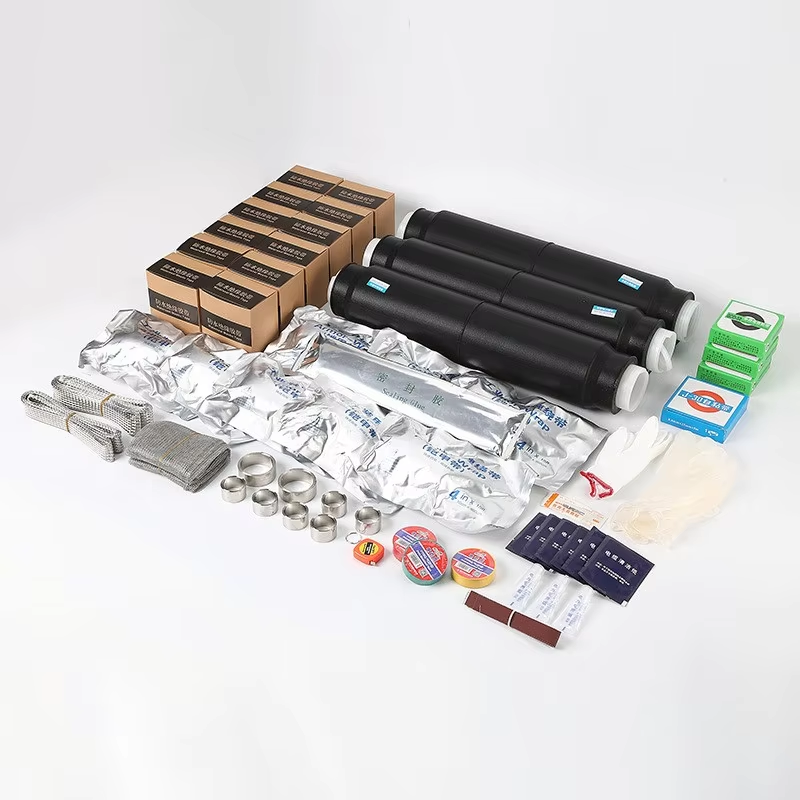
In the demanding world of electrical infrastructure, selecting the right materials for cable accessories can make the difference between decades of reliable service and costly premature failures. Modern industrial applications require cable accessories that withstand extreme environmental conditions, electrical stress, and mechanical wear while maintaining optimal performance throughout their operational lifespan. Understanding which materials deliver superior durability helps engineers and procurement specialists make informed decisions that protect both investments and operational continuity.
The selection of appropriate materials for cable accessories involves careful consideration of multiple factors including temperature resistance, chemical compatibility, mechanical strength, and long-term aging characteristics. Different applications demand specific material properties, from underground installations requiring moisture resistance to overhead applications needing UV stability. Advanced polymer technologies have revolutionized the durability standards for cable accessories, enabling longer service lives and reduced maintenance requirements across diverse industrial environments.
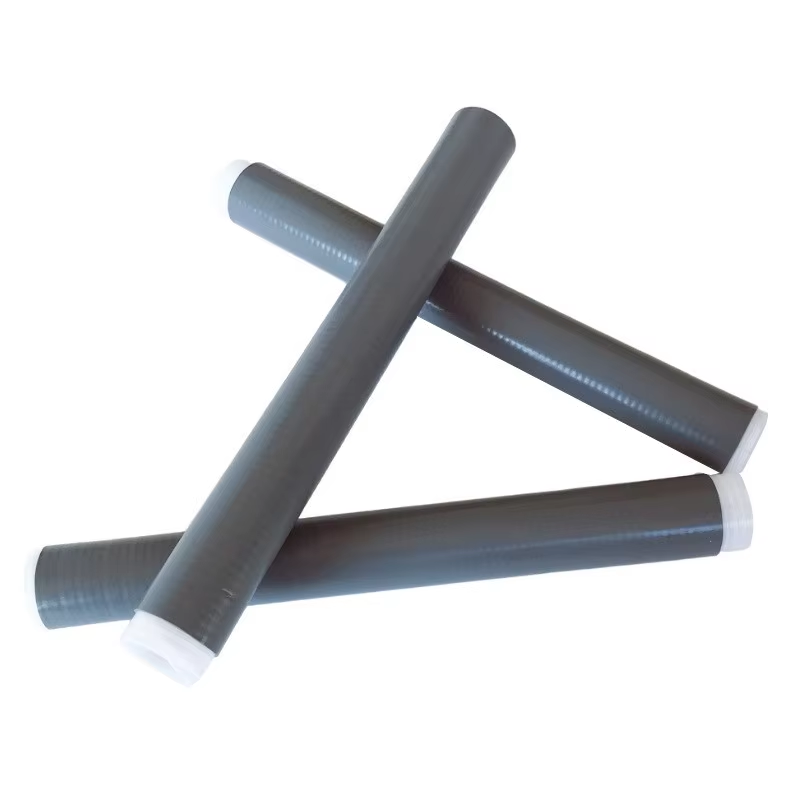
Essential Material Properties for Long-Lasting Cable Accessories
Temperature Resistance and Thermal Stability
Temperature fluctuations present one of the most significant challenges for cable accessories in real-world applications. Materials must maintain their electrical and mechanical properties across wide temperature ranges, from sub-zero winter conditions to extreme summer heat. High-quality cable accessories utilize materials with excellent thermal stability, preventing degradation that could lead to insulation breakdown or mechanical failure.
Silicone rubber compounds demonstrate exceptional temperature resistance, maintaining flexibility and dielectric strength from -50°C to +180°C or higher. This broad operating range makes silicone-based cable accessories ideal for applications where temperature cycling is common. The material's inherent stability prevents hardening, cracking, or loss of sealing properties that often plague inferior materials over time.
Cross-linked polyethylene represents another thermally stable option for cable accessories, offering excellent performance in medium-voltage applications. Its molecular structure resists thermal degradation while providing superior electrical properties. When properly formulated and processed, XLPE maintains its integrity even under continuous thermal stress, making it a preferred choice for many industrial cable accessories.
Chemical Resistance and Environmental Durability
Industrial environments expose cable accessories to various chemical contaminants that can accelerate material degradation. Acids, bases, solvents, and other industrial chemicals pose significant threats to poorly chosen materials. Superior cable accessories incorporate materials specifically engineered to resist chemical attack while maintaining their protective functions.
Fluoropolymer materials excel in chemically aggressive environments, offering near-universal chemical resistance. These advanced materials protect cable accessories from degradation caused by industrial chemicals, extending service life significantly compared to conventional materials. Their non-reactive nature ensures consistent performance even in the presence of aggressive chemical vapors or direct contact with corrosive substances.
Epoxy resin systems, when properly formulated, provide excellent chemical resistance for cable accessories while offering superior mechanical strength. Modern epoxy formulations incorporate advanced additives that enhance chemical resistance without compromising other essential properties. These materials form durable barriers that protect underlying components from environmental contamination.
Advanced Polymer Technologies in Cable Accessories
Silicone Rubber Innovations
Modern silicone rubber formulations represent a significant advancement in cable accessories durability. These materials combine excellent electrical properties with outstanding environmental resistance, making them ideal for demanding applications. Advanced silicone compounds maintain their flexibility and sealing capabilities throughout decades of service, even under extreme conditions.
Liquid silicone rubber injection molding enables the production of cable accessories with complex geometries and superior material properties. This manufacturing process eliminates weak points often found in traditional molding methods, resulting in accessories with enhanced durability and reliability. The homogeneous material structure achieved through liquid injection molding ensures consistent performance across the entire component.
Addition-cure silicone systems offer particular advantages for cable accessories, providing excellent adhesion to various substrates while maintaining long-term stability. These systems cure without releasing byproducts that could interfere with electrical performance, making them ideal for sensitive applications. Their resistance to ozone, UV radiation, and extreme temperatures makes them exceptionally suitable for outdoor cable accessories.
High-Performance Thermoplastic Elastomers
Thermoplastic elastomers represent an emerging class of materials for cable accessories, combining the processing advantages of thermoplastics with the performance characteristics of rubber. These materials offer excellent durability while enabling efficient manufacturing processes. Their recyclability also addresses growing environmental concerns in the electrical industry.
Styrenic block copolymers demonstrate excellent aging resistance and maintain their properties over extended periods. These materials resist degradation from UV exposure, ozone, and temperature cycling, making them suitable for outdoor cable accessories. Their excellent electrical properties and processing characteristics make them increasingly popular for various applications.
Polyolefin-based thermoplastic elastomers provide outstanding chemical resistance and low-temperature flexibility for cable accessories. These materials maintain their sealing properties across wide temperature ranges while resisting environmental stress cracking. Their compatibility with various cable jacket materials ensures reliable long-term performance in demanding applications.
Material Selection for Specific Applications
Underground and Buried Cable Accessories
Underground installations subject cable accessories to unique challenges including soil chemistry, moisture ingress, and ground movement. Materials for these applications must provide excellent moisture resistance while maintaining structural integrity under mechanical stress. Long-term exposure to soil acids and alkalis requires materials with exceptional chemical stability.
High-density polyethylene demonstrates excellent performance in buried applications, offering superior moisture resistance and chemical inertness. Its resistance to environmental stress cracking ensures long-term reliability even under challenging soil conditions. When properly formulated with antioxidants and stabilizers, HDPE cable accessories can provide decades of trouble-free service in underground environments.
Composite materials combining multiple polymers offer enhanced performance for underground cable accessories. These systems leverage the advantages of different materials, such as combining the chemical resistance of fluoropolymers with the mechanical strength of engineering plastics. The result is cable accessories that exceed the performance capabilities of single-material solutions.
High-Voltage and Extra-High-Voltage Applications
High-voltage cable accessories demand materials with exceptional dielectric strength and long-term electrical stability. These applications generate significant electrical stress that can accelerate material degradation if inappropriate materials are selected. Superior materials for high-voltage cable accessories maintain their electrical properties throughout extended service periods.
Cross-linked polyethylene with enhanced formulations provides excellent performance in high-voltage cable accessories. Advanced XLPE compounds incorporate stress-control additives and antioxidants that extend service life significantly. These materials resist electrical treeing and maintain their dielectric strength even under continuous high-voltage stress.
Silicone rubber systems designed specifically for high-voltage applications offer superior tracking resistance and electrical performance. These specialized formulations resist surface degradation caused by electrical discharge while maintaining their mechanical properties. Their hydrophobic nature helps prevent moisture-related failures that can affect cable accessories in humid environments.
Quality Assurance and Testing Standards
Accelerated Aging and Life Prediction
Determining the long-term durability of materials used in cable accessories requires comprehensive testing protocols that simulate decades of service in compressed timeframes. Accelerated aging tests expose materials to elevated temperatures, UV radiation, and chemical environments to predict their real-world performance. These testing methods help manufacturers select materials that will provide reliable service throughout their intended operational lifespan.
Thermal aging tests subject cable accessories to elevated temperatures for extended periods, monitoring changes in electrical and mechanical properties. These tests reveal material degradation mechanisms and help predict service life under various operating conditions. Materials that maintain their properties during accelerated thermal aging typically demonstrate superior durability in field applications.
UV exposure testing evaluates how materials respond to solar radiation, particularly important for outdoor cable accessories. Extended UV exposure can cause polymer degradation, leading to cracking, color changes, and loss of mechanical strength. Materials that pass rigorous UV testing maintain their protective functions even after years of outdoor exposure.
Electrical Performance Verification
Electrical testing of cable accessories materials ensures they maintain their protective functions under operational stresses. Dielectric strength testing verifies that materials can withstand high voltages without breakdown, while partial discharge testing identifies potential weak points that could lead to premature failure. These tests are essential for validating material selection for critical applications.
Long-term electrical stability testing subjects materials to continuous electrical stress while monitoring for signs of degradation. This testing reveals how materials respond to the electrical fields present in operating cable accessories, helping predict their performance over extended service periods. Materials that maintain stable electrical properties during these tests typically provide reliable long-term service.
Tracking and erosion resistance testing evaluates how materials respond to surface electrical activity. These tests simulate the conditions that can lead to surface degradation in polluted or humid environments. Cable accessories incorporating materials with excellent tracking resistance maintain their protective functions even in challenging environmental conditions.
Environmental Considerations and Sustainability
Eco-Friendly Material Options
The electrical industry increasingly emphasizes environmental responsibility in material selection for cable accessories. Sustainable materials that provide excellent durability while minimizing environmental impact represent the future of cable accessory design. These materials must balance performance requirements with environmental considerations throughout their lifecycle.
Bio-based polymers derived from renewable resources offer promising alternatives for cable accessories applications. While still developing, these materials show potential for matching the performance of conventional polymers while reducing environmental impact. Research continues into enhancing their durability and electrical properties for demanding applications.
Recyclable thermoplastic materials enable cable accessories to be processed at the end of their service life, reducing waste and conserving resources. These materials maintain their performance characteristics while offering environmental advantages over thermoset alternatives. Their ability to be reprocessed makes them increasingly attractive for sustainable design initiatives.
Lifecycle Assessment and Material Selection
Comprehensive lifecycle assessment considers the environmental impact of cable accessories from raw material extraction through end-of-life disposal. This holistic approach helps identify materials that provide optimal durability while minimizing environmental burden. Factors including energy consumption during production, transportation impacts, and disposal requirements all influence material selection decisions.
Durability directly correlates with environmental performance, as longer-lasting cable accessories reduce replacement frequency and associated environmental impacts. Materials that provide extended service life typically offer superior environmental performance despite potentially higher initial environmental costs. This relationship emphasizes the importance of selecting truly durable materials for sustainable infrastructure development.
End-of-life considerations increasingly influence material selection for cable accessories. Materials that can be easily separated and recycled or that degrade safely in the environment receive preference in sustainable design approaches. These considerations must be balanced against performance requirements to ensure reliable operation throughout the intended service life.
Future Trends in Cable Accessories Materials
Nanotechnology Integration
Nanotechnology offers revolutionary possibilities for enhancing the durability of cable accessories materials. Nanofillers can dramatically improve mechanical strength, thermal stability, and electrical properties while maintaining processability. These advanced materials represent the next generation of cable accessories, offering performance capabilities impossible with conventional materials.
Carbon nanotube reinforcement provides exceptional mechanical strength enhancement for cable accessories materials. Even small additions of properly dispersed carbon nanotubes can significantly improve tensile strength, tear resistance, and fatigue life. These improvements translate directly to enhanced durability and extended service life for cable accessories in demanding applications.
Nanosilica incorporation enhances thermal stability and electrical properties of polymer materials used in cable accessories. The high surface area of nanosilica particles provides excellent reinforcement while improving aging resistance. These materials maintain their properties under extreme conditions that would degrade conventional alternatives.
Smart Material Integration
Smart materials that respond to environmental conditions offer exciting possibilities for next-generation cable accessories. These materials can adapt their properties based on temperature, humidity, or electrical stress, providing optimized performance across varying conditions. Such adaptive capabilities could significantly extend service life and improve reliability.
Shape memory polymers enable cable accessories that automatically adjust to changing conditions, maintaining optimal sealing and electrical performance. These materials can respond to temperature changes by adjusting their shape or stiffness, compensating for thermal expansion and contraction in cable systems. This adaptive capability reduces stress concentrations that often lead to premature failure.
Self-healing materials represent the ultimate advancement in cable accessories durability. These materials can automatically repair minor damage, extending service life and reducing maintenance requirements. While still in development for electrical applications, self-healing capabilities could revolutionize cable accessories design and performance expectations.
FAQ
What are the most durable materials for outdoor cable accessories?
Silicone rubber and fluoropolymer materials demonstrate the highest durability for outdoor cable accessories. Silicone rubber maintains flexibility and electrical properties across extreme temperature ranges while resisting UV degradation and ozone attack. Fluoropolymers offer exceptional chemical resistance and weathering performance, making them ideal for harsh environmental conditions. Both materials provide decades of reliable service when properly selected and installed.
How do temperature extremes affect cable accessories materials?
Temperature extremes can cause significant degradation in cable accessories materials through thermal cycling stress, embrittlement, or softening. Materials must maintain their mechanical and electrical properties across their specified temperature range. High-quality materials like cross-linked polyethylene and silicone rubber resist thermal degradation and maintain consistent performance. Proper material selection based on expected operating temperatures is crucial for long-term reliability.
What testing standards ensure cable accessories material quality?
International standards including IEC 60502, IEEE 404, and ASTM D2671 establish testing requirements for cable accessories materials. These standards specify accelerated aging tests, electrical performance verification, and environmental exposure protocols. Materials must pass comprehensive testing including thermal aging, UV exposure, chemical resistance, and electrical stress testing to ensure adequate durability for their intended applications.
How can environmental factors be considered when selecting materials for cable accessories?
Environmental factors including chemical exposure, moisture levels, temperature variations, and UV radiation all influence material selection for cable accessories. Comprehensive environmental assessment should consider soil chemistry for underground installations, atmospheric pollutants for outdoor applications, and industrial chemicals for specific environments. Materials should be selected based on their resistance to the specific environmental stresses present in each application to ensure optimal durability and performance.