
 EN
EN
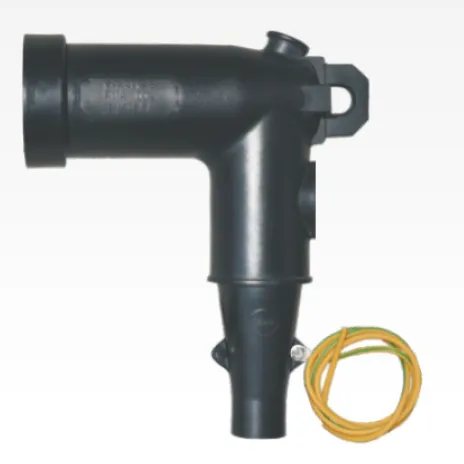
Cable terminals are essential electrical components that provide secure connections between cables and equipment in power distribution systems. These specialized connectors ensure reliable electrical continuity while protecting connections from environmental factors and mechanical stress. Understanding the various types of cable terminals and their specific applications is crucial for electrical engineers, technicians, and facility managers who work with power systems across industrial, commercial, and utility installations.
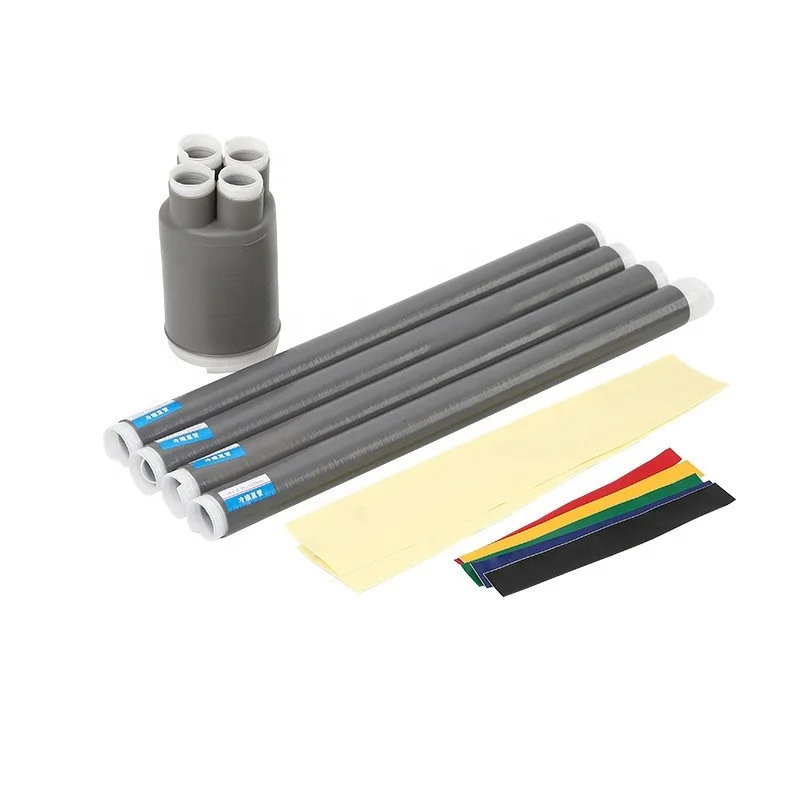
The selection of appropriate cable terminals depends on multiple factors including voltage level, current capacity, environmental conditions, and installation requirements. Modern cable terminals incorporate advanced materials and designs to meet increasingly demanding performance standards in electrical infrastructure. From basic compression terminals used in residential applications to sophisticated cold shrink terminals designed for high-voltage transmission systems, each type serves specific purposes within the broader electrical ecosystem.
Classification of Cable Terminals by Construction Method
Compression Cable Terminals
Compression cable terminals represent one of the most reliable connection methods in electrical installations. These terminals utilize mechanical compression to create a permanent connection between the conductor and the terminal body. The compression process involves specialized crimping tools that apply controlled force to deform the terminal barrel around the conductor, creating a gas-tight seal that prevents oxidation and ensures long-term electrical integrity.
The design of compression cable terminals incorporates specific barrel dimensions and compression ratios optimized for different conductor materials and sizes. Aluminum conductors require different compression parameters compared to copper conductors due to their distinct mechanical properties. Professional installers use calibrated compression tools with die sets specifically matched to the terminal manufacturer's specifications to achieve proper compression ratios.
Quality compression cable terminals feature inspection windows or marks that allow verification of proper conductor insertion depth before compression. This design element helps prevent installation errors that could compromise connection reliability. The compression process creates a molecular bond between the terminal and conductor that maintains consistent electrical resistance over decades of service life.
Bolted Cable Terminals
Bolted cable terminals provide removable connections suitable for applications where periodic maintenance or reconfiguration may be required. These terminals use mechanical fasteners to secure conductors within terminal bodies, allowing for field adjustments and replacements without specialized tools. The bolted connection method works particularly well with larger conductors where compression tooling becomes impractical or unavailable.
The construction of bolted cable terminals incorporates hardened bolts, spring washers, and contact plates designed to maintain consistent clamping force despite thermal cycling. Temperature variations in electrical systems cause expansion and contraction that can loosen mechanical connections over time. Quality bolted terminals address this challenge through belleville washers or other spring-loaded mechanisms that compensate for thermal movement.
Installation procedures for bolted cable terminals require careful attention to torque specifications and contact surface preparation. Proper torque values ensure adequate clamping force without over-stressing the terminal body or conductor. Surface preparation involves cleaning conductors to remove oxidation and applying joint compounds when specified to prevent galvanic corrosion between dissimilar metals.
Shrinkable Cable Terminals
Shrinkable cable terminals utilize heat-activated materials to create weatherproof connections ideal for outdoor and underground applications. These terminals combine traditional compression or mechanical connection methods with heat-shrinkable tubing that forms a protective seal around the entire connection area. The shrinking process activates adhesive linings that create waterproof barriers while providing strain relief for the cable jacket.
Heat shrink cable terminals require controlled heating during installation to achieve proper shrinkage ratios and adhesive activation. Professional installers use specialized heat guns or torches with temperature monitoring to ensure uniform heating without overheating that could damage the terminal or cable insulation. The shrinking process must progress gradually from the center outward to prevent air pockets or wrinkles in the finished installation.
Advanced shrinkable cable terminals incorporate multiple layers of materials including semiconductive stress control layers for medium and high voltage applications. These multi-layer designs manage electrical stress concentrations that develop at cable termination points, preventing partial discharge and extending service life in demanding electrical environments.
Voltage Rating Classifications for Cable Terminals
Low Voltage Cable Terminals
Low voltage cable terminals serve applications up to 1000 volts and represent the most commonly encountered terminal types in commercial and industrial installations. These terminals prioritize cost-effectiveness and ease of installation while maintaining adequate electrical performance for their intended voltage range. Material selection focuses on conductivity and corrosion resistance rather than the specialized insulation requirements of higher voltage applications.
The design of low voltage cable terminals accommodates a wide range of conductor sizes and types commonly found in building electrical systems. Standard configurations include ring terminals for bolt connections, spade terminals for quick connections, and straight-through terminals for conductor splicing. These terminals often feature color coding or size markings that simplify field identification and reduce installation errors.
Installation practices for low voltage cable terminals emphasize proper conductor preparation and connection integrity. While voltage stresses remain relatively low, current levels can be substantial in power distribution applications. Adequate contact area and proper compression ensure terminals can carry rated currents without excessive temperature rise that could degrade connection reliability over time.
Medium Voltage Cable Terminals
Medium voltage cable terminals operate in the 1kV to 35kV range and incorporate specialized insulation systems to manage increased electrical stresses. These terminals require careful attention to electric field control and stress grading to prevent partial discharge that could lead to insulation failure. The construction includes semiconductive layers and stress cones that distribute electrical stress over larger areas to reduce field intensities.
Material selection for medium voltage cable terminals emphasizes electrical properties alongside mechanical performance. Insulation materials must maintain their dielectric strength under continuous electrical stress while resisting degradation from environmental factors. Silicone rubber and ethylene propylene rubber represent common choices for their excellent electrical properties and weather resistance.
Installation procedures for medium voltage cable terminals require specialized training and adherence to strict quality control measures. Proper stress cone positioning, interface sealing, and insulation coordination are critical for reliable operation. Many installations require electrical testing after completion to verify proper installation and absence of defects that could cause premature failure.
High Voltage Cable Terminals
High voltage cable terminals serve transmission applications above 35kV where electrical stress management becomes paramount. These sophisticated devices incorporate multiple stress control elements including grading rings, stress cones, and field-grading materials that shape electric fields to prevent harmful concentrations. The complexity of high voltage terminals reflects the demanding performance requirements of transmission systems.
The construction of high voltage cable terminals involves precision manufacturing and material selection to ensure consistent electrical properties. Porcelain, polymer, and composite insulators provide the necessary insulation strength while withstanding environmental stresses including pollution, UV exposure, and mechanical loads. Internal stress control systems require careful design to accommodate the high electric field gradients present in transmission voltage applications.
Installation and maintenance of high voltage cable terminals require specialized expertise and safety procedures due to the inherent hazards of transmission voltage levels. Proper installation includes verification of all stress control elements, interface sealing integrity, and electrical testing to confirm performance specifications. Regular maintenance involves inspection for signs of degradation, cleaning of external surfaces, and periodic electrical testing to ensure continued reliability.
Environmental Protection Categories for Cable Terminals
Indoor Cable Terminals
Indoor cable terminals operate in controlled environments where temperature, humidity, and contamination levels remain relatively stable. These terminals optimize for electrical performance and cost-effectiveness without the robust environmental protection required for outdoor installations. Material selection emphasizes electrical conductivity and mechanical strength while relying on building environmental controls to limit exposure to harmful conditions.
The design of indoor cable terminals often incorporates ventilation features that allow air circulation to prevent moisture accumulation and temperature buildup. While indoor environments provide protection from direct weather exposure, they may present challenges including dust accumulation, chemical vapors, and temperature variations from heating and cooling systems. Terminal designs accommodate these factors through appropriate material selection and construction methods.
Installation practices for indoor cable terminals focus on proper electrical connections and mechanical support without extensive weatherproofing measures. However, indoor terminals still require attention to environmental factors specific to their installation location, such as corrosive atmospheres in industrial facilities or high humidity conditions in basements and utility tunnels.
Outdoor Cable Terminals
Outdoor cable terminals withstand direct exposure to weather conditions including rain, snow, ice, UV radiation, and temperature extremes. These terminals incorporate comprehensive weather sealing systems and materials selected for long-term environmental resistance. The construction includes features such as drip shields, sealed interfaces, and corrosion-resistant materials that maintain performance despite challenging outdoor conditions.
Material selection for outdoor cable terminals prioritizes weather resistance alongside electrical performance. Polymer insulators resist UV degradation and maintain flexibility through temperature cycles, while metallic components receive protective coatings or utilize inherently corrosion-resistant alloys. Sealing systems must maintain integrity through years of thermal cycling and mechanical stress from wind and ice loads.
Installation procedures for outdoor cable terminals include extensive sealing and weatherproofing measures to ensure environmental protection. Proper installation involves verification of all seal integrity, appropriate use of sealants and tapes, and positioning to promote water drainage. Regular maintenance includes inspection and renewal of weatherproofing materials to maintain long-term protection.
Underground and Submersible Cable Terminals
Underground and submersible cable terminals provide the highest level of environmental protection for applications where direct water contact is expected. These specialized terminals incorporate waterproof construction methods and materials specifically designed for continuous moisture exposure. The design challenges include maintaining electrical insulation properties while preventing water ingress under hydrostatic pressure conditions.
The construction of underground cable terminals utilizes multiple barrier systems to prevent water penetration. Primary sealing prevents bulk water entry, while secondary barriers protect against moisture migration through material interfaces. Advanced terminals incorporate active sealing systems that respond to pressure changes or mechanical stress to maintain waterproof integrity throughout service life.
Installation methods for underground cable terminals require specialized techniques to achieve waterproof performance. Proper installation includes surface preparation, sealant application, and pressure testing to verify waterproof integrity before burial. Some applications require installation in waterproof enclosures or vaults that provide additional protection against groundwater infiltration and mechanical damage from excavation activities.
Application-Specific Cable Terminal Designs
Power Distribution Cable Terminals
Power distribution cable terminals serve the critical function of connecting transmission and distribution cables to transformers, switchgear, and other electrical equipment. These terminals must handle substantial current levels while maintaining electrical isolation and providing reliable operation over decades of service. The design requirements emphasize current-carrying capacity, fault current withstand capability, and long-term connection stability.
The electrical design of power distribution cable terminals incorporates conductor sizing and contact area calculations that ensure adequate current capacity with acceptable temperature rise. Heat dissipation becomes critical in high-current applications where even small resistance increases can cause significant temperature elevation. Terminal designs include features such as heat sinks, increased contact area, and materials with high thermal conductivity to manage thermal performance.
Installation requirements for power distribution cable terminals include precise torque specifications, contact surface preparation, and verification of electrical continuity. These terminals often connect different conductor materials, requiring careful attention to galvanic compatibility and joint compound application. The installation process must ensure mechanical integrity capable of withstanding electromagnetic forces generated during fault conditions.
Grounding and Bonding Cable Terminals
Grounding and bonding cable terminals provide essential safety connections that protect personnel and equipment from electrical faults and lightning strikes. These specialized terminals must maintain low resistance connections capable of carrying fault currents safely to ground without creating hazardous conditions. The design emphasizes corrosion resistance and mechanical durability to ensure reliable ground connections throughout system service life.
Material selection for grounding cable terminals prioritizes corrosion resistance and electrical conductivity in soil environments where moisture and chemical contamination create challenging conditions. Bronze, stainless steel, and specialized copper alloys provide the necessary combination of conductivity and corrosion resistance. The terminal design often incorporates multiple connection points to accommodate various grounding conductor sizes and configurations.
Installation practices for grounding cable terminals require attention to soil conditions, conductor routing, and connection integrity. Proper installation includes soil resistivity testing, appropriate backfill materials, and corrosion protection measures. Regular testing verifies ground connection resistance remains within acceptable limits as soil conditions change over time due to moisture variations and chemical migration.
Renewable Energy Cable Terminals
Renewable energy cable terminals serve the unique requirements of solar, wind, and other renewable generation systems where environmental exposure and specialized electrical characteristics demand customized solutions. These terminals must accommodate DC applications in solar systems, variable frequency AC in wind systems, and often require enhanced UV resistance for outdoor installations. The design requirements reflect the specific challenges of renewable energy infrastructure.
Solar photovoltaic systems utilize cable terminals designed for DC applications with enhanced UV resistance and temperature performance. These terminals must maintain reliable connections despite daily thermal cycling and exposure to intense solar radiation. The construction incorporates materials and designs that resist UV degradation while accommodating the expansion and contraction cycles typical of solar installations.
Wind energy applications require cable terminals capable of handling the mechanical stresses associated with tower installations and the electrical characteristics of variable speed generation systems. These terminals often incorporate vibration-resistant designs and enhanced mechanical support to withstand the dynamic loads present in wind turbine installations. The electrical design accommodates the power electronics and frequency conversion systems common in modern wind energy systems.
FAQ
What factors should be considered when selecting cable terminals for a specific application?
The selection of appropriate cable terminals depends on several critical factors including voltage level, current rating, environmental conditions, conductor material and size, and installation method. Voltage determines the required insulation level and stress control features, while current rating affects conductor sizing and heat dissipation requirements. Environmental factors such as moisture, temperature extremes, UV exposure, and chemical contamination influence material selection and sealing requirements. The conductor material compatibility ensures proper electrical and mechanical performance, while installation constraints may favor particular terminal types such as compression, bolted, or shrinkable designs.
How do compression cable terminals differ from bolted terminals in terms of performance and application?
Compression cable terminals create permanent connections through mechanical deformation that provides consistent electrical contact and prevents oxidation, making them ideal for applications requiring long-term reliability without maintenance. These terminals typically offer lower electrical resistance and better resistance to vibration and thermal cycling. Bolted terminals provide removable connections suitable for applications requiring periodic maintenance or reconfiguration, though they may require periodic re-torquing to maintain proper contact pressure. Compression terminals generally provide superior long-term performance, while bolted terminals offer greater flexibility for system modifications and maintenance access.
What are the key differences between indoor and outdoor cable terminals?
Indoor cable terminals operate in controlled environments and focus primarily on electrical performance and cost-effectiveness without extensive environmental protection. They typically use standard materials and construction methods suitable for stable temperature and humidity conditions. Outdoor cable terminals incorporate comprehensive weather sealing, UV-resistant materials, and corrosion protection to withstand direct exposure to rain, snow, temperature extremes, and solar radiation. The construction includes features such as drip shields, weatherproof seals, and materials specifically selected for outdoor durability, resulting in higher costs but essential performance for exposed installations.
Why are stress control features important in medium and high voltage cable terminals?
Stress control features in medium and high voltage cable terminals manage the intense electric fields that develop at cable termination points, preventing partial discharge that can lead to insulation failure. At higher voltages, electric field concentrations at sharp edges or interfaces can exceed the breakdown strength of insulation materials, causing gradual degradation or sudden failure. Stress control elements such as stress cones, grading rings, and semiconductive layers redistribute these electric fields over larger areas, reducing field intensity to safe levels. Proper stress control is essential for reliable operation and achieving design service life in medium and high voltage applications.
Table of Contents
- Classification of Cable Terminals by Construction Method
- Voltage Rating Classifications for Cable Terminals
- Environmental Protection Categories for Cable Terminals
- Application-Specific Cable Terminal Designs
-
FAQ
- What factors should be considered when selecting cable terminals for a specific application?
- How do compression cable terminals differ from bolted terminals in terms of performance and application?
- What are the key differences between indoor and outdoor cable terminals?
- Why are stress control features important in medium and high voltage cable terminals?