
 EN
EN
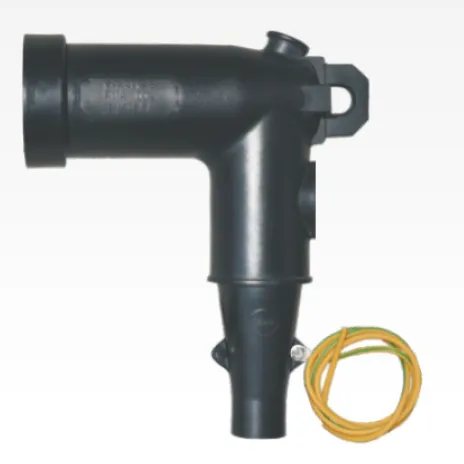
European-style cable accessories have earned a distinguished reputation in the global electrical infrastructure market for their exceptional reliability, durability, and performance consistency. These components, which include cable terminals, joints, connectors, and stress control solutions, are engineered according to stringent European standards that emphasize safety, longevity, and operational efficiency. The design philosophy behind European-style cable accessories differs fundamentally from other regional approaches, incorporating advanced materials science, precision manufacturing techniques, and comprehensive testing protocols that address the full spectrum of environmental and electrical challenges encountered in modern power distribution systems.
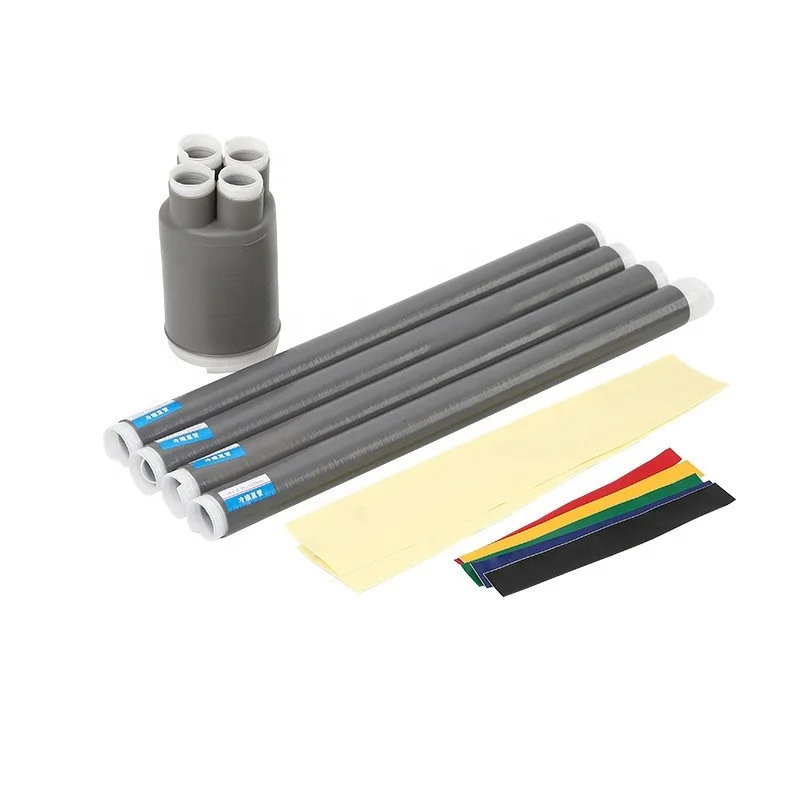
Understanding what makes these cable accessories more reliable requires examining the specific design features that distinguish them from alternatives in the marketplace. From the molecular composition of insulating materials to the geometric configuration of stress relief components, every aspect of European-style cable accessories reflects decades of engineering refinement and field experience. This article explores the critical design elements that contribute to the superior reliability of these products, providing electrical engineers, procurement specialists, and infrastructure planners with the technical insights needed to make informed specification decisions for their cable accessory requirements.
Material Science and Composition Standards
Advanced Polymer Formulations in European Cable Accessories
The foundation of reliability in European-style cable accessories lies in the sophisticated polymer materials used throughout their construction. European manufacturers typically employ cross-linked polyethylene, ethylene propylene rubber, and silicone rubber compounds that have been specifically formulated to meet stringent EN and IEC standards. These materials undergo controlled cross-linking processes that create three-dimensional molecular networks, significantly enhancing mechanical strength, thermal stability, and resistance to electrical tracking. The material specifications for European-style cable accessories mandate specific elongation at break percentages, tensile strength minimums, and thermal aging characteristics that ensure consistent performance across temperature ranges from minus forty to plus ninety degrees Celsius.
The dielectric properties of insulating materials used in European-style cable accessories are optimized through precise control of additives, fillers, and processing parameters. European standards require that insulating materials demonstrate low dielectric loss factors, high volume resistivity, and excellent resistance to partial discharge activity. These properties are achieved through the use of ultra-pure base polymers combined with carefully selected flame retardants, UV stabilizers, and antioxidants that do not compromise electrical performance. The result is cable accessories that maintain their insulating integrity even under continuous high-voltage stress, moisture exposure, and temperature cycling conditions that would degrade inferior materials.
Conductive Component Material Selection
The conductive elements within European-style cable accessories are manufactured from high-purity copper or aluminum alloys selected for optimal conductivity, corrosion resistance, and mechanical workability. European design standards specify minimum conductivity percentages and maximum impurity levels that ensure low resistance connections and minimal heat generation during current flow. The surface treatments applied to conductive components, including tin plating, silver plating, or nickel plating, are selected based on the specific application environment and the types of conductors being connected. These coatings prevent oxidation, reduce contact resistance, and facilitate reliable long-term electrical connections that do not degrade due to galvanic corrosion or thermal cycling.
Spring elements and compression components in European-style cable accessories utilize specialized alloys with precisely controlled spring constants and fatigue resistance characteristics. These materials maintain consistent contact pressure over decades of service, compensating for thermal expansion and contraction cycles while preventing the loosening of electrical connections that can lead to hot spots and eventual failure. The metallurgical specifications for these components are far more demanding than those found in cable accessories manufactured to less stringent regional standards, contributing significantly to the superior long-term reliability of European designs.
Stress Control and Electric Field Management
Geometric Stress Relief Design Principles
One of the most critical design features distinguishing European-style cable accessories is their sophisticated approach to electric field stress management at cable termination and joint points. European engineering practices emphasize the use of precisely contoured stress control elements that gradually redistribute the concentrated electric fields that naturally occur where cable insulation is removed or interrupted. These stress control components typically employ deflectors, stress cones, and field grading materials positioned according to finite element analysis calculations that optimize field distribution. The geometric profiles are designed to eliminate sharp transitions and high-field concentration points that can initiate electrical treeing and eventual insulation breakdown.
The dimensional tolerances specified for stress control components in European-style cable accessories are remarkably tight, often measured in tenths of millimeters, ensuring that the intended field distribution is achieved in actual installations. European manufacturers invest heavily in precision molding and quality control processes that verify these critical dimensions on every component. This attention to geometric accuracy translates directly into reliability, as even minor deviations from optimal stress control profiles can create localized field intensifications that accelerate aging and reduce service life. The rigorous dimensional control practiced in European manufacturing contrasts sharply with the more relaxed tolerances sometimes accepted in other regional production approaches.
Field Grading Material Technology
European-style cable accessories frequently incorporate advanced field grading materials that provide non-linear resistive or capacitive stress control. These materials, which include stress control mastics, semi-conductive tapes, and geometric deflectors, are engineered to manage electric field distribution through carefully calibrated electrical properties. Resistive field grading materials used in European designs exhibit precisely controlled volume resistivity values that allow controlled current leakage to redistribute fields while generating minimal heat. Capacitive grading approaches utilize materials with specific dielectric constants positioned to create favorable field distributions through displacement current effects rather than conduction.
The performance stability of field grading materials over time and across environmental conditions is a particular focus of European design standards. These materials must maintain their electrical properties despite exposure to moisture, temperature extremes, and long-term electrical stress. European test protocols require accelerated aging evaluations that simulate decades of service, verifying that field grading effectiveness does not degrade in ways that would compromise cable accessory reliability. This emphasis on long-term material stability ensures that European-style cable accessories continue to provide effective stress control throughout their intended service life, preventing the premature failures that can occur when field grading materials deteriorate.
Environmental Sealing and Moisture Management
Multi-Barrier Sealing System Architecture
The exceptional reliability of European-style cable accessories stems significantly from their comprehensive approach to environmental sealing and moisture exclusion. European designs typically incorporate multiple redundant sealing barriers that prevent water ingress even if one sealing element is compromised during installation or service. These multi-layer systems might include internal mastic seals that flow under pressure to fill voids, elastomeric O-rings that provide mechanical compression seals, and external weatherproof housings that shield the entire assembly from direct environmental exposure. The redundancy philosophy ensures that a single installation imperfection or seal degradation does not immediately compromise the cable accessory's protective function.
The sealing materials selected for European-style cable accessories are specifically formulated to maintain their sealing effectiveness across the full range of service temperatures and under prolonged compression set conditions. European standards require that sealing elastomers demonstrate minimal permanent deformation after extended compression at elevated temperatures, ensuring that seals maintain contact pressure and impermeability throughout decades of service. Additionally, these materials must resist degradation from ozone exposure, UV radiation, and contact with cable insulation materials, lubricants, and other substances encountered in typical installations. The chemical compatibility testing required by European specifications is far more comprehensive than that mandated by many other regional standards.
Hydrophobic Material Integration
European-style cable accessories often incorporate specialized hydrophobic compounds that actively repel moisture and prevent water accumulation within critical electrical zones. These materials, which may include silicone greases, hydrophobic gels, and moisture-blocking compounds, create barriers that prevent capillary water migration along conductor strands and into insulation interfaces. The hydrophobic materials used in European designs are selected not only for their water-repelling properties but also for their electrical neutrality, ensuring they do not contribute to tracking, partial discharge, or dielectric loss. Their chemical stability ensures they remain effective even after years of service in humid or wet environments.
The application methods for hydrophobic materials in European-style cable accessories are carefully engineered to ensure complete coverage of vulnerable areas without creating voids or gaps that could trap moisture. European installation instructions typically specify precise quantities and application techniques that have been validated through extensive testing. This attention to moisture management detail reflects the European understanding that water ingress is one of the most common causes of cable accessory failure, and that preventing moisture access is essential for achieving the reliability levels expected in critical electrical infrastructure applications.
Manufacturing Precision and Quality Assurance
Dimensional Accuracy and Assembly Tolerances
The manufacturing processes used to produce European-style cable accessories are characterized by exceptional dimensional precision and rigorous quality control protocols. European manufacturers typically employ computer-controlled molding equipment, automated assembly systems, and comprehensive in-process inspection procedures that verify critical dimensions and assembly parameters on every component. The investment in precision manufacturing equipment and quality systems is substantial, but it directly translates into the consistent reliability that distinguishes European-style cable accessories in the marketplace. Dimensional variations that might seem minor can significantly impact electrical performance and sealing effectiveness, making precision manufacturing an essential reliability factor.
The assembly processes for European-style cable accessories often incorporate automated quality verification steps that detect and reject components with out-of-specification dimensions, material defects, or assembly errors. Vision inspection systems, automated electrical testing, and force-displacement monitoring during assembly ensure that every cable accessory leaving the production line meets stringent quality standards. This level of manufacturing rigor contrasts with the more variable production approaches sometimes used for cable accessories manufactured to less demanding specifications, where visual inspection and sampling-based quality control may be the primary quality assurance methods.
Type Testing and Performance Validation Protocols
European-style cable accessories undergo extensive type testing protocols that far exceed the minimum requirements of many other regional standards. These comprehensive test sequences include electrical tests such as partial discharge measurements, lightning impulse withstand tests, power frequency voltage tests, and long-duration voltage endurance evaluations. Mechanical tests evaluate resistance to bending, torsion, and environmental stress cracking. Environmental tests subject cable accessories to temperature cycling, humidity exposure, salt fog exposure, and UV radiation to verify performance stability under challenging conditions. The cumulative effect of these rigorous type testing requirements is that only designs with genuine reliability advantages successfully achieve European certification.
The documentation and traceability requirements associated with European-style cable accessories provide additional reliability assurance by enabling comprehensive quality audits and failure analysis when issues do occur. European manufacturers maintain detailed records of material lot numbers, production dates, test results, and installation locations that facilitate rapid identification and resolution of any quality concerns. This transparency and accountability culture contributes to continuous improvement processes that steadily enhance the reliability of European-style cable accessories over successive product generations.
Installation Design and Field Performance Optimization
Installation Error Prevention Features
European-style cable accessories incorporate numerous design features specifically intended to prevent common installation errors that can compromise reliability. These might include color-coded components that indicate proper assembly sequence, mechanical stops that prevent over-compression or under-compression of sealing elements, and alignment features that ensure correct positioning of stress control components. The installation instructions provided with European-style cable accessories are typically comprehensive, illustrated documents that guide installers through each critical step with clear photographs, dimensional specifications, and quality verification checkpoints. This focus on installation error prevention reflects the European understanding that even the most sophisticated cable accessory design can fail if improperly installed.
Many European-style cable accessories utilize cold shrink or pre-stretched elastic designs that eliminate the need for heat application during installation, removing a significant source of potential installation errors and material damage. These designs allow installers to achieve consistent, reliable installations without specialized heating equipment or extensive training. The elastic recovery forces in cold shrink European-style cable accessories are carefully engineered to provide optimal contact pressure across a range of cable diameters, compensating for minor dimensional variations and ensuring effective sealing and electrical contact. This installation tolerance contributes significantly to field reliability by reducing sensitivity to installer skill variations.
Long-Term Mechanical Stability
The mechanical design of European-style cable accessories emphasizes long-term dimensional stability and resistance to creep, relaxation, and environmental stress cracking. The materials and mechanical configurations are selected to maintain their intended geometry and contact pressures throughout decades of service, despite continuous exposure to mechanical loads, thermal cycling, and environmental stresses. European standards require accelerated aging tests that simulate extended service periods, verifying that critical dimensions, spring forces, and sealing pressures remain within specification after equivalent decades of field exposure. This emphasis on long-term mechanical stability ensures that European-style cable accessories continue to perform reliably long after installation.
The resistance to mechanical shock and vibration is another important reliability feature of European-style cable accessories. These components are designed and tested to withstand the mechanical forces encountered during cable installation, transportation vibration during shipment, and operational vibrations from adjacent equipment. European test protocols include mechanical shock tests, vibration endurance tests, and impact resistance evaluations that verify structural integrity under challenging mechanical conditions. This mechanical robustness prevents the loosening of connections, cracking of insulating components, and seal degradation that can occur in cable accessories with less robust mechanical designs.
FAQ
What voltage ratings are typically available for European-style cable accessories?
European-style cable accessories are manufactured for a comprehensive range of voltage applications, from low voltage systems at four hundred volts up to extra high voltage installations exceeding four hundred kilovolts. The most common voltage classes include low voltage up to one kilovolt, medium voltage from one kilovolt to thirty-six kilovolts, and high voltage from thirty-six kilovolts to one hundred fifty kilovolts. Each voltage class has specific design requirements, insulation thicknesses, stress control configurations, and testing protocols defined by European standards. The selection of appropriate voltage-rated European-style cable accessories depends on the system voltage, insulation coordination requirements, and environmental conditions of the specific installation.
How do European-style cable accessories compare in cost to other regional designs?
European-style cable accessories typically command premium pricing compared to cable accessories manufactured to less stringent regional standards, reflecting their superior materials, precision manufacturing, comprehensive testing, and enhanced reliability features. The initial cost premium generally ranges from twenty to fifty percent depending on voltage class and product type. However, total cost of ownership calculations often favor European-style cable accessories due to their significantly lower failure rates, extended service life, reduced maintenance requirements, and minimized costs associated with unplanned outages. For critical infrastructure applications where reliability is paramount, the superior performance of European-style cable accessories typically justifies their higher initial investment through reduced lifecycle costs and enhanced system availability.
Can European-style cable accessories be used with cable types from different regions?
European-style cable accessories are designed with dimensional and electrical compatibility for a wide range of cable constructions, including those manufactured according to European, North American, and international standards. The key compatibility factors include cable conductor size, insulation thickness, insulation material type, and overall cable diameter. Most European-style cable accessories specify compatible cable ranges and provide adapters or sizing options that accommodate various cable constructions. However, optimal performance and reliability require careful verification of compatibility between the specific cable accessory design and the cable construction being used. Installation instructions should be consulted to ensure proper material compatibility, dimensional fit, and electrical coordination. When properly matched, European-style cable accessories provide excellent reliability with cables from various manufacturing origins.
What maintenance requirements do European-style cable accessories have during their service life?
One of the significant advantages of European-style cable accessories is their minimal maintenance requirement during normal service. These components are designed as sealed, maintenance-free assemblies that do not require periodic inspections, retightening, or seal replacement under typical operating conditions. The robust materials, comprehensive environmental sealing, and mechanical stability features ensure that European-style cable accessories maintain their performance characteristics without intervention throughout their design service life, which typically ranges from thirty to forty years depending on application conditions. Routine maintenance is generally limited to external visual inspection for physical damage, verification that environmental seals remain intact, and periodic infrared thermography to detect any developing hot spots that might indicate connection degradation. This maintenance-free characteristic reduces operational costs and improves system reliability by eliminating opportunities for maintenance-induced failures.
Table of Contents
- Material Science and Composition Standards
- Stress Control and Electric Field Management
- Environmental Sealing and Moisture Management
- Manufacturing Precision and Quality Assurance
- Installation Design and Field Performance Optimization
-
FAQ
- What voltage ratings are typically available for European-style cable accessories?
- How do European-style cable accessories compare in cost to other regional designs?
- Can European-style cable accessories be used with cable types from different regions?
- What maintenance requirements do European-style cable accessories have during their service life?