
 EN
EN
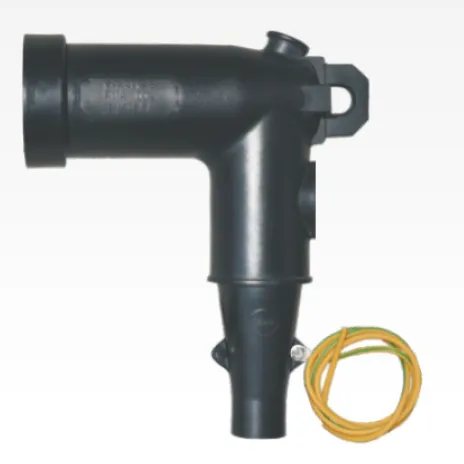
Global electric utilities face a critical decision when selecting cable accessories for medium and high-voltage power distribution networks. The choice between regional standards and technical philosophies directly impacts system reliability, maintenance costs, and operational safety over decades of service life. Among the various approaches available worldwide, European-style cable accessories have emerged as a trusted solution across diverse geographical markets, from North America to Asia-Pacific, and from Latin America to the Middle East. This widespread adoption by utilities operating under different regulatory frameworks, climate conditions, and grid architectures reflects a fundamental confidence in the engineering principles, material science, and design philosophy that define European approaches to cable connection technology.
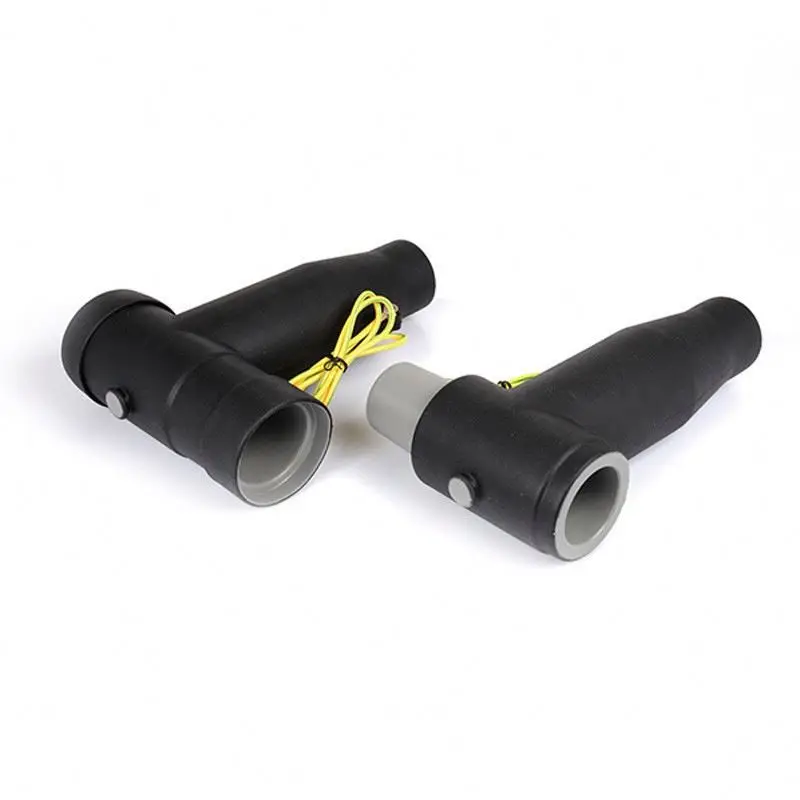
Understanding why utilities worldwide place their confidence in European-style cable accessories requires examining the convergence of standardization rigor, material innovation, field-proven performance data, and design methodologies that prioritize long-term reliability over initial cost savings. The technical reasons behind this trust extend beyond superficial preferences or regional bias, rooted instead in measurable performance outcomes, regulatory compliance advantages, and alignment with modern grid resilience requirements. This article explores the specific engineering characteristics, quality assurance practices, operational benefits, and strategic considerations that explain why European-style cable accessories continue to gain market share and utility preference in competitive global procurement environments.
Engineering Philosophy and Design Standards Behind European Cable Accessory Trust
Standardization Framework and Regulatory Rigor
The foundation of trust in European-style cable accessories begins with the comprehensive standardization framework established by organizations such as CENELEC, IEC, and national bodies like VDE in Germany or BSI in the United Kingdom. These standards represent decades of collaborative engineering research, field failure analysis, and continuous improvement cycles that have refined technical requirements for cable terminations and joints. European standards for cable accessories typically incorporate stringent type testing protocols, routine testing requirements, and sample testing procedures that verify performance under electrical stress, thermal cycling, mechanical load, and environmental exposure conditions that simulate decades of operational life.
European-style cable accessories benefit from harmonized technical specifications that facilitate cross-border utility procurement while maintaining consistent quality baselines. The CE marking requirements, combined with third-party certification schemes, create accountability mechanisms that manufacturers must satisfy before products reach utility customers. This regulatory environment contrasts with regions where standards may be less prescriptive or enforcement less consistent, creating quality variations that utilities find difficult to manage. The trust utilities place in European-style cable accessories reflects confidence that products meeting these standards have undergone verification processes that genuinely predict field performance rather than merely satisfying minimum bureaucratic requirements.
Material Science Innovation and Quality Control
The material science underlying European-style cable accessories represents another critical factor in utility trust. European manufacturers have pioneered the development and application of advanced silicone rubber compounds, cold-shrink elastomers, and heat-shrink polymers engineered specifically for electrical insulation in harsh environments. These materials exhibit superior performance characteristics including hydrophobicity that resists surface tracking, thermal stability across temperature extremes, UV resistance for outdoor installations, and mechanical flexibility that accommodates cable movement without stress concentration. The consistent material quality achieved through European supply chains, combined with rigorous incoming inspection protocols, ensures that batch-to-batch variations remain within tight tolerances.
Quality control practices embedded in European manufacturing traditions further reinforce utility confidence. Many European producers of cable accessories maintain ISO 9001 quality management systems complemented by industry-specific certifications and participate in continuous improvement programs that track field performance data. The traceability systems implemented by European manufacturers enable utilities to correlate installation records with production batches, facilitating root cause analysis when rare failures occur and demonstrating accountability that builds long-term trust. This commitment to material excellence and process control addresses utility concerns about premature aging, moisture ingress, and mechanical degradation that can compromise grid reliability.
Interface Compatibility and System Integration
European-style cable accessories have earned utility trust through demonstrated compatibility with diverse cable types, conductor configurations, and installation environments. The dimensional tolerances, interface geometries, and connection methodologies specified in European standards accommodate variations in cable construction while maintaining electrical integrity. Whether utilities operate networks with paper-insulated lead-covered cables requiring transition joints, XLPE-insulated cables demanding stress control interfaces, or mixed cable populations with varying insulation materials, European-style cable accessories provide engineered solutions that address these complex interface challenges without compromising performance or requiring extensive field modifications.
The modular design philosophy prevalent in European cable accessory engineering allows utilities to standardize on component platforms while retaining flexibility to adapt installations to specific circuit requirements. This approach reduces inventory complexity, simplifies training requirements for installation crews, and streamlines procurement processes across utility organizations with geographically dispersed operations. Utilities appreciate that European-style cable accessories typically feature intuitive assembly sequences, clear installation documentation, and design features that minimize the risk of installation errors that could compromise long-term performance. This user-centered engineering philosophy translates directly into reduced installation time, lower labor costs, and greater confidence in field workmanship quality.
Field Performance Track Record and Reliability Data
Long-Term Service Life Evidence
The trust global utilities place in European-style cable accessories derives significantly from extensive field performance data accumulated over decades of service across diverse operating conditions. Many utilities have documented service lives exceeding thirty years for European-manufactured cable terminations and joints installed in medium and high-voltage distribution networks, with failure rates substantially below industry averages. This empirical evidence, gathered from millions of installation-years across utilities in tropical, temperate, arctic, and desert climates, provides statistical confidence that properly installed European-style cable accessories will perform reliably throughout their design life without requiring premature replacement or intensive monitoring.
The low failure rates associated with European-style cable accessories translate directly into operational benefits that utility asset managers quantify when justifying procurement decisions. Reduced unplanned outage frequency improves customer service reliability metrics, lowers regulatory penalties in jurisdictions with performance-based rate structures, and decreases emergency repair costs that can exceed routine maintenance budgets. Utilities operating critical infrastructure segments such as airport feeders, hospital circuits, or data center connections particularly value the predictable performance characteristics of European-style cable accessories, where failure consequences extend beyond financial considerations to encompass safety risks and societal disruption. The documented reliability track record provides risk management justification that satisfies utility governance requirements and stakeholder accountability expectations.
Environmental Stress Resilience
Global utilities trust European-style cable accessories because these products have demonstrated resilience against environmental stress factors that challenge cable system integrity. The hydrophobic silicone rubber interfaces commonly employed in European designs resist moisture ingress that accelerates electrical treeing and insulation breakdown in humid or flooded installation environments. UV-stabilized materials maintain mechanical properties and electrical performance despite prolonged exposure to intense sunlight in overhead applications or desert installations. Thermal cycling performance verified through accelerated aging tests confirms that European-style cable accessories accommodate the expansion and contraction cycles that occur in cables carrying variable loads without developing mechanical stress concentrations or interface separations.
Utilities operating in coastal regions appreciate the salt fog resistance engineered into European-style cable accessories, where surface contamination can create leakage currents and tracking failures on products designed for less demanding environments. Similarly, utilities in industrial areas value the chemical resistance of European materials that withstand exposure to pollutants, solvents, and aggressive atmospheric conditions without degradation. The comprehensive environmental qualification testing required by European standards ensures that products will perform reliably across the full range of conditions utilities encounter globally, eliminating the need for regional product variations that complicate procurement and increase inventory costs. This universal applicability reduces procurement complexity for multinational utilities and utilities serving geographically diverse service territories.
Failure Mode Predictability and Diagnostic Capability
European-style cable accessories earn utility trust through predictable failure modes that enable proactive asset management strategies. When failures do occur, European designs typically exhibit gradual degradation patterns detectable through partial discharge monitoring, infrared thermography, or other condition assessment techniques before catastrophic breakdown occurs. This predictability allows utilities to schedule replacements during planned outage windows rather than responding to emergency failures that disrupt customer service and require expensive overtime labor. The diagnostic-friendly characteristics of European-style cable accessories align with modern grid management philosophies that emphasize condition-based maintenance over time-based replacement schedules.
The failure investigation data available from European manufacturers further reinforces utility confidence. When rare failures occur, European producers typically conduct thorough root cause analyses, share findings with affected utilities, and implement design or process improvements that prevent recurrence. This transparent approach to quality management contrasts with manufacturers who treat failures as isolated incidents rather than opportunities for systemic improvement. Utilities value manufacturers who demonstrate accountability and continuous improvement commitment, characteristics consistently associated with European cable accessory suppliers who maintain long-term relationships with utility customers rather than pursuing transactional sales strategies focused solely on initial product placement.
Installation Practices and Workforce Capability Alignment
Field Installation Efficiency and Error Reduction
Global utilities trust European-style cable accessories partly because these products align with workforce capability realities and installation practice requirements. European designs typically incorporate installation features that reduce dependence on specialized skills, expensive tooling, or complex procedures that increase error probability. Cold-shrink technologies pioneered by European manufacturers eliminate the need for heat application equipment and the associated risks of overheating or uneven shrinkage that compromise electrical performance. Pre-expanded elastomer components slide into position and conform automatically to cable geometries, reducing installation time while improving consistency compared to heat-shrink alternatives that require precise temperature control and timing.
The installation manuals and training materials provided by European cable accessory manufacturers reflect a commitment to workforce support that utilities find valuable. Detailed step-by-step instructions, visual guides, and quality checkpoint protocols enable utility crews to achieve consistent installation quality even when working with product variants or cable configurations encountered infrequently. Many European manufacturers offer installation training programs, certification schemes, and field technical support that transfer knowledge systematically rather than relying on informal apprenticeship models that perpetuate inconsistent practices. This structured approach to installation knowledge management reduces the risk of workmanship defects that can undermine product performance regardless of inherent design quality.
Safety Features and Worker Protection
European-style cable accessories incorporate safety features that protect installation crews and maintenance personnel, contributing to utility trust by addressing workforce protection priorities. Design elements such as integrated grounding provisions, voltage indicator mounting provisions, and mechanical interlocks that prevent improper assembly sequences reduce the risk of electric shock, arc flash, and other occupational hazards. The materials used in European-style cable accessories typically exhibit low toxicity during installation, avoiding the hazardous fumes or skin sensitization risks associated with some alternative materials. These safety considerations align with utility occupational health commitments and regulatory compliance obligations that increasingly influence procurement decisions.
The ergonomic design characteristics prevalent in European cable accessories also enhance worker safety by reducing physical strain during installation. Lightweight components, modular assembly sequences that avoid awkward positioning, and installation methods that minimize confined space work duration all contribute to reduced injury risk and improved productivity. Utilities recognize that products requiring excessive physical effort or exposing workers to hazardous conditions create liability exposure, workers' compensation costs, and workforce morale challenges that outweigh any initial procurement savings. The attention European manufacturers pay to installation ergonomics demonstrates an understanding of total cost of ownership that extends beyond material costs to encompass labor efficiency and safety performance.
Installation Verification and Quality Assurance
European-style cable accessories facilitate installation quality verification through design features that enable objective assessment of workmanship adequacy. Visual inspection windows, dimensional checkpoints, and mechanical indicators that confirm proper component positioning provide installation crews and quality assurance inspectors with clear pass-fail criteria that reduce subjective judgment. Some European designs incorporate witness marks, color-coded components, or sequential assembly features that make installation errors immediately apparent, enabling correction before energization rather than discovering defects through field failures. These quality assurance enablers align with utility asset management systems that require documented verification of critical installation steps.
The compatibility of European-style cable accessories with standardized testing protocols further supports utility quality management objectives. Products designed to accommodate high-potential testing, partial discharge measurement, and other commissioning verification procedures enable utilities to validate installation quality objectively before placing circuits into service. This testing compatibility provides risk mitigation assurance that justifies procurement decisions to utility leadership, regulatory authorities, and stakeholders concerned about reliability performance. The comprehensive testing protocols specified in European standards ensure that products perform reliably when subjected to verification procedures that might expose weaknesses in accessories designed to less rigorous requirements.
Total Cost of Ownership and Asset Management Value
Life-Cycle Cost Analysis Advantages
Utilities trust European-style cable accessories because comprehensive life-cycle cost analyses consistently demonstrate favorable total ownership economics compared to alternatives with lower initial purchase prices. While procurement costs for European-style cable accessories may exceed commodity alternatives, the extended service life, reduced failure rates, lower maintenance requirements, and avoided outage costs produce net present value advantages over typical utility planning horizons of thirty to forty years. The financial modeling tools utilities employ to evaluate capital investments increasingly incorporate reliability performance data, warranty provisions, and manufacturer support commitments that favor European suppliers who demonstrate long-term accountability rather than transactional suppliers focused on initial product placement.
The reduced inventory costs associated with European-style cable accessories contribute to total ownership advantages through standardization opportunities that commodity products cannot match. Utilities operating networks with diverse cable types and voltage classes can often standardize on fewer European accessory variants than required with regional alternatives, reducing warehouse space requirements, obsolescence risk, and procurement administrative burden. The longer shelf life typical of European materials, combined with manufacturing quality consistency that reduces installation rework, further improves inventory economics. These operational efficiency gains, while less visible than initial purchase price differences, accumulate significantly over multi-year procurement cycles and across utility organizations with thousands of installation points.
Regulatory Compliance and Standards Alignment
Global utilities increasingly trust European-style cable accessories because these products facilitate compliance with evolving regulatory requirements and industry standards that govern grid reliability, safety performance, and environmental responsibility. As jurisdictions worldwide adopt IEC-based technical codes, utilities operating internationally benefit from European accessory designs already conforming to these globally harmonized requirements. This standards alignment reduces engineering analysis burden when utilities deploy equipment across multiple regulatory environments, simplifies compliance documentation, and minimizes the risk of specification conflicts that delay project approvals or create warranty complications.
The environmental compliance characteristics of European-style cable accessories address utility sustainability commitments and regulatory requirements that increasingly influence procurement decisions. European manufacturers typically provide detailed material composition documentation, recycling guidance, and environmental impact assessments that satisfy utility environmental management system requirements. The restriction of hazardous substances compliance embedded in European manufacturing practices aligns with global chemical safety regulations, reducing utilities' exposure to future regulatory restrictions on legacy materials. These compliance advantages provide risk management value that utilities incorporate into procurement evaluation criteria alongside traditional technical and financial considerations.
Supply Chain Reliability and Manufacturer Stability
The trust utilities place in European-style cable accessories reflects confidence in supply chain reliability and manufacturer financial stability that supports long-term asset management strategies. Established European manufacturers typically maintain diversified production capacity, qualified supplier networks, and inventory management systems that ensure consistent product availability even during market disruptions or demand surges. This supply chain resilience addresses utility concerns about procurement continuity for critical infrastructure projects where delays create regulatory penalties, customer service impacts, and project cost overruns that exceed any savings from lower-priced alternatives with uncertain delivery performance.
The corporate stability and multi-generational operational history characteristic of many European cable accessory manufacturers provide utilities with confidence in long-term technical support, spare parts availability, and warranty claim responsiveness. Utilities making capital investments with forty-year depreciation schedules need suppliers who will remain viable throughout asset service life to provide technical expertise, replacement components, and retrofitting solutions as grid requirements evolve. The track record of European manufacturers who have supported utility customers through multiple technology generations and industry restructuring cycles demonstrates commitment to market presence that informs utility supplier relationship strategies and procurement risk assessment.
Strategic Alignment with Modern Grid Requirements
Smart Grid Integration and Monitoring Compatibility
European-style cable accessories have earned utility trust through demonstrated compatibility with smart grid technologies and condition monitoring systems that define modern distribution network management. Many European accessory designs incorporate provisions for partial discharge sensors, temperature monitoring devices, and other diagnostic instrumentation that enable utilities to implement condition-based asset management strategies. This monitoring-ready design philosophy aligns with utility digital transformation initiatives that leverage real-time asset condition data to optimize maintenance scheduling, extend equipment life, and prevent service interruptions through predictive intervention.
The data communication capabilities increasingly integrated into European cable accessories support utility automation strategies and grid intelligence objectives. Accessories equipped with RFID tags, QR codes, or embedded sensors enable utilities to maintain accurate asset inventories, track installation history, and correlate performance data with product specifications and installation parameters. This digital integration facilitates the asset information management systems utilities require to optimize capital planning, demonstrate regulatory compliance, and justify rate recovery of infrastructure investments. The forward-looking technology integration evident in European-style cable accessories demonstrates manufacturer understanding of utility strategic priorities beyond traditional product functionality.
Renewable Energy Integration and Grid Flexibility
Global utilities trust European-style cable accessories for supporting renewable energy integration challenges that demand enhanced grid flexibility and reliability performance. The variable generation patterns characteristic of wind and solar resources create cable loading profiles with greater thermal cycling amplitude and frequency compared to traditional baseload generation, accelerating mechanical stress accumulation and thermal aging in cable systems. European accessory designs engineered for thermal cycling endurance, mechanical flexibility, and interface stability under dynamic loading conditions address these emerging grid stress factors more effectively than products designed for steady-state operating conditions.
The voltage regulation challenges associated with distributed generation interconnection also increase reliance on cable accessories with robust electrical stress management capabilities. European-style cable accessories typically incorporate sophisticated stress control designs that maintain electric field distribution integrity across wider voltage variation ranges than traditional utility practice encountered. This voltage tolerance supports grid modernization strategies that deploy voltage optimization technologies, integrate energy storage systems, and accommodate bidirectional power flows that fundamentally change distribution network operating parameters. Utilities pursuing renewable energy targets and grid decarbonization objectives recognize that cable infrastructure must evolve to support these strategic priorities, favoring European accessory technologies proven in markets with advanced renewable penetration.
Climate Resilience and Extreme Weather Performance
The increasing frequency and severity of extreme weather events driven by climate change has elevated utility focus on infrastructure resilience, creating additional reasons for trust in European-style cable accessories. The robust environmental qualification testing required by European standards verifies performance under temperature extremes, humidity variations, mechanical loads, and other stress factors that challenge grid reliability during hurricanes, ice storms, heat waves, and flooding events. Utilities in regions previously considered climatically benign now face weather conditions that exceed historical design parameters, driving preference for European accessories engineered for comprehensive environmental resilience rather than narrower regional climatic assumptions.
The rapid restoration capabilities enabled by European-style cable accessories also support utility emergency response objectives critical during climate-related disasters. Installation methodologies that reduce dependence on specialized equipment, minimize installation time, and accommodate improvised working conditions enable utility crews to restore service more quickly following catastrophic infrastructure damage. The standardized interfaces and component interchangeability characteristic of European accessory systems facilitate emergency stockpiling and mutual assistance programs where utilities share resources across service territories during regional disasters. These operational resilience advantages complement the inherent durability of European designs, creating comprehensive climate adaptation solutions that utilities increasingly prioritize in infrastructure investment decisions.
FAQ
What specific standards do European-style cable accessories meet that differ from other regional approaches?
European-style cable accessories primarily conform to IEC standards such as IEC 60502 for cable specifications and IEC 60840 for testing requirements, along with CENELEC harmonized standards like HD 629 and regional requirements from organizations like VDE in Germany. These standards typically mandate more comprehensive type testing protocols including thermal cycling endurance tests, partial discharge measurement requirements, and long-term aging verification that exceed minimum requirements in some other regions. The testing protocols often simulate forty years of service life through accelerated aging rather than shorter verification periods, and include electrical, mechanical, and environmental stress combinations rather than isolated parameter testing. European standards also tend to prescribe tighter manufacturing tolerances, more specific material property requirements, and more rigorous routine testing of production samples compared to frameworks that allow greater manufacturer discretion in quality control practices.
How do utilities verify that European-style cable accessories will perform reliably in climatic conditions different from European environments?
Utilities verify European-style cable accessory performance in non-European climates through several validation approaches including manufacturer environmental qualification testing that spans global climate zones, field trial installations in representative environments before widespread deployment, and performance data sharing through industry consortia and utility peer networks. Many European manufacturers maintain testing facilities that can simulate tropical humidity, desert temperature extremes, arctic cold, and other conditions beyond European climate norms. Additionally, the global market presence of European manufacturers means they have accumulated field performance data from installations worldwide across decades, providing empirical evidence of reliability in diverse environments. Utilities may also conduct independent laboratory testing of samples under regionally specific stress conditions or require manufacturers to provide materials certification demonstrating UV resistance, hydrophobic stability, and thermal performance across temperature ranges relevant to local operating conditions.
Are European-style cable accessories compatible with cable types manufactured in North America or Asia?
European-style cable accessories generally demonstrate good compatibility with cables manufactured globally because fundamental cable construction principles and dimensional standards show significant international harmonization, particularly for medium and high voltage XLPE-insulated cables. However, utilities must verify specific dimensional compatibility including conductor sizes, insulation thickness tolerances, and semiconductive screen specifications that can vary between manufacturing regions. Most European accessory manufacturers provide compatibility guides specifying which cable types and manufacturers their products accommodate, and offer custom sizing options for cables with non-standard dimensions. The interface geometry flexibility built into European accessory designs through features like expandable stress control components and adjustable dimension ranges typically accommodates reasonable manufacturing variations. For specialized cable types like paper-insulated or unusual constructions, utilities should request manufacturer verification of compatibility and may need transition accessories designed specifically for mixed cable population networks.
What installation training or certification do utilities typically require for crews working with European-style cable accessories?
Utilities typically require installation crews to complete manufacturer-specific training programs before authorizing work with European-style cable accessories, particularly for medium and high voltage applications where installation errors can create safety hazards and reliability risks. Training requirements commonly include classroom instruction covering product design principles, electrical theory relevant to stress control, and detailed installation procedures, followed by hands-on practice sessions where crews install accessories under supervision with performance evaluation. Many European manufacturers offer certification programs that document individual installer competency and maintain training records utilities can audit for quality assurance purposes. Some utilities establish internal certification requirements supplementing manufacturer training, particularly for critical applications like substation terminations or high-consequence circuits. Recertification requirements typically apply when new product variants are introduced or after extended periods without performing installations, ensuring crews maintain current knowledge and proficiency with evolving accessory technologies and installation methodologies.
Table of Contents
- Engineering Philosophy and Design Standards Behind European Cable Accessory Trust
- Field Performance Track Record and Reliability Data
- Installation Practices and Workforce Capability Alignment
- Total Cost of Ownership and Asset Management Value
- Strategic Alignment with Modern Grid Requirements
-
FAQ
- What specific standards do European-style cable accessories meet that differ from other regional approaches?
- How do utilities verify that European-style cable accessories will perform reliably in climatic conditions different from European environments?
- Are European-style cable accessories compatible with cable types manufactured in North America or Asia?
- What installation training or certification do utilities typically require for crews working with European-style cable accessories?