
 EN
EN
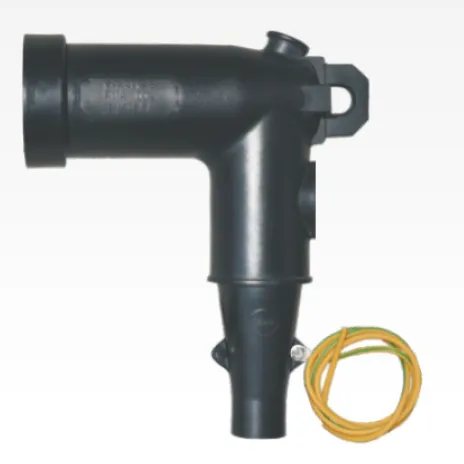
In today's global power distribution market, the authenticity and quality of European-style cable accessories have become critical concerns for electrical engineers, procurement specialists, and facility managers. With the proliferation of counterfeit products and substandard imitations flooding international markets, knowing how to identify genuine European-style cable accessories is essential for ensuring system reliability, safety compliance, and long-term operational integrity. This comprehensive guide provides practical methodologies, technical verification strategies, and expert insights to help you distinguish authentic European-standard components from inferior replicas that pose serious risks to electrical infrastructure.
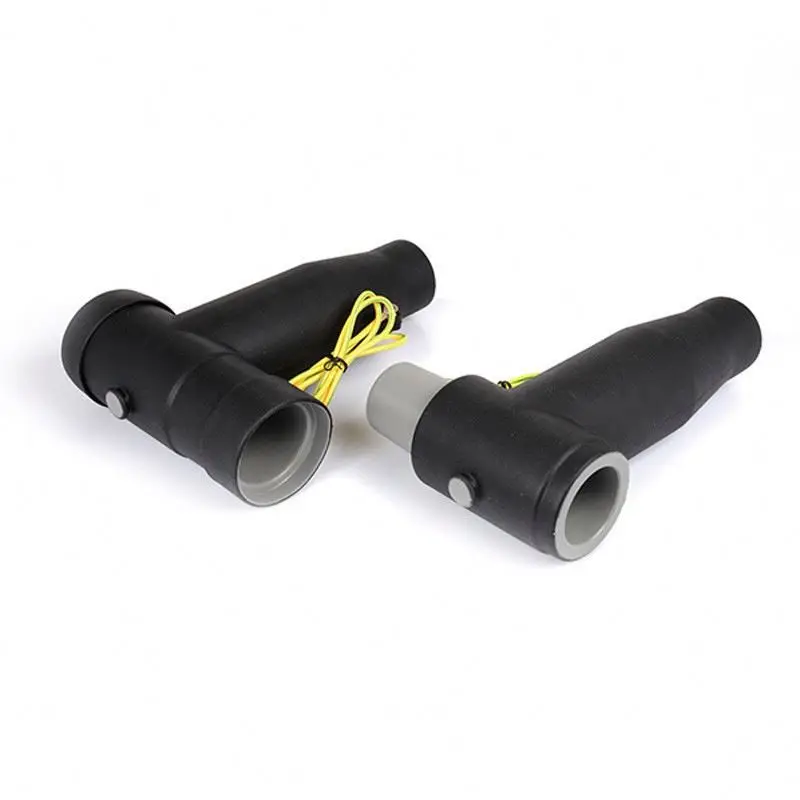
Genuine European-style cable accessories represent decades of engineering refinement, adhering to stringent design standards such as IEC, VDE, and CENELEC specifications that govern dimensional accuracy, material composition, electrical performance, and environmental durability. The ability to properly verify authenticity protects organizations from equipment failure, safety hazards, warranty invalidation, and regulatory non-compliance. Whether you are sourcing high-voltage connectors, cable terminations, separable interfaces, or insulator components for utility applications, industrial installations, or renewable energy projects, mastering the identification process is fundamental to procurement excellence and operational success.
Understanding the Core Characteristics of Authentic European-Style Cable Accessories
Material Composition and Manufacturing Quality Standards
Authentic European-style cable accessories utilize premium-grade materials specifically engineered for electrical insulation and mechanical durability. Silicone rubber compounds used in genuine products typically feature high tear strength, excellent tracking resistance rated at CTI 600 or above, and superior thermal stability across temperature ranges from -40°C to +90°C or higher. The silicone insulation in legitimate European-style cable accessories demonstrates consistent Shore hardness measurements, uniform color dispersion without mottling, and smooth surface finishes free from air pockets or manufacturing defects. Counterfeit products often employ lower-grade elastomers or recycled materials that exhibit visible surface irregularities, color inconsistencies, and compromised dielectric properties that become apparent under close inspection.
The metallic components within genuine European-style cable accessories are manufactured from specified copper alloys or brass materials with precise conductivity ratings and corrosion resistance characteristics. Contact surfaces undergo specialized plating processes such as silver plating or tin plating to ensure optimal electrical contact and prevent oxidation over extended service periods. Authentic connector bodies and cable terminations display precise machining tolerances, smooth threading without burrs, and dimensional accuracy that matches published technical specifications. Inferior imitations frequently show rough casting marks, imprecise threading that causes connection difficulties, and use of substandard metal alloys that accelerate corrosion and increase contact resistance over time.
Dimensional Accuracy and Interface Compatibility
European-style cable accessories adhere to strictly defined dimensional standards that ensure interoperability across different manufacturers who comply with the same technical specifications. Genuine products feature precise measurements for critical dimensions including cable entry diameters, connector body lengths, insulator skirt profiles, and contact spacing that align exactly with published standard drawings. The cone interfaces used in separable connector systems follow exact geometric specifications for taper angles, surface finish requirements, and dimensional tolerances measured in fractions of millimeters. When examining suspected European-style cable accessories, verification of these critical dimensions using calibrated measuring instruments reveals whether products truly conform to authentic European standards or represent dimensional compromises typical of counterfeit manufacturing.
The modular interface design inherent to genuine European-style cable accessories enables seamless connection with compliant components from various legitimate manufacturers. Authentic connector systems demonstrate smooth insertion and extraction characteristics, proper mechanical locking engagement, and consistent contact pressure distribution across the interface. Testing the physical fit between suspected accessories and known genuine components provides immediate evidence of manufacturing authenticity. Counterfeit products often exhibit loose tolerances causing poor mechanical engagement, excessive insertion force requirements, or inability to achieve proper electrical contact pressure, all indicating deviation from authentic European design standards.
Electrical Performance Specifications and Testing Compliance
Genuine European-style cable accessories undergo rigorous type testing and quality verification procedures that validate electrical performance across multiple operating conditions. Authentic products carry verifiable test reports documenting compliance with relevant IEC standards including dielectric withstand voltage tests, partial discharge measurements, temperature rise assessments, and short-circuit current withstand capabilities. The electrical ratings marked on legitimate components accurately reflect tested performance limits including voltage class designations such as 12/20kV or 24/36kV, current capacity ratings typically ranging from 200A to 630A, and insulation resistance values exceeding specified minimums. Counterfeit European-style cable accessories frequently display inflated or inaccurate ratings that bear no relationship to actual tested performance, creating dangerous mismatches between stated capability and real-world behavior.
The partial discharge performance of authentic European-style cable accessories represents a critical quality indicator rarely matched by inferior imitations. Genuine products consistently demonstrate partial discharge extinction levels below 10 picocoulombs when tested at 1.5 times rated voltage, reflecting superior material purity and manufacturing precision. This performance characteristic ensures long-term reliability in service and prevents insulation degradation over decades of operation. Requesting and verifying partial discharge test certificates from suppliers provides definitive evidence of product authenticity and manufacturing quality that counterfeit producers cannot replicate without substantial investment in materials and production processes.
Documentation and Certification Verification Methods
Manufacturer Documentation and Traceability Systems
Legitimate manufacturers of European-style cable accessories maintain comprehensive documentation systems that provide complete traceability from raw material procurement through final product delivery. Genuine products arrive with detailed technical documentation including type test reports, material certificates, manufacturing batch numbers, and quality inspection records that enable verification of production lineage. Authentic manufacturers provide access to online verification systems where batch codes stamped on products can be cross-referenced against production databases to confirm manufacturing dates, quality control results, and distribution channels. This level of traceability represents a significant investment that counterfeit operations cannot economically replicate, making documentation verification a powerful authentication tool.
The completeness and technical accuracy of accompanying documentation reveals important authenticity indicators. Genuine European-style cable accessories include installation instructions with precise technical details, accurate dimensional drawings, proper safety warnings in multiple languages, and references to applicable international standards. The print quality, technical accuracy, and professional presentation of these documents reflect the quality standards of legitimate manufacturers. Counterfeit products typically feature poorly translated instructions, generic technical drawings that lack specific dimensional information, missing safety certifications, and overall documentation quality that appears unprofessional or incomplete.
Third-Party Certification and Testing Laboratory Validation
Authentic European-style cable accessories carry certifications from recognized independent testing laboratories such as KEMA, CESI, IPH Berlin, or other accredited facilities operating under ISO/IEC 17025 standards. These certifications represent comprehensive evaluation programs that verify compliance with relevant IEC standards through extensive testing protocols. Genuine certification marks are accompanied by certificate numbers that can be independently verified through the testing laboratory's databases, confirming that the specific product design underwent required testing procedures. The presence of verifiable third-party certification provides strong evidence of product authenticity and manufacturing compliance with European technical standards.
Verification of certification authenticity requires direct contact with the issuing testing laboratory to confirm that certificate numbers reference legitimate test reports for the specific product configuration being procured. Counterfeit manufacturers frequently reproduce certification marks and fabricate certificate numbers that appear superficially legitimate but lack corresponding entries in official testing laboratory databases. Implementing a verification protocol that includes direct laboratory confirmation for significant procurement projects protects against sophisticated counterfeit operations that invest in convincing documentation reproduction. This verification step becomes particularly critical for European-style cable accessories specified for critical infrastructure applications where failure consequences justify enhanced due diligence.
Regulatory Compliance Markings and Import Documentation
Genuine European-style cable accessories intended for European markets carry mandatory CE marking indicating compliance with applicable European Union directives including the Low Voltage Directive and RoHS requirements. Authentic CE markings follow specific dimensional and placement requirements defined in EU regulations, and manufacturers maintain Declarations of Conformity documenting the technical standards and assessment procedures used to establish compliance. Beyond the CE mark itself, legitimate products may carry additional regulatory markings such as UKCA for British markets or certification marks from national authorities in specific European countries. The presence, proper formatting, and verifiable authenticity of these regulatory markings provide important evidence of genuine manufacturing provenance.
Import documentation for European-style cable accessories reveals important authentication indicators including country of origin declarations, customs classification codes, and manufacturer identification details. Genuine products imported through legitimate channels arrive with complete commercial documentation that accurately identifies the manufacturing facility, provides detailed product descriptions matching technical specifications, and demonstrates transparent supply chain traceability. Discrepancies between stated country of origin and manufacturer identification, vague product descriptions, or reluctance to provide complete import documentation suggest potential counterfeit products entering markets through grey channels that circumvent normal regulatory oversight.
Physical Inspection Techniques and Quality Assessment
Visual Examination and Surface Quality Indicators
Detailed visual inspection reveals numerous quality indicators that distinguish genuine European-style cable accessories from inferior imitations. Authentic silicone insulators demonstrate uniform wall thickness, consistent color throughout the material cross-section, and smooth surface finishes free from flash marks, sink marks, or visible parting lines from inferior mold tooling. The silicone material in genuine products exhibits a characteristic matte surface texture resulting from precision mold surfaces, while counterfeit items often show glossy or uneven surface characteristics indicating use of lower-quality mold equipment or improper material formulation. Examination of connector skirts reveals uniform thickness distribution, properly formed sheds with sharp edge definition, and absence of air voids or contamination visible through translucent material.
The metal components within authentic European-style cable accessories display professional finishing quality including smooth plating without peeling or discoloration, precise machining without tool marks or burrs, and crisp marking of technical specifications using professional engraving or laser marking techniques. Genuine manufacturers apply permanent identification markings including brand logos, voltage ratings, current capacities, and manufacturing codes using methods that resist wear and environmental exposure. Counterfeit products frequently show poorly applied markings using inferior printing methods that smudge easily, contain spelling errors, display incorrect technical specifications, or omit critical identification information entirely. These visual quality differences become immediately apparent when genuine and suspect products are examined side by side under adequate lighting conditions.
Mechanical Testing and Material Hardness Verification
Simple mechanical testing procedures provide objective evidence of material quality differences between genuine and counterfeit European-style cable accessories. Shore hardness testing of silicone insulator materials using calibrated durometers reveals whether products meet specified hardness ranges typically between Shore A 50 and Shore A 70 for high-voltage applications. Authentic silicone compounds demonstrate consistent hardness measurements across different locations on the component, reflecting uniform material formulation and proper vulcanization processes. Counterfeit products often exhibit hardness values outside specified ranges or significant hardness variations across the component surface, indicating use of non-conforming materials or inadequate manufacturing process control.
Tensile testing and tear resistance evaluation of silicone materials provide additional verification of material quality. Small sample sections cut from non-critical areas can undergo laboratory tensile testing to determine ultimate tensile strength and elongation at break values that should match published material specifications. Genuine European-style cable accessories utilize silicone formulations with tensile strengths exceeding 7 MPa and elongation values above 400%, ensuring mechanical durability under installation stress and operational loading. Testing also reveals material consistency through uniform stress-strain behavior, while inferior materials demonstrate lower strength values, premature failure, and inconsistent mechanical properties that compromise long-term reliability.
Thermal and Environmental Resistance Assessment
Genuine European-style cable accessories demonstrate superior thermal stability and environmental resistance resulting from carefully formulated materials and proper manufacturing processes. Simple thermal aging tests involving elevated temperature exposure reveal material quality differences that distinguish authentic products from counterfeits. Authentic silicone insulators maintain flexibility, color stability, and mechanical properties after extended exposure to temperatures of 150°C or higher, while inferior materials become brittle, discolored, or dimensionally unstable under similar conditions. Accelerated aging protocols provide rapid assessment of long-term material durability that correlates with decades of field service performance.
Environmental exposure testing including UV radiation resistance, ozone resistance, and salt spray testing reveals additional quality differences. Authentic European-style cable accessories utilize silicone formulations stabilized against UV degradation and ozone attack, maintaining surface integrity and electrical properties after thousands of hours of accelerated environmental exposure. Material tracking resistance testing following IEC 60587 procedures demonstrates superior performance of genuine products that resist surface carbonization and erosion under wet contamination conditions. These environmental durability characteristics represent fundamental design requirements for European-style cable accessories that counterfeit products fail to achieve due to material and manufacturing compromises.
Supplier Qualification and Procurement Best Practices
Authorized Distributor Verification and Supply Chain Transparency
Procuring European-style cable accessories through authorized distributor networks provides the strongest assurance of product authenticity and manufacturing quality. Legitimate manufacturers maintain publicly available lists of authorized distributors and provide verification methods for confirming distributor status. Direct communication with manufacturers to verify distributor authorization before placing significant orders eliminates risk of procurement through unauthorized channels where counterfeit products commonly enter supply chains. Authorized distributors provide complete product documentation, honor manufacturer warranties, and maintain traceability to manufacturing facilities that enables quality issue resolution and technical support access.
Supply chain transparency represents a critical authentication factor that legitimate suppliers willingly provide. Authorized sources of European-style cable accessories clearly identify manufacturing facilities, provide factory inspection opportunities for significant projects, and maintain documentation systems that track products from production through delivery. Transparent suppliers respond promptly to requests for additional documentation, facilitate third-party verification activities, and demonstrate confidence in product authenticity through open communication practices. Conversely, suppliers unwilling to provide manufacturing details, offering suspiciously low pricing, or displaying reluctance to support verification activities present elevated counterfeit risk that prudent procurement practices should avoid.
Reference Project Verification and Performance History
Legitimate suppliers of European-style cable accessories provide verifiable reference projects demonstrating successful product performance in applications similar to your intended use. Authentic manufacturers maintain detailed case study documentation including project locations, application descriptions, product configurations, installation dates, and customer contact information for reference verification. Direct communication with reference customers provides independent validation of product performance, supplier reliability, and long-term service experience that cannot be fabricated by counterfeit operations. Reference verification becomes particularly valuable for critical applications where performance history provides confidence in product selection decisions.
The breadth and quality of reference project documentation reveals important supplier credibility indicators. Genuine manufacturers of European-style cable accessories document installations across multiple countries, diverse application sectors, and extended time periods demonstrating sustained market presence and accumulated field experience. Comprehensive project documentation includes technical specifications, installation photographs, performance data, and customer testimonials that collectively establish product track record. Suppliers unable to provide substantial reference documentation, offering only vague project descriptions, or presenting reference information that cannot be independently verified present authentication concerns that warrant additional due diligence or alternative supplier consideration.
Sample Testing and Pilot Installation Programs
Implementing structured sample testing programs before committing to volume procurement provides direct verification of product quality and performance characteristics. Requesting representative samples of European-style cable accessories for independent laboratory testing enables objective assessment of electrical performance, material properties, dimensional accuracy, and compliance with specified standards. Comprehensive testing protocols should include dielectric withstand voltage verification, partial discharge measurements, material analysis, dimensional inspection, and comparison testing against known genuine products. Investment in independent testing for significant procurement projects provides definitive authentication evidence and protects against costly deployment of substandard products into critical infrastructure.
Pilot installation programs involving limited deployment of European-style cable accessories under actual operating conditions provide valuable performance validation before full-scale procurement commitments. Structured pilot programs include detailed installation documentation, baseline performance measurements, periodic inspection protocols, and defined success criteria that guide procurement decisions. Monitoring pilot installations over extended periods reveals product behavior under real-world environmental conditions, mechanical stress, and electrical loading that laboratory testing cannot fully replicate. Successful pilot program completion provides confidence in product authenticity and performance that justifies expanded procurement, while unsatisfactory pilot results enable early detection of quality issues before they affect large-scale infrastructure investments.
FAQ
What are the most reliable indicators that European-style cable accessories are genuine?
The most reliable indicators of genuine European-style cable accessories include verifiable third-party test certifications from recognized laboratories, complete manufacturer documentation with traceable batch codes, procurement through authorized distributor networks, material quality consistent with published specifications verified through hardness and mechanical testing, precise dimensional accuracy matching standard drawings, and professional quality markings permanently applied to components. Combining multiple verification methods provides the strongest authentication confidence, as counterfeit operations rarely replicate all authenticity indicators simultaneously.
Can visual inspection alone determine if European-style cable accessories are counterfeit?
While visual inspection reveals important quality indicators including surface finish quality, marking professionalism, and obvious manufacturing defects, visual assessment alone cannot definitively confirm authenticity of European-style cable accessories. Sophisticated counterfeit operations produce visually convincing products that require documentation verification, material testing, dimensional measurement, and electrical performance validation to definitively distinguish from genuine components. Visual inspection serves as an important initial screening method that identifies obvious quality concerns, but comprehensive authentication requires multi-factor verification combining physical inspection with documentation analysis and objective testing.
How do I verify certifications claimed for European-style cable accessories?
Certification verification for European-style cable accessories requires direct contact with the issuing testing laboratory to confirm that certificate numbers reference legitimate test reports for the specific product configuration. Obtain complete certificate copies from suppliers including certificate numbers, issue dates, and laboratory contact information. Contact the testing laboratory directly using contact information obtained independently from laboratory websites rather than supplier-provided details. Request confirmation that the certificate number corresponds to an actual test report, verify that tested product specifications match items being procured, and confirm that the manufacturer identified on the certificate matches the supplier's claims. Legitimate certifications withstand this verification process while counterfeit documentation fails when subjected to independent laboratory confirmation.
What should I do if I suspect I have received counterfeit European-style cable accessories?
If you suspect receipt of counterfeit European-style cable accessories, immediately quarantine suspected products to prevent installation into electrical systems where they pose safety and reliability risks. Document all authentication concerns through detailed photographs, measurement records, and documentation discrepancies. Contact the supplier to discuss concerns and request additional verification evidence. Consider engaging independent testing laboratories to perform comparative analysis against known genuine products. Report suspected counterfeits to the legitimate manufacturer whose brand may have been infringed, as manufacturers maintain anti-counterfeiting programs and can provide authentication support. For products already installed, conduct risk assessment with qualified electrical engineers to determine if immediate replacement is necessary based on application criticality and observed quality deficiencies.
Table of Contents
- Understanding the Core Characteristics of Authentic European-Style Cable Accessories
- Documentation and Certification Verification Methods
- Physical Inspection Techniques and Quality Assessment
- Supplier Qualification and Procurement Best Practices
-
FAQ
- What are the most reliable indicators that European-style cable accessories are genuine?
- Can visual inspection alone determine if European-style cable accessories are counterfeit?
- How do I verify certifications claimed for European-style cable accessories?
- What should I do if I suspect I have received counterfeit European-style cable accessories?