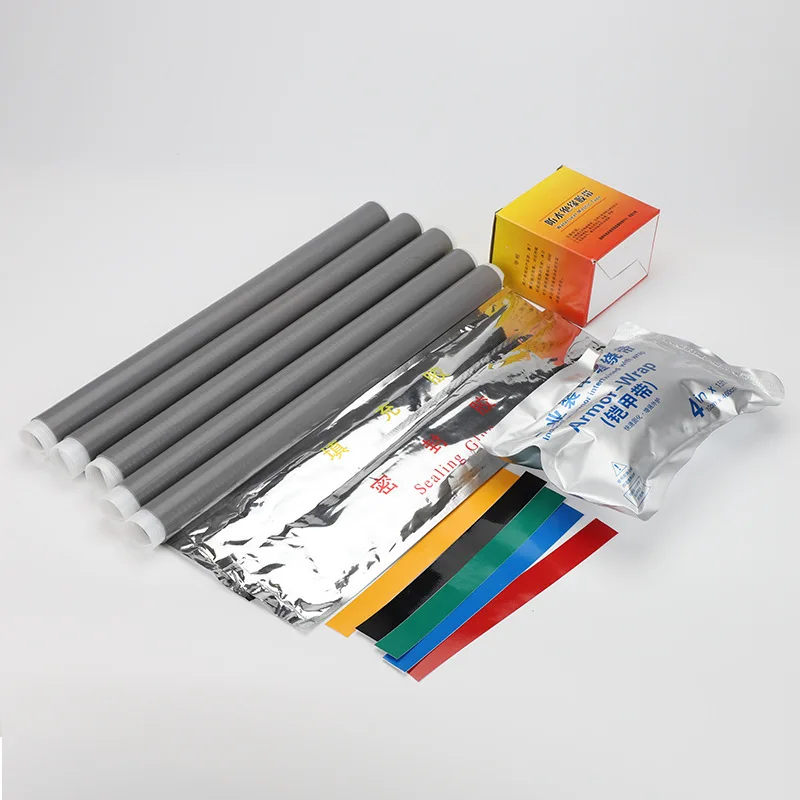
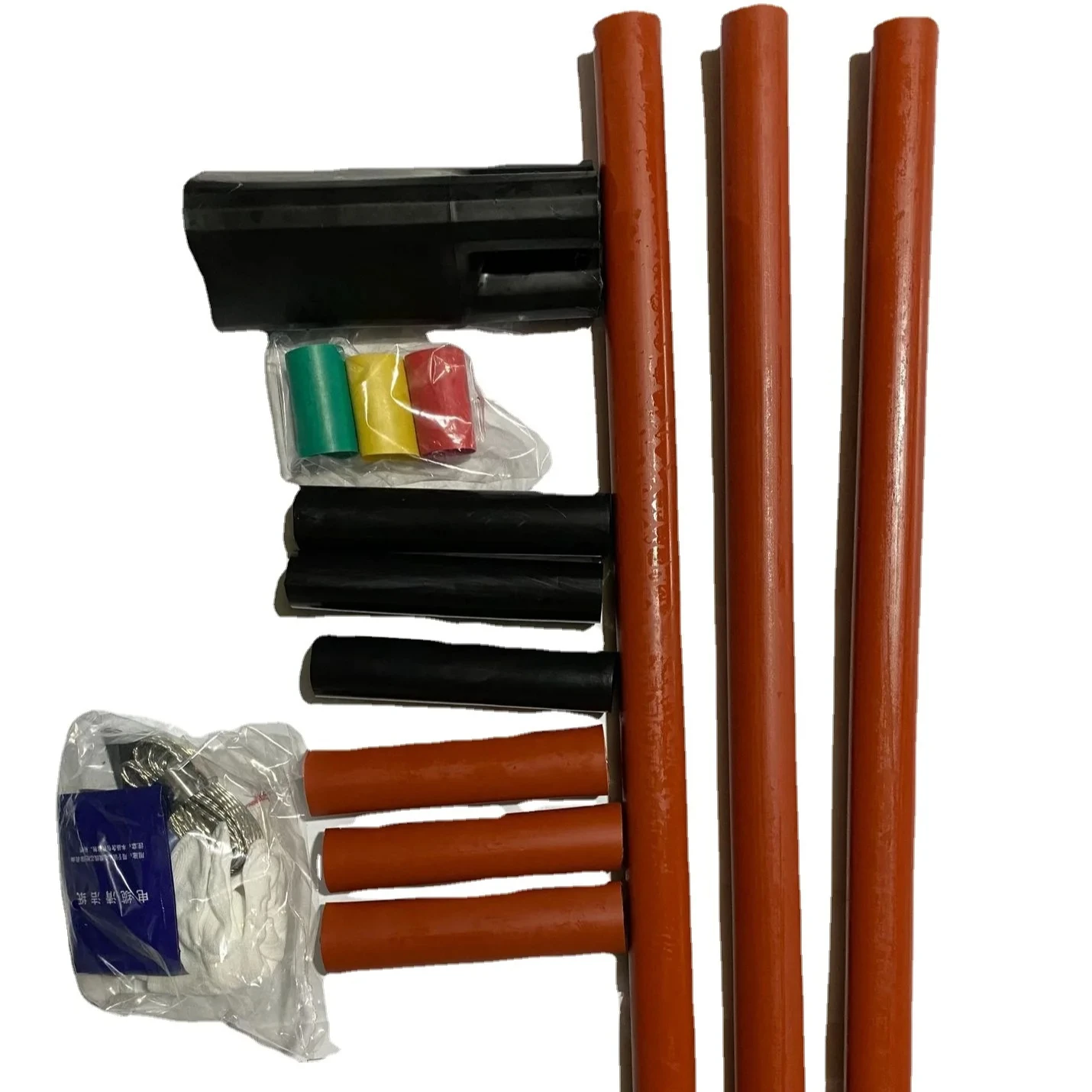
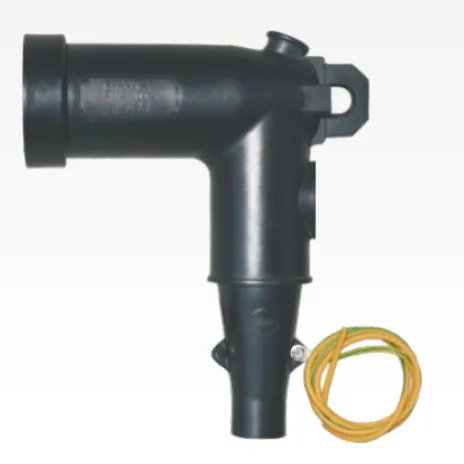
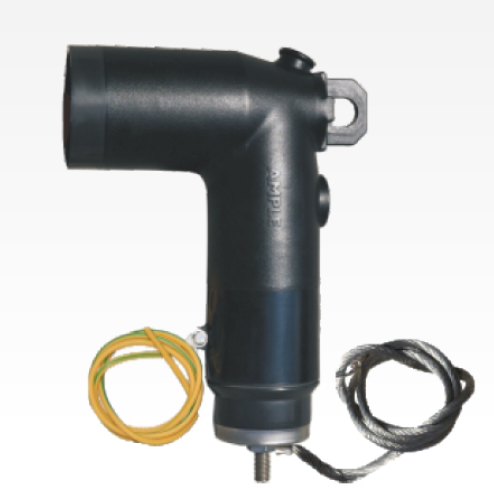
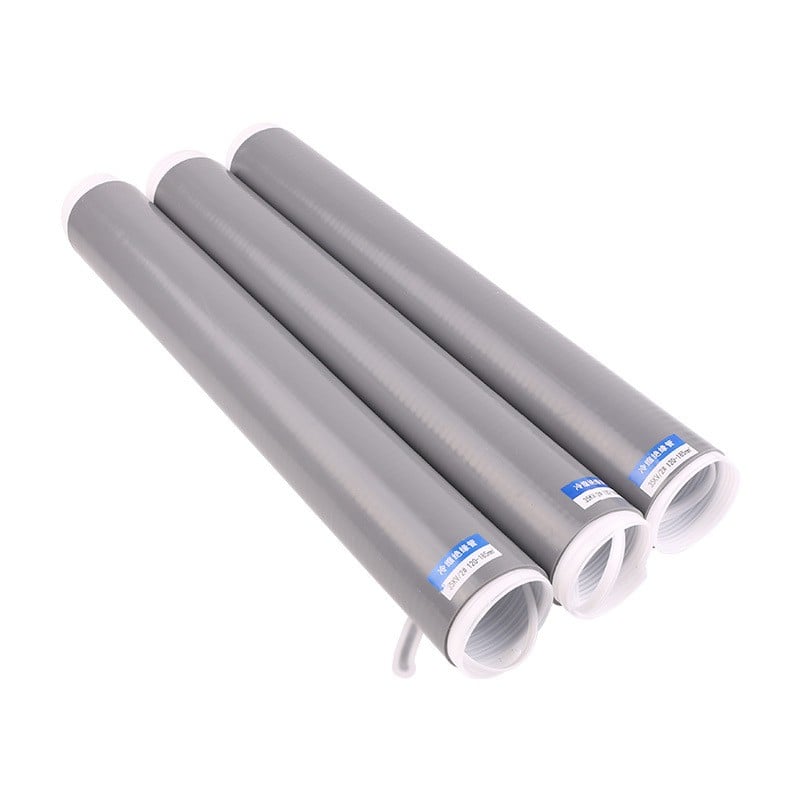
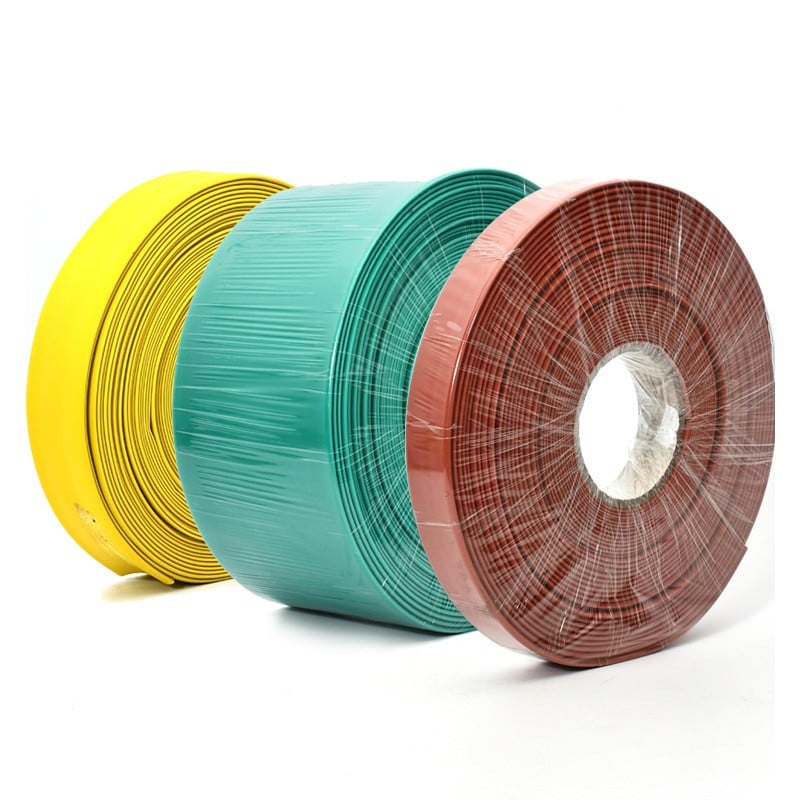
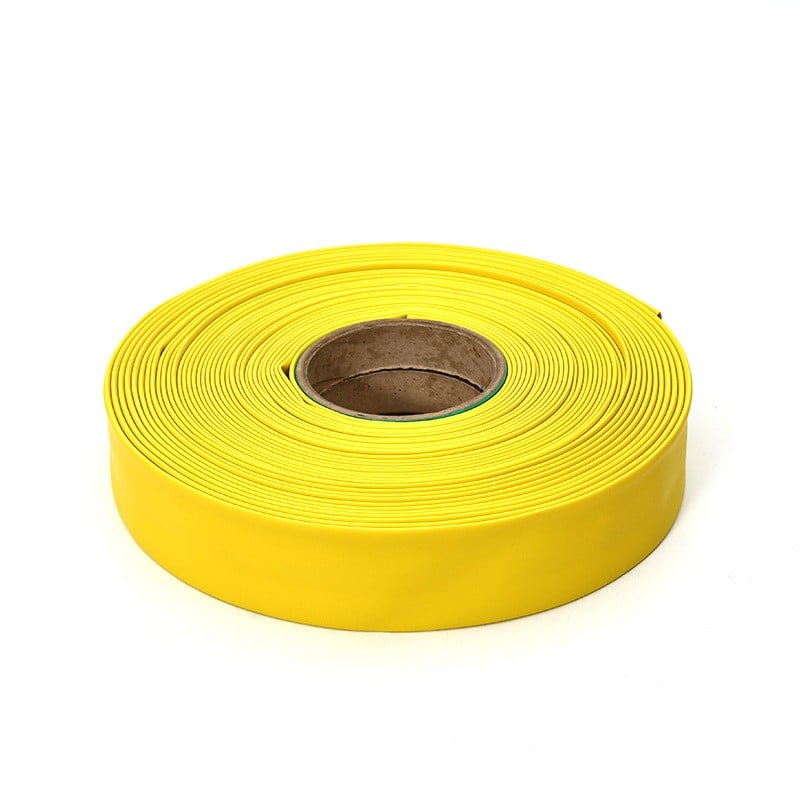
insulated cable connector
An insulated cable connector represents a critical component in electrical and electronic systems, designed to safely join and disconnect power cables while providing essential protection against electrical hazards. The insulated cable connector serves as the interface between power sources and devices, ensuring reliable connections in diverse industrial and residential applications.
The primary function of an insulated cable connector involves facilitating secure electrical connections while maintaining safety standards through comprehensive insulation features. These connectors prevent accidental contact with live conductors, significantly reducing risks of electrical shock and short circuits. An insulated cable connector typically incorporates multiple protective layers, including outer rubber or plastic sheaths that shield the internal metal contacts from environmental exposure and human contact.
Technologically, the insulated cable connector integrates advanced materials engineered for durability and performance. High-quality insulation materials resist temperature fluctuations, moisture, UV radiation, and chemical exposure, ensuring long-term reliability. The insulated cable connector design features precision-engineered contact points that maintain consistent electrical conductivity while minimizing resistance and heat generation.
Applications for an insulated cable connector span numerous sectors, including residential wiring, industrial machinery, renewable energy systems, and automotive equipment. The insulated cable connector proves indispensable in power distribution networks, portable tool connections, and emergency backup systems. These versatile connectors accommodate various voltage and amperage requirements, making them suitable for both low-voltage consumer electronics and high-powered industrial installations. The insulated cable connector continues to evolve, with modern versions incorporating smart features and enhanced safety mechanisms to meet contemporary electrical standards and user requirements.

 EN