
 EN
EN
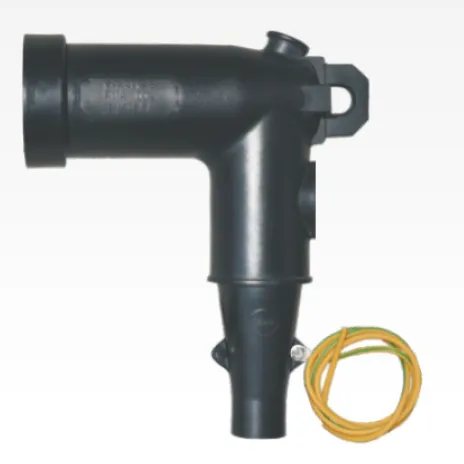
Mashine ya kati ya mifumo ya umeme ni mahali muhimu ya kuunganisha katika mitandao ya usambazaji wa umeme ambapo sehemu mbili za mfuatano huungana kwa kudumu. Kuelewa njia kuu za kuharibika kwa vifaa hivi muhimu ni muhimu sana kwa kudumisha uhamisho wa nguvu kwa uaminifu na kuzuia mafuriko ya gharama juu. Unapoharibika mashine ya kati ya mifumo ya umeme, inaweza kusababisha uvurugu mkubwa wa umeme, uvurugu wa vifaa, na hatari kubwa za usalama.
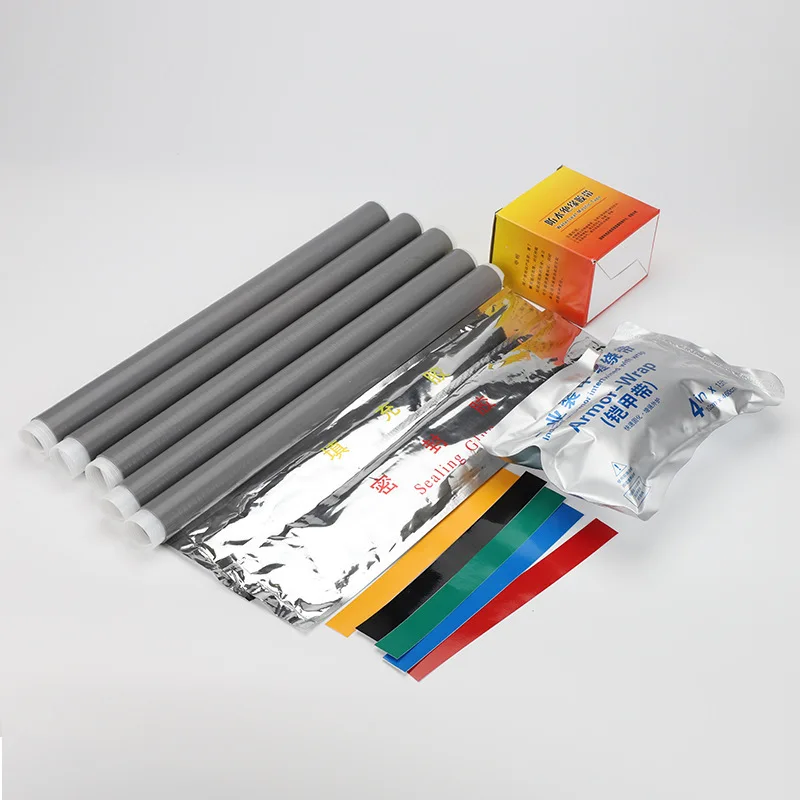
Uchambuzi wa kuharibika kwa viungo vya kati vya waya hutofautisha njia nyingi za kuharibika zinazohusiana na moja nyingine ambazo zinaweza kujengwa kwa muda mrefu au kutokea mara moja baada ya kusakinisha. Kuharibika huku kwa kawaida husababishwa na ukosefu wa ubora wa muundo, makosa ya kusakinisha, uvurugu wa vitu, au mafuta ya mazingira yanayozidi mipaka ya kufanya kazi ya mashine ya kati. Kugundua sababu za msingi hizi inasaidia wataalamu kutekeleza mikakati ya kuzuia kwa lengo maalum na kuboresha uaminifu wa mashine ya kati.
Njia za Kuharibika Zinazohusiana na Kusakinisha
Utafiti usio sahihi wa mtambo na uunganisho
Msingi wa muunganisho wa kati wa kabeli yenye uaminifu unanuanishwa na uandaa salama ya mchakato wa kuvunja, lakini makosa ya uwekaji katika hatua muhimu hii huwachukua asilimia kubwa ya uvunjivu wa awali wa muunganisho. Kuvunja vibaya cha mchakato unaweza kuacha mabaki ya uzinga ambayo huunda makutano ya kuvuruga umeme, wakati kuvunja kwa wingi zaidi hunuweka urefu wa mchakato unaolipinda mfumo wa uzinga wa muunganisho. Uosha vibaya wa uso wa mchakato hukuzuia mawasiliano ya umeme yanayofaa kabisa na huweka vifaa vya kuzotia ambavyo hupanua mchakato wa uvunjivu.
Maelekezo ya kuviringa kwa uhusiano wa vifungo vya miongo ni lazima yafuatiwe kwa usahihi ili kuhakikisha uhusiano wa umeme uliosahihi bila kuharibu miongo au vifungo vya uhusiano. Uhusiano unaopungua kuviringa huzalisha vifungo vya upinzani mkubwa ambavyo hujenga joto kali wakati wa uendeshaji wa kawaida, ikisababisha uvunjika wa kuchukua joto na kuvunjika kwa muda mrefu. Kinyume chake, uhusiano unaopindua kuviringa kwa wingi huaribu mishale ya miongo, kupunguza eneo la msalaba linalofanya kazi, na kuzalisha mahali pa kuvutia mgurumo ambalo hushirikisha uvunjika wa kuvutia kwa muda mrefu.
Vipungufu vya Uwekaji wa Mfumo wa Kuvunja Umeme
Mfumo wa kuzima unaozunguka muhimu ya mishale ya kati inahitaji uwekaji unaofanywa kwa makini ili kudumisha nguvu ya asili ya kuzima ya mishale na ulinzi wa mazingira. Mapafu ya hewa yaliyochukuliwa ndani ya kuzima wakati wa uwekaji huunda mahali pa udhaifu ambapo shughuli za uvunjaji wa sehemu (partial discharge) zinaweza kuanza, kuharibu kwa upande mmoja kuzima hadi kuvunjika kabisa. Mapafu haya mara nyingi yanatokana na njia isiyosahihi ya kufunika kwa tape, ukubwa usio wa kutosha wa kufunika, au uchafu wakati wa uwekaji.
Uingizo wa upepo wa maji wakati wa usanidi unawakilisha njia ya kushindwa muhimu nyingine inayohusiana na vishakishi vya kati vya mifumo ya kuchanganya. Hata kiasi kidogo sana cha maji kilichofungwa ndani ya jumuisha ya vishakishi vinaweza sababisha upungufu wa haraka wa uvinyo, hasa katika matumizi ya chini ya ardhi ambapo shinikizo la maji linapusha maji kwenye njia yoyote iliyopo. Mbinu bora za kufunga na udhibiti wa mazingira wakati wa usanidi ni muhimu sana ili kuzuia kushindwa kwa sababu ya maji katika vishakishi vya kati vya mifumo ya kuchanganya.
Upungufu wa Vitu na Madhara ya Umri
Upungufu wa Vitu vya Dielektriki
Vifungu vya kuvunja umeme vilivyotumika katika muunganisho ya kati ya mifumo ya kuchanganya huwa na uvimbo wa kidogo kwa wakati wote wa maisha yao kwa sababu ya masharubu ya umeme, ya joto, na ya kemikali. Mifumo ya uvunja umeme ya polyethylene iliyoundwa kwa uunganisho (XLPE) na ya kaucho ya ethylene propylene (EPR) hupitia mgandamizo wa vifungu vya polimeri na majadiliano ya oksidhini ambayo huapishia nguvu zao za kuvunja umeme kwa wakati. Utendaji huu wa kuvimba huongezeka kwa kasi kwa sababu ya joto la juu, masharubu ya umeme, na uwepo wa unga wa maji au vifungu vya kemikali vilivyodhoofisha.
Ukubaliano wa joto katika muunganisho ya kati ya mifumo ya kuchanganya huleta masharubu ya kurekebisha na kushuka mara kwa mara ambayo yanaweza kusababisha mikro-kavu katika mfumo wa uvunja umeme. Kavu hizi zinatoa njia za kuingia kwa maji na zinazalisha eneo la kujaza masharubu ambapo kuvunjika kwa umeme kunaweza kutokea kwa volti ambazo ni chini sana ya mipaka ya awali ya ubunifu. Kasi ya uvimbo wa joto huongezeka kwa nambari ya kielingeli na joto, kama hivyo usimamizi mzuri wa joto unahitajika kwa uaminifu wa muda mrefu wa muunganisho.
Uvunjaji wa Sehemu za Kifahari
Uvunjaji wa sehemu za kifahari ndani ya muunganisho ya kati ya mifumo ya kabeli unawakilisha njia ya uvunjaji unaopanua ambayo inaweza kujitokeza kwa miaka mingi kabla ya kusababisha uvunjaji kamili. Uvunjaji wa galvaniki hu jitokeza wakati vitu vya kifahari tofauti viko katika mawasiliano ya umeme ndani ya muunganisho wa kati, vikizalisha seli za kielektroniki ambazo zinapendeza kuvunja chombo cha anodi zaidi. Utaratibu huu unaharakishwa na uwepo wa unyevu na vyeo vya ions ambavyo vinazidisha utendaji wa kielektroniki.
Uvunjaji wa kuvunjika kwa sababu ya mashakani unahusisha muunganisho ya kati ya mifumo ya kabeli yanayofanya kazi chini ya mashakani ya kimechaniki yenye kudumu katika mazingira ya kuvunjika. Uunganisho wa mashakani ya kuchukua na mafumbo ya kemikali unazalisha uvunjaji unaouenda mbele ambao hatimaye unasababisha uvunjaji wa kimechaniki wa sehemu muhimu za muunganisho. Utaratibu huu wa uvunjaji ni hasara sana katika mazingira ya pwani ambapo uchafuzi wa chloride unaharakisha utaratibu wa uvunjaji katika muunganisho ya kati ya mifumo ya kabeli.
Vigawanyo vya Mazingira vya Mashakani
Uwakilishi wa Upepo na Maji
Kuingia kwa maji katika muunganisho ya kati ya mifumo ya kuchanganya ni moja ya sababu za kuharibika zinazotumiwa mara nyingi sana na zinazoweza kuharibisha sana, hasa katika mazingira ya chini ya ardhi na chini ya maji. Hata muunganisho iliyofungwa vizuri inaweza kuwa na uwakilishi wa upepo kupitia vifungo vilivyoharibika, makosa ya uzalishaji, au uvunjika wakati wa kufunga au matumizi. Wakati maji yanaingia katika muunganisho, hujenga njia ya kusambaza umeme ambayo inaweza kusababisha kuharibika mara moja chini ya mzigo wa umeme au kuharibika kwa upande mmoja kupitia mchakato wa kikemikali cha umeme.
Madhara ya unyevu kwenye mishakani ya mita mbalimbali ya kabeli inapita juu ya uchafuzi wa kawaida wa umeme. Maji huwezesha hambo la viowanyo ndani ya vitu vya kufunga, vikizalisha miti ya kufunga ambayo huenda kuelekea maeneo ya mshakani mkubwa wa umeme. Mitii hii ya maji huendelea kuwa miti ya umeme ambayo husababisha uvunjaji mkubwa wa mfumo wa kufunga wa mishakani. Uwepo wa maji ya chumvi au suluhisho lingine la viowanyo huongeza kasi ya mchakato huu wa kuvunjika kwa mishakani ya mita mbalimbali ya kabeli.
Mizizi ya Joto na Mabadiliko ya Joto
Mizani ya joto kali huweka mafumuko makubwa kwenye muunganisho ya mitambo ya kawaida kupitia tofauti za kuongezeka kwa joto kati ya vitu vingine mbalimbali na ukavuka haraka wa sehemu za asili. Joto la juu huongeza kasi ya majadiliano ya kemikali ambayo huvuruga vitu vya kufunga, wakati joto la chini linaweza sababisha ukuvu na uvurugu wa vitu vya kufunga vinavyotegemea mchakato wa kuvuruga. Tofauti ya kiwango cha kuongezeka kwa joto kati ya sehemu za metali na za polime huunda mafumuko ya mpaka ambayo inaweza kuharibu utambulisho wa muunganisho.
Kukaribia kwa joto huweka muunganisho ya katikati ya mifumo ya kuchanganya kwa muda mrefu katika mzunguko wa kishahara unaoweza kusababisha uvunjivu wa kishahara katika vipengele vya kimechaniki na vya umeme. Idadi ya mzunguko na tofauti ya joto hutambua kasi ya uvunjivu, ambapo tofauti kubwa za joto huleta uvunjivu zaidi kwa kila mzunguko. Athari za 'urban heat island' na mabadiliko ya kila siku ya mzigo hujenga kukaribia kwa joto kwa muda mrefu ambao huuvunjia hatua kwa hatua muunganisho ya katikati ya mifumo ya kuchanganya wakati wa uhai wao wa huduma.
Mshahara wa Umeme na Hali za Kupita Kiasi
Shughuli ya Uchafuzi Mzuri
Ukataa wa kisasa unawakilisha ukatili wa umeme wa kihalisi unaotokea ndani ya mapafu ya hewa au makosa mengine katika mfumo wa ukingo wa muunganisho wa kati ya mikondo. Ukataa huu unazalisha ozi, asidi ya nitriki, na spishi nyingine za kimia zinazopiga vinyunyuzi vya kiume, kwa njia hiyo kubadilisha ukingo wa kiume kwa upande mmoja, kuharibu kwa upande mwingine, na kufanya ukataa kuwa mkali zaidi. Asili ya ukataa wa kisasa ambao huongezeka hatua kwa hatua inafanya utambulisho wa mapema na kudumisha kwa wakati wa kwanza ni muhimu sana ili kuzuia ukomo kamili wa muunganisho wa kati ya mikondo.
Tenshoni ya kuanza kwa shughuli za uvunjaji wa sehemu hushtakiwa na ukubwa na umbo la mapango ndani ya ujenzi wa ubao wa umeme, ambapo pembe zilizopungua na mapango ya urefu mwingi huzalisha vikwazo vya uvunjaji vyenye chini. Makosa ya uzalishaji, makosa ya usimamizi, na ukuwepo wa miaka katika huduma huweza kusababisha uundaji wa mahali pa uvunjaji ambayo huongezeka hatua kwa hatua chini ya mzigo wa umeme. Ujenzi wa kawaida wa mishale ya umeme una jumla ya mbinu za kuudhibiti mzigo ili kupunguza ukutani wa shamba la umeme na kupunguza shughuli za uvunjaji wa sehemu.
Mzigo wa Umeme na Hali za Kupasuka
Makosa ya ukombo mrefu (short circuit) huweka muunganisho ya kati ya mikondo (cable intermediate joints) chini ya masharubu ya umeme na ya joto ya juu sana ambayo yanaweza kusababisha uharaibisho wa mara moja au kusababisha udhaifu wa kujifunza (latent damage) uliozalisha uharaibisho wa baadaye. Mafuta ya umeme yanayotengenezwa wakati wa hali ya makosa yanaweza kusababisha kubadilishwa kwa nafasi ya sehemu za muunganisho, kuharibu uhusiano wa umeme na utambulisho wa uwezo wa kuzuia umeme. Mafuta haya ya kinyume (dynamic forces) yana uhusiano wa mraba wa sasa ya makosa, ikifanya muunganisho ya kati ya mikondo katika mifumo ya uwezo mkubwa iwe na uwezekano mkubwa wa kuharaibiwa kwa sababu ya mafuta ya kimwili.
Mashuko ya kuvutia kwa njia ya umeme ni hatari nyingine kubwa kwa muunganisho wa mita mbalimbali ya kabeli, hasa katika matumizi ya ubadilishaji kutoka kwenye anga hadi chini ya ardhi. Muda mfupi wa kuongezeka kwa mshuko wa umeme unaweza sababisha kuvutia kwa njia ya umeme kupitia uinzi wa muunganisho hata ukisubiri kwamba ukubwa wa juu wa utandawazi ni chini ya kiwango cha kuvunjika kwa utandawazi wa mzunguko wa umeme. Vifaa vya kulinda dhidi ya mashuko (SPD) vinapaswa kusambazwa vizuri na uwezo wa kubakiza mashuko ya muunganisho wa mita mbalimbali ili kuzuia mafailizo yanayosababishwa na umeme.
Maswali Yanayoulizwa Mara kwa Mara
Ni nini sababu ya kawaida ya mafailizo katika muunganisho wa mita mbalimbali?
Makosa ya usanidi ni sababu ya kawaida ya mafailizo katika muunganisho wa mita mbalimbali, hasa usanidi usio sawa wa miongo, usiofaa wa kusafisha, na uenezi wa maji wakati wa usanidi. Mashtaka haya mara nyingi huonekana kama mafailizo mapema katika miaka ya kwanza ya huduma, ikionyesha umuhimu mkubwa wa taratibu za usanidi zinazofaa na udhibiti wa ubora.
Jinsi gani ya kuzuia uenezi wa maji katika muunganisho wa mita mbalimbali?
Kuzuia uingizo wa unyevu unahitaji nguzo mbalimbali za ulinzi ikiwemo ukamili wa kutosha wa vikwazo vyote vya muunganiko, matumizi ya mikakati ya kuzuia unyevu, udhibiti wa mazingira wakati wa usanidi, na uchunguzi mara kwa mara wa mfumo wa ukamili. Teknolojia ya kupungua kwa baridi na vitu vya kurekoveri kwa joto vinatoa ukamili bora ikiwa vimefanikiwa kwa usahihi, wakati huo huo kuzuia maji kutembea kwa urefu wa kisanduku katika muundo wa kisanduku kusaidia kuzuia kuenea kwa unyevu kalonge ya mtambo.
Nini kile kinachofanya mzunguko wa joto katika upungufu wa vikwazo?
Mzunguko wa joto husababisha kuongezeka na kupungua mara kwa mara ya vitu tofauti ndani ya vikwazo vya kati ya kisanduku, kujenga mashakani ya kuchoka ambayo yanaweza kusababisha uvunjivu wa vitu vya kuvunja na kushuka kwa muunganisho ya umeme. Uharibisho wa kujumuisha kutokana na mzunguko wa joto huongezeka na idadi ya mzunguko na tofauti ya joto, kama hivyo usimamizi wa mzigo na muundo wa joto ni mambo muhimu sana katika uaminifu wa vikwazo.
Jinsi gani mashtaka ya sehemu (partial discharges) huathiri muda wa maisha wa vikwazo vya kati ya kisanduku?
Machafuko ya sehemu huunda uvunjivu wa muda mrefu kwenye vitu vya kuvunja kwa kutumia uvurugu wa kemikali na kuongeza ukubwa wa mapanga, na hatimaye kusababisha uvunjivu kamili wa umeme. Kasi ya uvunjivu inategemea ukubwa na mara za machafuko, ambapo kiwango cha juu cha mashakani huchanganya mchakato wa uvunjivu. Uundaji mzuri wa muunganisho pamoja na mbinu za udhibiti wa mashakani unapunguza sana shughuli za machafuko ya sehemu na kuhakikisha kuongezeka kwa muda wa maisha ya muunganisho.
Orodha ya Maudhui
- Njia za Kuharibika Zinazohusiana na Kusakinisha
- Upungufu wa Vitu na Madhara ya Umri
- Vigawanyo vya Mazingira vya Mashakani
- Mshahara wa Umeme na Hali za Kupita Kiasi
-
Maswali Yanayoulizwa Mara kwa Mara
- Ni nini sababu ya kawaida ya mafailizo katika muunganisho wa mita mbalimbali?
- Jinsi gani ya kuzuia uenezi wa maji katika muunganisho wa mita mbalimbali?
- Nini kile kinachofanya mzunguko wa joto katika upungufu wa vikwazo?
- Jinsi gani mashtaka ya sehemu (partial discharges) huathiri muda wa maisha wa vikwazo vya kati ya kisanduku?