applying heat shrink tubing
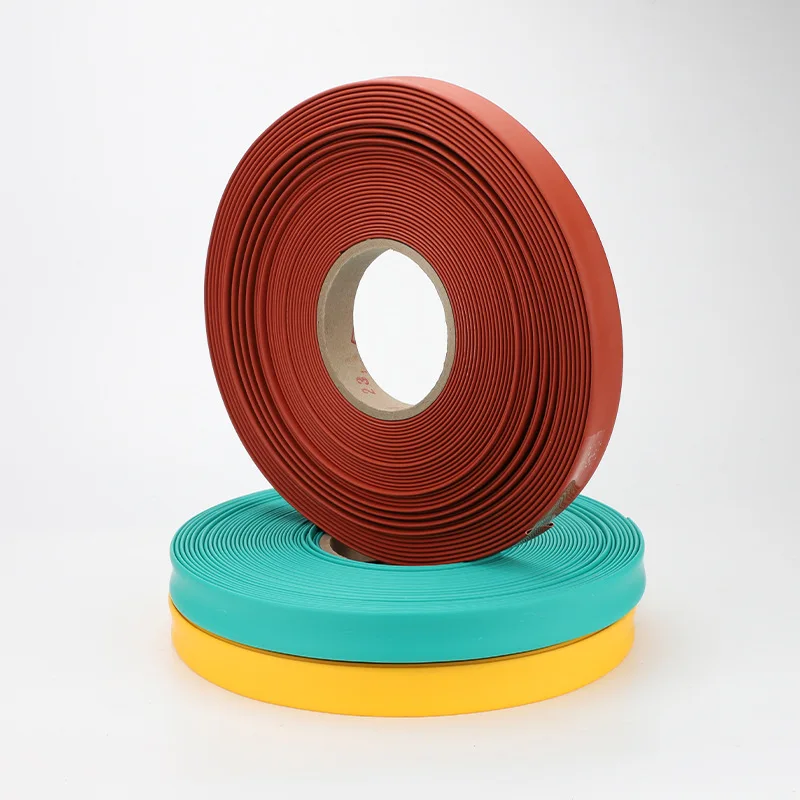
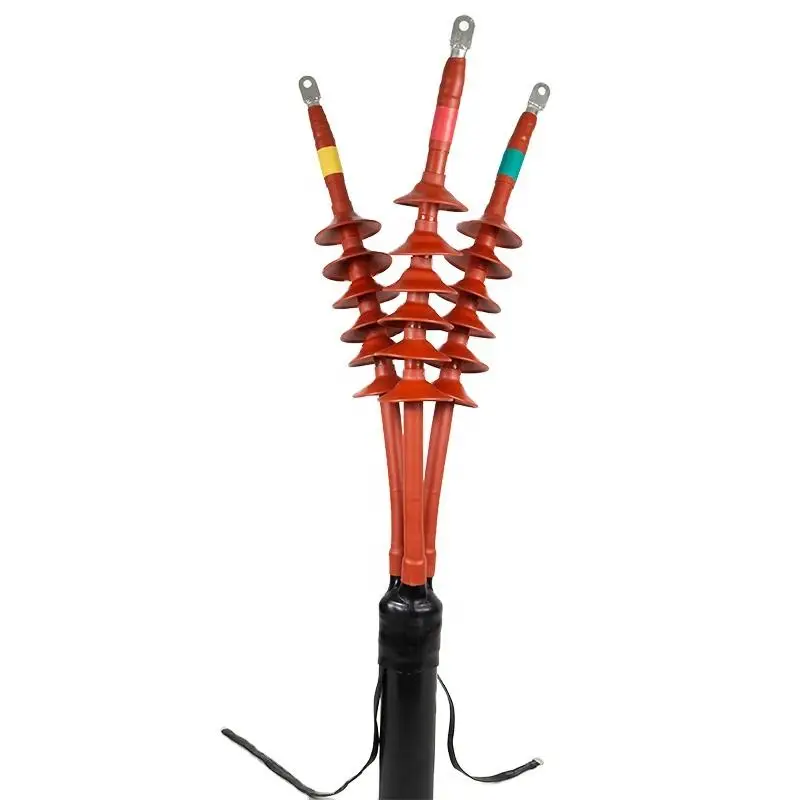
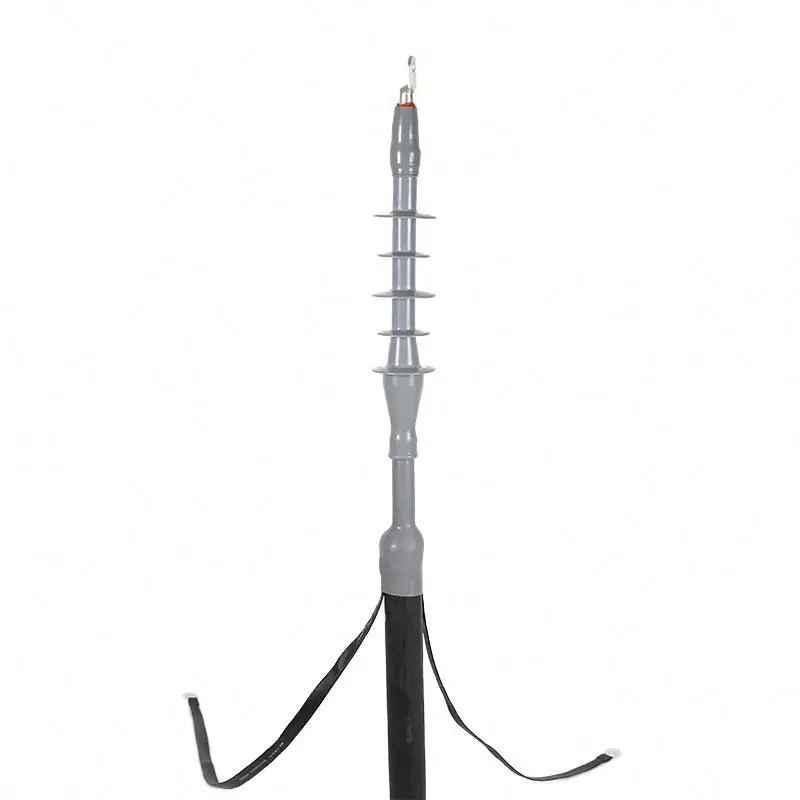
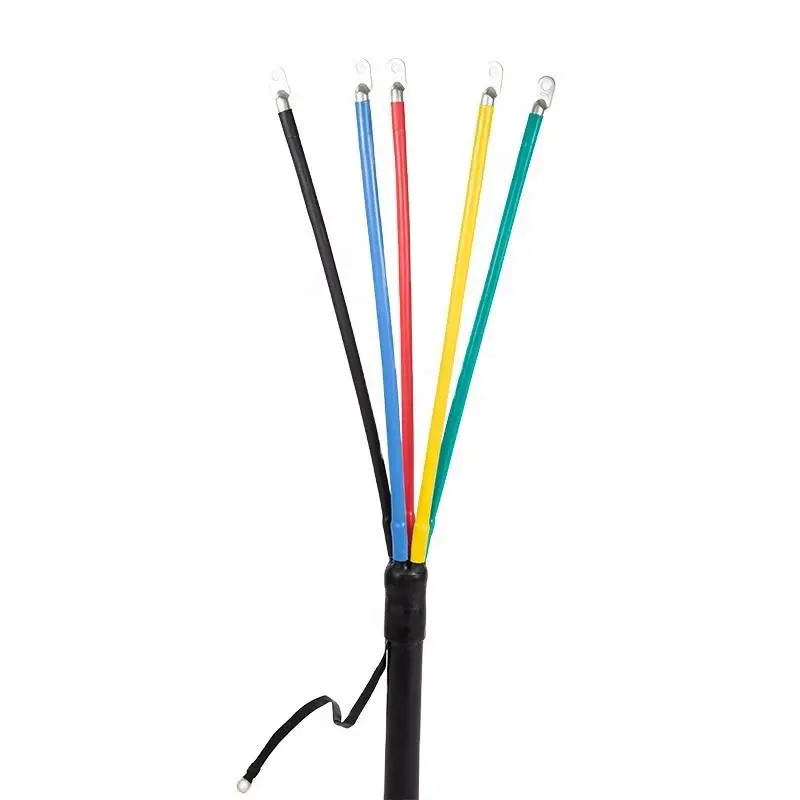
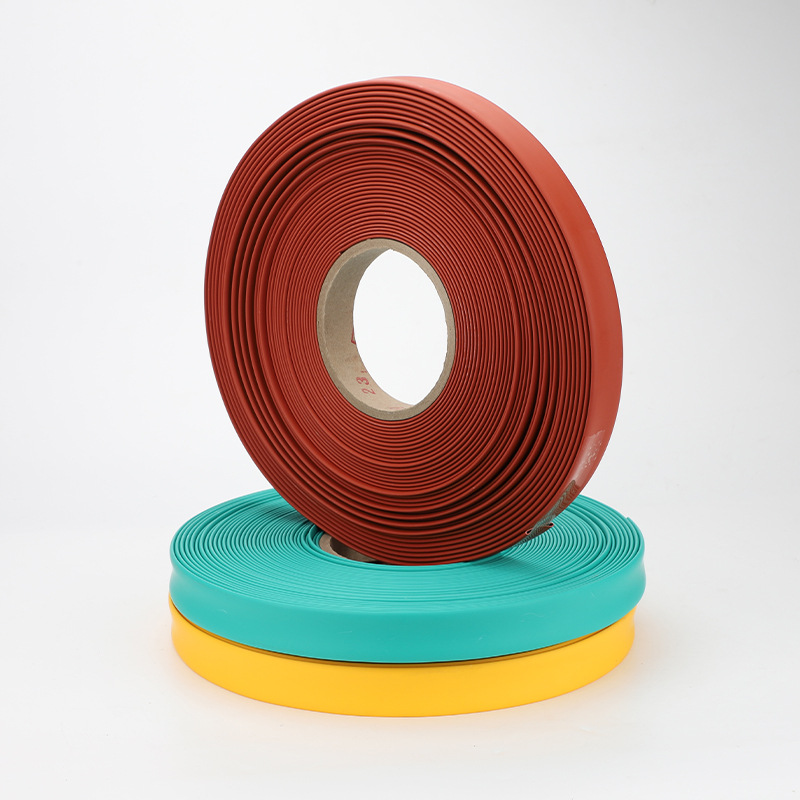
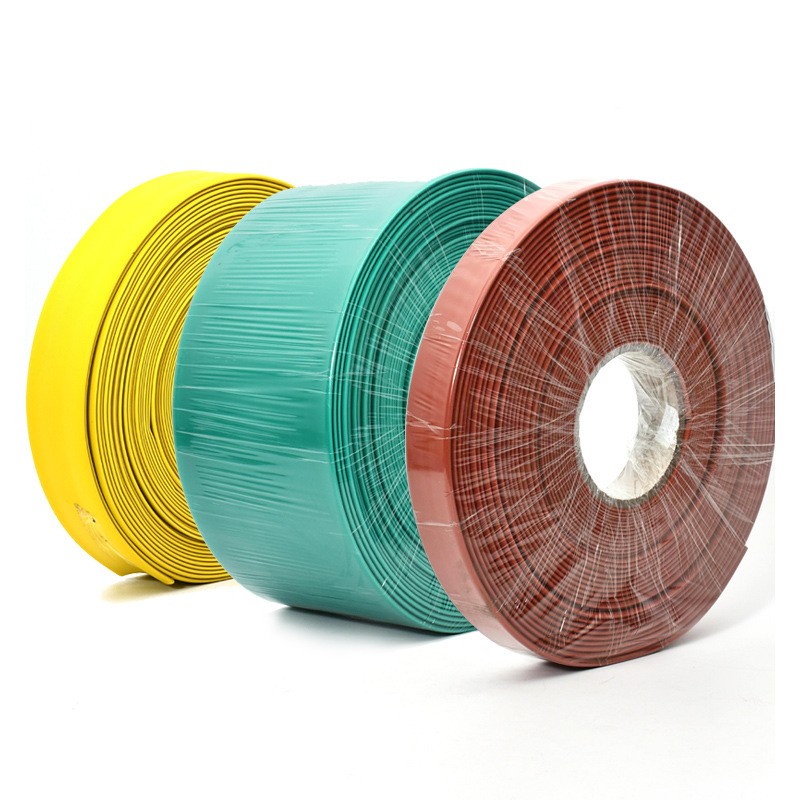
Applying heat shrink tubing is an essential process in electrical, automotive, and industrial applications that provides reliable protection and insulation for wire connections and components. This versatile solution involves heating pre-sized tubing that contracts around cables, wires, or connectors to create a tight, secure seal. When applying heat shrink tubing, the material shrinks to approximately half its original diameter, conforming perfectly to the underlying surface and creating a weatherproof barrier.
The primary function of applying heat shrink tubing is to protect electrical connections from moisture, dust, chemicals, and physical damage. The tubing acts as an insulating layer that prevents short circuits and electrical hazards while organizing cables in complex systems. Applying heat shrink tubing also provides mechanical strength, reducing vibration-induced damage and extending the lifespan of wire connections.
Technologically, modern heat shrink tubing features advanced materials such as cross-linked polyolefin, silicone, and fluoropolymer compounds. These materials offer exceptional thermal stability, chemical resistance, and flexibility. When applying heat shrink tubing, technicians use heat guns, ovens, or hot air systems to activate the shrinking process at specific temperatures, typically ranging from 80 to 200 degrees Celsius.
Applications for applying heat shrink tubing span numerous industries. In automotive manufacturing, it protects engine wiring harnesses from extreme temperatures and corrosive environments. Electronics manufacturers use it to insulate component leads and circuit board connections. Telecommunications companies apply heat shrink tubing to cable terminations and splices. Marine and aerospace industries rely on applying heat shrink tubing for critical connections where reliability is non-negotiable. The process also finds widespread use in consumer electronics, power distribution systems, and renewable energy installations.

 EN
EN