
 EN
EN
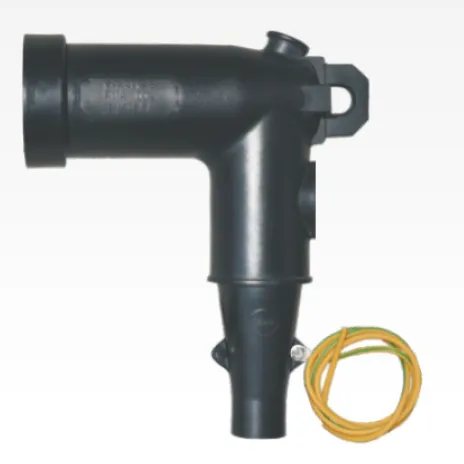
Modern electrical distribution systems demand accessories that combine reliability, precision engineering, and compliance with stringent safety standards. European-style cable accessories have emerged as a benchmark in the global power infrastructure market, offering design philosophies and performance characteristics that distinguish them from other regional approaches. These accessories encompass a wide range of components including connectors, insulators, terminations, and joints specifically engineered to meet European technical standards such as IEC and CENELEC regulations. Understanding what makes these accessories advantageous requires examining their design principles, material quality, installation efficiency, and long-term operational benefits within medium-voltage and high-voltage applications.
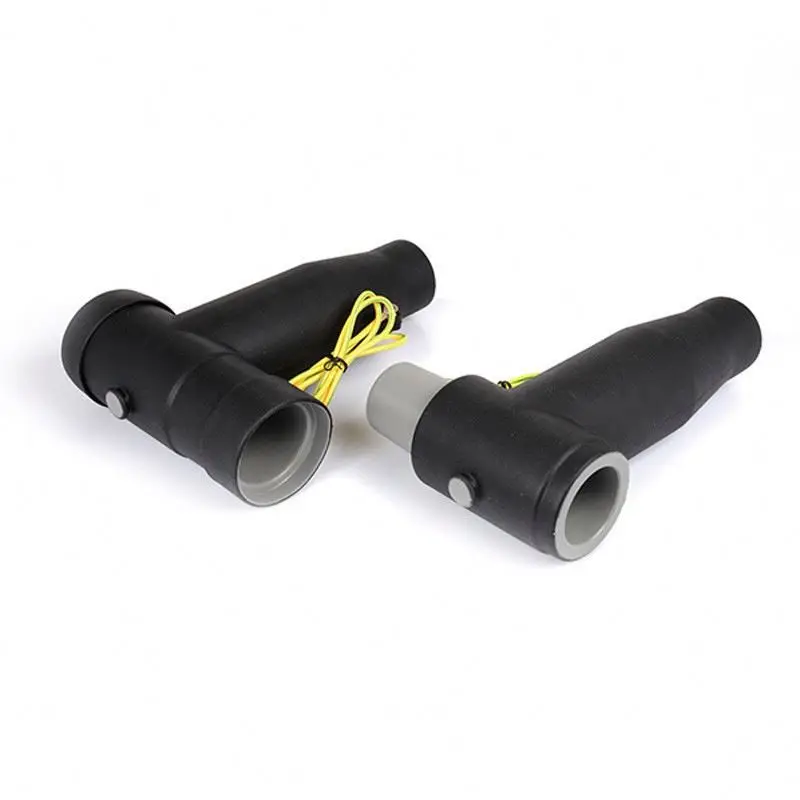
The adoption of European-style cable accessories reflects a strategic choice by utilities, industrial facilities, and infrastructure developers seeking equipment that delivers measurable performance advantages across multiple operational dimensions. From enhanced safety margins to simplified maintenance protocols, these accessories address critical pain points that affect both initial project costs and lifetime system economics. This comprehensive examination explores the technical, operational, and economic advantages that define European-style cable accessories as a preferred solution in contemporary electrical systems, providing decision-makers with the insights needed to evaluate these components within their specific application contexts.
Superior Engineering Standards and Design Philosophy
Rigorous Compliance with International Standards
European-style cable accessories are developed under some of the most demanding technical standards in the electrical industry. Compliance with IEC 60502, IEC 60840, and related CENELEC specifications ensures that these accessories meet stringent requirements for electrical performance, mechanical strength, and environmental resilience. The certification processes involve comprehensive type testing that validates performance under fault conditions, thermal cycling, and long-duration voltage stress. This regulatory framework creates a baseline quality threshold that gives users confidence in component reliability regardless of the specific manufacturer.
The design validation process for European-style cable accessories typically includes impulse voltage withstand tests, partial discharge measurements, and long-term aging simulations that exceed minimum regulatory requirements. Many manufacturers conduct extended prequalification testing that simulates decades of operational stress within accelerated timeframes. This thorough approach to standards compliance translates into accessories with documented performance characteristics and predictable behavior under both normal and abnormal system conditions. For project engineers, this means reduced uncertainty during system design and greater assurance that installed components will perform as specified throughout their intended service life.
Advanced Material Selection and Manufacturing Quality
The material science underlying European-style cable accessories represents a significant advantage in component performance and longevity. Silicone rubber formulations used in these accessories typically exhibit superior electrical tracking resistance, hydrophobicity retention, and UV stability compared to alternative insulating materials. The use of high-grade EPDM compounds for sealing applications ensures long-term elasticity and chemical resistance even when exposed to oils, moisture, and temperature extremes. Metal components such as connectors and shields utilize copper alloys with precisely controlled conductivity and corrosion resistance properties that maintain low contact resistance over extended operational periods.
Manufacturing quality control for European-style cable accessories often involves automated processes with in-line inspection systems that verify dimensional accuracy, material consistency, and assembly integrity for every production unit. Injection molding parameters for insulating components are monitored continuously to prevent voids, contaminants, or density variations that could compromise dielectric strength. This process discipline results in accessories with minimal unit-to-unit variation and consistent performance characteristics across production batches. For system operators, this manufacturing consistency reduces the risk of premature failures and simplifies inventory management by ensuring that replacement components will perform identically to originally installed units.
Optimized Electrical Performance Characteristics
European-style cable accessories incorporate design features that optimize electrical field distribution and minimize stress concentrations at critical interfaces. Stress control elements such as geometric shields, resistive field grading layers, and capacitive grading systems are engineered using finite element analysis to ensure uniform voltage distribution across insulating surfaces. This attention to field management reduces the probability of partial discharge inception and extends the time to breakdown under transient overvoltage conditions. The resulting accessories can operate reliably at voltages approaching their rated limits without experiencing degradation mechanisms that would compromise long-term integrity.
Contact resistance in European-style cable accessories is minimized through precision-machined connection interfaces and controlled compression mechanisms that maintain consistent contact pressure regardless of thermal cycling or mechanical vibration. Shear bolt connectors, compression lugs, and separable interface designs all incorporate features that prevent loosening over time and maintain electrical continuity throughout the accessory service life. Lower contact resistance translates directly into reduced power losses, lower operating temperatures, and improved system efficiency. For high-current applications, these incremental efficiency gains can produce substantial energy cost savings over the decades-long operational lifetime of the installed accessories.
Installation Efficiency and Operational Flexibility
Simplified Installation Procedures and Reduced Labor Requirements
European-style cable accessories are designed with installation efficiency as a primary consideration, incorporating features that reduce the time, skill level, and specialized tooling required for proper assembly. Many designs utilize pre-molded or pre-fabricated components that eliminate the need for field pouring of insulating compounds or hand-wrapping of stress control tapes. Cold-shrink technologies allow installers to complete joints and terminations without heat guns or torches, reducing both installation time and the risk of installation errors caused by improper heating. These user-centered design approaches translate into lower labor costs and faster project completion timelines.
The standardization inherent in European-style cable accessories means that installation procedures remain consistent across different voltage classes and application types. Installers who become proficient with one product line can rapidly adapt to similar accessories from other manufacturers due to common design principles and assembly sequences. Training requirements are therefore reduced, and the risk of installation mistakes decreases as technicians gain experience with the standardized approaches. For utilities and contractors managing multiple concurrent projects, this consistency enables more efficient workforce allocation and reduces the premium costs associated with highly specialized installation expertise.
Enhanced System Flexibility and Reconfigurability
Separable connector designs that characterize many European-style cable accessories provide exceptional flexibility for system modifications, expansions, and maintenance activities. Unlike permanently jointed connections, separable interfaces allow cables to be disconnected and reconnected without destroying the accessory or requiring complete replacement. This capability is particularly valuable in distribution systems where load growth, equipment upgrades, or circuit reconfigurations necessitate changes to the cable network layout. The ability to make these changes without extensive cable splicing work reduces both the cost and duration of system modifications.
The modular nature of European-style cable accessories supports phased infrastructure development and incremental capacity expansion strategies. Initial installations can be designed with connection points for future circuit additions, allowing utilities to defer capital expenditures until actual load growth materializes. When expansions do occur, the existing accessories accommodate new connections without requiring modifications to the original installation. This forward compatibility reduces the total cost of ownership for growing systems and provides strategic flexibility that purely permanent jointing approaches cannot match. For industrial facilities with evolving power distribution requirements, this modularity represents a significant operational advantage.
Reduced Outage Duration During Maintenance and Repairs
The serviceability advantages of European-style cable accessories become particularly evident during maintenance activities and emergency repairs. Separable interfaces allow individual components to be isolated, tested, and replaced without de-energizing entire cable circuits or adjacent equipment. When faults do occur, diagnostic procedures can quickly identify the specific accessory requiring attention, and replacement can be accomplished rapidly using standardized components. This targeted repair capability minimizes system downtime and reduces the customer impact of maintenance activities.
European-style cable accessories often incorporate features that facilitate condition monitoring and diagnostic testing without requiring disassembly or de-energization. Accessible test points, partial discharge monitoring provisions, and thermal imaging compatibility enable maintenance personnel to assess accessory condition during routine inspections. Early detection of developing problems allows for planned maintenance interventions rather than reactive emergency repairs. This predictive maintenance capability improves overall system reliability and allows operators to schedule necessary work during planned outage windows rather than experiencing unplanned service interruptions. The economic value of avoided unplanned outages often justifies the initial cost premium of accessories with enhanced diagnostic capabilities.
Long-Term Reliability and Economic Value
Extended Service Life and Reduced Replacement Frequency
European-style cable accessories are engineered for service lives that match or exceed the expected operational lifetime of the cables they terminate and connect. Material degradation rates are carefully controlled through appropriate compound formulations and protection systems that shield critical components from environmental stressors. UV-resistant insulating materials maintain their dielectric properties even after decades of outdoor exposure, while sealed interfaces prevent moisture ingress that could accelerate aging processes. This durability translates into replacement cycles measured in decades rather than years, reducing lifecycle costs and minimizing the frequency of invasive maintenance activities.
The proven track record of European-style cable accessories includes decades of field experience across diverse climatic conditions and application environments. Performance data from utilities worldwide demonstrates failure rates significantly lower than typical system reliability targets, with many installations operating continuously for thirty years or more without requiring replacement. This demonstrated reliability reduces the need for redundant installations and allows system designers to optimize circuit configurations for efficiency rather than defensively over-building to compensate for anticipated accessory failures. The cumulative economic benefit of this reliability extends far beyond the initial equipment cost and represents a substantial advantage in total cost of ownership calculations.
Lower Maintenance Requirements and Operational Costs
The inherent reliability of European-style cable accessories reduces the intensity and frequency of required maintenance interventions throughout their service life. Unlike some accessory technologies that require periodic retightening, resealing, or condition-based component replacement, properly installed European-style cable accessories typically require only periodic visual inspections and non-invasive diagnostic testing. This low maintenance burden translates directly into reduced operational costs by minimizing both the direct expenses of maintenance materials and labor and the indirect costs associated with system outages required to perform maintenance activities.
The self-healing properties of silicone rubber insulators used in many European-style cable accessories provide additional operational advantages by resisting the formation of permanent tracking paths even after exposure to contamination or surface flashovers. This characteristic allows accessories to recover from transient stress events that would permanently damage accessories manufactured from alternative materials. The result is improved operational resilience and reduced susceptibility to cumulative degradation from repeated minor stress events. For systems operating in challenging environments with frequent lightning activity, pollution, or other stress factors, this self-healing capability represents a meaningful reliability advantage.
Comprehensive Warranty Support and Manufacturer Accountability
European manufacturers of cable accessories typically offer comprehensive warranty programs that reflect confidence in product quality and provide financial protection against premature failures. These warranties often extend for decades and cover not only the replacement cost of failed accessories but also associated labor and consequential damages resulting from accessory failures. This warranty support transfers risk from the equipment owner to the manufacturer and provides assurance that unexpected costs will not undermine the economic assumptions underlying equipment selection decisions. The willingness of manufacturers to stand behind their products with substantial financial commitments serves as a meaningful quality signal for procurement decision-makers.
The technical support infrastructure associated with European-style cable accessories includes comprehensive installation documentation, training programs, and responsive technical assistance for troubleshooting and application engineering. Manufacturers maintain detailed records of product specifications, test reports, and compatibility information that facilitate proper accessory selection and installation planning. When field issues do arise, technical specialists can provide rapid diagnosis and resolution support, often remotely through analysis of photographs and test data. This support ecosystem enhances the overall value proposition of European-style cable accessories by reducing the technical risks and uncertainties associated with equipment deployment and operation.
Safety Enhancement and Risk Mitigation
Superior Fault Current Handling and Arc Resistance
European-style cable accessories incorporate design features and materials that provide enhanced performance during fault conditions and abnormal system events. Arc-resistant materials and configurations minimize the propagation of fault energy and reduce the likelihood of catastrophic failures that could endanger personnel or damage adjacent equipment. Internal arc fault testing of switchgear-integrated accessories validates their ability to contain fault energy and maintain structural integrity even under severe short-circuit conditions. This fault tolerance provides an additional safety margin that protects both equipment and personnel during the rare but high-consequence events that characterize electrical system faults.
The mechanical strength of European-style cable accessories ensures that they maintain structural integrity even when subjected to the magnetic forces generated by high fault currents. Reinforced connection points, ruggedized insulating structures, and secure cable retention mechanisms prevent accessories from disassembling or ejecting components during fault events. This mechanical resilience contains hazards within the intended equipment boundaries and prevents secondary damage to nearby equipment or injury to personnel who may be working in adjacent areas. For installations in occupied buildings or publicly accessible locations, this containment capability is a critical safety consideration.
Reduced Risk of Tracking and Flashover Events
The tracking resistance of silicone rubber insulators used in European-style cable accessories provides superior performance in contaminated environments where conductive surface deposits could otherwise create flashover paths. Unlike organic insulators that carbonize when exposed to surface arcing, silicone materials form an inorganic ash that maintains insulating properties and prevents the formation of permanent conductive tracks. This characteristic is particularly valuable in coastal environments, industrial areas with airborne contaminants, or locations where bird droppings and other organic deposits accumulate on electrical equipment. The reduced flashover risk translates directly into improved safety and reliability for installations in challenging environments.
Hydrophobic surface properties of modern European-style cable accessories prevent the formation of continuous water films that could otherwise provide conductive paths across insulating surfaces. Even after extended exposure to rain, fog, or condensation, the beading behavior of water on silicone surfaces maintains sufficient insulation resistance to prevent tracking or flashover. This performance advantage becomes particularly important for outdoor installations and underground environments where moisture exposure is unavoidable. The resulting accessories maintain their electrical integrity across a broader range of environmental conditions than alternatives with less effective surface chemistry.
Enhanced Personnel Safety During Installation and Maintenance
European-style cable accessories often incorporate design features that improve personnel safety during installation, testing, and maintenance activities. Clear visual indicators show when separable connectors are properly engaged, reducing the risk of incomplete connections that could create hazardous conditions. Mechanical interlocks prevent accidental disconnection of energized accessories, protecting workers from arc flash exposure during maintenance procedures. Ergonomic operating mechanisms reduce the physical force required to operate switches and connectors, minimizing the risk of repetitive stress injuries among personnel who frequently interact with the equipment.
The materials used in European-style cable accessories are selected not only for electrical performance but also for safety during handling and installation. Low-toxicity compounds eliminate exposure risks from hazardous substances that characterized older accessory technologies. Elimination of heavy metal additives and halogenated flame retardants addresses environmental and health concerns while maintaining necessary performance characteristics. This attention to material safety reflects the comprehensive approach to worker protection that characterizes European manufacturing standards and provides additional value beyond purely technical performance metrics.
FAQ
Are European-style cable accessories compatible with cables manufactured to other regional standards?
European-style cable accessories demonstrate broad compatibility with cables manufactured to various international standards, provided that the dimensional and electrical specifications are properly matched. The key compatibility factors include cable conductor size, insulation thickness, insulation material type, and voltage rating. Most European accessory manufacturers provide detailed compatibility matrices that identify suitable cable types and facilitate proper selection. For applications involving cables manufactured to North American or Asian standards, consultation with the accessory manufacturer is recommended to verify compatibility and ensure proper electrical performance. In many cases, slight dimensional differences can be accommodated through appropriate preparation techniques or the use of adapter components specifically designed to bridge between standards.
How do the initial costs of European-style cable accessories compare to alternative technologies?
European-style cable accessories typically command a price premium compared to some alternative technologies, reflecting their advanced materials, rigorous testing, and comprehensive quality control processes. However, lifecycle cost analysis that accounts for installation labor, maintenance requirements, reliability, and service life often reveals economic advantages that offset higher initial acquisition costs. The reduced installation time associated with pre-fabricated designs lowers labor expenses, while superior reliability minimizes replacement and unplanned maintenance costs over the multi-decade service life. For critical applications where reliability is paramount or for installations where maintenance access is difficult and expensive, the total cost of ownership for European-style cable accessories is frequently lower than nominally cheaper alternatives. Procurement decisions should therefore consider the complete economic picture rather than focusing exclusively on initial equipment prices.
What specific application environments benefit most from using European-style cable accessories?
European-style cable accessories provide particular advantages in applications characterized by harsh environmental conditions, limited maintenance access, or stringent reliability requirements. Coastal installations benefit from the superior tracking resistance and corrosion resistance of these accessories, while underground applications leverage their moisture resistance and long service life. Industrial facilities with contaminated atmospheres gain value from arc-resistant designs and robust insulating materials. Renewable energy installations including wind farms and solar projects benefit from the serviceability and reconfigurability of separable connector designs. Critical infrastructure applications such as hospitals, data centers, and transportation systems justify the reliability advantages that European-style cable accessories provide. While these accessories perform well across essentially all medium-voltage and high-voltage cable applications, the value proposition becomes most compelling where the consequences of failure are severe or where operating conditions challenge the limits of lesser accessories.
Can European-style cable accessories be installed by personnel with standard electrical training?
European-style cable accessories are designed to be installable by electricians and technicians with standard electrical industry training, though manufacturer-specific instruction on proper installation procedures is strongly recommended. The simplified installation processes and comprehensive documentation provided by European manufacturers facilitate proper installation without requiring highly specialized expertise. Many utilities and contractors implement brief training programs that familiarize personnel with specific product lines and ensure consistent installation quality. The standardization inherent in European designs means that skills developed with one manufacturer's products transfer readily to similar accessories from other sources. For complex installations or critical applications, involving factory-trained specialists or obtaining manufacturer supervision for initial installations provides additional assurance of proper technique. Overall, the installation skill requirements for European-style cable accessories are moderate and well within the capabilities of qualified electrical personnel with appropriate product-specific training.
Table of Contents
- Superior Engineering Standards and Design Philosophy
- Installation Efficiency and Operational Flexibility
- Long-Term Reliability and Economic Value
- Safety Enhancement and Risk Mitigation
-
FAQ
- Are European-style cable accessories compatible with cables manufactured to other regional standards?
- How do the initial costs of European-style cable accessories compare to alternative technologies?
- What specific application environments benefit most from using European-style cable accessories?
- Can European-style cable accessories be installed by personnel with standard electrical training?