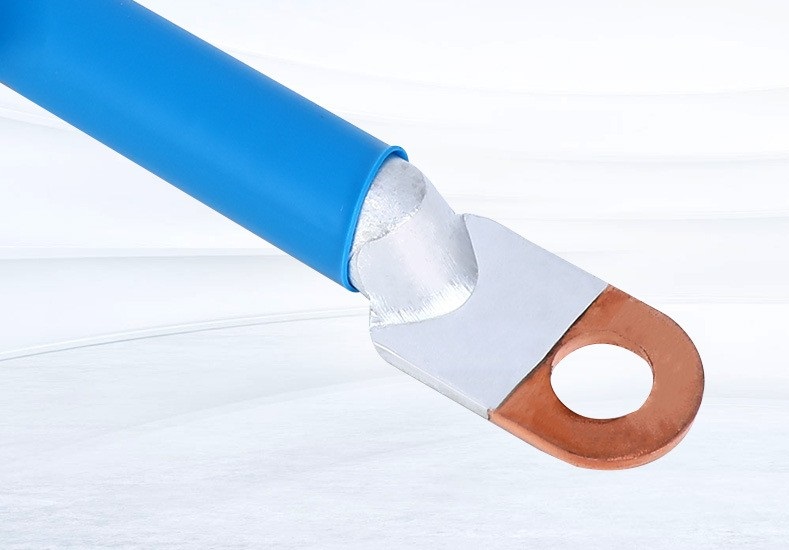
industrial cable terminal
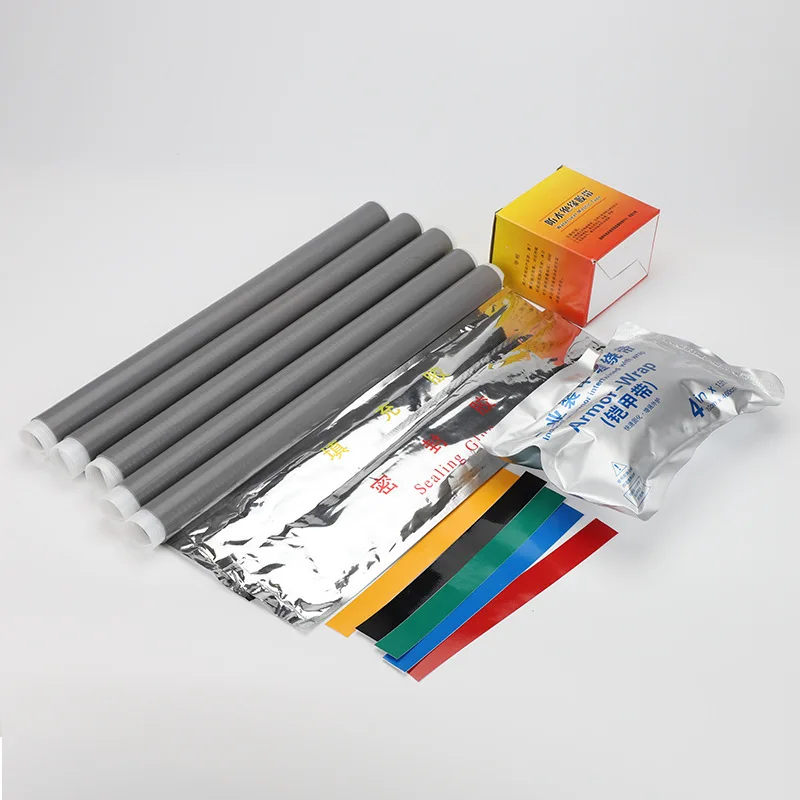
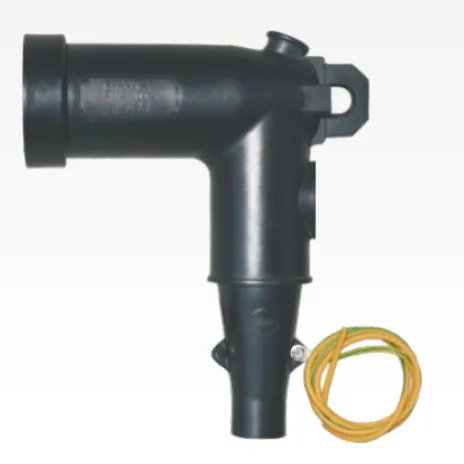
An industrial cable terminal serves as a critical connection point in electrical systems, enabling secure and reliable transmission of power and signals across demanding environments. This essential component functions as the interface between cables and electrical equipment, ensuring stable current flow while maintaining safety standards.
The industrial cable terminal operates by compressing or crimping onto cable conductors, creating a permanent mechanical and electrical connection. This process eliminates the need for solder, providing superior reliability in high-vibration and temperature-sensitive applications. Modern industrial cable terminals are engineered with precision engineering to accommodate various wire gauges and voltage requirements.
Technologically, the industrial cable terminal features advanced materials including tinned copper, nickel-plated brass, and specialized insulation compounds that resist corrosion and oxidation. These materials ensure longevity even in harsh chemical, marine, and industrial environments. The design incorporates strain relief mechanisms that protect against mechanical stress and cable breakage.
Applications for the industrial cable terminal span multiple sectors including manufacturing plants, power distribution networks, renewable energy installations, telecommunications infrastructure, automotive assembly lines, and heavy equipment operations. Industries rely on industrial cable terminals for control circuits, motor connections, switchgear assemblies, and backup power systems.
The industrial cable terminal accommodates both solid and stranded conductors, ranging from fine gauge wires to heavy-duty cables exceeding 300 square millimeters. Quality industrial cable terminal products meet international standards including DIN, IEC, and UL certifications, guaranteeing consistent performance and safety compliance across global applications.

 EN