
 EN
EN
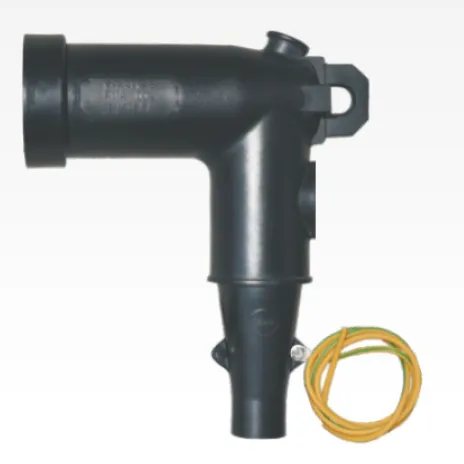
Kuchagua mifumo ya kuvuruga kwa waya yanayotumika katika matumizi ya sasa kali inahitaji uchambuzi wa makini wa sababu za umeme, za kimkavu, na za mazingira ambazo zinaweza kuathiri moja kwa moja utendaji wa mfumo na usalama. Mazingira ya sasa kali yanatoa chango maalum ambapo kuchagua mifumo ya kuvuruga isiyo ya kutosha inaweza kusababisha moto mkali, uvurugu wa muunganisho, na muda wa kupumzika unaoharibisha shughuli za viwanda.
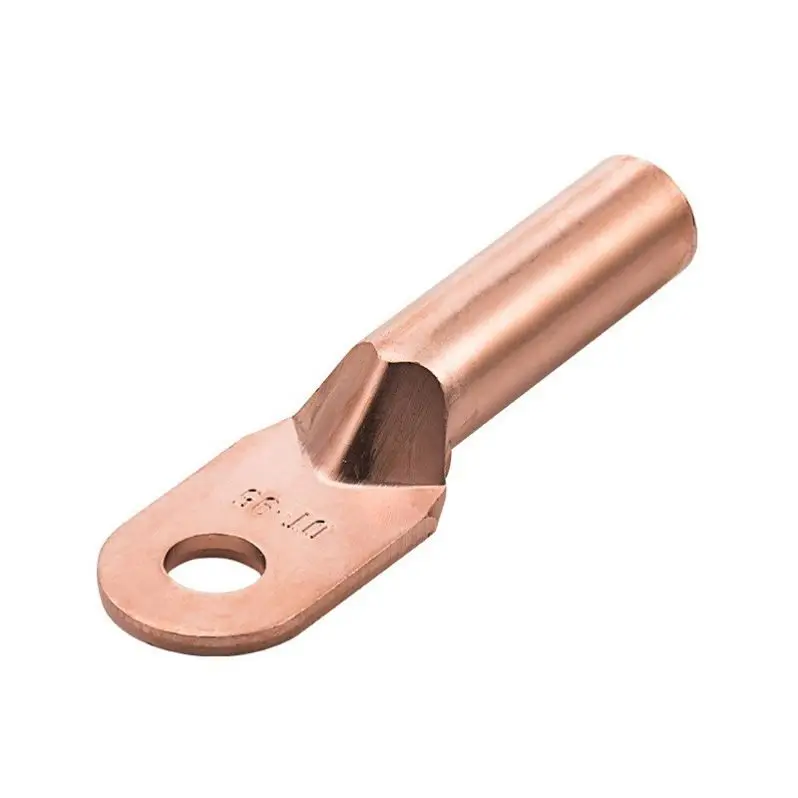
Kuelewa jinsi ya kuchambua na kuchagua kwa usahihi mifumo ya kuvuruga kwa matumizi ya sasa kali inahitaji uchambuzi wa mfumo wa ratiba za sasa, sifa za vitu, njia za kuunganisha, na mahitaji ya kufanikisha. Uchambuzi huu wa teknolojia unahakikisha utendaji bora wa umeme, ustabiliti wa kimkavu, na uwezo wa kudumu katika mazingira ya viwanda ambayo ni ngumu, ambapo uvurugu wa umeme unaweza kuwa na mafanikio magumu.
Kuelewa Mahitaji ya Matumizi ya Sasa Kali
Kuainisha Majina ya Vitendo vya Sasa Kali
Matumizi ya sasa ya juu kawaida yahusisha mifumo ya umeme yanayofanya kazi zaidi ya amper 100, ingawa kipimo cha sasa cha maalum kinabadilika kulingana na viwajibikaji vya sekta na muktadha wa matumizi. Mazingira haya hahitaji mifupa ya mita (cable terminals) inayoweza kushughulikia mzigo mkubwa wa umeme bila kujitokeza kwenye ongezeko la joto la hatari au upungufu wa utendaji wa voltage ambalo linaweza kuharibu ufanisi wa mfumo.
Mihesabu ya densiti ya sasa hucheza jukumu muhimu katika kuchagua mifupa ya mita, kwa sababu uhusiano kati ya mtiririko wa sasa na eneo la msalaba wa mchakato unategua mzurura wa kujengwa kwa joto. Mifupa ya mita yenye ufanisi inapaswa kusambaza sasa kwa usawa kwenye uso lake la muktadha wakati inavyotunza upungufu mdogo wa umeme kote katika uhai wake wa kufanya kazi.
Mazoezi ya kujitenga ya joto huwa muhimu sana katika mazingira ya utirani wa juu ambapo hata ongezeko ndogo la upinzani linaweza kusababisha kujitenga kwa joto kikubwa. Wenginezi waprofesha wanahitaji kuchukua katika mkondo joto la mazingira, athari za mzunguko wa joto, na uwezo wa kutoa joto wakipima utunzaji wa mafumbo kwa matumizi maalum.
Sababu za Mazingira na Uvunjaji wa Kiufundi
Mafumbo ya utirani wa juu mara nyingi yanashughulikia mazingira magumu ambayo huweka mzozo ziada kwenye mifumo ya umeme zaidi ya mahitaji ya umeme pekee. Uvibrasha, ukuwepo wa joto, unyevu, na uwajibikaji wa kemikali inaweza kuwa sababu za uvunjaji wa muunganisho kwa muda mrefu ikiwa haikuchaguliwa kwa makini mafumbo ya kutosha.
Uchambuzi wa kuvimba kwa kiashiria unapaswa kuchukua katika mkazo mafumbo ya kusimama na ya kudundua ambayo vituo vya mifumo ya kuvuruga vitakayopitia wakati wa uendeshaji. Mafumbo ya kusimama ni pamoja na uzito wa mifumo ya kuvuruga na mgawanyo wa kufupisha wakati wa kusakinisha, wakati mafumbo ya kudundua yanajumuisha mzunguko wa kuongezeka kwa joto, uvibrasha wa vifaa, na hali za uhakika wa kushindwa ambazo zinazalisha nguvu za umeme kubwa.
Uwezo wa kupinga uvunjaji unakuwa muhimu katika mazingira ya viwanda vingi ambapo vituo vya mifumo ya kuvuruga vinapokutwa na unyevu, kemikali, au vyanunuzi vya anga. Uchaguzi wa vitu na maelekezo ya kufunga kwa madhumuni ya kulinda unapaswa kufanana na changamoto maalum za mazingira ili kuhakikisha uwezo wa kudumu wa muunganisho katika mazingira ya uendeshaji yenye changamoto.
Maelekezo ya Uchaguzi wa Vitu na Ujenzi
Faida na Maelekezo ya Vituo vya Shaba
Shaba inawakilisha chaguo la kawaida zaidi la vitu kwa mtiririko wa juu ya kabeli kwa sababu ya utoaji wa kuvutia sana wa umeme, uwezekano wa kufanya kazi ya kimechaniki, na rekodi ya mafanikio ya sekta ya viwanda. Vifungo vya shaba vya ubora wa juu vinatoa uwezo bora wa kusambaza sasa kuliko vitu vingine vilivyopo wakati huo huo vinaendelea kuwa na bei yenye kutosha kwa matumizi ya viwanda.
Shaba la kuvutia kwa kutumia umeme (electrolytic tough pitch copper), ambalo mara nyingi huorodheshwa kwa matumizi ya umeme, hutoa kiwango cha utoaji cha karibu na 100% IACS (Kiwango cha Kimataifa cha Shaba Kilichopakuliwa) unapofanywa vizuri. Utoaji wa juu huu hufanya moja kwa moja kupungua kuzuia kwa sasa na kupungua joto la kazi chini ya hali za sasa kubwa.
Mchakato wa uzalishaji unavyoathiri sifa za utendaji wa mifupa ya kupitisha umeme ya shaba kwa kiasi kikubwa, na mifupa iliyoundwa kwa kutumia nguvu ya kushawisha kwa kawaida inatoa muundo wa vichwa na sifa za kimwili bora kuliko yale iliyotengenezwa kwa kutumia vyombo vya kufanya kazi. Maelekezo ya uchafuzi wa joto na taratibu za udhibiti wa ubora wakati wa uzalishaji huathiri moja kwa moja ubora wa muda mrefu na uwezo wa kusambaza umeme.
Vifaa vinginevyo na Matumizi Mahususi
Mifupa ya aluminium inatoa faida za uzito na gharama katika matumizi maalum ya umeme wa juu, hasa katika mfumo wa usambazaji wa umeme kwenye anga ambapo kupunguza uzito wa miongozo hutoa faida kubwa za usanidi. Hata hivyo, mifupa ya kabeli ya aluminium inahitaji makini kubwa kuhusu vipimo vya kuongezeka kwa joto na hatua za kuzuia uchafuzi.
Mifumo ya mizizi ya mbili ya metali ambayo huunganisha viungo vya shaba na aluminium hushughulikia changamoto za u совместимости katika mifumo ya metali mbili wakati huo huo huweka kwa ufanisi gharama za vitu na vipengele vya utendaji. Mizizi hii ya kipekee ya waya inajumuisha eneo la ubadilishaji linaloweza kusaidia taratibu tofauti za kuongezeka na sifa za kielektrokemia kati ya metali tofauti.
Mizizi ya shaba iliyopakwa kwa dhahabu hutoa uhamishaji bora zaidi na ulinzi dhidi ya uvunjaji kwa matumizi ya sasa ya juu sana ambapo utendaji bora zaidi unahitaji gharama za ziada za vitu. Upakiaji wa stani unatoa ulinzi wa uvunjaji unaofaa kwa gharama chini zaidi wakati unahifadhi sifa nzuri za umeme kwa matumizi ya viindustri ya jumla yanayohitaji utendaji bora wa muda mrefu.
Vipengele vya Utendaji wa Umeme na Viashiria vya Kujaribu
Uamuzi wa Uwiano wa Sasa na Vigezo vya Usalama
Uamuzi wa sahihi wa kiwango cha sasa kwa mifumo ya kuvuruga mita (cable terminals) unahitaji uchambuzi kamili wa vipengele vya mtambo, hali za joto la mazingira, na mipaka ya juu ya ongezeko la joto inayokubalika kulingana na viwango vya sekta vinavyotumika. Vipengele vya usalama vinapaswa kujumuisha hali za kuvuruga zaidi (overload) na athari za umri ambazo zinaweza kupunguza utendaji wa mifumo ya kuvuruga kwa muda mrefu.
Miongozo ya majaribio ya ongezeko la joto, yanayofuata kawaida viwango vya IEEE au IEC, huweka vipengele vya msingi ya utendaji kwa mifumo ya kuvuruga chini ya hali za laboratori zinazouzwa. Mifano ya majaribio hii inayotumika kwa kawaida inasaidia watafiti kulinganisha chaguo mbalimbali za mifumo ya kuvuruga na kuthibitisha vipengele vilivyotolewa na watoa huduma kwa mahitaji maalum ya matumizi.
Hisabati za kushuka kwa uwezo huwa muhimu wakati wa kuweka mifumo ya kujumuisha mikondo katika magogo ya juu ya joto au mahali yaliyofungwa yenye mgando mdogo wa hewa. Kuelewa sababu hizi za kushuka kwa uwezo husaidia kuchagua ukubwa wa sahihi wa mifumo ya kujumuisha ili kudumisha majoto ya kufanya kazi salama kote katika muda wa maisha ya mtumizi wa mfumo wa umeme wenye sasa kubwa.
Ukubwa wa Ukingo wa Kuunganisha na Ustahimilivu wa Muda Mrefu
Vipimo vya ukingo wa kuunganisha vinatoa viashiria muhimu vya utendaji kwa mifumo ya kujumuisha mikondo, ambapo thamani ndogo zaidi za ukingo zinamaanisha kupungua kwa upotezaji wa nguvu na majoto ya kufanya kazi. Viashiria vya sekta mara nyingi hukadiria thamani juu ya ukingo kwa ukubwa tofauti wa mifumo ya kujumuisha na ratiba za sasa ili kuhakikisha kwamba utendaji unafaa.
Uchunguzi wa mzunguko wa joto unatumia kuchunguza jinsi ya vitambaa vya mwisho wa mita mbaya vinavyohifadhi sifa zao za umeme kupitia mzunguko wa mara nyingi ya kujaza na kupungua joto ambayo inasimulia hali za kawaida za kufanya kazi. Uchunguzi huu unazuia njia za kuharibika ambazo zinaweza kuharibu uwezo wa kuunganisha kwa muda mrefu katika matumizi ya sasa kubwa.
Uchunguzi wa upinzani wa vibarabara unahakikisha kwamba vitambaa vya mwisho wa mita mbaya vinahifadhi kuunganisho thabiti za umeme ingawa kuna mashakili ya kimwili yanayopatikana katika mazingira ya viwandani. Miongozo ya uchunguzi yenye utaratibu inasimulia miongozo ya vibarabara ya ulimwengu ili kuthibitisha kwamba vitambaa havitaondoka au kutoa kuunganisho wenye upinzani wa juu wakati wa kufanya kazi.
Njia za Kusakinisha na Teknolojia za Kuunganisha
Njia za Kuunganisha kwa Kupima
Makusanyiko ya kushikilia yanawakilisha njia ya uaminifu zaidi ya kuweka vifungo vya mizizi katika matumizi ya sasa kali, ikutoa shinikizo la mawasiliano ya mara kwa mara na upungufu wa uwezekano wa kujitenga cha mawasiliano unapoendelezwa vizuri. Zana za kushikilia kwa kutumia shinikizo la maji zinahakikisha usambazaji wa shinikizo sawa kote kwenye eneo la mawasiliano, ikiongeza utendaji wa umeme na wa kiashiria.
Chaguo la kipengele cha kushikilia na vitendo vya shinikizo cha kushikilia vinapaswa kufanana na vifungo maalum vya mizizi na makundi ya wimbi yanayotumika ili kupata matokeo bora. Kukushikilia chini huleta mawasiliano mabaya ya umeme na janga la moto lililopita, wakati kukushikilia juu inaweza kuharibu mishale ya wimbi au vifungo, ikidhoofisha uaminifu wa muda mrefu.
Mchakato wa udhibiti wa ubora kwa maelezo ya kushikilia kuchukua pamoja unajumuisha uchunguzi wa macho, mtihani wa kuchukua kwa nguvu, na kujisadikisha kwa kupima upinzani ili kuthibitisha kuwa imefanyika kwa njia ya sahihi. Hatua hizi za uthibitisho zinasaidia kuhakikisha kwamba mifumo ya kufunga waya itafanya kazi kwa uaminifu wote kwa muda wa maisha yake ya matumizi ya kawaida katika matumizi ya sasa ya juu.
Njia za Uhusiano wa Kiashiria na Kupanga Kivinjari
Uhusiano wa kiashiria uliotumia muunganisho wa vinyonga unatoa chaguo la kufunga kwa njia ya kufungwa tena kwa mifumo ya kufunga waya katika matumizi ambayo yanahitaji usimamizi mara kwa mara au kubadilisha upangaji. Mipangilio ya kutosha ya torque na madhumuni ya kuzuia kuvunjika kwa uso yanasaidia kudumisha shinikizo la mstari wa kushikilia kwa usawa wakati huwezi kuzuia kuvunjika kwa uso au ukovu kwenye uso la uhusiano.
Mifumo ya viti vya kuvimba vinatoa uwezekano wa kufanikisha kwa urahisi kwa mifumo ya viwango vya chini, lakini inahitaji makini ya kutosha katika mchakato wa kuvimba kwa usahihi ili kuepuka uvimbe wa viwango. Vitu vya kuvimba vya kichwa na mpangilio wa kuvimba mara kwa mara unavyofanywa kwa kawaida husaidia kuhakikisha kwamba muunganisho hii huendelea kuwa imara kwa muda mrefu katika matumizi ya sasa kubwa.
Mifumo ya viti vya kuvimba vya kipindi cha mafuta vinatoa shinikizo sawa ya mkuu hata kama kuna mabadiliko ya joto na athari za vibarabara, ikifanya iwe ya kufaa kwa matumizi maalum ya sasa kubwa ambapo upatikanaji wa huduma ya kudumisha ni limited. Viti hivi vya kuvimba vya kisasa vina vitu vya kuvimba vya kihistoria vya kuvimba ambavyo vinajitambulisha kwa kubadilisha kwa kujitambulisha kwa mabadiliko madogo ya ukubwa wakati wa kufanya kazi.
Maelekezo ya Kuchagua Kulingana na Matumizi
Matumizi ya Motori ya Viwanda na Mifumo ya Kudhibiti
Matumizi ya mifumo ya moto yanahitaji vifungo vya kabeli vinavyoweza kushughulikia viwango vya sasa vya kazi ya kawaida na viwango vya sasa vya kuanzisha vinavyoweza kuzidirisha vipimo vya kawaida mara nyingi. Vifaa vya udhibiti wa frekwensi ya kubadilika (VFD) huunda yaliyomo ya harmoniki zaidi ambayo inaweza kuongeza athari za joto katika vifungo vya kabeli vilivyoundwa vibaya.
Uwezo wa kupinga uvibarua unakuwa muhimu sana katika matumizi ya moto ambapo uvibarua wa kimkono unaweza kufanya vifungo kuvunjika hatua kwa hatua wakati mrefu. Vifungo vya kabeli vinaonyesha uwezo mzuri wa kudumisha kiutamia, na hivyo kusaidia kudumisha vifungo vya umeme vyenye ustahili bila kuvunjika hata kwa kuvumbuliwa kwa uvibarua wa mara kwa mara katika mazingira ya viwanja vya viwanda vya moto.
Mabadiliko ya joto katika matumizi ya moto mara nyingi yanazidi yale yanayopatikana katika mifumo ya umeme ya kimantiki kwa sababu ya mzunguko wa kuanzisha na mabadiliko ya mzigo. Uchaguzi wa vifungo unapaswa kuchukua ikiwa ni pamoja na mashakio haya ya joto wakati inavyodumisha uwezo wa kushughulikia sasa kwa wakati wote wa mzunguko wa kazi uliotarajwa wa mfumo wa moto.
Matumizi ya Usambazaji wa Nishati na Vifaa vya Kuzima
Vifaa vya kuzima vinahitaji mifupa ya mita mbili yenye uwezo wa juu wa kushinda sasa ya kushindwa ili kusimama katika hali za ukatili wa muda mfupi bila kuharibika kabisa. Mifupa hii inapaswa kudumisha uhai wake wa kimwili na uburuduzi wa umeme wakati wa ukatili ili kulinda watu na vifaa.
Ukubwa mdogo wa vifaa vya umeme mara nyingi hutoa hitaji la mifupa ya mita mbili yenye ukubwa mdogo ambayo inapata uwezo wa kusafirisha sasa kikubwa zaidi wakati inapunguza eneo lake la kimwili. Uchaguzi wa sahihi wa mifupa hii unasaidia kuboresha mpangilio wa sehemu ya umeme wakati inadumisha umbizo unaofaa kwa uendelezaji wa salama na ufikiaji wa matumizi.
Majina ya kuvutia kwa umeme (arc flash) yanathibitisha uchaguzi wa mifupa katika matumizi ya vifaa vya kuzima ambapo uvunjika wa muunganisho unaweza kuchangia matukio ya kuvutia kwa umeme yanayoweza kusababisha hatari. Mifupa ya mita mbili yenye uaminifu na yenye historia ya kufanya kazi vizuri husaidia kupunguza uwezekano wa makosa ya umeme yanayotokana na muunganisho ambayo yanaweza kuhatarisha watu au kuharibisha vifaa.
Maswali Yanayoulizwa Mara kwa Mara
Ni vipi vya sasa vinavyofaa kuzingatia wakati kuchagua mifupa ya mita, kwa matumizi ya sasa kubwa?
Vipi vya sasa vya mifupa ya mita vinapaswa kuzidisha kiasi cha juu cha uendeshaji kwa angalau 25–30% ili kupatia mpango wa usalama unaofaa na kujumuisha hali za kuzidisha kwa muda mfupi. Fikiria vipi vya sasa vya kudumu pamoja na uwezo wa kuzidisha kwa muda mfupi, hasa katika matumizi yanayohusisha kuanza kwa motor au uwepo wa sasa ya kushindwa. Hakikisha daima kwamba ongezeko la joto la mifupa linabaki ndani ya mipaka inayokubalika kwa kiwango chako maalum cha uendeshaji.
Ninajifanyaje kujua kama mifupa ya shaba au ya aluminium ni bora zaidi kwa matumizi yangu ya sasa kubwa?
Mifumo ya mizizi ya kupinga ya shaba kwa kawaida inatoa utendaji wa umeme bora zaidi na upungufu wa uvimbe, ikifanya iwe chaguo la kwanza kwa matumizi ya sasa ya juu. Chagua mizizi ya aluminium haswa unapokwenda kwa kuondoa uzito na unaweza kukubali ukubwa wake mkubwa zaidi kwa uwezo wa sasa sawa. Fikiria kutumia mizizi ya mbili-metali unapowekwa mizizi ya metali tofauti ili kuzuia uvimbe wa galvani wakati wa kuboresha utendaji wa jumla ya mfumo.
Hitilafu gani za usanidi nitakayozidisha kuepuka unapoweka mizizi ya kabeli katika mfumo ya sasa ya juu?
Epuka kushindwa kuzima au kuzima kwa nguvu kubwa mifumo ya kuunganisha, ambayo inaweza kusababisha upinzani wa juu au vifaa vilivyoharibiwa kwa mpangilio huo. Usijumuishi mizizi ya aina tofauti bila mifumo ya kushirikiana ya sahihi, na daima tumia vifaa vya kushinjia na njia zilizotolewa. Hakikisha utayari wa kifaa cha kusambaza kwa kufuta uvimbe na kutumia viungo vya kuzuia uvimbe kwa usahihi kabla ya kusambaza, haswa kwa vifaa vya kupinga ya aluminum.
Unapaswa kuchunguza vifungo vya miongo kwa mara ngapi katika matumizi ya sasa kali?
Chunguza vifungo vya miongo katika matumizi ya sasa kali angalau mara moja kwa mwaka, na kuchunguza mara kwa mara zaidi inapendekezwa kwa mfumo muhimu au mazingira magumu. Tafuta dalili za joto kali kama vile ubaguzi wa rangi, uvimbe, au mifungo isiyokaa vizuri wakati wa muda ulioelezewa wa usafi wa kawaida. Uchunguzi wa picha za joto unaweza kupatikana matatizo yanayotengeneza kabla hayingewezi kusababisha mapotezi, kama hivyo ni zana muhimu ya kuchunguza vifungo vya sasa kali.
Orodha ya Maudhui
- Kuelewa Mahitaji ya Matumizi ya Sasa Kali
- Maelekezo ya Uchaguzi wa Vitu na Ujenzi
- Vipengele vya Utendaji wa Umeme na Viashiria vya Kujaribu
- Njia za Kusakinisha na Teknolojia za Kuunganisha
- Maelekezo ya Kuchagua Kulingana na Matumizi
-
Maswali Yanayoulizwa Mara kwa Mara
- Ni vipi vya sasa vinavyofaa kuzingatia wakati kuchagua mifupa ya mita, kwa matumizi ya sasa kubwa?
- Ninajifanyaje kujua kama mifupa ya shaba au ya aluminium ni bora zaidi kwa matumizi yangu ya sasa kubwa?
- Hitilafu gani za usanidi nitakayozidisha kuepuka unapoweka mizizi ya kabeli katika mfumo ya sasa ya juu?
- Unapaswa kuchunguza vifungo vya miongo kwa mara ngapi katika matumizi ya sasa kali?